

The Link Between Glucose, Lipids, and Vascular Damage
Learn how glucose, lipids, inflammation, and endothelial injury interact to influence vascular health and contribute to long-term cardiovascular disease risk over time.
The circulatory system depends on healthy blood vessels to deliver oxygen and nutrients throughout the body. These vessels are lined with a thin layer of cells called the endothelium, which helps regulate blood flow, inflammation, and clotting. Over time, however, certain metabolic changes can damage this delicate system. Among the most important are changes involving glucose and lipids in the bloodstream.
Researchers have spent decades studying how elevated blood sugar and abnormal lipid levels contribute to vascular damage. While these processes are complex, they are closely connected. Glucose, lipids, inflammation, and endothelial function all influence one another, helping explain why metabolic health plays such an important role in long-term cardiovascular health.
How glucose affects blood vessel function
Glucose is the body's primary source of energy, but consistently elevated blood sugar levels can place stress on blood vessels. One of the earliest changes often occurs in the endothelium, the inner lining of blood vessels responsible for maintaining normal vascular function.
Under healthy conditions, endothelial cells help blood vessels expand and contract appropriately. They also help regulate inflammation and support smooth blood flow. Research suggests that prolonged exposure to elevated glucose levels may interfere with these functions in several ways.
High glucose levels can increase oxidative stress, a process involving unstable molecules known as reactive oxygen species. Oxidative stress may damage cells and reduce the availability of nitric oxide, a molecule that helps blood vessels relax. Reduced nitric oxide availability is associated with impaired blood vessel function and may contribute to vascular stiffness over time.
Elevated glucose and inflammation
Elevated glucose is also associated with chronic low-grade inflammation. Researchers have found that inflammatory signaling within blood vessels may contribute to endothelial dysfunction, an early step in the development of cardiovascular disease. Over time, repeated injury to the endothelium can make blood vessels more vulnerable to plaque buildup and impaired circulation.
Glucose patterns and your health
Fluctuations in glucose levels also matter. Some research suggests that repeated spikes and drops in blood sugar can place additional stress on blood vessels beyond sustained elevations alone. This area remains an active focus of metabolic health research.
Understanding glucose patterns is one reason metabolic awareness has become increasingly important. Factors like sleep, stress, physical activity, and nutrition may all influence glucose regulation in different ways. For example, chronic stress is associated with hormonal changes that can affect blood sugar responses over time.
The role of lipids in plaque formation
Lipids are fatty substances that circulate in the bloodstream and support many essential biological functions. Cholesterol and triglycerides are among the most well-known lipids, and the body relies on them for hormone production, cell membrane structure, and energy storage. Problems can develop, however, when lipid balance becomes disrupted.
One major concern involves low-density lipoprotein (LDL) particles, often referred to as LDL cholesterol. Elevated levels of LDL are associated with a greater likelihood of plaque formation inside arteries. Plaque develops when lipids, inflammatory cells, calcium, and other materials accumulate within vessel walls through a process known as atherosclerosis.
The process often begins with endothelial injury or dysfunction. When the endothelial lining becomes damaged, LDL particles may move more easily into the artery wall. Once inside, these particles can undergo chemical changes, including oxidation. Oxidized LDL is particularly important in atherosclerosis because it can trigger inflammatory responses within blood vessels.
Immune cells called macrophages absorb oxidized LDL and gradually form "foam cells," which contribute to the growth of fatty streaks in artery walls. Over time, these streaks may develop into larger plaques that narrow blood vessels and reduce blood flow.
Plaque formation is not simply a matter of cholesterol accumulating passively. It is now understood as an ongoing inflammatory process involving immune signaling, endothelial dysfunction, and metabolic changes. Some plaques remain relatively stable, while others become more vulnerable to rupture, which can contribute to serious cardiovascular events.
Researchers also continue studying the role of other lipid-related markers, including high-density lipoprotein (HDL), triglycerides, lipoprotein, and apolipoproteins, in cardiovascular risk and vascular health.
Inflammation and endothelial injury
Inflammation plays a central role in the relationship between glucose, lipids, and vascular damage. While inflammation is a normal immune response, chronic low-grade inflammation may contribute to ongoing injury within blood vessels.
The endothelium is especially sensitive to inflammatory stress. Under inflammatory conditions, endothelial cells may become less effective at regulating blood vessel tone and permeability. This can allow inflammatory cells and lipids to accumulate more easily within vessel walls.
Researchers have identified several pathways connecting metabolic dysfunction and inflammation. Elevated glucose levels may activate inflammatory signaling molecules, while abnormal lipid levels can contribute to immune activation inside arteries. Oxidative stress further amplifies these effects, creating a cycle in which inflammation and endothelial injury reinforce one another.
This interconnected process helps explain why cardiometabolic health is influenced by multiple overlapping systems rather than a single isolated factor. Blood sugar regulation, lipid metabolism, inflammation, blood pressure, physical activity, sleep, and stress all interact within the vascular system.
Insulin resistance is another important part of this conversation. Insulin helps regulate how cells use glucose, but in insulin resistance, cells become less responsive to insulin signaling. This may contribute to elevated glucose levels, altered lipid metabolism, and increased inflammatory activity. Research continues to examine how insulin resistance affects vascular function over time.
Why these connections matter
One reason vascular damage can develop gradually is that many of these processes begin long before symptoms appear. Endothelial dysfunction and low-grade inflammation may progress silently over years, influenced by a combination of genetic, environmental, and behavioral factors.
This growing understanding of vascular health has changed how researchers think about cardiometabolic disease. Rather than viewing glucose, cholesterol, inflammation, and circulation as entirely separate issues, current evidence suggests they are deeply interconnected.
At the same time, scientists continue studying why some individuals develop more significant vascular changes than others despite similar metabolic markers. Factors such as genetics, sleep patterns, stress exposure, physical activity, and social determinants of health may all influence long-term outcomes.
Advances in wearable technology and health data collection are also creating new opportunities to study metabolic patterns in everyday life. Researchers are increasingly interested in how daily behaviors, physiologic variability, and longitudinal health data may contribute to a more complete understanding of cardiometabolic health over time.
Understanding vascular health as an ongoing process
The relationship between glucose, lipids, inflammation, and vascular damage reflects the complexity of the human body's interconnected systems. Blood vessels are not passive structures; they respond continuously to metabolic signals, immune activity, and environmental influences.
Research continues to expand our understanding of how endothelial injury develops and how metabolic factors shape cardiovascular health across the lifespan. While many questions remain, current evidence highlights the importance of viewing vascular health as an ongoing process influenced by multiple overlapping biological pathways.
As scientific understanding evolves, population-level health data and long-term metabolic research may continue improving how researchers study the connections between everyday health patterns and vascular function.
Evidation can help you track health changes, one day at a time
When you download the Evidation app, you'll be able to sync health data you're already tracking to get personalized, content-based insights that can help you meet your health goals. Click here to learn more and get started today.

How Sleep Disruption Relates to Symptom Patterns in Eczema and Psoriasis
Learn how sleep disruption, inflammation, itch signaling, and skin barrier repair interact in eczema and psoriasis symptom patterns and overall skin health.
Sleep plays an important role in many aspects of health, including immune regulation, tissue repair, and inflammatory balance. For people living with chronic inflammatory skin conditions such as eczema and psoriasis, sleep disruption is also increasingly recognized as part of the broader symptom experience.
Researchers have found that sleep and skin health appear to influence one another in complex ways. Skin symptoms may interfere with sleep quality, while disrupted sleep may also affect inflammatory signaling and skin barrier function. This bidirectional relationship has become an important area of study in dermatology and sleep research.
What sleep disruption includes
Sleep disruption involves more than simply getting too little sleep. Researchers generally describe several dimensions of sleep that may affect health outcomes.
Sleep duration refers to the total amount of time spent sleeping. Sleep fragmentation describes repeated awakenings or interruptions during the night, even if total sleep time appears adequate. Sleep variability refers to inconsistent sleep schedules or large differences in sleep timing from one night to another.
For individuals with eczema or psoriasis, sleep fragmentation is especially common. Symptoms such as itching, discomfort, or skin irritation may lead to nighttime awakenings that interrupt normal sleep cycles. Some people may also experience difficulty falling asleep due to discomfort or heightened symptom awareness at night.
Researchers continue to study how these different forms of sleep disruption influence immune activity, stress responses, and inflammatory pathways associated with chronic skin conditions.
Sleep, immune function, and skin barrier repair
Sleep supports several biological processes involved in skin health. During sleep, the body carries out important restorative functions related to immune regulation, tissue maintenance, and repair.
The skin barrier plays a particularly important role in conditions like eczema. A healthy skin barrier helps retain moisture and protect the body from irritants, allergens, and microbes. Research suggests that sleep may help support processes involved in skin barrier recovery and repair.
Sleep is also closely connected to immune system activity. During normal sleep, the body regulates the release of signaling molecules involved in inflammation and immune coordination. Disrupted sleep patterns may alter this balance, potentially contributing to increased inflammatory activity.
In psoriasis, which involves immune-mediated inflammation affecting skin cell turnover, researchers have observed associations between poor sleep and increased disease severity in some populations. Similar patterns have been studied in eczema, where sleep disruption may contribute to worsening itch and skin irritation.
Although researchers continue to investigate these mechanisms, current evidence suggests that sleep quality may be one factor influencing how inflammatory skin conditions fluctuate over time.
Inflammatory signaling and nocturnal itch
One reason eczema and psoriasis can interfere with sleep involves the relationship between inflammation and itch signaling. Inflammatory molecules called cytokines help regulate immune responses throughout the body, but they may also contribute to itching and skin discomfort.
Some cytokine activity follows circadian rhythms, meaning inflammatory signaling can fluctuate across the day and night. Researchers have found that itch symptoms in eczema often become more intense during nighttime hours, a phenomenon sometimes called nocturnal pruritus.
Several factors may contribute to this pattern. Natural nighttime changes in body temperature, hormone levels, and skin water loss may increase skin sensitivity and itch perception. Reduced environmental distractions at night may also make itching more noticeable.
Repeated scratching during sleep can further disrupt the skin barrier, potentially contributing to additional irritation and inflammation. This may create a cycle in which itching disrupts sleep, while disrupted sleep contributes to inflammatory stress and symptom persistence.
A bidirectional relationship between sleep and skin symptoms
The relationship between sleep and inflammatory skin conditions appears to work in both directions. Skin symptoms such as itching, burning, irritation, or discomfort may interfere with sleep quality, while sleep disruption itself may influence inflammatory and immune processes linked to symptom patterns.
Researchers are increasingly interested in how long-term sleep patterns relate to chronic inflammatory diseases overall. Sleep variability, stress, mental well-being, and immune signaling may all interact in ways that affect how symptoms fluctuate over time.
This growing body of research reflects a broader understanding of health as an interconnected system rather than a collection of isolated symptoms. In eczema and psoriasis, sleep may represent one important piece of a larger physiological picture involving immune regulation, inflammation, skin barrier function, and everyday health patterns.
As research continues to evolve, scientists are working to better understand how sleep data and symptom tracking may help reveal patterns in chronic inflammatory conditions over time.
Tracking your health patterns with Evidation
If you're ready to take steps toward becoming the healthiest version of yourself, Evidation can help. With your permission, we utilize the health data you're already tracking to help you find patterns and insights that move your health forward. Click here to learn more about how Evidation works and get started today.

Crohn’s vs. Ulcerative Colitis: understanding the key differences
Learn the key differences between Crohn's disease and ulcerative colitis, including symptoms, diagnosis, and treatment.
Crohn's disease and ulcerative colitis are often mentioned together, and for good reason. Both are forms of inflammatory bowel disease (IBD), both can cause painful digestive symptoms, and both tend to flare and improve over time rather than follow a straight line. While they share a decent amount of overlap, they are not the same condition.
Understanding the difference matters because diagnosis, treatment, and long-term management can look a little different depending on which type of IBD a person has. It also matters because symptoms like diarrhea, abdominal pain, and blood in the stool can sometimes be mistaken for other digestive issues, which can delay getting the right care.
What is Crohn's disease?
Crohn's disease is a chronic inflammatory bowel disease that causes inflammation anywhere along the digestive tract. In most people, it affects the end of the small intestine and the beginning of the large intestine, but it can show up in different places, and even in multiple areas at once.
One of the key features of Crohn's is that the inflammation can extend into deeper layers of the bowel wall, not just the surface lining. That can increase the risk of complications such as strictures, fistulas, abscesses, and bowel obstruction over time. Crohn's can range from mild to severe, and symptoms may develop gradually or come on more suddenly. Many people also experience periods of remission, when symptoms ease or disappear for a time, followed by flares.
What is ulcerative colitis?
Ulcerative colitis is also a chronic inflammatory bowel disease, but it affects the large intestine differently. Instead of appearing anywhere in the digestive tract, ulcerative colitis causes inflammation and ulcers in the inner lining of the colon and rectum. Unlike Crohn's, ulcerative colitis is limited to the large intestine, and the inflammation typically affects the innermost lining rather than deeper layers of tissue.
Ulcerative colitis can begin gradually and worsen over time, although symptoms can also appear more suddenly. Like Crohn's disease, it often follows a pattern of flares and remission.
Symptoms of Crohn's disease and ulcerative colitis
Since both Crohn's disease and ulcerative colitis are forms of irritable bowel disease, the symptoms can look very similar at first.
Common symptoms of Crohn's disease include diarrhea, abdominal pain and cramping, fatigue, fever, blood in the stool, reduced appetite, and unintended weight loss. Some people also develop mouth sores or pain and drainage near the anus related to fistulas. In more severe cases, Crohn's can affect other parts of the body too, including the skin, liver, eyes, joints, or bile ducts.
Ulcerative colitis often causes diarrhea, rectal bleeding, or blood in the stool, abdominal cramping, urgency, and tenesmus (the feeling of needing to have a bowel movement even when the bowel is empty). Some people also pass mucus in the stool. Fatigue, fever, nausea, vomiting, and weight loss can happen as symptoms become more severe or involve more of the colon.
It's also worth noting that digestive symptoms aren't always straightforward. While Crohn's and ulcerative colitis are inflammatory bowel diseases, other gut issues can cause overlapping symptoms too. For example, some people confuse flare-related food triggers with broader digestive sensitivity.
Why Crohn's disease and ulcerative colitis may be confused
The reason Crohn's disease and ulcerative colitis get mixed up so often is simple: they share many of the same headline symptoms. Both can cause diarrhea, abdominal pain, blood in the stool, fatigue, weight loss, and periods of flare-ups followed by remission. Both are driven by chronic inflammation in the digestive tract, and both can affect more than digestion alone, sometimes leading to symptoms involving joints, skin, eyes, or general energy levels.
On top of that, the exact cause of either condition isn't fully understood. In both cases, researchers believe genes, abnormal immune responses, the gut microbiome, and environmental factors likely play a role. That overlap can make the two conditions sound nearly interchangeable to someone hearing about them for the first time.
This is also where conversations around the microbiome can become relevant. While gut bacteria don't provide a simple explanation for IBD, researchers continue to study how dysbiosis may influence inflammation and symptom patterns.
Crohn's vs ulcerative colitis: how they're diagnosed and treated
There isn't one single test that instantly confirms Crohn's disease or ulcerative colitis. Doctors usually diagnose both conditions by reviewing symptoms, taking a medical and family history, doing a physical exam, and ordering tests to look for inflammation, bleeding, anemia, infection, and structural changes in the digestive tract.
That often includes blood tests, stool tests, and endoscopic procedures such as a colonoscopy. In ulcerative colitis, doctors typically use endoscopy of the large intestine to confirm inflammation and determine how much of the colon is affected. In Crohn's disease, colonoscopy may also be used, but imaging such as CT scans, MRI, capsule endoscopy, or other specialized studies may be needed because Crohn's can affect deeper layers and areas beyond the colon.
Treatment for both conditions is focused on reducing inflammation, managing symptoms, preventing complications, and helping maintain remission. For Crohn's disease, that may include corticosteroids, immune-modifying medications, biologics, nutritional support, and in some cases, surgery. For ulcerative colitis, doctors also use anti-inflammatory medicines, immune-modifying drugs, biologics, and sometimes surgery, particularly if medications aren't controlling the disease or complications develop. The exact treatment plan depends on disease severity, location, complications, and how someone responds over time.
When to talk to a doctor — and how Evidation can help
Ongoing digestive symptoms are worth paying attention to, especially when they're persistent or worsening. It's a good idea to talk to a doctor if you have diarrhea lasting more than a couple of weeks, ongoing abdominal pain, blood in the stool, unexplained weight loss, persistent fatigue, fever, or changes in bowel habits that don't seem to resolve.
Using Evidation to streamline the health data you're already tracking can help set you up for a useful conversation with your doctor. When you download the app and connect your health data, you'll receive insights that can help you understand more about your health. Click here to get started with Evidation today.

The future of weight loss: emerging trends in fitness & nutrition
Explore the future of weight loss, from GLP-1 pills and holistic strategies to new health tech and nutrition trends.
The conversation around weight loss is changing fast. For years, the focus was mostly on calorie counting, rigid diet rules, and the idea that willpower alone determined results. Today, the future of weight loss looks different. It's becoming more personalized, more medically informed, and more connected to the way metabolism, hormones, sleep, and behavior actually work together.
That doesn't mean every new trend deserves the hype it gets. Some ideas are already reshaping how clinicians think about obesity care and long-term health. What's becoming clearer is that the next phase of weight management won't be built around a single solution. It will likely combine medication, behavior change, technology, and a broader understanding of how the body responds to timing, stress, and environment.
New medications
One of the biggest shifts in the future of weight loss drugs is the move from injectable GLP-1 medications to oral options. GLP-1 receptor agonists have already changed expectations around medical weight loss by helping regulate appetite, slow gastric emptying, and improve blood sugar control. Until recently, the most widely discussed options for obesity treatment were weekly injections. Now, oral GLP-1 medications are entering the picture, and that could expand access for people who are hesitant about needles or who prefer a daily pill routine. Clinical data has shown that people taking oral semaglutide while following a healthy diet and exercise routine lost an average of about 13% of their body weight over a 64-week period. This is in the same effectiveness range as injectable semaglutide.
This doesn't mean that the pill is necessarily a "better" option across the board. Oral GLP-1s can come with strict dosing instructions and similar gastrointestinal side effects, including nausea, constipation, and vomiting. Oral GLP-1s, however, may lower the psychological barrier to starting evidence-based obesity treatment, which could matter in a field where stigma and access have long been part of the problem.
Holistic approaches
As medication gets more attention, there's also growing interest in holistic strategies. Research continues to support a few core themes: higher protein intake to help preserve lean muscle during weight loss, resistance training to reduce muscle loss, fiber-rich eating patterns that improve satiety and metabolic health, and behavioral support that makes habits more sustainable over time. These aren't flashy or exciting, but they remain foundational because they work with the body rather than against it.
Weight loss from medication can include loss of muscle along with fat, which is why strength training and adequate protein are increasingly being emphasized as part of modern obesity care. That's an important shift: the goal is no longer simply to weigh less, but to improve body composition, cardiometabolic health, and overall functioning.
New technologies
Technology is also becoming a bigger part of how people approach weight loss. The newer wave of weight loss technology is less about generic tracking and more about personalization. Wearables can now help people monitor sleep consistency, heart rate trends, recovery load, and activity patterns that influence appetite and energy regulation. Some platforms are also using connected health data to identify behavior patterns that are easier to change than the number on the scale itself.
Sustainable weight loss often requires pattern recognition. When people can see that poor sleep leads to lower activity, more cravings, or inconsistent nutrition choices, the conversation becomes more practical and less moralized.
There's also growing interest in digital coaching, AI-supported meal planning, remote obesity care, and app-based support systems that combine medication adherence, nutrition guidance, and behavior tracking in one place. Not all of these tools are equally helpful, but the larger trend is clear: the future is moving toward more individualized feedback rather than one-size-fits-all plans.
Time-based eating and chronobiology approaches
One of the more interesting nutrition trends is the move away from focusing only on what people eat and toward when they eat. Time-based eating, including structured eating windows and earlier meal timing, is getting more attention because of what researchers are learning about circadian rhythms. The body's metabolism isn't static throughout the day. Hormone regulation, insulin sensitivity, digestion, and appetite signals all follow daily biological rhythms, which means meal timing may affect weight and metabolic health more than older diet models assumed.
That doesn't mean everyone needs an extreme fasting protocol. In fact, the more promising chronobiology-based approaches tend to be the more realistic ones: eating meals at consistent times, reducing late-night snacking, and shifting calories earlier in the day when the body may be better positioned to process them.
How Evidation can support your personal weight loss journey
Whether you're using GLP-1 medications, trying a fasting program, or are using other methods to lose weight, Evidation can help. When you download our app and connect it to the health information you're already tracking, you'll get personalized insights that can help you make forward progress. Click here to learn more about how Evidation can help you get started on your journey.

Rheumatoid Arthritis triggers & how to manage flare-ups
Learn about common rheumatoid arthritis triggers, including stress, sleep, diet, and weather changes, and how to track RA flare-up patterns.
Rheumatoid arthritis (RA) symptoms can change from day to day. Some people notice periods when joint pain, stiffness, swelling, or fatigue seem to get worse without much warning. These episodes are often called flare-ups, and while they don't always have a single clear cause, certain patterns may make them more likely.
Understanding rheumatoid arthritis triggers can help make symptom changes easier to recognize and discuss. RA is a chronic autoimmune disease, which means the immune system mistakenly attacks healthy tissue, especially the lining of the joints. According to the American College of Rheumatology, RA most often affects the hands, wrists, knees, and feet, but it can also affect other parts of the body over time. Symptoms can vary, and flare-ups may be linked to a mix of physical, emotional, and environmental factors rather than one single trigger.
Common rheumatoid arthritis triggers
When people ask about what causes RA flareups, the answer is often more complicated than one event or behavior. RA flare-ups can happen even when someone is following their treatment plan, and not every trigger affects every person the same way.
That said, some commonly reported RA triggers include:
- Physical stress on the joints
- Emotional stress
- Poor sleep or disrupted sleep
- Illness or infection
- Changes in weather or season
- Exposure to smoke
- Dietary patterns that may worsen inflammation for some individuals
It's also important to remember that a flare-up might reflect changes in underlying disease activity, not just a lifestyle or environmental factor. That's one reason symptom changes that are frequent, intense, or different than usual may be worth discussing with a healthcare professional.
How stress and sleep can affect RA symptoms
Sleep and stress are two of the most common rheumatoid arthritis triggers. Emotional stress does not cause RA, but it may affect how symptoms feel and how the body responds during a flare. Stress can influence inflammation, pain sensitivity, fatigue, and sleep quality. For some people, periods of higher stress may seem to line up with more joint discomfort or longer-lasting stiffness.
Sleep can also matter. RA symptoms, especially pain and stiffness, can make it harder to sleep well, and poor sleep may make those same symptoms feel worse the next day. This can create a cycle where pain disrupts rest, and lack of rest increases fatigue and discomfort.
That doesn't mean stress or sleep problems are always the main explanation for a flare-up, but tracking them may help reveal patterns over time (especially if symptoms tend to worsen after several restless nights or during more stressful periods).
Foods that may worsen inflammation
Food is another area where people often think about when trying to understand what causes RA flareups. There is no single RA diet that works the same way for everyone, and no specific food has been proven to trigger symptoms in every person with RA.
Still, some people notice that certain dietary patterns seem to make symptoms worse. In general, highly processed foods, foods high in added sugars, and foods high in saturated fat are sometimes discussed in relation to inflammation. These foods may not trigger flare-ups for everyone, but some individuals report that they feel worse when they eat them regularly or in larger amounts.
This is where personal patterns matter more than broad rules. Rather than assuming one food is always the cause, it may be more useful to notice whether symptoms seem to change consistently after certain meals or eating habits.
Environmental and seasonal factors
Weather and seasonal changes are also frequently mentioned as RA triggers. Some people report more pain or stiffness when temperatures drop, humidity changes, or storms move in. Others notice that symptoms feel worse in colder months, when joints may feel stiffer and physical activity patterns change.
Research on weather and RA symptoms is mixed, which means the connection is not always straightforward. Even when weather itself is not always straightforward. Even when weather itself is not the direct cause, seasonal shifts can still influence routines that affect symptoms, including:
- Sleep habits
- Time spent outdoors
- Activity levels
- Stress levels
- Exposure to seasonal illnesses
Environmental exposures, including cigarette smoke, may also matter. The American College of Rheumatology notes that smoking is linked to RA risk and can make disease activity more difficult to manage.
Tracking your personal RA triggers
Rheumatoid arthritis triggers can vary from person to person, tracking symptoms over time may be one of the most useful ways to identify patterns.
A simple symptom journal or health-tracking app can help you note:
- When symptoms start or worsen
- Which joints are affected
- Sleep quality
- Stress levels
- Recent illness
- Activity changes
- Weather or seasonal shifts
- Meals or dietary patterns
The goal is not to find a perfect explanation for every flare. Instead, it's to look for repeated patterns that may help you understand what tends to happen before symptoms change. Low-impact movement, like swimming, may also be part of a broader symptom-management routine for some people.
When to talk to your doctor about worsening symptoms
Not every flare-up means something is seriously wrong, but symptom changes that are new, more intense, or harder to recover from may be worth bringing up to your doctor.
It may be especially important to check in with your doctor if:
- Flare-ups are happening more often
- Pain or swelling is lasting longer than usual
- Symptoms are interfering more with daily activities
- Stiffness is becoming more severe
- Fatigue feels significantly worse
- Symptoms are changing even though your routine has stayed the same
RA is an autoimmune condition that can change over time, worsening symptoms are not always just about triggers. Sometimes they may reflect changes in disease activity that need a closer look.
How Evidation can help you track and manage your symptoms
There isn't one simple answer to what causes RA flareups: stress, poor sleep, dietary patterns, illness, weather changes, and environmental factors all play a role. Tracking symptoms over time with Evidation can help make patterns easier to spot, giving you the insight you need to feel your best. Click here to download the Evidation app and learn more.
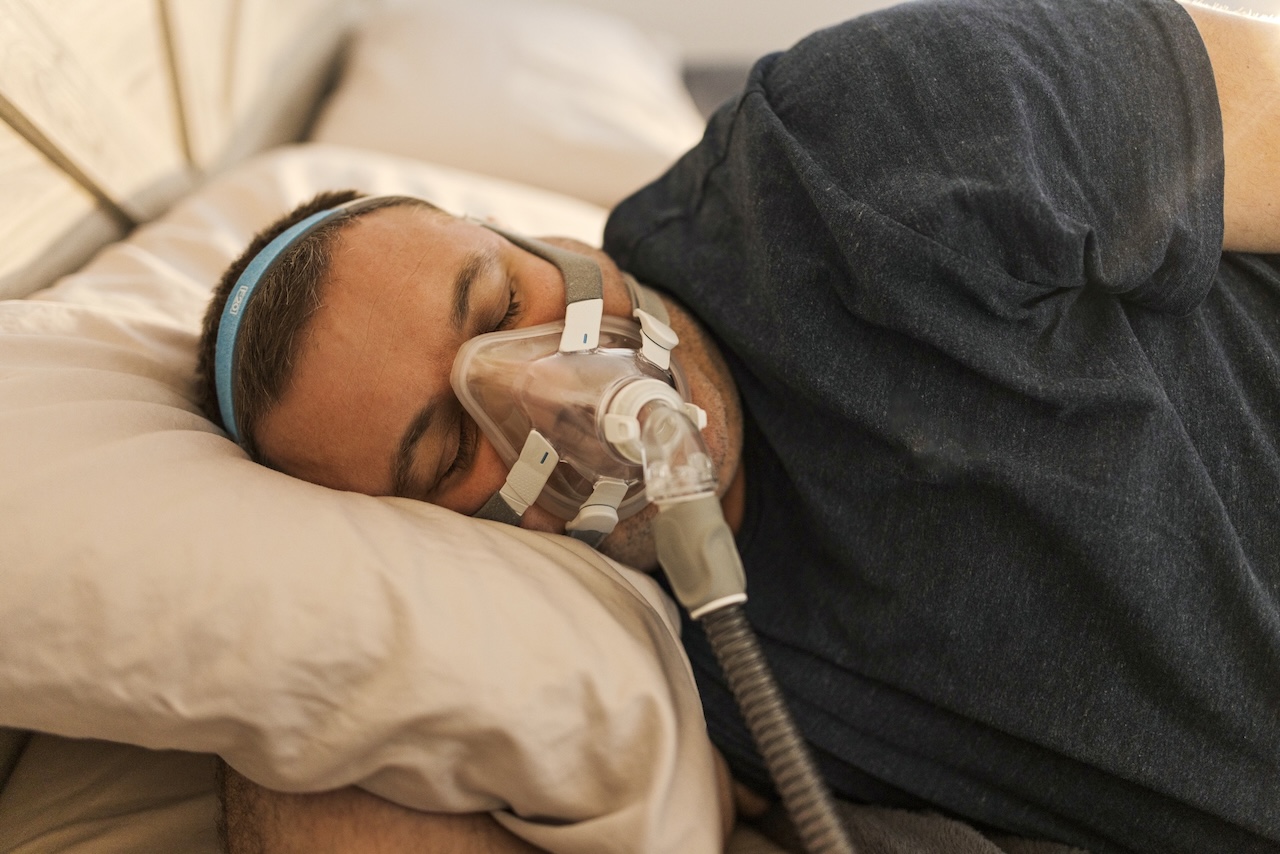
Sleep apnea, obesity, and how they impact each other
Learn about the multi-layered connection between sleep apnea and obesity.
The relationship between sleep apnea and obesity can be difficult to untangle because each can make the other worse. Obstructive sleep apnea, or OSA, is the most common form of sleep apnea. OSA happens when the upper airway repeatedly becomes partially or fully blocked during sleep. These pauses in breathing can lower oxygen levels, disrupt sleep quality, and leave people feeling tired even after a full night in bed. Obesity is one of the strongest known risk factors for OSA, but the connection goes both ways: poor sleep from sleep apnea may also make weight management harder over time.
Understanding how sleep apnea and obesity interact can make it easier to see why this combination matters. It isn't just about snoring or feeling groggy. OSA is linked to broader cardiometabolic concerns, including high blood pressure, insulin resistance, and higher cardiovascular risk, especially when it goes undiagnosed or untreated. When obesity is also present, those risks may be amplified.
What is obstructive sleep apnea (OSA)?
Obstructive sleep apnea is a sleep-related breathing disorder in which the muscles and soft tissues of the throat relax enough during sleep to narrow or block the airway. When that happens, breathing may pause briefly or become very shallow until the body partially wakes to reopen the airway. This cycle can repeat many times throughout the night, fragmenting sleep even if the person does not remember waking up.
Common signs of OSA can include:
- Loud or frequent snoring
- Gasping or choking during sleep
- Waking up with a dry mouth or headache
- Excessive daytime sleepiness
- Trouble concentrating
- Irritability or low energy
Sometimes, OSA goes undetected. That's a part of why it's so important to understand the overlap between sleep apnea and obesity: both conditions can influence overall health in ways that are not always obvious right away.
Does obesity cause sleep apnea?
Obesity is one of the strongest risk factors for developing OSA, but it doesn't automatically cause the condition. Age, sex, family history, smoking, alcohol use, craniofacial structure, and certain anatomical features can also affect risk. That being said, excess body weight (especially around the neck and upper body) plays a major role in many cases.
In people with obesity, fat deposits around the upper airway can make that airway narrower and more likely to collapse during sleep. Obesity can also reduce lung volume and change how the body controls airway muscles, making breathing more vulnerable to repeated obstruction at night. This is one reason researchers consistently describe obesity as a major driver of OA risk and severity.
Research shows a strong overlap. In a recent individual-participant meta-analysis of community-based groups, about 74% of adults with obesity had at least some degree of OSA, while OSA prevalence increased in general across higher weight categories.
Risk factors that can make sleep apnea more dangerous
While body weight is a major risk factor for sleep apnea, it's not the only one. Several physical and lifestyle factors can increase the likelihood of OSA or make it more severe.
One important example is neck circumference. A larger neck can reflect more soft tissue around the airway, which may increase the chance of collapse during sleep. Older clinical guidance has often flagged neck circumference of about 17 inches or more in men and 16 inches or more in women as a higher-risk marker. Some research suggests that neck size may even be more useful than BMI when screening for OSA risk.
Other factors that can increase the risk or severity of OSA include:
- Older age
- Sex (men are more likely to develop OSA than women)
- Recent weight gain
- Smoking
- Heavy alcohol use
- Sedentary lifestyle
- Structural airway differences, such as a smaller jaw or narrower upper airway
How sleep apnea can contribute to weight gain
The relationship between sleep apnea and obesity is not one-directional. OSA can also make weight management harder, creating a cycle that becomes difficult to break.
Since OSA repeatedly disrupts sleep, it often leads to poor sleep quality and shorter periods of restorative sleep. That can affect energy levels, mood, physical activity, and appetite regulation. Chronic sleep disruption has been linked to changes in hormones involved in hunger and fullness, including leptin and ghrelin, which may make it easier to overeat and harder to feel satisfied. OSA is also associated with daytime fatigue, which can reduce motivation for exercise and make healthy routines harder to maintain.
The cycle: how sleep apnea and obesity reinforce each other
For people who have both OSA and obesity, the two conditions often perpetuate one another. Excess body weight increases the chance that the airway narrows or collapses during sleep. OSA then disrupts sleep and lowers sleep quality, which can worsen fatigue, appetite regulation, and daily activity patterns. Those changes may make weight gain or weight retention more likely. Additional weight can then further increase OSA risk or severity.
How Evidation can support healthy sleep
Healthy sleep can be difficult to prioritize, especially when issues like weight changes, fatigue, or disrupted breathing begin to overlap. Since sleep and metabolic health are so closely related, tracking everyday patterns makes it easier to notice connections over time. Evidation supports healthy sleep by helping you engage with your health data and better understand how behaviors like sleep, activity, and other daily routines fit into the bigger picture of overall wellness. Click here to learn more about Evidation and get started today.

Mental Health Awareness Month: 8 Evidation expert tips to help take care of your mind
Setting self-care goals, checking in with your doctor and mental health care provider, and setting boundaries can all work to bolster your mental health.
May is Mental Health Awareness Month, a time to fight the stigma and stereotypes that are often associated with mental health struggles. Supported by the National Alliance on Mental Illness, Mental Health Awareness Month is the perfect opportunity to check in with yourself on your mental well-being and create new routines that can support your mental wellness. At Evidation, our team of experts is here to provide you with easy-to-implement tips and tricks to support your mental health. Here, we'll explore some simple steps you can take to feel your best during Mental Health Awareness Month and beyond.
1. Seeking support: a sign of strength
If you're living with a mental health issue or simply going through a stressful time in life, you're not alone. Reaching out to a mental health professional is a sign of bravery and strength, and helps you get the support you need to thrive.
Know your baseline
If you've never worked with a therapist or counselor before, today is a great day to start. Even if you don't have any current pressing issues, working with a therapist can help you understand your emotional baseline and discover new ways to cope with stress.
When something feels off, don't wait
When you feel your baseline beginning to waver, it's smart to reach out for support right away. If you notice that you're not coping with emotions well, or you encounter a particularly stressful situation, make an appointment with your counselor or therapist – and don't hesitate to let them know if the situation is urgent.
2. Self-care strategies: Practical tips for stress management and well-being
Taking care of yourself is vital for your mental health, but prioritizing consistent self-care is sometimes easier said than done.
Practice setting boundaries
While it can be hard to say no to people you care about, doing so can be vital for preserving your mental health. Letting friends, family members, and coworkers know that you'd love to help with their request or attend their gathering but are unavailable takes practice, but it gets easier over time. Check out these tips on how to set boundaries with the people you care about.
Stop putting yourself last
You've heard the old adage that you can't pour from an empty cup, and it's the truth: you've got to take care of yourself in order to take care of others. If you feel like you've been overwhelmed at home, at work, or with friends, it may be time to take stock of where some responsibilities can be shared.
3. Mindfulness practices: Cultivating presence and inner peace
Proactive stress management can help you stay centered when tough issues arise. Try adding one or more of these mindfulness practices to your day to bolster your ability to handle whatever life throws your way.
Meditation
You can reap the benefits of meditation with less than five minutes of practice each day. According to meditation expert Vishen Lakhiani, "You can take a one- to three-minute dip into peacefulness, and you can see remarkable results. The biggest benefits are going to happen in the first few minutes."
Unplug
Taking time away from your phone can help you de-stress, disconnect from work, and get better sleep. While it's not often feasible to take a full day away from your phone, taking an hour or two to fully focus on friends, family, or yourself can help you feel centered.
4. Managing emotions: Strategies for emotional well-being
Meeting your feelings head-on can be tough, but doing so can save you from the effects of chronic stress. If you're used to avoiding your feelings, this can be an adjustment. Be kind to yourself if you're working on managing your emotions for the first time, and don't be afraid to ask for help from family, friends, or a mental health professional if you need it.
Check in with yourself
Many of us operate on autopilot day in and day out, moving from one part of the schedule to the next with little time to reflect. Creating a few minutes in your day to check in with yourself can be a smart way to stay on top of your emotional needs. Setting a reminder on your phone or smartwatch to take a few minutes to do breathing exercises, take a quiet moment, or write in a journal can help you get in touch with your feelings.
Practice speaking up
If you fall into patterns of people-pleasing or otherwise struggle to stick up for yourself, starting to share your feelings with others can work to validate your emotions. A simple way to get started: answer the question "how are you?" honestly when you feel comfortable. Doing so doesn't just give you the chance to express your emotions – it also gives people close to you the chance to support your needs.
5. Creating healthy habits: Incorporating wellness into daily life
Making time to practice regular healthy habits can go a long way in protecting your mental health and helping you feel your best.
Start small
There's no need for a total lifestyle overhaul – incorporating a few wellness practices into your routine may be all that you need to feel happier and healthier. Going for a 10-minute walk during your lunch break each day can give you time to enjoy some sun and quiet your mind's chatter about your work day. Adding a fruit or vegetable to two meals each day can provide you with the nutrition boost that you need to feel great. Give yourself time to establish one healthy habit before diving into another.
Check-in with your doctor
Depending on your mental and physical health, some wellness practices may carry more weight than others. Talking with your doctor can provide you with insight into what behaviors will best support your well-being. Your doctor may also be able to refer you to a mental health professional, dietitian, or other health care professional who can work with you to help support your well-being.
Set achievable, effort-centered goals
When it comes to mental health, action matters! Setting goals based on effort – rather than results – can be helpful in keeping you encouraged to work on your mental health. For example, committing to talking to a therapist twice a month for the next few months can feel much more realistic than overcoming a lifelong mental health issue in the same period of time. Setting effort-based goals can also help you realize what works well for you when it comes to your mental well-being.
6. Balancing work, life, and self-care
You already know that your workplace can affect your mental health, and it's important that you balance your time at work, at home, and at rest. It can be tough to speak up at work when your workload becomes unfair or unmanageable, but doing so can help you preserve your mental health while you work.
In order to get the support you need to thrive while balancing work, home, and self-care, try these tips.
Speak clearly about your workload
It happens all too often: you take on a position with a manageable workload, and over time, your duties begin to pile up. You find yourself working late, checking your email on weekends, and struggling to figure out how you'll complete all that's expected of you. There's a fine line between being a team player and keeping your sanity, and it's important to talk to your supervisor if you feel that your workload has crossed into dangerous territory. If you're feeling like you've been taking on too much, schedule a time to talk with your boss about solutions.
Remember, explanations aren't always necessary
If you're being asked to go above and beyond the duties of your job at work, with family, or with friends, remember: an explanation isn't always necessary. It can be tempting to bolster a "no" with reasoning, but doing so takes away your power to simply refuse a task.
Some polite ways to decline an invitation or request include:
- I wish I could make that work, but I'm afraid I'm not able to.
- Thanks, but I can't fit that into the schedule today.
- I appreciate the invitation so much, but I already have something else going on this evening.
- Thanks so much for thinking of me, but I can't add anything else to the calendar this week.
Schedule weekly self-care appointments
Life gets busy, and it's all too easy to put yourself on the back burner. Making your self-care a priority can go a long way in helping you feel your best. Self-care isn't all about getting a haircut or enjoying a dinner out with friends (even though those activities can certainly be a part of your self-care routine). Self-care is also about making time to prepare healthy foods, keeping up with regular dentist and doctor appointments, and discovering ways to feel and express your emotions.
7. Nutrition tips for optimal mental health
Just like the rest of your body, your brain requires balanced nutrition in order to maintain optimal health. While it can be easy to let healthy eating go by the wayside when things get stressful, doing so can make it tough to keep stress levels low and utilize effective coping strategies.
Some ways you can use your nutrition to support positive mental health include:
Eat regularly
When you're running from one task on your to-do list to the next, it can be easy to skip a meal, or try to run on caffeine. Some people also find it tempting to skip eating throughout the day, only to enjoy a large dinner immediately before bed. While different eating styles work for different people, it's important to pay attention to what type of eating schedule lets you feel your best. Many people find that eating regularly throughout the day allows them to maintain blood sugar homeostasis, guarding against the mood swings and energy dips that can come with serious blood sugar highs and lows.
Enjoy the rainbow
Ever find yourself stuck in a rut when it comes to the produce in your diet? You're not alone. There's nothing wrong with settling into a routine when it comes to eating well, but adding variety can serve both your physical and mental health. Foods from different color families offer different benefits. For example, red fruits and vegetables are typically high in lycopene, a nutrient that can support healthy brain function. Blue and purple fruits and vegetables contain compounds that can improve memory and brain health.
Create a weekly menu
Planning your meals in advance can help you get the variety you need in your diet, as well as relieve some of the stress that can come with figuring out what to make for dinner each night. Taking a few moments each weekend to decide what you'll be eating for the week can help make eating well exciting, and knowing what you'll need to prep for the evening can help you get through some of the chopping, slicing, and dicing in advance.
8. Sleep routine for improved mental health
Getting plenty of high-quality sleep is important for maintaining positive mental health, but getting the rest you need to thrive is sometimes easier said than done. Try these sleep-easy tips to help you feel great each morning.
Maintain a regular sleep schedule
While it can be tempting to get some extra shut-eye on the weekends, serious sleeping in can do more harm than good, according to experts. While getting an hour or so of extra sleep isn't likely to do much harm to your brain's Circadian rhythms, adjusting your sleep and wake schedules by more than an hour can throw you off for the work week ahead.
Create the right environment for rest.
Your bedroom should be an oasis of calm, and taking a few simple steps can help set the scene for a fantastic night's sleep. Making your bedroom as dark as possible, de-cluttering your space, and using a white noise machine if you live in an area where nighttime noise is unavoidable can all go a long way in helping you get the rest you need.
Cut back on caffeine
We get it – it can be rough to get through the afternoon without a caffeinated pick-me-up. Enjoying caffeine in the afternoon, however, can wreak havoc on your sleep hygiene. If you're having trouble falling and staying asleep at night, keep the caffeine to morning hours only, or consider switching to decaf altogether.
Evidation: Here to help you track habits to maintain positive mental health
At Evidation, we're here to support all aspects of your well-being, including your mental health. Take your time implementing the tips above, noting what works well for you and what doesn't. Mental health can be complicated, and there's nothing wrong with reaching out for help when you need it. If you aren't using our app yet, we're excited to help you get started. Click here to learn more about Evidation and download the app today.

Allergies: symptoms, causes, and treatment options
Allergies are a common condition that affects millions of people around the world. Luckily, there are several options for those struggling with the effects of allergies.
Allergies are a common condition that affects millions of people around the world. Symptoms occur when the immune system overreacts to certain substances such as pollen, dust, animal dander, or certain foods.
Like other chronic health conditions, allergies can significantly impact quality of life, and have a big impact on our ability to perform at work and school. In fact, according to research published in the American Journal of Rhinology and Allergy, allergies and allergic rhinitis impact work productivity more than hypertension (high blood pressure) and diabetes.
Luckily, there are several options for those struggling with the effects of allergies. In this post, we’ll discuss the symptoms, causes, and treatment options for seasonal allergies.
Symptoms of Seasonal Allergies
The symptoms of seasonal allergies can vary depending on the person, but the most common symptoms include:
- Runny or stuffy nose
- Sneezing
- Watery and itchy eyes
- Scratchy or sore throat
- Coughing
- Fatigue
- Headache
The symptoms can range from mild to severe and can greatly impact a person's quality of life. It’s essential to identify the triggers that cause these symptoms to manage them effectively.
If you’re struggling with allergies and aren’t sure what’s triggering them, talk to your doctor. It might be time to see an immunologist. They can perform tests like blood tests or skin prick tests to help determine what you’re reacting to.
Causes of Seasonal Allergies
Seasonal allergies, also known as hay fever, are caused by allergens that are present during specific times of the year. The most common allergens that cause seasonal allergies are pollen from trees, grasses, and weeds.
When these allergens enter the body, the immune system reacts by producing antibodies. These antibodies trigger the release of histamine, which causes the symptoms of seasonal allergies.
It’s important to note that not all allergies are seasonal. Some people have allergies to food, pets, and other things that affect them year round, all the time. In some cases, these allergies are severe enough to cause anaphylaxis — a life threatening condition.
If you have a severe allergic reaction, it’s important to get emergency medical attention right away, and talk to your doctor about a prescription for epinephrine.
Treatment Options for Seasonal Allergies
There are several treatment options available to manage seasonal allergies. The most common treatment options include:
- Antihistamines - These are medications that block the release of histamine, reducing symptoms such as itching, sneezing, and runny nose.
- Decongestants - These are medications that help reduce swelling in the nasal passages, making it easier to breathe.
- Nasal corticosteroids - These are nasal sprays that reduce inflammation in the nasal passages, reducing symptoms such as stuffy nose, sneezing, and runny nose.
- Immunotherapy - This treatment involves exposing the body to small amounts of allergens over time, which can help reduce the severity of allergy symptoms.
In addition to medication, there are also several lifestyle changes that can help manage seasonal allergies. These include:
- Avoiding allergens by staying indoors when pollen counts are high
- Using air filters in the home to reduce the amount of allergens in the air
- Washing bedding and clothing frequently to remove allergens
- Using saline nasal sprays to help rinse allergens from the nasal passages
Conclusion
Seasonal allergies can be a frustrating and uncomfortable condition to live with, but there are several treatment options available to manage the symptoms. It’s essential to identify the triggers that cause your allergies and work with a healthcare provider to develop a personalized treatment plan. With the right treatment and lifestyle changes, it’s possible to manage seasonal allergies and improve quality of life.

How can Evidation help me track my health progress?
From incentives to personalized tips based on your data, Evidation can help you take your health to the next level.
We believe in using real-time data to drive your health journey--and to make advancements in medicine. With millions of members, Evidation is proud to partner with organizations across a variety of sectors--including biomedicine, healthcare, technology, non-profits, and government--to utilize data to create a healthier world.
What is Evidation?
In 2012, Evidation was founded with a mission to use everyday health data to help both Evidation users and health-related organizations understand health and disease. We believe that data can provide unique insights into world health that can drive positive change.
Evidation doesn't just use health data to help organizations create effective treatments and health initiatives. A key part of our work is helping our users understand health data (such as that collected by wearable fitness trackers). We're here to support you in your journey to wellness. The rewards we offer for taking positive action can help encourage you to stay on the right path.
Understanding Evidation
You already know that the insight provided by your fitness tracker is invaluable when it comes to figuring out how to best manage your health. At Evidation, we put your data to good use, allowing you to contribute to the greater good. We use your health information to drive health research, while keeping your privacy and safety protected every step of the way.
We do not and will not sell your personal information. We will share your health data outside of Evidation only with your consent or at your direction, and to provide our services.
You can learn more about your privacy rights and how we use your personal information by visiting our Privacy Notice. You can also learn more by contacting our Privacy Office at privacy@evidation.com.
How Evidation works
Good news: if you're thinking about using Evidation as your health tracking app, the setup process is easy. You'll connect your activity tracking devices to the Evidation app, and we'll take it from there. We'll ask you to answer questions and read articles based on your personalized health needs.
After you connect your wearable fitness trackers to the Evidation app, you'll get information on your health data that allows you to make informed decisions that can boost your health and wellness.
When you connect your health tracker, the Evidation app will provide you with insights on actions you take to feel great and move toward your health goals. We understand that improving your health is not a one size fits all process, and it's important to us to provide you with the personalized help that you need to become your healthiest self. When you complete action items that Evidation suggests, you'll be rewarded. For every 10,000 points you score on the Evidation app, you'll get a $10 reward, which you can either pocket or donate to a charity of your choice.
In addition to providing you with actionable items to encourage you to work toward becoming your healthiest self, we're proud to use the information we gather from your data to help healthcare professionals drive research forward--with your permission. If your data shows us that you're eligible to participate in health studies, we'll reach out to invite you to be a part of the future of medicine.
The science behind our approach to improving health
Transparency and trust are key when it comes to our mission, and we believe in a user-focused approach. We never share your data without your permission, and you have the ability to revoke data permissions at any time.
We're constantly working to develop new ways to help you--and our healthcare partners--make the most out of your health data. Our team has the expertise required to develop digital strategies that allow us to use your health data in the most effective way possible. With the ability to both move your health forward and drive medical research, Evidation uses your health data to benefit both you as an individual and the medical community as a whole.
Key features and benefits of using Evidation
When you use Evidation, you aren't just getting the same data that you're getting from your fitness tracker. Our insights can help you see how your daily choices and habits affect your well-being. When considering the pros and cons of fitness trackers, most of our users find that understanding data makes the use of a tracker a net positive.
We help you track things like your daily mood and sleep quality with simple check-in questions, then provide you with insights about how your activity impacts things like your mood or sleep–and how these things impact your activity levels. We're here to make your data work for you, one piece of information at a time.
From logging what you eat to taking surveys that provide insight on your daily habits, we'll use your information to help you understand your body, your health, and create a brighter future.
Why tracking matters
Knowledge is power, and when you use your fitness tracker paired with Evidation, you'll get the information you need to earn rewards--all while improving your health.
Let's take a look at some ways that you can stay motivated to move, track, and earn.
%2520(1).png)
Try something new
Feeling bored of your routine? Trying something new can help. When you change up your workout, you're better able to avoid plateaus, protect yourself from injury, and stay engaged in your journey to health. Switching up your nutrition from time to time by trying new foods and recipes can also help lessen the likelihood of getting tired of your meal plan.
Set achievable goals
Setting attainable goals can help you stay on track, and seeing your progress can be one of the benefits of fitness trackers. Understanding your why, getting clear on what you want to achieve, and creating a timeline that keeps you accountable can help you move toward success.
Get competitive
Social motivation can push you forward in your goals, and friendly competition is a fantastic way to boost both your health and the health of those around you. Whether you compete against your achievements last week or you set up a weekly step challenge with your coworkers, working toward a win can help you stay on track.
Download Evidation today
If you're ready to take charge of your health by putting your data to work, we're ready to help. Last year, our 5 million members took 951 billion steps and made countless contributions to the future of medicine. Download the app today to start learning how you can make simple changes to take your health to the next level.