
Direct, ongoing connections to millions of people across 100+ conditions
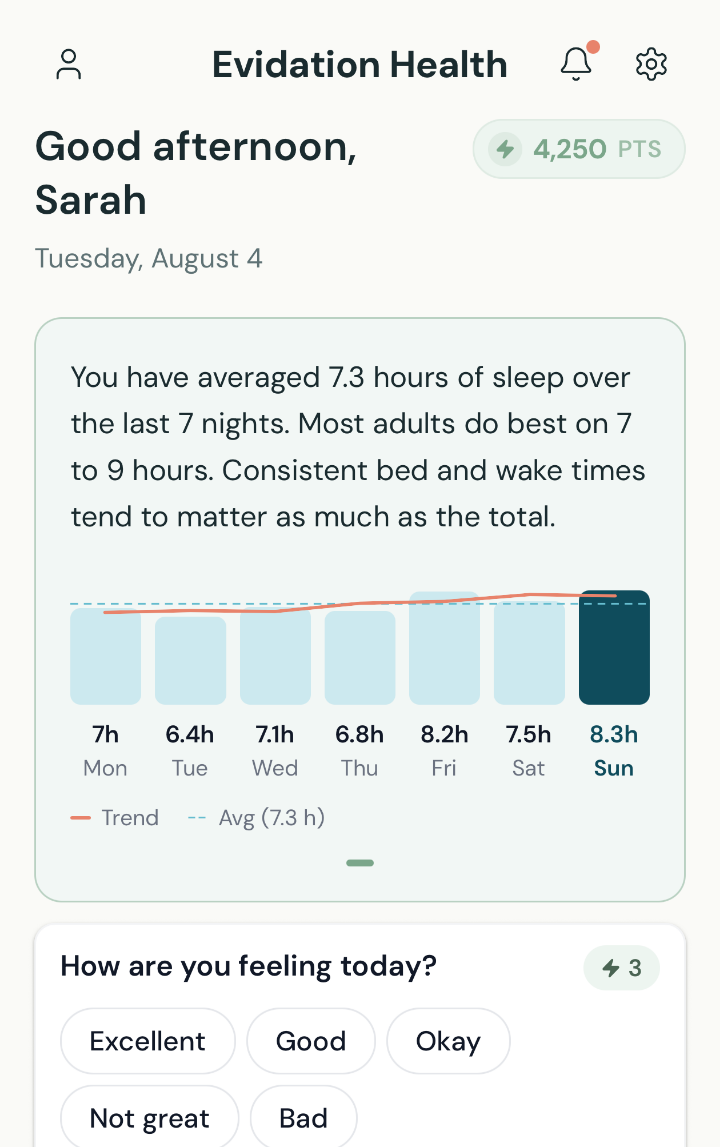
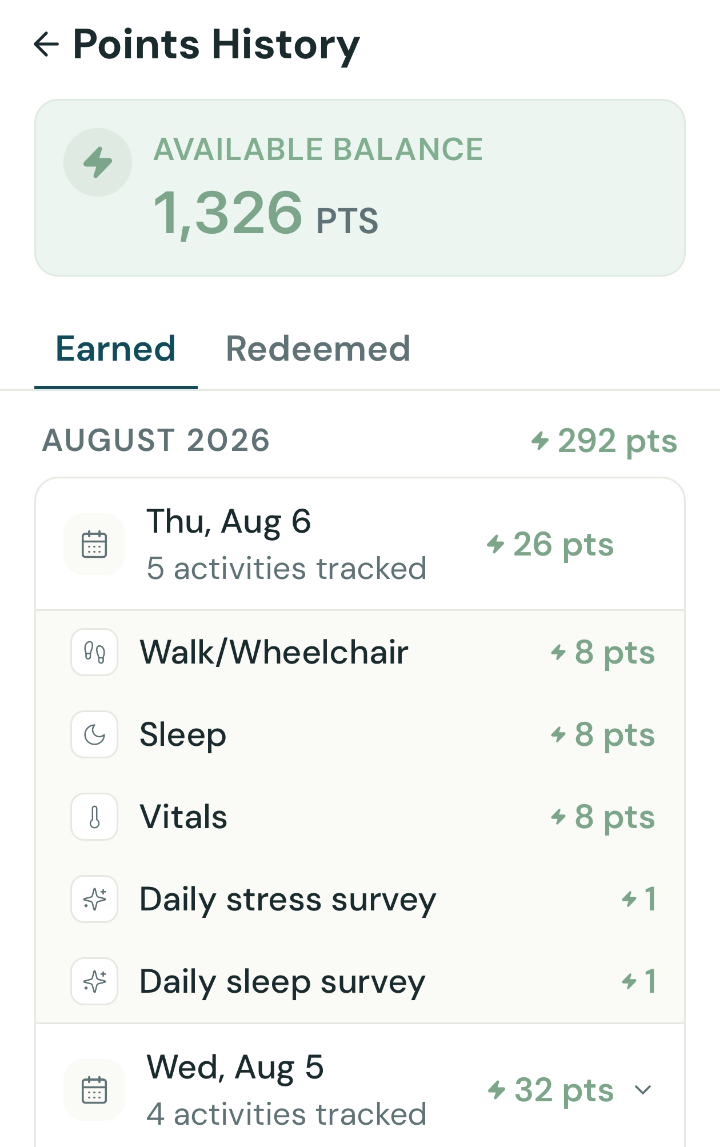
Members consent to share health data and, in return, receive meaningful value through support, rewards, and greater control over their health.
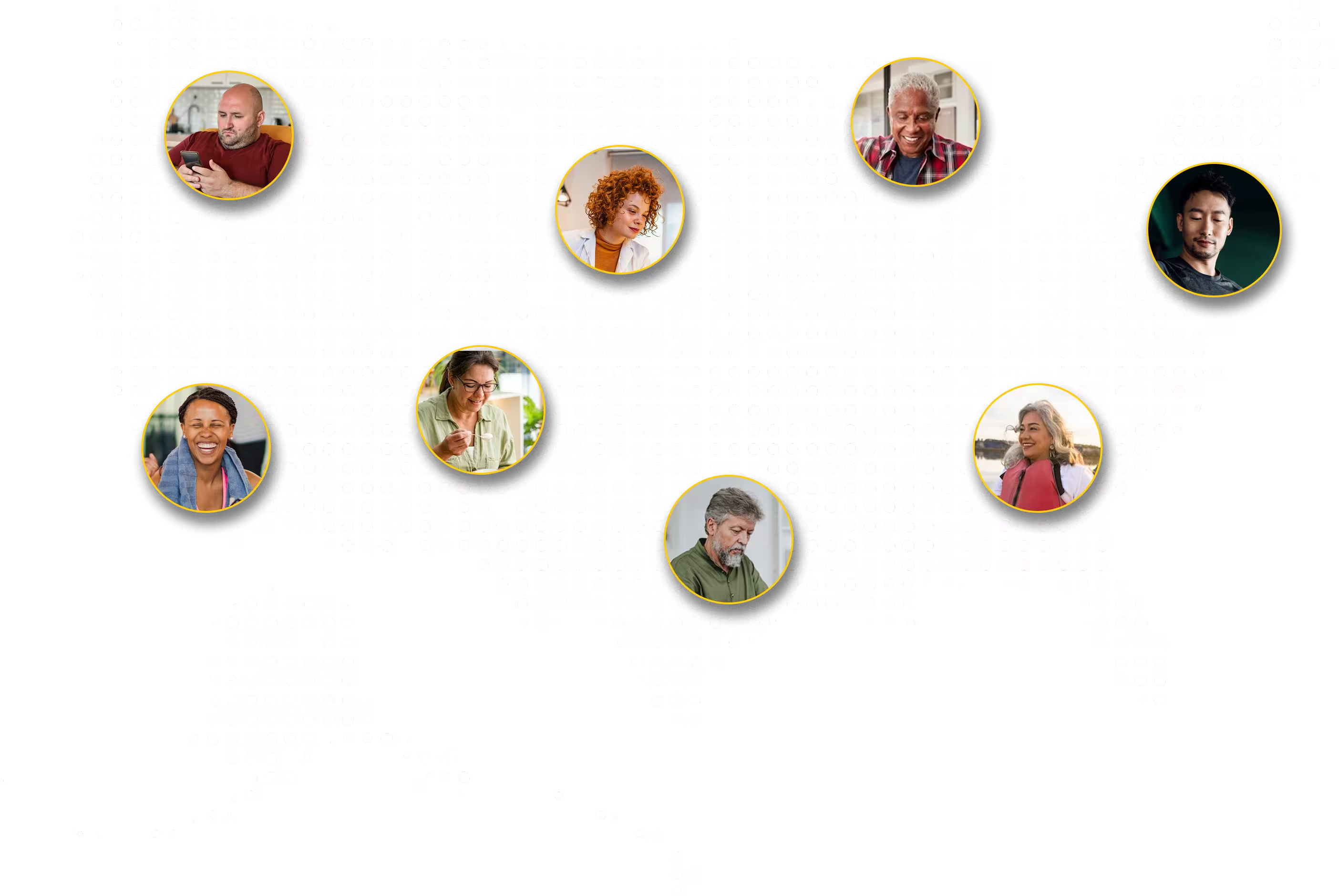






The Evidation Community at a glance
Privacy-first and consent-based: members control what they share, with whom, and for how long.
*Varies by population, protocol, and length of program. **Conversion rate for “click to read” offers once the offer is seen.
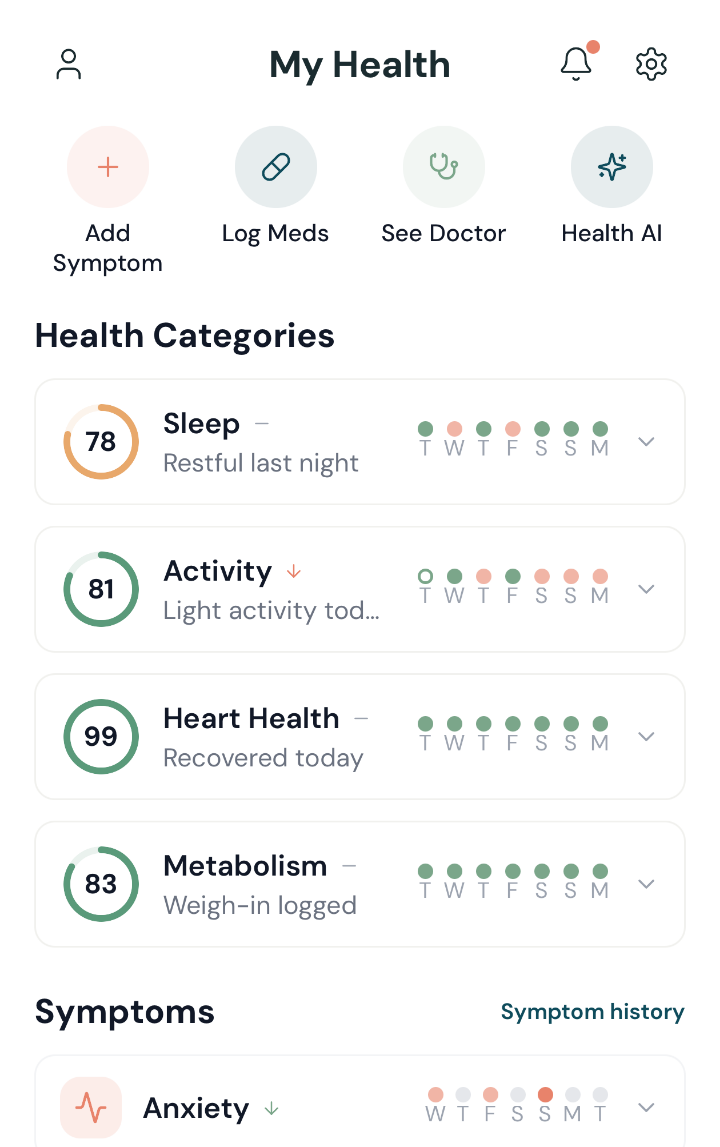
A two-way connection that members value
Our ongoing relationship with members generates high-quality data and drives healthier actions.
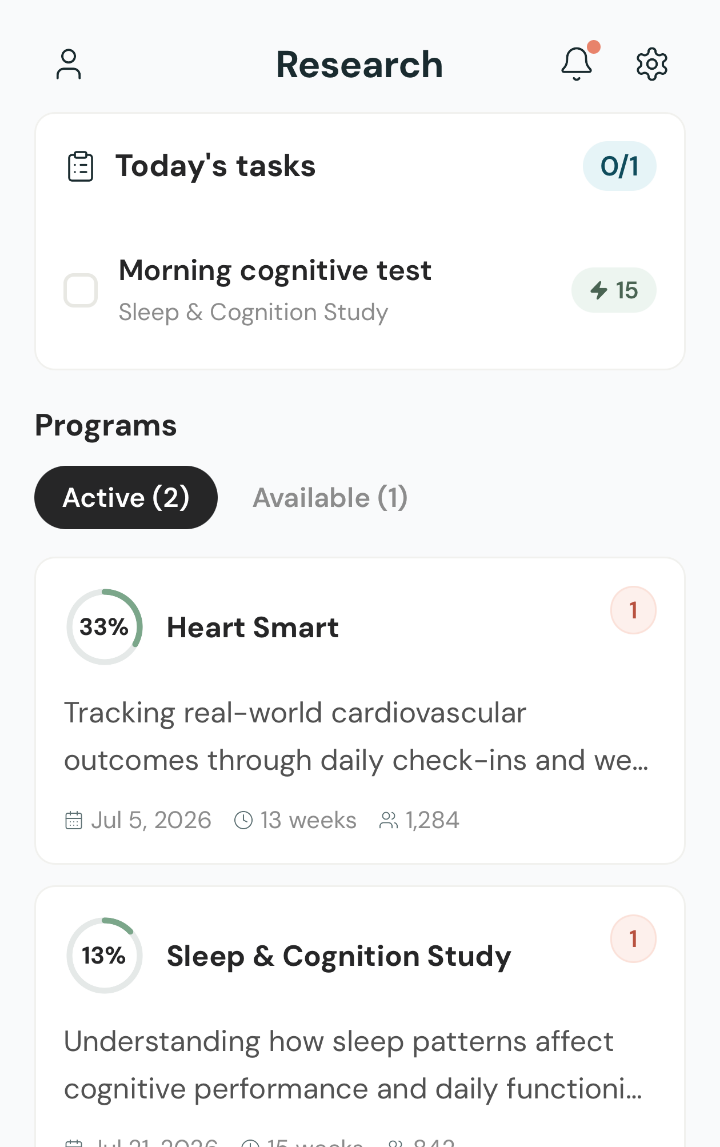
Longitudinal cohorts across key conditions
Engaged, recontactable cohorts with time-aligned wearable, survey, and clinical data across 100+ conditions.





 VACCINES & INFECTIOUS DISEASE
Flu and respiratory illness, symptom follow-up, and vaccination journeys

Members are characterized by dozens of variables
Rich profiles let you find, segment, and follow exactly the people your research needs.
- ZIP code
- Birth sex and gender
- Race and ethnicity
- Height and weight
- Education and household income
- Health insurance
- Health risk
- Internet access
- English at home
- Meeting needs and assistance programs
- Transportation and food concerns
- Care-seeking delays
- Diagnoses and comorbidities
- Medical care and symptoms
- Medications (Rx and OTC)
- Treatment experience
- Lab values
- Digital health measures
- Quality of life
- Physical activity
- Diet changes
- Caffeine and alcohol intake
- Smoking
- Oral and preventive health
See how customers work with our community
Programs that engaged the right people and kept them engaged.
American College of Cardiology · Heart health
Helping people act on their heart health
ACC's Heart Health program lets patients track everyday health and manage their care between visits.
USC & RAND · Population health
A nationally representative digital health dataset
American Life in Real-time (ALiR) is a public benchmark registry for person-generated health data.
Myovant Sciences · Women's health
Finding gaps in the patient experience
A 4-month, direct-to-patient study with 350 women living with uterine fibroids uncovered significant unmet needs.
Let's design your next study
Tell us the question you need to answer. Our scientists will show you which cohorts, data types, and study designs can get you there, and how quickly.