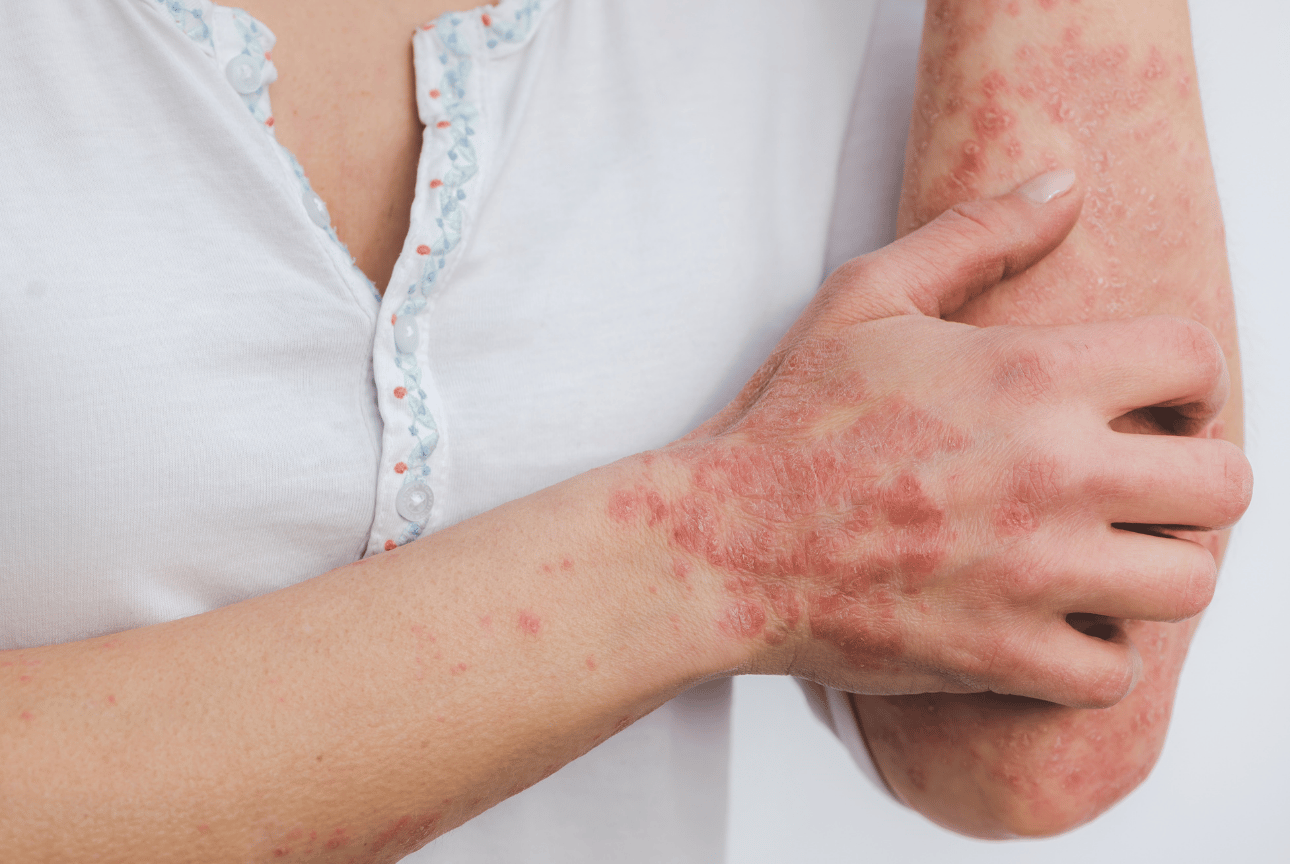


Inflammation is one of the body's most important biological processes. It's part of how the immune system responds to injury, infection, and other threats. While it often gets talked about in negative terms, inflammation itself is not inherently harmful. In many cases, it's essential for healing and protection.
Problems arise when inflammation is either too strong, poorly regulated, or becomes long-lasting. That's where the distinction between acute and chronic inflammation becomes important.
What is inflammation?
Inflammation is the immune system's response to damage or perceived threat. When tissues are injured or exposed to harmful stimuli, the body sends immune cells and signaling molecules to the area to begin repair and defense.
This process involves increased blood flow, activation of immune pathways, and the release of chemical signals that help coordinate healing. Inflammation often causes redness, warmth, swelling, and pain during the healing process.
At its core, inflammation is a communication system between immune cells and tissues that can occur anywhere in the body, including the gut. It helps the body isolate problems, remove damaged cells, and begin repair.
Acute inflammation and healing
Acute inflammation is the body's immediate, short-term response to injury or infection. It begins within minutes or hours and typically resolves once the threat is removed and healing begins.
This type of inflammation is protective. For example, when you cut your skin or catch a virus, acute inflammation helps recruit immune cells to the site, clear out harmful agents, and support tissue repair. In a healthy system, acute inflammation is tightly regulated. Once healing is underway, anti-inflammatory signals help shut the process down, so tissues can return to normal function.
Chronic inflammation and persistence
Chronic inflammation is different from the acute inflammation that supports the body's natural healing processes. Instead of resolving over time, chronic inflammation is persistent, sometimes even when there is no longer an immediate threat.
This can happen for several reasons, including ongoing exposure to irritants, unresolved infections, or dysregulation in immune signaling pathways. When inflammation persists, the immune system may remain in a constant state of activation.
Unlike acute inflammation, chronic inflammation is less about healing and more about sustained immune activity. Over time, this can lead to tissue damage and contribute to a range of health conditions.
Researchers are currently studying how chronic inflammation develops, but it's generally understood as a breakdown in the normal regulation of immune responses.
Acute and chronic inflammation difference
The key between acute and chronic inflammation is duration and purpose. Acute inflammation is short-term, effective, and protective. It activates quickly, targets a specific problem, and resolves once healing occurs. Chronic inflammation, on the other hand, is long-term and often dysfunctional. It persists beyond the initial trigger and can contribute to ongoing tissue stress. Both are driven by the immune system, but they operate on very different timelines and create different outcomes.
Immune signaling and inflammatory pathways
Inflammation is controlled by complex immune signaling pathways that regulate when the response starts and stops. These pathways involve immune cells, chemical messengers called cytokines, and feedback loops that help control intensity.
When these signals work properly, inflammation is precise and temporary. When regulation breaks down, signaling can remain active, contributing to chronic inflammation. Understanding these pathways helps explain why inflammation is not simply good or bad, but highly context-dependent.
Why inflammation matters for health
Inflammation plays a role in nearly every system in the body. It helps defend against infection, repair tissue, and maintain balance after injury. When inflammation becomes chronic, however, it can affect overall health and wellbeing.
Lifestyle factors such as diet, sleep, stress, and physical activity can all influence inflammatory processes. Researchers continue to explore how these factors interact with immune signaling over time. If you're concerned that you may be living with chronic inflammation, it's a smart idea to talk with your healthcare provider about changes you can make to find relief.
Inflammation is not inherently negative, and when you're dealing with an injury or illness, it can actually be a good thing, as inflammation is a necessary biological response that supports healing and protection. The difference between acute and chronic inflammation lies in how long the response lasts and how well it is regulated. Understanding this balance helps clarify why inflammation is both essential and, in some cases, harmful when it becomes persistent.
How Evidation can support your health over time
If you’re living with an autoimmune condition, understanding what may be connected to inflammation flares can be an important part of managing your health. Evidation is working with members to learn more about how factors like food, activity, sleep, and other daily habits may relate to inflammation and wellbeing.
With the Evidation app, you can choose to share health data you’re already tracking. That information can help uncover patterns over time and provide personalized, content-based insights to support your health journey. . Click here to learn more about how Evidation works and get started today.