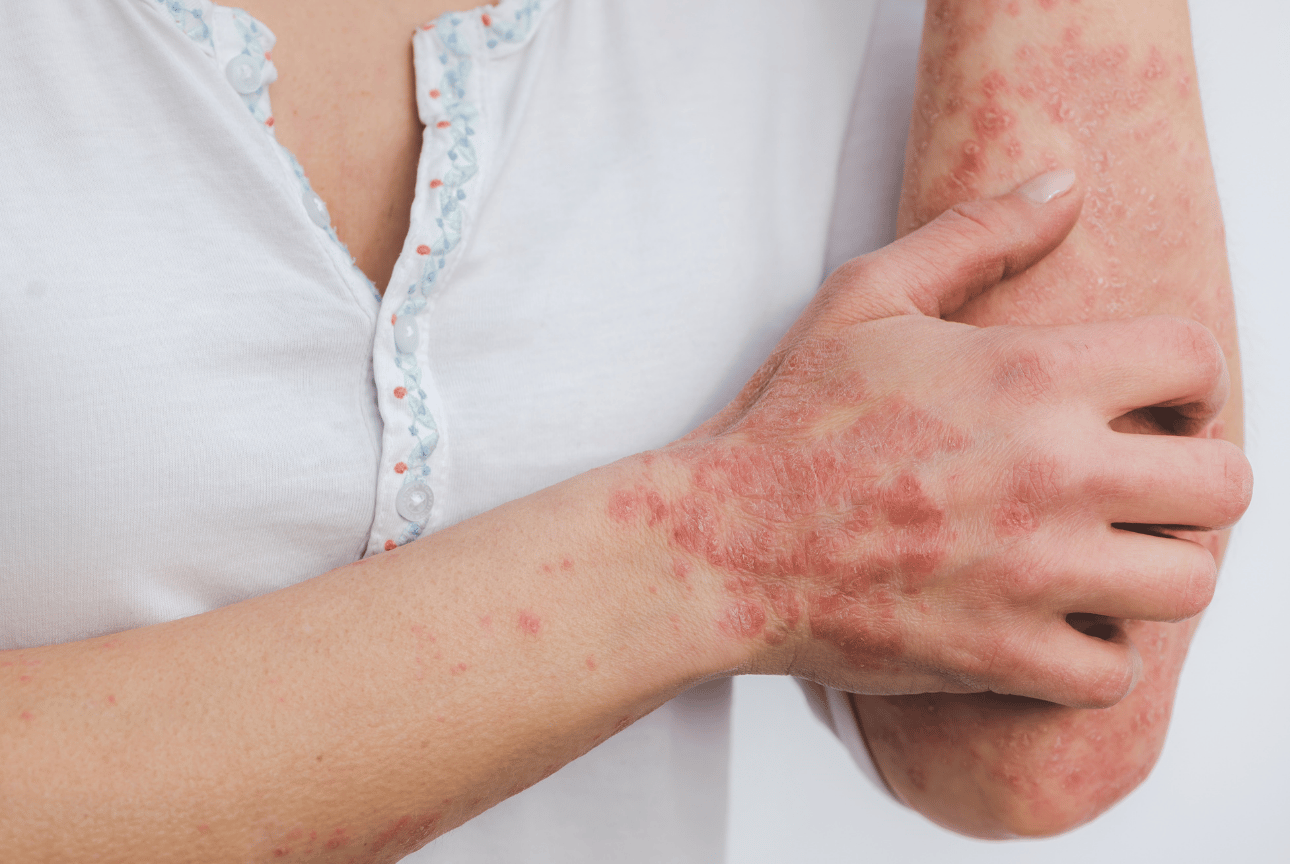
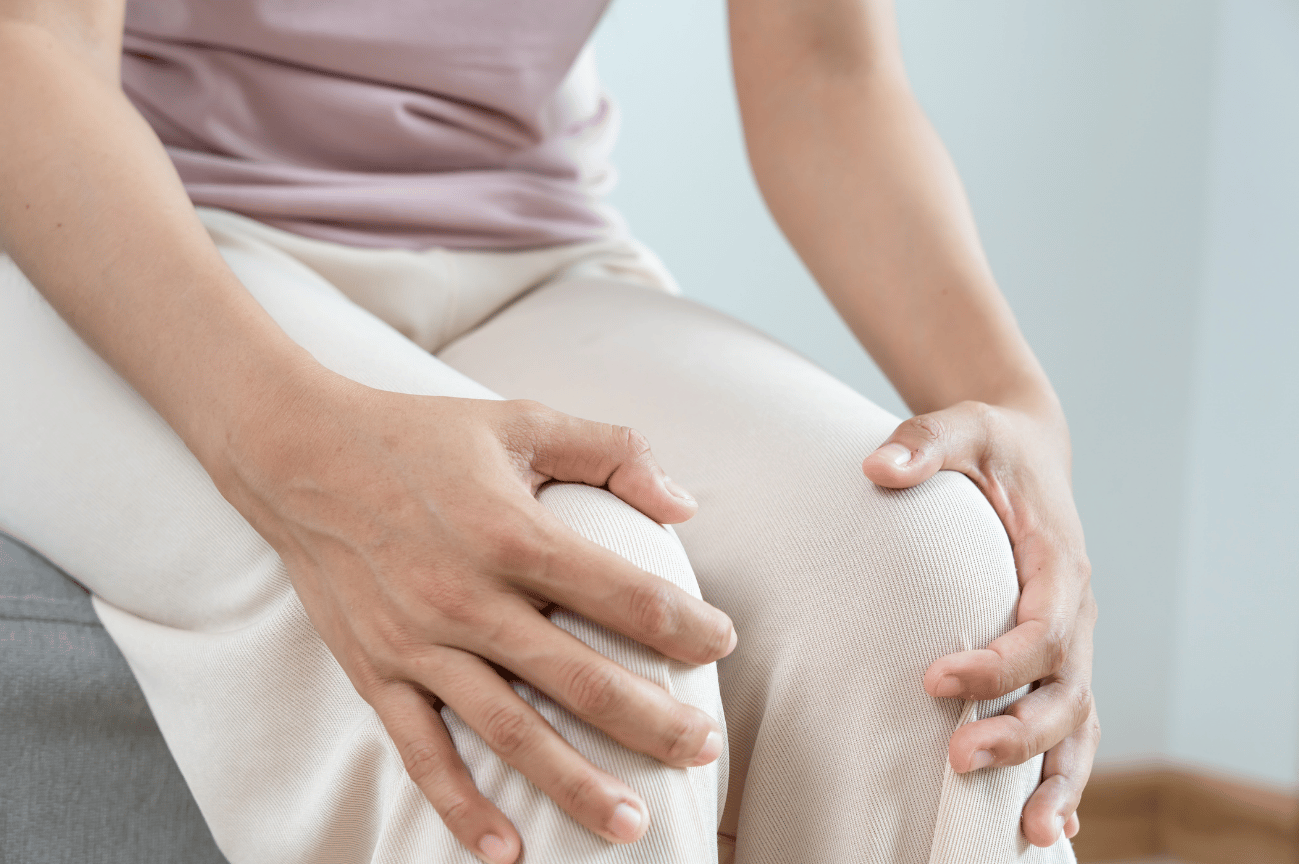
Rheumatoid arthritis (RA) symptoms can change from day to day. Some people notice periods when joint pain, stiffness, swelling, or fatigue seem to get worse without much warning. These episodes are often called flare-ups, and while they don't always have a single clear cause, certain patterns may make them more likely.
Understanding rheumatoid arthritis triggers can help make symptom changes easier to recognize and discuss. RA is a chronic autoimmune disease, which means the immune system mistakenly attacks healthy tissue, especially the lining of the joints. According to the American College of Rheumatology, RA most often affects the hands, wrists, knees, and feet, but it can also affect other parts of the body over time. Symptoms can vary, and flare-ups may be linked to a mix of physical, emotional, and environmental factors rather than one single trigger.
Common rheumatoid arthritis triggers
When people ask about what causes RA flareups, the answer is often more complicated than one event or behavior. RA flare-ups can happen even when someone is following their treatment plan, and not every trigger affects every person the same way.
That said, some commonly reported RA triggers include:
- Physical stress on the joints
- Emotional stress
- Poor sleep or disrupted sleep
- Illness or infection
- Changes in weather or season
- Exposure to smoke
- Dietary patterns that may worsen inflammation for some individuals
It's also important to remember that a flare-up might reflect changes in underlying disease activity, not just a lifestyle or environmental factor. That's one reason symptom changes that are frequent, intense, or different than usual may be worth discussing with a healthcare professional.
How stress and sleep can affect RA symptoms
Sleep and stress are two of the most common rheumatoid arthritis triggers. Emotional stress does not cause RA, but it may affect how symptoms feel and how the body responds during a flare. Stress can influence inflammation, pain sensitivity, fatigue, and sleep quality. For some people, periods of higher stress may seem to line up with more joint discomfort or longer-lasting stiffness.
Sleep can also matter. RA symptoms, especially pain and stiffness, can make it harder to sleep well, and poor sleep may make those same symptoms feel worse the next day. This can create a cycle where pain disrupts rest, and lack of rest increases fatigue and discomfort.
That doesn't mean stress or sleep problems are always the main explanation for a flare-up, but tracking them may help reveal patterns over time (especially if symptoms tend to worsen after several restless nights or during more stressful periods).
Foods that may worsen inflammation
Food is another area where people often think about when trying to understand what causes RA flareups. There is no single RA diet that works the same way for everyone, and no specific food has been proven to trigger symptoms in every person with RA.
Still, some people notice that certain dietary patterns seem to make symptoms worse. In general, highly processed foods, foods high in added sugars, and foods high in saturated fat are sometimes discussed in relation to inflammation. These foods may not trigger flare-ups for everyone, but some individuals report that they feel worse when they eat them regularly or in larger amounts.
This is where personal patterns matter more than broad rules. Rather than assuming one food is always the cause, it may be more useful to notice whether symptoms seem to change consistently after certain meals or eating habits.
Environmental and seasonal factors
Weather and seasonal changes are also frequently mentioned as RA triggers. Some people report more pain or stiffness when temperatures drop, humidity changes, or storms move in. Others notice that symptoms feel worse in colder months, when joints may feel stiffer and physical activity patterns change.
Research on weather and RA symptoms is mixed, which means the connection is not always straightforward. Even when weather itself is not always straightforward. Even when weather itself is not the direct cause, seasonal shifts can still influence routines that affect symptoms, including:
- Sleep habits
- Time spent outdoors
- Activity levels
- Stress levels
- Exposure to seasonal illnesses
Environmental exposures, including cigarette smoke, may also matter. The American College of Rheumatology notes that smoking is linked to RA risk and can make disease activity more difficult to manage.
Tracking your personal RA triggers
Rheumatoid arthritis triggers can vary from person to person, tracking symptoms over time may be one of the most useful ways to identify patterns.
A simple symptom journal or health-tracking app can help you note:
- When symptoms start or worsen
- Which joints are affected
- Sleep quality
- Stress levels
- Recent illness
- Activity changes
- Weather or seasonal shifts
- Meals or dietary patterns
The goal is not to find a perfect explanation for every flare. Instead, it's to look for repeated patterns that may help you understand what tends to happen before symptoms change. Low-impact movement, like swimming, may also be part of a broader symptom-management routine for some people.
When to talk to your doctor about worsening symptoms
Not every flare-up means something is seriously wrong, but symptom changes that are new, more intense, or harder to recover from may be worth bringing up to your doctor.
It may be especially important to check in with your doctor if:
- Flare-ups are happening more often
- Pain or swelling is lasting longer than usual
- Symptoms are interfering more with daily activities
- Stiffness is becoming more severe
- Fatigue feels significantly worse
- Symptoms are changing even though your routine has stayed the same
RA is an autoimmune condition that can change over time, worsening symptoms are not always just about triggers. Sometimes they may reflect changes in disease activity that need a closer look.
How Evidation can help you track and manage your symptoms
There isn't one simple answer to what causes RA flareups: stress, poor sleep, dietary patterns, illness, weather changes, and environmental factors all play a role. Tracking symptoms over time with Evidation can help make patterns easier to spot, giving you the insight you need to feel your best. Click here to download the Evidation app and learn more.