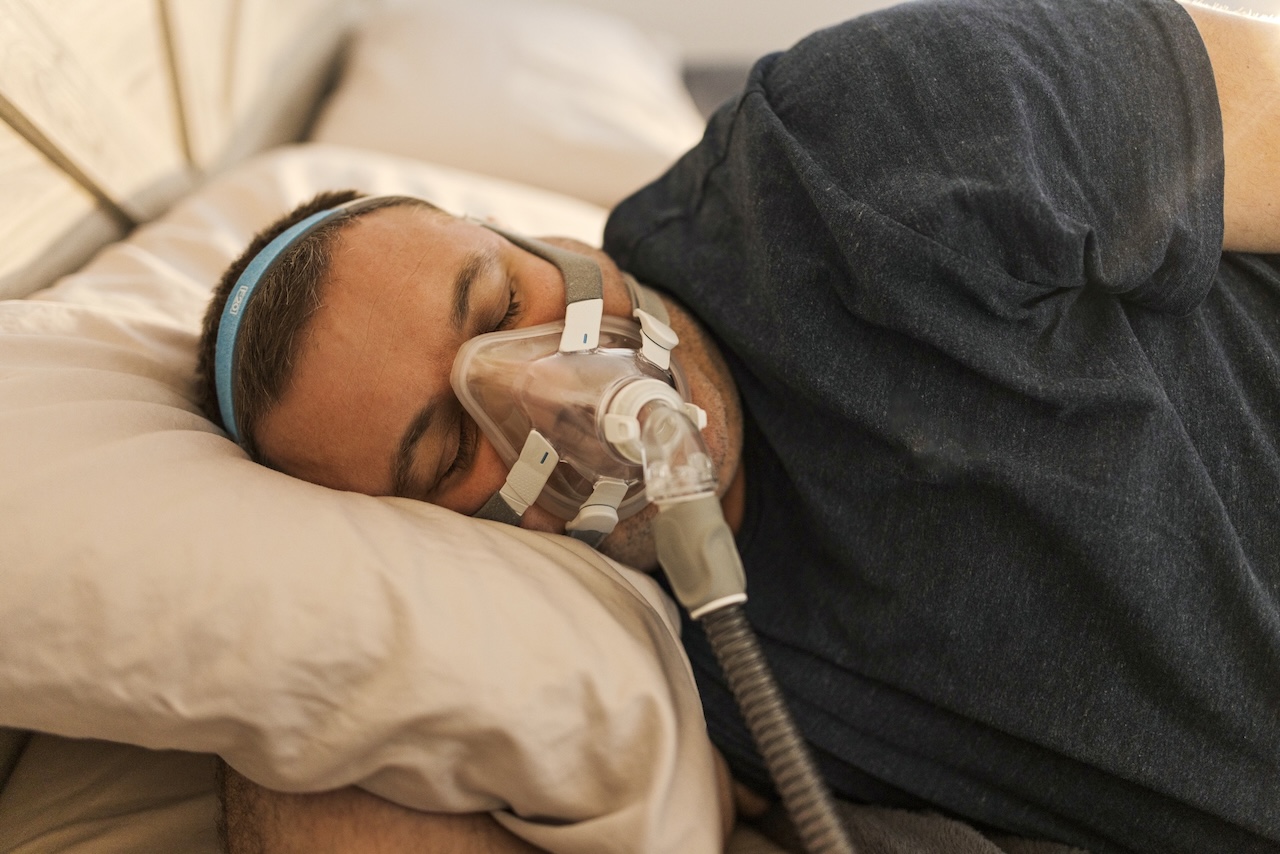


The relationship between sleep apnea and obesity can be difficult to untangle because each can make the other worse. Obstructive sleep apnea, or OSA, is the most common form of sleep apnea. OSA happens when the upper airway repeatedly becomes partially or fully blocked during sleep. These pauses in breathing can lower oxygen levels, disrupt sleep quality, and leave people feeling tired even after a full night in bed. Obesity is one of the strongest known risk factors for OSA, but the connection goes both ways: poor sleep from sleep apnea may also make weight management harder over time.
Understanding how sleep apnea and obesity interact can make it easier to see why this combination matters. It isn't just about snoring or feeling groggy. OSA is linked to broader cardiometabolic concerns, including high blood pressure, insulin resistance, and higher cardiovascular risk, especially when it goes undiagnosed or untreated. When obesity is also present, those risks may be amplified.
What is obstructive sleep apnea (OSA)?
Obstructive sleep apnea is a sleep-related breathing disorder in which the muscles and soft tissues of the throat relax enough during sleep to narrow or block the airway. When that happens, breathing may pause briefly or become very shallow until the body partially wakes to reopen the airway. This cycle can repeat many times throughout the night, fragmenting sleep even if the person does not remember waking up.
Common signs of OSA can include:
- Loud or frequent snoring
- Gasping or choking during sleep
- Waking up with a dry mouth or headache
- Excessive daytime sleepiness
- Trouble concentrating
- Irritability or low energy
Sometimes, OSA goes undetected. That's a part of why it's so important to understand the overlap between sleep apnea and obesity: both conditions can influence overall health in ways that are not always obvious right away.
Does obesity cause sleep apnea?
Obesity is one of the strongest risk factors for developing OSA, but it doesn't automatically cause the condition. Age, sex, family history, smoking, alcohol use, craniofacial structure, and certain anatomical features can also affect risk. That being said, excess body weight (especially around the neck and upper body) plays a major role in many cases.
In people with obesity, fat deposits around the upper airway can make that airway narrower and more likely to collapse during sleep. Obesity can also reduce lung volume and change how the body controls airway muscles, making breathing more vulnerable to repeated obstruction at night. This is one reason researchers consistently describe obesity as a major driver of OA risk and severity.
Research shows a strong overlap. In a recent individual-participant meta-analysis of community-based groups, about 74% of adults with obesity had at least some degree of OSA, while OSA prevalence increased in general across higher weight categories.
Risk factors that can make sleep apnea more dangerous
While body weight is a major risk factor for sleep apnea, it's not the only one. Several physical and lifestyle factors can increase the likelihood of OSA or make it more severe.
One important example is neck circumference. A larger neck can reflect more soft tissue around the airway, which may increase the chance of collapse during sleep. Older clinical guidance has often flagged neck circumference of about 17 inches or more in men and 16 inches or more in women as a higher-risk marker. Some research suggests that neck size may even be more useful than BMI when screening for OSA risk.
Other factors that can increase the risk or severity of OSA include:
- Older age
- Sex (men are more likely to develop OSA than women)
- Recent weight gain
- Smoking
- Heavy alcohol use
- Sedentary lifestyle
- Structural airway differences, such as a smaller jaw or narrower upper airway
How sleep apnea can contribute to weight gain
The relationship between sleep apnea and obesity is not one-directional. OSA can also make weight management harder, creating a cycle that becomes difficult to break.
Since OSA repeatedly disrupts sleep, it often leads to poor sleep quality and shorter periods of restorative sleep. That can affect energy levels, mood, physical activity, and appetite regulation. Chronic sleep disruption has been linked to changes in hormones involved in hunger and fullness, including leptin and ghrelin, which may make it easier to overeat and harder to feel satisfied. OSA is also associated with daytime fatigue, which can reduce motivation for exercise and make healthy routines harder to maintain.
The cycle: how sleep apnea and obesity reinforce each other
For people who have both OSA and obesity, the two conditions often perpetuate one another. Excess body weight increases the chance that the airway narrows or collapses during sleep. OSA then disrupts sleep and lowers sleep quality, which can worsen fatigue, appetite regulation, and daily activity patterns. Those changes may make weight gain or weight retention more likely. Additional weight can then further increase OSA risk or severity.
How Evidation can support healthy sleep
Healthy sleep can be difficult to prioritize, especially when issues like weight changes, fatigue, or disrupted breathing begin to overlap. Since sleep and metabolic health are so closely related, tracking everyday patterns makes it easier to notice connections over time. Evidation supports healthy sleep by helping you engage with your health data and better understand how behaviors like sleep, activity, and other daily routines fit into the bigger picture of overall wellness. Click here to learn more about Evidation and get started today.