

Treat SIBO at home: natural & herbal remedies
Learn what causes small intestinal bacterial overgrowth (SIBO) as well as natural remedies you can use to alleviate SIBO symptoms.
Small intestinal bacterial overgrowth — commonly referred to as SIBO — is a condition that can significantly impact your quality of life, causing bloating, abdominal discomfort, gas, and irregular bowel movements. Fortunately, there are natural and herbal remedies that you can use at home to help manage your symptoms and promote healing. Here, we'll explore what SIBO is, which herbs and supplements may help, the role of intermittent fasting in SIBO healing, and when it's time to talk to a doctor about your symptoms.
What is SIBO?
SIBO occurs when bacteria that normally live in the large intestine start to grow in the small intestine, where they don't belong. This overgrowth interferes with digestion and nutrient absorption, and can cause symptoms like:
- Abdominal bloating and pain
- Excessive gas
- Diarrhea and/or constipation
- Fatigue
- Nutrient deficiencies
SIBO can develop due to several factors, including low stomach acid, slow gut motility, prior abdominal surgery, or the chronic use of certain medications (like protein pump inhibitors, commonly prescribed to treat acid reflux). While conventional treatments often involve antibiotics like rifaximin, many people explore natural remedies either as an alternative or complementary approach.
Herbs and supplements that can help with SIBO
If you're looking for ways to naturally manage SIBO, you've got options. Several natural antimicrobial herbs and gut health supplements have shown promise in helping people living with SIBO manage their symptoms and find relief. Of course, it's important to always talk with your doctor before introducing new supplements into your routine.
Berberine
Berberine is found in plants like goldenseal and Oregon grape, and can be taken in capsule form. Berberine has antimicrobial properties that can target the bacteria contributing to SIBO. It may also help with blood sugar and gut inflammation.
Oregano oil
Praised for its strong antibacterial and antifungal effects, oregano oil is used frequently in SIBO protocols. If you and your doctor decide that oregano oil is a good fit for you, it's important to take it in capsule form to ensure that it doesn't irritate your stomach.
Neem
Also known as margosa, extract from the leaves of the neem tree offer antimicrobial properties that can help to reduce the amount of harmful bacteria in the gut. It's important that you don't take neem if you're pregnant or may become pregnant, as it can prevent pregnancy or cause a miscarriage.
Garlic extract
Also known as allicin, garlic extract is especially helpful for people living with methane-dominant SIBO. Be sure to pay close attention to how well you tolerate garlic extract. While it can work wonders for some people with SIBO, it can exacerbate symptoms for others.
Probiotics
Previous SIBO protocols recommended that probiotics be avoided, but new research shows that some probiotic strains — specifically Saccharomyces boulardii and Lactobacillus plantarum — may help balance the gut and provide symptom relief.
Digestive enzymes and HCl
Low stomach acid and poor digestion can contribute to SIBO. Betaine HCl and digestive enzyme supplements can support the breakdown of food and can reduce fermentation in the small intestine.
The power of fasting
Fasting can give the digestive system a break, which can support the "migrating motor complex," or MMC. This natural process helps to sweep bacteria out of the small intestine. Disruption of this process is a common cause of SIBO.
Intermittent fasting
Also known as IF, intermittent fasting provides symptom relief to many people with SIBO. Intermittent fasting involves eating all of your meals within a certain timeframe (for example, within an 8 to 10-hour period each day). Practicing IF can give the MMC enough time to clear the small intestine between fasting periods. It can take some time to figure out what type of intermittent fasting window is the right fit for your needs.
Meal spacing
If you are unable to practice IF, providing your digestive system with a few hours of rest between meals can help to reduce SIBO symptoms. Going four to five hours without eating between meals (without snacking in between) can also support proper MMC function. You may also find that meal spacing can be a good stepping stone in helping you work your way toward intermittent fasting, allowing your body and mind to get used to going several hours without eating.
When to see a doctor
Natural remedies may help to provide some symptom relief, but they're not always enough. Sometimes, it's important to reach out to your doctor for additional help with SIBO symptoms.
Reach out to your doctor if you notice:
- Symptoms that are severe or aren't getting better with natural remedies
- Unintentional weight loss
- Signs of malnutrition or dehydration
- Symptoms of other digestive health conditions, like IBS, Crohn's disease, or Celiac disease
Your healthcare provider can perform a simple breath test to confirm SIBO. They'll also work with you to evaluate your overall health and develop a treatment plan that can combine natural and medical approaches to support your long-term healing.
If you're having trouble making adjustments to your diet to support SIBO healing, your doctor may recommend that you work with a registered dietitian (RD). They'll be able to talk with you about your eating habits, helping you make the behavioral changes required to support gut health. Your RD may work with you to get out of the habit of snacking between meals, which can lead to increased SIBO symptoms for some.
Using Evidation's tools to support SIBO healing
Understanding what foods and supplements alleviate and exacerbate your symptoms is key to treating SIBO and other digestive issues naturally. Evidation can help. When you download our free app, you'll be prompted to share the health information that you're already tracking (for example, information from your nutrition tracker). We'll use the information that you provide to find patterns and trends. From there, you'll receive personalized, content-based insights that you can use to take the steps necessary to drive your health forward. Click here to learn more about Evidation and get started on your journey today.

Migraines vs. headaches: What's the difference?
What is the difference between a headache and a migraine?
Most of us have experienced a headache at some point. Whether it's a dull ache after a long, stressful day or a throbbing pain from staring at a screen for too long, headaches are common. If you have a headache that feels more intense than normal, lasts longer, and comes with other symptoms like nausea or light sensitivity, it might be something more than a typical headache — it could be a migraine. While both headaches and migraines involve head pain, they're not the same thing. Here, we'll explore the differences between headaches and migraines to help you understand your symptoms, find relief, and make informed decisions about your health.
What's the difference between migraines and headaches?
At a glance, a headache might just seem like a migraine's milder cousin, but the two actually come from very different mechanisms within the brain. A headache is a general term. It refers to pain in the head, neck, or scalp area. Headaches can be mild to severe, and can last anywhere from a few minutes to a few hours. Headaches can be triggered by stress, dehydration, muscle tension, sinus pressure, or lack of sleep. Often, people with headaches are able to find relief with over-the-counter pain relievers.
Migraines, on the other hand, are an often-chronic neurological condition. They don't just involve head pain — they also include symptoms like nausea, vomiting, light and sound sensitivity, and visual disturbances called auras. Migraines are usually more intense and longer-lasting than standard headaches, and can seriously interfere with daily functioning. Often, migraine pain requires more than a quick fix solution. People who experience migraines may need prescription medication, lifestyle changes, or long-term strategies to find relief.
Common headache types and their characteristics
Not all headaches feel the same, and they don't all have the same cause. These are some of the most common types of headaches:
- Tension headaches: These are the most common type of headache and feel like a dull, aching pressure on both sides of the head or around the forehead. They can last from 30 minutes to several hours and are often triggered by stress, anxiety, or muscle tension. People who have tension headaches can also experience tightness in the neck and shoulders.
- Cluster headaches: These are less common than tension headaches, but still incredibly painful. They occur in cyclical patterns or clusters, often striking around the same time each day for weeks or even months. The pain associated with cluster headaches is sharp and stabbing, and is often felt around one eye. The pain may be accompanied by redness, tearing, or nasal congestion on the affected side.
- Sinus headaches: Caused by inflammation in the sinus cavities, these headaches often occur with a sinus infection. They bring pressure and pain in the forehead, cheeks, and around the nose. You might also notice a feeling of fullness in your face, as well as congestion and/or a fever.
- Exertion headaches: These types of headaches occur after intense physical activity, like running or working out. While exertion headaches can be intense, they're typically short-lived.
- Caffeine-related headaches: Consuming too much caffeine or suddenly cutting caffeine out altogether can lead to headaches. Caffeine headaches are typically dull and throbbing, and may show up behind the eyes or at the temples.
Recognizing migraine symptoms and phases
Migraines are more than just headaches. They come in phases, and affect many systems in the body.
Migraine phases typically include:
- Prodrome stage: This can start a day or two before the migraine hits. You might feel unusually tired, irritable, or crave certain foods. You may also notice neck stiffness, frequent yawning, or difficulty concentrating.
- Aura stage: More than 25% of migraine sufferers experience a condition called aura. This can include visual disturbances like flashing lights, zigzag lines, blind spots, or seeing shimmering shapes. Others might feel tingling in the hands or face, hear strange sounds, or have trouble speaking.
- Attack: This is the headache phase, and can last from a few hours to several days. The pain is often on one side of the head and may pulse or throb. You might also experience nausea, vomiting, sensitivity to light, sound, and even smells. Movement tends to make the pain worse, and lying down in a dark, quiet room may be the only relief.
- Postdrome: As the migraine pain fades, many people go through a recovery phase which may include fatigue, confusion, moodiness, dizziness, or generally feeling unwell. It can take a day or more to get back to normal.
What makes someone prone to migraines
Migraines often run in families, suggesting a strong genetic component — if your parent or sibling has migraines, your risk is higher. But it's not just about genes — environmental and lifestyle factors also play a big role.
Common migraine triggers include:
- Hormonal changes: Many people experience hormones related to hormonal changes, such as those experienced during the menstrual cycle, pregnancy, or menopause.
- Diet: Certain foods and drinks, like aged cheese, processed meats, red wine, or artificial sweeteners, can set off a migraine.
- Sleep: Too much or too little sleep, an irregular sleep schedule, or poor sleep quality may trigger migraines for some people.
- Stress: Emotional stress (or even the let-down period following high levels of stress) can be a major migraine trigger.
- Sensory overload: Bright lights, loud sounds, and strong smells can all set off migraines.
- Weather changes: Barometric pressure changes before a storm, heat waves, and even high humidity can all influence migraine activity.
Migraine tips
If you're dealing with migraines, there's no single fix — but small changes can make a big difference.
Try these strategies to help manage migraines:
- Keep a migraine diary. Tracking when your migraines occur, what you ate, how you slept, and how stressed you felt can help identify patterns and triggers.
- Stick to a routine. Aim for consistency in sleep, meals, hydration, and physical activity.
- Manage stress. Try yoga, meditation, breathing exercises, or simple walks outside. Even five minutes of mindful breathing can lower stress hormones.
- Be mindful of your diet. Watch out for common food triggers like MSG, nitrates, caffeine, and alcohol. If you suspect a food is setting you off, try an elimination diet (talk to your doctor first).
- Work with a healthcare provider. There are prescription medications that can help. Anti-seizure drugs, Botox, triptane, and CGRP inhibitors may all help your symptoms.
- Avoid over-medicating. Using over-the-counter pain relievers too often can actually cause rebound headaches. If you're taking them more than two or three times a week, it's time to talk to your provider about other options.
Using Evidation's MigraineSmart tool to understand your migraine patterns
Tracking your migraines used to mean jotting down notes in a journal or trying to remember patterns from memory — but that's not always reliable or convenient. That's where Evidation's MigraineSmart tool can help. MigraineSmart lets you log symptoms, track triggers, and record how well treatment works — all in one place. It also utilizes the other information you provide to Evidation (like information about your activity, sleep, hydration, and nutrition) to find patterns that can help lessen migraine attacks and symptoms. Click here to learn more and get started with Evidation and MigraineSmart today.

Use these apps to track & understand migraine triggers
Learn more about migraine triggers and how you can use technology to help you track and reduce factors that cause migraines.
Migraines are more than just headaches — they're complex neurological events that can be debilitating and unpredictable. Understanding what causes them is key to managing their impact. Triggers vary from person to person, but patterns often emerge with careful tracking. Identifying and avoiding individual triggers can help to reduce the frequency and intensity of migraine attacks. Here, we'll explore different migraine triggers, including foods, environmental triggers, hormonal influences, stress, allergies, and more.
Understanding migraine triggers
Some migraine triggers — like bright lights and skipped meals — are obvious, but others are more subtle and can build up over time. Triggers can be acute (like experiencing a migraine after being around a certain scent), or they can build up over time (like a migraine that comes after weeks of life stressors). The good news: being aware of your migraine triggers can make it easier to prevent attacks, and digital tools can help you avoid allergens, foods, and other migraine-triggering issues.
Dietary triggers: what foods can trigger migraines
Food and drink are among the most commonly reported migraine triggers. For some, even a small amount of a certain ingredient can lead to an attack.
Some of the most common food-related migraine culprits include:
- Aged cheese: Cheeses like blue cheese, cheddar, and Parmesan contain tyramine, a naturally occurring compound that's linked to migraines.
- Cured or processed meats: Nitrates and nitrites, often used as preservatives in meats like bacon, hot dogs, and deli meats, can cause blood vessel dilation in the brain, potentially triggering migraines.
- Alcohol: Beer and red wine are common migraine triggers. Any type of alcohol, however, can disrupt sleep, dehydrate the body, and affect blood vessels, potentially increasing the likelihood of migraines.
- Caffeine: While a small amount of caffeine can sometimes help relieve a migraine, excessive intake (or suddenly lowering or stopping your caffeine intake) may provoke a migraine.
- Chocolate: Chocolate contains both phenylethylamine and caffeine, which may trigger migraines in some people.
- Artificial sweeteners: Aspartame is a well-known migraine trigger in some people. Sucralose (Splenda) may also trigger migraines in certain people.
- MSG (monosodium glutamate): Often found in package foods and some restaurant meals, MSG can lead to headaches in some people.
Keeping a food diary on paper or using an app (like MyFitnessPal) can help to pinpoint specific foods that trigger your migraines. It's not always about cutting out entire categories. Sometimes, it's about moderating intake or avoiding certain combinations.
Environmental and sensory triggers
Your surroundings can influence migraine onset more than you might expect. Sensory input — what you see, smell, or hear — can directly affect the brain's processing pathways and sometimes provoke an attack.
- Light sensitivity: Bright lights, florescent lights, flickering screens, and glare can all act as migraine triggers, especially for people with photosensitivity. This is especially true in environments with poor lighting or excessive contrast.
- Sound sensitivity: Loud noises, concerts, and chaotic environments may overwhelm the nervous system and trigger a migraine. In many cases, it's not just the volume but also the unpredictability or frequency of sound that can cause issues.
- Strong scents: Perfumes, cigarette smoke, gasoline, and cleaning products can cause migraines in people with a heightened sense of smell. This type of trigger can be especially difficult to avoid when you spend time in public spaces.
- Weather changes: Sudden changes in barometric pressure, humidity, or temperature can also influence migraine onset. These environmental changes affect some people's blood vessels and fluid balance in the brain, triggering pain or aura.
- Screen exposure: Prolonged screen time without breaks, poor posture, or inadequate lighting while using screens may contribute to eye strain and tension headaches that can eventually evolve into migraines.
Strategies to reduce exposure include wearing blue-light filtering glasses, using fragrance-free products, and adjusting screen brightness in the evenings.
Hormonal influences on migraine onset
Hormonal changes are a migraine trigger for many people, especially women. Estrogen, in particular, plays a significant role in modulating brain chemicals that influence pain. Fluctuations in estrogen levels are often tied to migraine episodes.
- Menstrual migraines: These migraines typically occur in the two days before or after menstruation begins, when estrogen drops. They can be more severe, longer-lasting, and less responsive to treatment than other migraine types.
- Pregnancy: Some women experience a reduction in migraines during pregnancy — especially in the second and third trimesters — while others may find that pregnancy causes their migraines to worsen.
- Birth control and hormone replacement therapy: Hormonal medications can either stabilize or aggravate migraine patterns. Combined oral contraceptives, in particular, may trigger migraines in susceptible individuals.
- Menopause: Migraine frequency may increase during perimenopause due to fluctuating hormone levels but often decreases after menopause, when hormone levels stabilize.
Apps that can help track menstrual cycles (like Ovia) can help you notice whether your migraines may be tied to hormonal fluctuations.
Stress and emotional triggers
Stress is one of the most common and complex migraine triggers. Emotional tension affects the brain's neurotransmitters and can lead to physical responses, such as muscle tension and inflammation. Chronic stress also alters pain perception and can make the nervous system more sensitive to other triggers.
Stress-related migraine triggers include:
- Work or school deadlines
- Family conflicts
- Financial pressures
- Major life changes
- Unprocessed emotional trauma
"Let-down" migraines often occur after a period of stress, such as the weekend after a hard week or a vacation after a stressful period. Stress management tools like meditation, breathing exercises, therapy, and consistent routines can help.
Allergy-related migraine triggers
There is a growing recognition of the link between allergies and migraines. Allergens (substances that trigger allergic reactions) may cause inflammation, which can lead to headaches and migraines.
Common allergens include:
- Pollen
- Dust mites
- Mold
- Animal dander
- Food sensitivities (like gluten or dairy)
Apps that can help you track triggers
Using an app can help you keep track of migraine patterns and triggers. Evidation connects with other apps — like the ones you use to track your nutrition and fitness — to provide you with insight into how one health-related behavior affects another. We use the information you choose to share to provide you with personalized, content-based insights that help to drive your health forward. Evidation's MigraineSmart tool can help you identify issues that may make you more susceptible to migraines, allowing you to take the steps necessary to lower the frequency and severity of migraine attacks. Click here to learn more about Evidation and MigraineSmart and get started today.

Types of GLP-1s for weight loss: Ozempic vs. Wegovy vs. Mounjaro vs. Zepbound
Explore the differences between types of GLP-1 medications, including Wegovy, Ozempic, Mounjaro, and Zepbound.
If you've been researching medications to support weight loss, you've likely come across Ozempic, Wegovy, Mounjaro, and Zepbound. These medications are part of a growing class of drugs called GLP-1 receptor agonists. These drugs have gained massive attention from both the medical community and the public due to their effects on health, weight, and wellness.
Here, we'll break down how these medications work, what makes them different, and how to navigate which of these drugs (if any) might be a good fit for your needs.
Understanding GLP-1 receptor agonists
GLP-1 stands for glucagon-like peptide-1, a naturally occurring hormone that helps your body regulate blood sugar levels and appetite. When you eat, GLP-1 stimulates insulin secretion, slows gastric emptying (how quickly food leaves your stomach) and increases feelings of fullness.
GLP-1 receptor agonists mimic this naturally occurring hormone, helping people with type 2 diabetes manage blood glucose levels. Some of these drugs are also used to support weight loss by decreasing appetite and supporting healthy metabolic function. While these medications are not insulin, they can help people with insulin resistance or metabolic dysfunction gain better control over the ways their body responds to food and sugar.
How GLP-1s differ: short-acting vs. long-acting
GLP-1 receptor agonists can be classified as short- or long-acting, depending on how long they stay active in the body. Short-acting GLP-1s, like Adlyxin, require daily dosing and are used to stop post-meal blood sugar spikes. Long-acting GLP-1s like Ozempic, Wegovy, Mounjaro, and Zepbound, are dosed less frequently and help control overall blood sugar and weight by supporting steady hormone levels. For most people, long-acting GLP-1s are more convenient because they offer sustained effects.
Ozempic vs. Wegovy vs. Mounjaro: what's in a name?
These name-brand medications are often confused. While they may have the same end effect — weight loss — they're not exactly the same thing.
Here are the basic facts you need to know if you're considering Ozempic, Wegovy, Mounjaro, or Zepbound:
- Ozempic (semaglutide): This medication is approved for the treatment of type 2 diabetes and to lower the risk of major cardiovascular events in adults with both diabetes and heart disease.
- Wegovy (semaglutide): This medication is approved exclusively for weight management in people with obesity or overweight who have at least one weight-related condition (like high blood pressure, high cholesterol, or type 2 diabetes).
- Mounjaro (tirzepatide): This is a newer medication that mimics not only GLP-1, but also GIP (glucose-independent Insulinotropic polypeptide), another hormone involved in regulating appetite and insulin. It's approved for the treatment of type 2 diabetes.
- Zepbound (tirzepatide): This injectable medication also mimics both GLP-1 and GIP, but like Wegovy, is approved for weight management for people who have at least one weight-related health condition.
More than diabetes: weight loss and cardiovascular benefits
The success of GLP-1 medications goes beyond blood sugar management. Clinical trials have shown that semaglutide and tirzepatide produce substantial weight loss, often exceeding 15% of total body weight when combined with lifestyle changes, including nutritional changes and exercise.
The heart health benefits of these medications are also significant. In 2023, a clinical trial showed that semaglutide significantly reduced the risk of major cardiovascular events, like heart attacks and strokes, in overweight adults (including people who did not have diabetes).
Medications like Wegovy are valuable tools in treating obesity as a chronic disease, not just as a cosmetic concern. These drugs have the potential to improve metabolic health, reduce inflammation, and lower cardiovascular risk, helping healthcare providers reshape how they treat a wide variety of chronic illnesses.
Emerging therapies: dual receptor agonists and oral formulations
The next generation of GLP-1 medications has already arrived. Mounjaro and Zepbound act as dual agonists, as they activates both GLP-1 and GIP receptors. This dual action appears to produce greater weight loss and improved insulin sensitivity compared to medications that only contain GLP-1.
For those who are uncomfortable with injections, oral semaglutide (brand name Rybelsus) is also an option. While it requires daily dosing and must be taken under specific conditions (on an empty stomach, followed by no eating for at least 30 minutes), it's an alternative for people who aren't comfortable with needles.
Researchers are also in the process of developing triple agonists and other combinations to increase the effectiveness of this class of medications. As these medications continue to improve, it's expected that they'll become more effective at helping people achieve weight loss, improve lipid profiles, and enhance energy use.
Are weight loss drugs safe? Side effects and safety considerations
For most people, GLP-1s are well-tolerated. If your doctor prescribes a GLP-1 medication, they may recommend that you start out with a smaller dose. If the dose is well-tolerated, your doctor may increase your dose over time to boost your results. Side effects may include fatigue, loss of appetite, constipation, diarrhea, nausea, and/or vomiting, and are typically dose-dependent and more common during your first few weeks on the medication.
There are some additional, more serious health risks associated with GLP-1 medications, including thyroid c-cell tumors, kidney problems, gallbladder issues, and pancreatitis. Some people, including those who have a family history of certain cancers and certain metabolic disorders, are likely not good candidates for GLP-1 medications.
Choosing the right glp-1 for individual needs
Your doctor will work with you to help you determine whether GLP-1 medications may be the right fit for your needs. Together, you'll consider your goals (such as whether you're focusing on diabetes management or weight loss), your insurance coverage, your medical history, and your lifestyle preferences (including whether you're comfortable with needles) to decide what medication will be the best fit for your needs.
How Evidation can support your journey to a healthy weight
If you're considering a GLP-1 medication, or you're already taking one, tracking your habits and your progress is key to continued success. When you download Evidation, you'll be prompted to connect the apps you're already using to track your health-related behaviors. We'll use the information you share to find patterns and trends, and you'll get personalized, content-based insights that help you move your health forward. Click here to start using Evidation to support your weight loss journey.
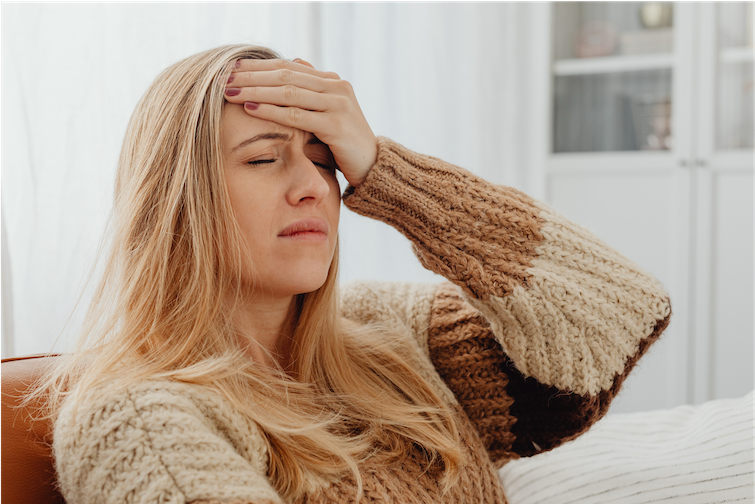
The connection between hormones and migraine headaches: understanding the link
Discover how hormones like estrogen, testosterone, and cortisol influence migraine in all genders, as well as how treatments and tracking systems can help control symptoms.
Hormones play a significant role in a wide variety of bodily functions, including how we experience pain. For people who suffer from migraines, understanding the relationship between hormones and migraine headache symptoms can be a game-changer. While hormones like estrogen, testosterone, and cortisol are often associated with specific biological sexes, fluctuations in these hormones can affect migraine risk in people of all genders. Understanding how your endocrine (hormone) system works — and what throws it off balance — can help people who suffer from migraine decrease the severity and frequency of symptoms.
Here, we'll explore how hormones can influence migraines, including how hormonal medications can affect migraines, and review both natural and medical strategies that can help balance hormones. We'll also talk about how Evidation's MigraineSmart tool can help you track your migraine symptoms, helping you to understand and avoid triggers.
How hormones influence migraine in all genders
Hormonal fluctuations are major drivers of migraines, particularly for those who experience regular hormonal changes due to menstrual cycles, pregnancy, perimenopause, menopause, or gender-affirming treatments. Hormones don't only affect women or people assigned female at birth (AFAB). Everyone produces estrogen, testosterone, and cortisol, and imbalances can trigger headaches and/or migraine in anyone. People assigned male at birth (AMAB) can also experience migraines related to testosterone dips or elevated cortisol levels, especially if they're experiencing high levels of stress or dealing with certain hormonal disorders.
Estrogen, testosterone, and cortisol: key players in the development of migraine
Even slight fluctuations in major hormones — including estrogen, testosterone, and cortisol — can trigger migraine attacks for some.
Estrogen
Estrogen's role in the development of migraine is well-studied. The hormone regulates serotonin, a neurotransmitter that plays a central role in migraine. When estrogen levels drop — such as before menstruation, during perimenopause, or after childbirth — serotonin levels also decline, increasing the likelihood of a migraine attack.
This is why many women report migraines just before getting their period. During perimenopause and menopause, estrogen levels can fluctuate unpredictably, making it difficult to pinpoint migraine triggers. Some women find that they experience relief from migraines during pregnancy due to maintaining higher levels of estrogen while pregnant, only to have them return after they give birth.
Testosterone
Testosterone has been shown to have a protective effect against migraines. It appears to reduce a brain event called cortical spreading depression that is thought to precede the onset of migraine pain. Testosterone may also support stable neurotransmitter levels. AMAB individuals with low testosterone may have higher migraine frequency, and AFAB individuals with an imbalance of testosterone and estrogen may be more likely to experience migraine.
Cortisol
Known as the "stress hormone," cortisol is linked to migraine. Chronic stress can lead to cortisol dysregulation.
Abnormally high or low levels of cortisol in both AFAB and AMAB individuals may cause:
- Disrupted sleep
- Fatigue
- Increased inflammation
- Increased nervous system sensitivity
- Increased migraine frequency or severity
Hormonal medications and their impact on headaches
Many people take medications that influence hormone levels, sometimes for birth control, hormone replacement therapy (HRT), or gender-affirming care. These medications can either alleviate or exacerbate migraine depending on their formulation and the individual's hormonal sensitivity.
Hormonal birth control
For many AFAB individuals, oral contraceptives — known as birth control or simply "the pill" — stabilize estrogen levels and reduce hormonal fluctuations, which may lead to fewer menstrual-cycle-related migraines. Others may find that the synthetic estrogen in birth control pills triggers migraines or increases their severity. Migraine with aura (neurological symptoms that can cause visual, sensory, verbal, and motor symptoms) is an especially concerning issue for those taking birth control that contains estrogen, as both migraine with aura and estrogen-containing birth control can increase the risk of stroke.
Hormone replacement therapy (HRT)
HRT can be used to treat menopause symptoms or as a part of gender-affirming treatment, but may be problematic for people who experience migraine. Some people receiving HRT may find that it alleviates the severity or frequency of their migraine symptoms, while others may find the opposite to be true.
Other medications
Corticosteroids and other hormonal treatments can also influence the frequency or severity of migraine. If you take prescription medication and experience migraine headaches, it's important to talk with your doctor about whether the two could be related and how to manage your symptoms.
Hormone testing and diagnosis
If you suspect that hormones may be to blame for your migraines, hormone testing can help.
Hormone testing can measure levels of:
- Estrogen
- Progesterone
- Cortisol
- Thyroid hormones
Testing is typically done through blood, saliva, or urine, and may be recommended by your family doctor, a neurologist, endocrinologist, or reproductive specialist. Your care provider might also ask you to track migraine episodes alongside your menstrual cycle, stress levels, or hormone therapy to look for patterns and identify potential triggers.
Natural and medical strategies to balance hormones
Addressing hormonal imbalance may reduce migraine frequency or severity. Your healthcare provider may recommend a number of strategies, including lifestyle changes, supplements, and medications tailored to your individual needs.
Natural approaches
Holistic methods your doctor may recommend to balance hormones include:
- Stress-reduction techniques: Yoga, meditation, therapy, and breathing exercises can all help your body regulate cortisol levels.
- Diet and nutrition: Eating a balanced diet with plenty of fiber, omega-3 fatty acids, and hormone-supportive nutrients like magnesium and vitamin B6 can promote balanced hormonal health.
- Sleep: Consistent, high-quality sleep supports balanced cortisol and melatonin levels.
- Exercise: Regular movement helps to improve insulin sensitivity and may help to regulate estrogen and testosterone levels.
Supplements
In addition to lifestyle changes, your care provider may recommend certain supplements, including:
- Magnesium
- Vitamin B2 (riboflavin)
- CoQ10
- Chasteberry
- Ashwagandha and other adaptogens
It's important to always check with your healthcare provider before starting new supplements, especially if you take prescription medications.
Medical treatments
If natural methods don't provide migraine relief, your doctor might recommend medical options, including hormonal therapy, migraine-specific medications (like CGRP inhibitors), antidepressants, or anti-seizure drugs.
Track, learn, and understand your triggers with Evidation's MigraineSmart tracking tool
Migraines are intricately tied to hormones, and tracking your symptoms can be vital for effective treatment. At Evidation, our MigraineSmart tracking tool utilizes data you collect from wearable fitness trackers (and other health data) to help you understand patterns and triggers, allowing you to take steps toward fewer migraine days. Whether you decide to fight back against migraine through natural lifestyle changes, hormone therapy, exploring and managing your triggers, we're here to help. Click here to learn more and get started with Evidation and MigraineSmart today.

Gut Dysbiosis Probiotics & Supplement Guide
Learn how gut dysbiosis supplements and the best probiotic products for dysbiosis can support gut health.
A healthy gut is essential for overall well-being, yet many people suffer from digestive issues unknowingly. Gut dysbiosis — a condition characterized by an imbalance of gut bacteria — can cause immune issues, brain fog, fatigue, bloating, and more. Left untreated, gut dysbiosis can lead to leaky gut syndrome and chronic inflammation. Fortunately, there are effective ways to support and restore gut health, including the use of targeted probiotics and gut dysbiosis supplements. Here, we'll explore what gut dysbiosis is, how to choose the best probiotics for gut dysbiosis, which supplements can help to restore your gut health, and when to seek medical advice for help with digestive issues.
What is gut dysbiosis?
The gut is home to trillions of microbes — mostly bacteria — known as the gut microbiome. These bacteria help digest food, support the immune system, and even affect your mood. Sometimes, the beneficial bacteria in the gut become outweighed by harmful bacteria, which can lead to uncomfortable and even harmful symptoms. This imbalance is known as gut dysbiosis.
While leaky gut syndrome and gut dysbiosis aren't the same thing, the two conditions are closely linked. Leaky gut syndrome can cause the intestines to become overly porous, allowing toxins and bacteria to pass into your bloodstream. Over time, this can lead to inflammation and chronic illness.
Common signs of gut dysbiosis include:
- Frequent bloating or gas
- Diarrhea or constipation
- Brain fog
- Fatigue
- Food sensitivities
- Frequent illnesses
If you're dealing with the above symptoms, your gut microbiome might be out of balance, and you may benefit from probiotics and supplements designed to restore gut health.
Choosing the best probiotic for gut dysbiosis: What to look for
When you're looking for gut health products, it's easy to feel overwhelmed. There are tons of options on store shelves, and it's hard to differentiate between what works and what doesn't.
Look for the following when looking for dysbiosis probiotics.
Multi-strain formulas
Your gut contains a wide variety of bacteria, so it only makes sense that your probiotic should, too. Effective multi-strain formulas often include Lactobacillus (protects the lining of the gut), Bifidobacterium (reduces inflammation), and Saccharomyces boulardii (fights off harmful bacteria). These bacteria are well-researched and shown to restore healthy gut balance.
Clinically tested formulas
Not all supplements are created equally. Since supplements (like probiotics) aren't regulated by the Food and Drug Administration, it's important to carefully choose products that you can trust. Look for products that have been tested in human clinical trials, have proven benefits, and have been tested by third-party labs for purity and potency.
Beyond probiotics: gut dysbiosis supplements
Probiotics are vital for healing gut dysbiosis, but they shouldn't be the only tool in your arsenal.
Consider adding these supplements to further support gut health:
- Prebiotics: Prebiotics are fibers that feed the good bacteria in your gut — think of them as fertilizer that sets your gut microbiome up for success. Common probiotics include inulin, fructooligosaccharides (FOS), and galactooligosaccharides (GOS). Many people get these from foods like onions, bananas, and garlic, but supplementing can provide you with a more targeted dose.
- Digestive enzymes: If the lining of your gut is inflamed or damaged, it might not be producing enough enzymes to break down food. This can make dysbiosis worse. Digestive enzyme supplements help support your body's ability to absorb nutrients and reduce bloating as your gut heals.
- L-glutamine: This amino acid works to help rebuild your intestinal lining, making it especially helpful for people experiencing leaky gut symptoms alongside gut dysbiosis. L-glutamine is also helpful for reducing overall inflammation in the body.
- Zinc carnosine: Many people use zinc carnosine to heal ulcers and reduce permeability in the lining of the gut.
- Herbal antimicrobials: Your healthcare provider may advise you to try natural antimicrobials, like berberine or garlic extract, if you have a specific gut health issue. It's important to only use these supplements under guidance from a healthcare professional.
When to reach out to your doctor
Supplements and probiotics can go a long way in balancing your gut health, but sometimes, it's important to reach out to a medical professional for help. Gut problems can be indicative of a deeper issue, and your doctor can help determine whether supplementation or other measures are necessary to help heal your gut.
Speak to a doctor if you experience:
- Blood in stool
- Frequent or ongoing heartburn
- Sudden abdominal pain
- Ongoing diarrhea
- Ongoing constipation
- Gut health issues that don't improve with over-the-counter treatments
Your doctor may refer you for advanced gut health testing that could involve stool analysis or small intestinal bacterial overgrowth (SIBO) breath tests to pinpoint the problem. They may also recommend prescription medications or a structured elimination diet.
Track patterns with Evidation to learn how to support gut health
Using tracking apps is a great way to learn more about your gut health, as well as identify triggers and find the diet that works best for your needs. At Evidation, our free app can help you see how your health-related actions affect your overall well-being.
When you download the app, you'll connect it with the health tracking apps you're already using, such as movement and nutrition trackers, hydration apps, etc. Evidation uses this information to find patterns and insights about how certain actions affect others, providing you with helpful next steps that can drive your health journey forward. Click here to learn more about Evidation and get started with improving your gut health today.

Running with diabetes: Safety tips for a healthy workout
Stay safe while running with diabetes by eating the right foods before and after your run and checking your blood sugar at proper intervals.
For people living with diabetes, regular exercise is a key component of effective disease management. While any type of exercise can benefit people who are living with diabetes, running can be especially helpful, as it's convenient, free, and can be done anywhere. If you're considering getting started with running to help manage your diabetes, or you're a runner newly diagnosed with the condition, it's important to understand the special considerations necessary to stay safe while running with diabetes. In this article, we'll explore how running can benefit people living with diabetes, key nutrition strategies to help people with diabetes stay safe while running, proper foot care for diabetes before, during, and after exercise, and safety tips to help you stay safe while you're running.
Why is running good for diabetics?
The health benefits of running can be especially helpful for people who are living with diabetes. Aerobic activity—like running, biking, and swimming—requires your muscles to use glucose for energy. This can help lower your blood sugar levels. Over time, running can also improve the way your body responds to insulin. This may mean that regular exercise could help reduce your need for insulin, as your body could eventually need less of it to manage your blood sugar.
Some of the diabetes-specific benefits of running include:
- Improved insulin sensitivity: Over time, exercise helps your body become more efficient at absorbing and using insulin.
- Weight management: Running burns calories and supports a healthy metabolism, which can support healthy weight loss or maintenance, which can contribute to the reduction of diabetes symptoms.
- Heart health: Running can help to lower the likelihood of heart disease related to diabetes.
- Mental well-being: Many people who have chronic illnesses, like diabetes, experience anxiety and depression. Running can help reduce the symptoms of mental health conditions, and can help to lower instances of stress-related behaviors that aren't conducive to overall wellness (like emotional eating).
How to eat before and after your run
Understanding pre- and post-workout nutrition for diabetics is key to helping you stay safe before, during, and after your run. What you choose to eat can directly affect your energy levels, recovery, and blood sugar balance. While the guidelines here are applicable to most people who have diabetes and are starting a running program, it's important to talk with your doctor about the best way for you to manage your nutrition before, during, and after exercise.
Before your run
Enjoying a slow-digesting carb 30 to 60 minutes before the start of your run can help you maintain stable blood sugar levels while you're exercising.
Healthy pre-run snack options include:
- Unsweetened Greek yogurt with berries
- Whole grain toast with nut butter
- Egg whites with a side of fruit
These foods release glucose into the bloodstream gradually and can help you avoid sharp increases or decreases in blood sugar over the course of your run. Small snacks will typically provide you with plenty of fuel for a short run, but you may need a more substantial meal a few hours before the start of your run if you're completing a more intense workout.
After your run
The body is most sensitive to insulin absorption after exercise, meaning it can absorb glucose and glycogen stores more efficiently. This is a great time to refuel with a meal that includes both carbohydrates and protein to support muscle recovery and blood sugar balance.
A good rule of thumb to follow is a 3:1 ratio of carbs to protein after a workout.
Examples of effective post-run meals include:
- Brown rice with tofu and stir-fried greens
- A sandwich with turkey and hummus on whole grain bread
- Grilled chicken with sweet potatoes and a side of veggies
If your blood sugar is low after your run, include a fast-acting carb like fruit juice to bring it up before eating a full meal.
Protecting your feet
Foot care is vital for people with diabetes, especially when engaging in high-impact activities like running. Diabetes can lead to poor circulation and nerve damage, increasing the risk of foot injuries and infections.
Follow these tips to take care of your feet as a diabetic runner:
- Choose the right shoes. Invest in well-cushioned, supportive running shoes with a wide toe box. Consider visiting a specialty running store for a fitting.
- Check your feet daily. Look for blisters, cuts, redness, or signs of infection, especially after a run.
- Wear moisture-wicking socks. Moisture-wicking socks can help to keep your feet dry and reduce the risk of blisters and fungal infections. Compression socks may also be helpful—ask your doctor if they're a good fit for you during exercise.
How often you should check blood sugar
Monitoring your blood sugar before, during, and after exercise can help you stay safe while working out. Everyone's blood sugar response to exercise is different, so it's important to understand your body's patterns.
Before your run
Check your blood sugar 15 to 30 minutes before your run. If it's below 100 mg/DL, you may need a small snack. If it's above 250 mg/DL with ketones present, wait until it lowers to exercise.
During your run
If your run is less than an hour long, you probably won't need to check your blood sugar levels. If you're running for more than an hour, check your blood sugar halfway through your run.
After your run
Check your blood sugar immediately after your run, and again a few hours later.
Paying attention to patterns in your blood sugar readings before, during, and after exercise can help you refine your routine so that you can feel your best during exercise.
Warning signs to stop running
While running has many benefits, it's important to listen to your body and recognize when you need a break. If you notice dizziness, lightheadedness, sudden fatigue or weakness, shakiness, excessive sweating unrelated to your activity level, numbness in the hands or feet, blurred vision, or nausea, it's important to stop, check your blood sugar, and take action if necessary.
It's also important to give your body time to recover between runs. Enjoying lighter workouts like yoga, Pilates, or walking on your off-days can give your body the time it needs to prepare for your next run.
Health is a lifelong journey, and we'll be here with you every step of the way.
At Evidation, our team is here to help you hit your health goals, one after another. Whether you're just getting started on your health journey or you've been working to become your healthiest self for years, we're here to support you and celebrate you as you check health achievements off of your to-do list.
When you download the Evidation app, you'll be prompted to share the health information you're already tracking (for example, data from nutrition tracking apps, wearable fitness tracker data, etc.). You're fully in control of what data you choose to share, and you can choose to stop sharing your data at any time. We'll use the information you choose to share with our team to find patterns and trends that you may not notice when your information is separated. We'll use the patterns we find to choose personalized, content-based information for you that can help you continue to drive your health forward. Click here to learn more about the Evidation app and get started today.

Swimming with arthritis: Top benefits and expert tips
Learn more about how swimming can help ease arthritis symptoms both in and out of the pool.
Arthritis—a term that refers to a broad range of conditions related to joint inflammation—can affect people of all ages, genders, and medical backgrounds. While arthritis is most common among older adults, young adults—and even children—can experience certain forms of arthritis. Many people find that swimming can help to lessen the pain associated with arthritis. Here, we'll explore more about the condition, how exercise can help to ease arthritis symptoms, and a few safety tips to keep in mind if you've been diagnosed with arthritis and are interested in hitting the pool.
What is arthritis?
Arthritis involves the swelling and tenderness of a joint, or of multiple joints. The most common symptoms of arthritis are stiffness, joint pain, and a decreased range of motion. Many people who experience the condition find that it gets worse as they get older.
Types of arthritis
There are several different types of arthritis, including:
- Gout: This common form of arthritis can affect anyone of any age. Gout is characterized by severe joint pain attacks, and most commonly affects the big toe.
- Osteoarthritis: Most people who have arthritis experience osteoarthritis. This condition occurs when the cartilage that usually protects the ends of the bones wears down over time.
- Psoriatic arthritis: This type of arthritis is associated with the skin condition psoriasis, and can cause joint inflammation and additional skin symptoms.
- Rheumatoid arthritis: This chronic autoimmune condition most commonly affects the wrists and fingers, causing painful, swollen, stiff joints.
- Ankylosing spondylitis: Causing inflammation in certain parts of the spine, ankylosing spondylitis can cause the formation of bony bridges between vertebrae.
Exercise and arthritis
Participating in frequent, healthy movement is one of the most effective ways to ease arthritis symptoms. While it may seem counterintuitive that more movement can help joint pain, regular exercise strengthens the muscles around the joints, which can lead to a reduction of symptoms over time.
Some types of exercise tend to be better for people with arthritis than others, says Dr. W. Zach Smith, Founder of HIDEF Physical Therapy.
"Swimming is great for arthritis in that it is a low-impact way to get moving," says Dr. Smith. "Motion is lotion for arthritis and being able to do something with less pain that gets the joints moving will help to circulate the lubrication in the joint (synovial fluid), which makes the joints feel good. I love to prescribe swimming for my patients with really painful ankles, knees, and hips."
Swimming can also help when it comes to achieving and maintaining a healthy weight. This can be helpful for people who are overweight or have obesity and are living with arthritis, as carrying excess weight can place additional strain on inflamed joints, exacerbating arthritis symptoms.
Arthritis can help to support symptom reduction for people with a variety of types of arthritis. For people with osteoarthritis, movement in water can help to slow the progression of the condition, as it can both improve joint mobility and build strength. People who have psoriatic arthritis often notice that their symptoms are triggered by stress, and swimming can help to reduce stress and lessen the frequency of symptom-heavy days. For people who experience gout, swimming can help to reduce the frequency of attacks by helping with weight management and supporting heart health.
Safety first: Tips to keep in mind when swimming with arthritis
It's important to prioritize your safety when you're exercising with arthritis. Talking to your doctor and/or personal trainer can help you understand when it's time to push yourself and when it's time to take it easy.
Follow these safety tips to stay safe while exercising with arthritis:
- Start slow. If you've been living with arthritis for a while, it's possible that you may have a lower level of fitness than you did in your earlier years. Take your time as you get to know your current fitness level, and err on the side of caution. Start with a few minutes of activity at a time. While it's normal to have some soreness when you start exercising, you should not notice a major increase in pain or other arthritis symptoms in the days following your workouts.
- Stay in safe swimming environments. It can take time to build up your endurance, so it's a good idea to start swimming in a pool with a lifeguard. If you build up your endurance so that you're able to tackle open-water swims, exercise caution, and consider heading to the beach or lake with a friend.
- Adaptation is key. You might find that exercise you once loved feels different, and that's OK. It can take some time to find the type of exercise that's the right fit for you. If you're unsure of how to proceed, talk with your doctor, personal trainer, or physical therapist for tips on workouts that can support your health.
We're here to help you through every stage of your fitness journey
No matter where you're at in your health journey, we're here to help. At Evidation, we can help put the health data you're already tracking to good use. When you download our free app, we'll ask you if you'd like to share any of the health data you're already tracking (like data from a wearable fitness tracker, for example). We'll use the data you choose to share to offer personalized, content-based insights that can help you take the right next steps in your health journey. Bonus: when you share your data with Evidation, you'll earn points that you can use for gift cards, charitable donations, or cash. Click here to learn more about Evidation and get started today.

Nattokinase & vitamin K for lower blood pressure & heart health
Learn how including natto, a Japanese dish made of fermented soybeans, in your diet may support your cardiovascular health.
Natto—a traditional Japanese dish made from fermented soybeans—is known for its distinct texture, smell, and potential health benefits. The dish is a staple of Japanese cuisine. Natto contains high levels of protein, the enzyme nattokinase, vitamin C, manganese, and vitamin k2. The fermentation process also offers probiotics, which can help to support digestive health. Some people who are working to improve their cardiovascular and/or neurological health have heard about the potential benefits of including nattokinase and vitamin k2 in their diet by incorporating natto into their nutrition plans.
Here, we'll learn more about natto, the potential benefits of including nattokinase and vitamin k2 in a heart-healthy diet, the connection between natto and brain health, and why it's important to talk with your doctor before changing your diet.
What is natto?
Salty, earthy, and slightly bitter, some people can't get enough natto—while others are put-off by the intense smell. The distinctive Japanese dish is created by soaking soybeans, steaming them, and then fermenting them with a bacterium called Bacillus subtilis var. natto.
In Japan, many people eat natto over rice for breakfast, and it's often used as a topping for sushi or noodles at other times in the day. While you can make natto on your own, you can also find the dish in the Asian foods sections of many grocery stores, as well as in health food stores. If you struggle with the taste or consistency of natto, many fans of the dish recommend mixing it with rice, quinoa, or other grains. Topping natto with mustard or soy sauce can help to offset the strong taste and smell, making it more palatable as you get used to the unique aromas and flavors of the dish.
What is nattokinase?
Nattokinase is an enzyme derived from the bacteria used to ferment natto. We talked to Dr. Matthew Segar, a cardiologist at Texas Heart Institute, about the benefits of including natto in a heart-healthy diet. "One of its effects is to help dissolve clots," he said. Dr. Segar said that the enzyme is a fibrinolytic, meaning it breaks down fibrin—a protein involved in blood clotting.
When fibrin is broken down in the blood, it can help to keep the blood thin, which may help protect against conditions related to blood clots, including heart attack and stroke. Some people take nattokinase for high blood pressure and high cholesterol, but research has yet to prove that the enzyme is helpful for either of these conditions.
What is vitamin k2?
This fat-soluble vitamin works to help the body regulate calcium, making it vital for maintaining both strong bones and cardiovascular health. Also known as menaquinone, vitamin k2 helps calcium go where it's needed in the body—to the bones and teeth—and away from areas where calcification can do harm, such as in the arteries. People who don't get enough vitamin k2 may be at higher risk for osteoporosis and cardiovascular issues. In addition to fermented foods like natto, vitamin k2 can also be found in many animal products, including egg yolks, butter, and dark meat chicken.
Where can you find nattokinase and vitamin k2 together?
Natto is the best way to get vitamin k2 and nattokinase together from whole food sources. If eating natto isn't an option, it's a good idea to explore supplementation. There are many supplements available that combine nattokinase and vitamin k2 into a single softgel.
How nattokinase and vitamin k2 can support heart health
Dr. Segar said that nattokinase and vitamin k2 can work together to protect cardiovascular health. "Nattokinase may improve blood flow and clot prevention, while k2 may reduce arterial stiffness and calcification," he said. While nattokinase works to thin out the blood and lessen the likelihood of clotting issues, vitamin k2 works to create clear pathways, allowing blood to flow freely throughout the body. Together, both components work to support a healthy cardiovascular system.
Alzheimer's, nattokinase, and vitamin k2
In addition to supporting cardiovascular health, there is some evidence that nattokinase and vitamin k2 may help to protect the brain against conditions like Alzheimer's disease. According to Dr. Segar, "There are some studies which suggest nattokinase might help with reducing amyloid plaques in the brain, which are commonly seen in Alzheimer's disease."
Recent studies have shown that vitamin k2 can also support neurological health. A 2025 study found a potential link between vitamin k2's ability to mitigate arterial calcification and its ability to stunt cognitive impairment in older adults. Research also shows that vitamin k2 may play a role in regulating circadian rhythms, potentially making it easier for you to get the healthy sleep necessary to support neurological health.
Why talking to your doctor before using nattokinase and vitamin k2 matters
Dr. Segar recommends talking to your doctor if you're considering taking nattokinase and/or vitamin k2 supplements, or if you're planning on adding natto to your diet.
"The most important thing if you're considering taking these supplements is to first discuss it with your physician," Dr. Segar said. "The supplement may interact with medications, especially anticoagulants, or may be contraindicated in certain medical conditions."
We're here to support every step of your health journey.
Whether you're researching "nattokinase blood pressure," are just starting to prioritize heart health, or you've been on a health journey for years, Evidation is here to provide you with the insights and information you need to keep moving forward. When you download our free app, you'll be prompted to share the health data you're already tracking (your privacy is extremely important to us, and you can choose to stop sharing your data with us at any time). We'll take the information you choose to share with us to find patterns and insights that we'll use to offer you personalized, content-based suggestions that you can use to continue taking your health to the next level. Click here to learn more about how Evidation works and download the app today.