

Blog
Understanding the triggers behind psoriasis and eczema flares
Learn what defines a psoriasis or eczema flare and how immune activity, skin barrier function, and environmental factors may influence symptoms.
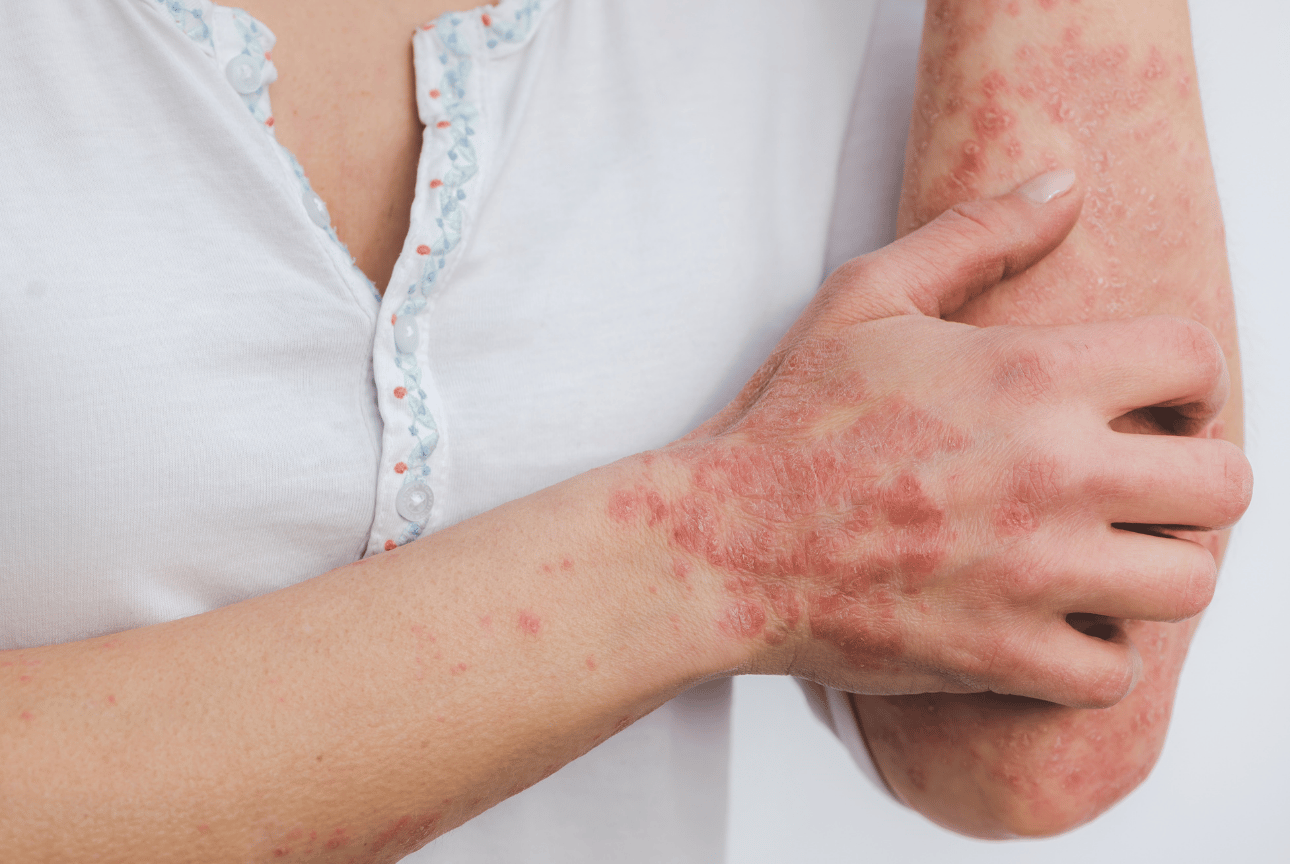
Psoriasis and eczema are chronic inflammatory skin conditions that often follow a cycle of periods of relative stability interrupted by symptom flare-ups. During a flare, symptoms such as redness, itching, dryness, scaling, or irritation may become more noticeable or severe than usual. While psoriasis and eczema are distinct conditions, both involve complex interactions between the immune system, the skin barrier, and environmental factors.
Researchers continue to study why flares occur and why certain triggers seem to affect some people more than others. Although there is no single explanation for every flare, growing evidence suggests that immune activation, skin barrier dysfunction, and external exposures all play important roles.
What defines a flare?
A flare refers to a temporary worsening of symptoms in a chronic condition. For people with psoriasis or eczema, a flare may involve increased itching, more extensive skin involvement, greater discomfort, or changes in the appearance of affected areas.
The timing and severity of flares can vary considerably. Some people experience occasional flare-ups triggered by specific circumstances, while others may notice a more unpredictable pattern. Researchers believe these fluctuations occur because the underlying inflammatory processes driving these conditions can become more active at certain times.
Immune activation and skin inflammation
Both psoriasis and eczema involve abnormal immune responses that contribute to skin inflammation, though the biological pathways differ between the two conditions. In psoriasis, immune cells trigger rapid skin cell growth and inflammation, leading to the development of thick, scaly plaques. Researchers have identified several inflammatory signaling pathways that contribute to disease activity and flare development.
Eczema, also known as atopic dermatitis, is associated with immune system dysregulation that contributes to chronic inflammation, itching, and skin irritation. Inflammatory signals can become amplified during a flare, resulting in worsening symptoms and increased skin sensitivity. Since immune activity plays such a central role in both conditions, researchers continue to investigate how internal and external factors may influence inflammatory responses and contribute to flare-ups.
Environmental and psychological associations
A variety of environmental and physiological factors have been associated with psoriasis and eczema flares. While triggers differ from person to person, several patterns have emerged in research. For eczema, common triggers may include dry air, irritants such as soaps or fragrances, allergens, infections, and emotional stress. Changes in temperature or humidity can also affect symptom severity.
Psoriasis flares have been associated with factors such as skin injuries, infections, psychological stress, certain medications, and lifestyle-related factors. Researchers have also explored how broader health conditions and systemic inflammation may influence disease activity.
Importantly, the presence of a trigger does not guarantee a flare. Instead, many experts believe flare-ups occur when multiple biological and environmental factors interact at the same time.
The role of the skin barrier
The skin barrier serves as the body's first line of defense against environmental exposures, irritants, allergens, and moisture loss. Growing research suggests that skin barrier function plays an important role in both eczema and psoriasis.
In eczema, defects in the skin barrier can allow moisture to escape while making the skin more vulnerable to irritants and allergens. This can contribute to inflammation and increase the likelihood of flare-ups. Although psoriasis is primarily driven by immune dysfunction, researchers have also identified abnormalities in the skin barrier function that may contribute to disease activity. When the skin barrier becomes compromised, inflammation can worsen and symptoms may become more difficult to control.
As researchers continue to learn more about autoimmune and inflammatory conditions, it has become increasingly clear that psoriasis and eczema flares are influenced by a combination of immune activity, skin barrier health, and environmental exposures. Understanding these factors may help provide a broader picture of why symptoms sometimes worsen and how researchers are working to better understand these chronic conditions.
How Evidation can provide insight and support your health
If you're living with psoriasis, eczema, or other chronic conditions, it can be tough to pinpoint your triggers and manage your health. Evidation can help. When you download the Evidation app, you'll be prompted to share the health information you're already tracking. With your permission, we'll use the information you share with us to find patterns, helping you learn more about how you can support your health while managing chronic conditions. Click here to learn more about how Evidation works and get started today.

Data Privacy Day: How to protect your data
Did you know that there are easy steps you can take to protect your privacy in today’s digital world? Check out these tips to help keep your data safe.
Let's shine the light on privacy in celebration of International Data Privacy Day!
Data Privacy Day has been celebrated in Europe on January 28th since 2006, when it was established to commemorate the January 28, 1981 signing of Convention 108, the first legally binding international treaty dealing with individual privacy and data protection. The U.S. and Canada started celebrating the day in 2008.
More recently, and given the prevalence of data in our increasingly digital world, Privacy Day has been extended to a full week. The National Cyber Security Alliance (NCSA) has set the theme for Data Privacy Week 2023 to be part of its global online safety, security, and privacy campaign called ‘STOP. THINK. CONNECT.’ You can learn more about the NCSA's Data Privacy Week initiative here.
Evidation's commitment to data privacy is a cornerstone of our business and reputation. As part of that commitment, we will not share your health information without your permission. We also make sure you have the tools you need to exercise control over your data. Our Privacy Notice can give you more insight into our privacy principles and how we collect, handle, and protect your personal information and data.
Recently, a number of states have enacted new consumer privacy laws intended to ensure that individuals are able to protect their privacy and the data they share with companies. These laws require companies to (among other things) inform individuals about the personal data they collect, why they collect it, how and with whom they share the data, and to enable certain rights for individuals with respect to their own information.
While these laws can help to ensure that individuals have control over their data, the protection and privacy of your information is actually a partnership between you and the companies to which you entrust your personal information.
What you can do to keep your data and identity safe
We’re honored to be a partner on your health and wellness journey and are committed to protecting the confidentiality, integrity, and availability of your information. But it's important to recognize that, as individuals, we owe ourselves a similar commitment to our own privacy and personal information. Just like the new year is an opportunity for many folks to make changes to improve their lifestyle and health choices, Data Privacy Day can be the inspiration we each need to prioritize understanding (and exercising control over) who has our data and why, and ensuring our personal information is secure. So, be sure to take some time for yourself on this year's Data Privacy Day.
4 tips to protect your identity and data:
- Know. You are likely giving your personal data to every app, online account, platform, etc. that you join, even if it's not needed. Know what data you're allowing to be accessed, by who, and why, and consider either limiting the access or not using the app. Does your recipe app really need your geolocation? Does your music app really need access to your contacts? Likely not. If you're not sure what data you've permissioned, try looking in your settings or, if you're able, submit an access request to the company.
- Get cleaning. Get rid of apps and accounts that you're not using or no longer need. This can include reward programs (like at grocery or retail stores). As part of this clean up, (if you're able) submit a deletion request.
- Control. Check and update your privacy and security settings. Most apps and accounts allow you to do this in “settings” either in the app or on your device. And be sure to check your internet browser and "cookie" settings as well. You can find additional information about managing cookies here.
- Secure it. Here's how you can better secure your information:
- Use strong, unique passwords and consider a password manager.
- Turn on multi-factor / two-factor authentication whenever possible.
- Don't be hooked - be able to spot and avoid phishing attempts (including via text or phone).
- Freeze or put blocks on your credit (as well as those of your dependents), and consider credit monitoring services.
- Manage your "cookies" on your internet browsers and on webpages.
- Know what other tools your mobile devices or other services offer that can provide additional privacy or security options (e.g., on iOS, gmail and others you can "hide" your name and email address)
And remember to celebrate your favorite privacy professionals and enthusiasts on January 28th.

Community Results: Daily Mood and Sleep Quality Check-Ins
Curious to see how the holidays affected Evidation Members’ mood and sleep quality? What’s the connection between step count and mood? Check out our latest community results post to see a summary from our Daily Check-In offers.
Last June, Evidation Members started seeing a new kind of offer in the Evidation app—the Daily Check-In. These Check-Ins provided what proved to be a much-needed opportunity to pause for a moment of reflection.
Inspired by the overwhelmingly positive response to the Daily Check-In offer, in December we created the Daily Mood and Daily Sleep Quality Check-Ins. Look familiar?
.png)
.png)
Since launch, over 4 million of these new check-ins have been completed!
Today, we’re sharing some insightful and intriguing findings based on the responses, from changes in mood during the holiday season to the connection between sleep quality and mood.
Mood and Sleep During the Holidays
Perhaps it’s no surprise that the festive spirit has a positive impact on our mood, but Christmas Day (December 25th) proved to be the day with the highest mood reported since we launched the Daily Mood Check-In on December 7th.
More specifically, on Christmas Day:
- 31% of people reported they were in an excellent mood, which is 8% higher than the average.
- 78% of people reported they were in a good or excellent mood, which is over 6% higher than the average.
Christmas wasn’t the only holiday where we saw a spike in good cheer. People also reported better moods than average on New Year’s Eve. 74% of people reported they were in a good or excellent mood, which is over 2% higher than the average.
What about sleep? It appears people had better sleep quality than usual on the first night of 2023. 77% reported good or very good sleep that night, which is over 3% higher than the average.
Perhaps after staying up until midnight (or later) the night before, members needed a chance to catch up on some much-needed sleep. We can’t be sure, but let’s call it a reasonable hunch!
In Other Sleep News…
Since launching the Daily Sleep Quality Check-In, we’ve found that Evidation Members generally report good sleep quality. 74% report good or very good sleep, to be exact.
Our last Community Results post shared which days of the week people felt best. But which day of the week comes out on top when it comes to sleep quality?
Based on the Daily Sleep Quality Check-In, we’ve found members report:
- The highest sleep quality on Friday nights, with 76% of members reporting good or very good sleep quality.
- The lowest sleep quality on Monday nights, with 73% of members reporting good or very good sleep quality.
You may be wondering about the connection between sleep quality and the amount of sleep members get. Fortunately, since many of our Evidation Members have a connected app such as Fitbit or Oura, we’re able to see if there’s a connection.
When members reported good or very good sleep, they slept an average of 7 hours and 11 minutes a night. That’s 11% more than when members reported poor or very poor sleep. See the chart below for more details.

Mood, Steps, and Sleep Quality
The results are in, and we see an undeniable connection between more steps and an improved mood.
Since launching the Daily Mood Check-Ins, we’ve found that Evidation Members who said they were in an excellent mood walked an average of 8,600 steps a day. That’s 19% more than members who said they were in a bad mood.
When it comes to mood and sleep quality, 96% of members reported they were in a good or excellent mood on days following a night of very good sleep.

Stay tuned for our next round of findings in the coming weeks, and don’t forget to fill out your Daily Mood and Daily Sleep Quality Check-Ins to participate and contribute!
.avif)
Boost your mental health this winter with these tips
As the short days and long nights of winter progress, our body and mind can be more susceptible to increased stress responses and even seasonal depression. Here are some suggestions on ways to boost your mental health and thrive this winter.
As the short days and long nights of winter progress, our body and mind can be more susceptible to increased stress responses and even seasonal depression. So it’s important to take care of yourself; not only physically, but mentally this season. That’s easier said than done, but taking the following tips into consideration can help boost your mental health this winter.
Enjoy the outdoors when you can
You’d be amazed how spending some time outdoors each day can help mentally. Mental health self-care is especially important this time of year when the days are often gloomy. Take advantage of sunny days by going outside—bundle up and brave the cold if need be. Going for a walk every morning can drastically reduce stress and change your mood overall.
If there’s snow nearby, many people take on winter activities like skiing, snowboarding, and snowshoeing—all of which are great ways to increase your daily exercise and improve your mental health. Consider joining a club that meets weekly for outdoor activities to help motivate you to get outside and move.
Have you heard of the healing power of nature? It’s real. Research shows immersing yourself in nature gives both short and long-term mental health benefits. Make going outside a daily priority and you’ll feel improvements in your mood in no time.
Create a safe space
When you’re done enjoying the outdoors, it’s nice to come home to a cozy spot to relax. Having a safe space in your home, somewhere away from other people, noises, and distractions can be great for your well-being.
Consider creating a calm space for yourself in a spare room you may have, or make a corner of a room your own. If you own your home, you might evaluate whether you’d like to do a renovation to add more space. Although renovations are pricey, you may be able to use your home’s equity to fund a project like this.
Fill your new safe space with things you enjoy. Print your favorite pictures, write positive affirmations and hang them on the wall, add plants, and make a cozy spot to sit. If you enjoy reading you might create a small reading nook, or make space for a yoga mat where you can meditate or stretch. Once your calm space is finished, sit back, relax, and enjoy the positive effects on your mental well-being.
Spend time with friends and family
Humans rely on social support to be fulfilled. Leaning on your friends and family can even provide health benefits. Prioritize seeing friends or family you enjoy being around—you’ll find it has a positive impact on your life.
Lean on loved ones to help talk through challenges or support with daily tasks that may be hard for just one person to handle. Have a puzzle or game night, or just plan to run errands together.
While not everyone has a close relationship with their family, good friends can fill the same role. Surround yourself with friends that you can both have fun with and rely on—and who make positive life choices you respect. Friends like this can motivate you to do the same.
Prioritize exercise
Just like going outdoors, prioritizing exercise can positively boost your mental health. If you don’t love the idea of going outdoors every day, try to push yourself to do some sort of exercise indoors every day. The more you move your body the better you will feel mentally.
You don’t need a home gym to exercise inside. Yoga is a great way to get your workout in and it offers many health benefits—both physical and mental. Yoga can help alleviate stress, improve balance, and boost sleep quality. If you suffer from anxiety or depression, yoga is a great way to ease the weight of both.
If yoga isn’t your style, you can do other at-home exercises. Try following a YouTube workout video, walking up and down stairs, or lifting dumbbell weights in your living room. Pushing yourself to do any form of exercise will have a positive effect on your mind.
Final thoughts
These are just a few of the many ways you can support your mental well-being. Put a few to the test and see what works best for you this season. Winter can be a great time to reset, but it may also bring extra challenges and stressors—like the holidays or the marathon of short, cold days. Check in on yourself and make a plan to support your mental well-being to thrive all the way to spring.

6 winter eye health tips
Optical health is always important, but it’s even more crucial to focus on it during the winter season. Check out these tips to keep your eyes healthy this winter.
Winter is a fun and exciting season. Between holidays, family gatherings, and outdoor fun, it’s essential to take care of yourself and your general wellness. However, one of the most important health factors we often tend to overlook is our eye health.
Optical health is always important, but it’s even more crucial to focus on during the winter season. With colder and drier weather, our eyes can react differently and experience irritation. This can not only cause distractions but impair your vision as well.
Next time you get ready to spend an extended period of time outdoors or have a social gathering, consider these essentials to help better your eye health.
Utilize Eye Drops
Eye drops can be a lifesaver during colder weather. Unfortunately, during this time of the year, eyes can become red and dry. When your eyes experience this kind of irritation, it can be a huge inconvenience and can even cause difficulty with your vision.
Having eye drops available in your purse, pocket, or work bag can be a game changer. Especially when you factor in the irritation that your eyes can get from looking at digital screens, eye moisturizing is crucial.
Depending on the level of irritation or impairment you experience, eye drops may help. Some have extra hydrating qualities to help make the effects last longer, whereas others focus specifically on combating redness and itchiness or enhancing clarity.
Prioritize Sleep
It may sound self-explanatory, but getting a good night’s sleep is one of the best things you can do for your eye health and overall wellness in general. Many may struggle with getting enough sleep, especially during this time of year. However, it’s important to get enough rest in order to keep yourself in good health.
Maintaining a good sleep schedule is key to both maintaining and improving your health. Your eyes need just as much rest as the other parts of your body.
Being properly rested can help reduce some of the day-to-day irritations your eyes may experience. For example, eye twitching or redness can occur due to lack of sleep. Although it may be difficult during the busy winter season, your body will thank you for prioritizing rest and relaxation.
Use Anti-Fog Lens Spray
If you usually wear eyewear, you know that foggy lenses are all too common this time of year. Additionally, wearing a mask can add an additional cloudiness to your glasses. Trying to prevent your lenses from fogging up can be a challenge, but luckily there are ways to help keep your vision clear and crisp.
Anti-fog lens spray is a great item to keep on you this time of year. Whether you experience fogging from a change in temperature or from wearing a mask with your glasses, this essential can help minimize any distractions that may be caused by your lenses blurring up.
It doesn’t matter if you’re wearing eyeglasses or sunglasses, it’s important to take precautions to keep glasses from fogging if and when wearing a mask. Consider investing in an anti-fog protectant as this can benefit both your sight and extend the life of your lenses. This handy essential also helps to prevent any blurs or spots on your eyewear, ensuring that your vision is crystal clear.
Be Conscious of Pre-Existing Conditions
When you already have trouble with your vision or are visually impaired, winter can be a trying time for optimizing your eye health. With the additional dryness and irritation you can experience during this season, it's crucial to keep your eyes both healthy and hydrated.
Our eyes can often play tricks on us when they face different conditions, which is why it's important to be conscious and aware of your surroundings. Using contrasting colors to help with definition can make a huge difference in noticing and searching for objects.
Additionally, having a magnifying glass or labeling items with a larger font can be a huge help for you during this time of year. Many everyday objects often contain small and hard-to-read lettering on their labels, so having one of these solutions handy and available to use can be a lifesaver whether you're at home or in a grocery store.
Incorporate a Healthy Diet
Having a healthy diet can play a huge role in benefitting your eye health. Your eyes give you the opportunity to witness amazing things, so you want to make sure you’re taking good care of them. Luckily, there are many seasonal fruits and vegetables you can incorporate into your diet to help improve your eye health.
Foods such as carrots, salmon, and kale all have nutritious properties that benefit your eye health directly. For example, carrots contain ingredients that help boost the Vitamin A in our bodies, which positively impacts vision.
Salmon is another great option to help benefit your eye health. Many fish contain omega-3 fatty acids, which are extremely beneficial when it comes to maintaining healthy eyes.
Wash Your Hands
It’s almost impossible not to hear about the importance of keeping clean hands, especially during the winter. Unfortunately, viruses, such as the common cold and flu, are much more prevalent during this season – and it’s often hard to avoid coming in contact with someone who’s experiencing symptoms. Especially if you’re in a school, office, or public setting.
All too often, we touch the areas around our eyes—most of the time without even realizing we’re doing it. For many, it’s just a habit. However, the eyes are an entryway into the body, and germs can be transmitted simply by touching or rubbing your eyes with dirty hands.
Remember to wash your hands frequently throughout the day, especially if you’re going to touch your face. With the dry weather, you may also want to look into a nice hand lotion to pair with this ritual. This will assure your skin is clean and hydrated during the cold weather.
For many, winter is an extremely fun season, and you want to experience it in the best way possible. Although the weather may not be kind to your eye health, there are many preventative measures you can take to help.
Taking time to remember to wash your hands, rest, eat healthily, and keep extra preventative gear on hand can help make these moments much brighter and clearer for you to remember.
If you enjoyed this article, feel free to share it with your friends and family!

Evidation Year in Review: 2022
How many steps did Evidation Members log in 2022? How many points did they earn? Before we get too far down the line on our 2023 plans, it’s important to pause and reflect on what went well in the last year. Tap to see highlights of one of Evidation’s best years yet!
Whether you’re working on resolutions like doubling your average daily step count, or dreaming up epic spring break travel plans, the beginning of the new year is a great time to gear up for what’s to come.
But before we get too far down the line on our future plans, it’s important to pause and reflect on what went well in 2022. For the Evidation community, 2022 was full of exciting programs, interesting health insights, and a wide variety of opportunities to earn points for everyday actions.
For example, last year Evidation Members…
- Earned 8 billion points
- Completed 45 million offers
- Redeemed millions of dollars in rewards
What came out on top in terms of time of year, where new members hail from, and more?
We’ve analyzed the stats, and found that in 2022:
- Members were most active in May, and least active in January.
- California emerged as the state with the most new Evidation Members.
- Overall, Fitbit is the app that most members have connected to Evidation, but in 2022 more members connected Apple Health than any other app.
Speaking of connected apps, in 2022 members like you logged a total of…
- 952 billion steps. That’s like the equivalent of walking around the earth 18,000 times!
- Climbed 929 million floors. That’s like walking up the Empire State Building over 9 million times!
- 2 billion minutes of exercise
- 349 million hours of sleep
- Aside from walking, biking and swimming were the most commonly-tracked exercise activities.
- Swimming and breathwork were the fastest-growing types of tracked exercise compared to last year.
All Things New in 2022
Evidation rolled out new features and programs in 2022, including…
Personalized Insights: How did your average daily steps compare to the average for other Evidation Members in your state? What’s your sleep chronotype? In 2022 we helped you make sense of your activity data with personalized insights.
.jpeg)
Daily Check-Ins: Many of us know that our mood is easily influenced by things like sleep and exercise. However, in 2022 we took a deeper dive to see exactly how our members’ mood relates to other aspects of their day-to-day life.
We began asking members about how they felt on a daily basis with a Daily Check-In offer, and were able to share personalized insights back with members. Recently, we added in additional daily check-ins, such as the Daily Sleep Quality Check-In. Since launching our first check-in back in June, we’ve received over 15 million responses!
.png)
FluSmart: After the success of the Flu Monitoring program over the last two years, we launched year three of the program—this time with a shiny new name: FluSmart! The program looks for changes in your activity data from wearable devices, and alerts you when a change suggests you may be feeling under the weather.
.png)
Coming Up in 2023
2022 was a great year for Evidation, and we suspect 2023 will continue to bring new and exciting things for our members. Here are a few things you can look forward to in the new year on Evidation:
More Personalized Insights
Using Daily Check-Ins, connected apps, and more, we’ll continue to share new personalized insights. These insights provide an opportunity for members like you to reflect on changes to your physical and mental health, and figure out what might be causing trends in your mood, sleep, and more.
For example, maybe you figure out that your mood is best on certain days of the week, or your sleep quality is influenced by your daily step count. Whatever it may be, it’s always helpful to learn more about your everyday activity in order to improve your health!
Refreshed Homescreen: You can expect to see an improved layout and new features in the home screen this year, including:
- Easier navigation, with offer cards sorted by importance and relevance.
- An improved view into how you’ve earned your points—and how close you are to reaching your 10,000 point goal!
From everyone here at Evidation, thank you for making 2022 one of our best years yet, and cheers to 2023!
*Note: Data shared in this post represents totals from January 1, 2022 to December 21, 2022.

What Are Toxins and How Do They Impact Your Health?
Toxins are everywhere—from the air we breathe and the food we eat, to the water we drink and the products we use. Learn more about common toxins and how to protect yourself and your loved ones in our latest post.
Toxins are everywhere—from the air we breathe and the food we eat, to the water we drink and the products we use.
But what are toxins exactly? A toxin is a naturally occurring substance that can act as a poison to living things. While small doses may not trigger a reaction, large amounts or exposure over an extended period of time can be detrimental to your health.
- But what are toxins?
- How do they impact your health?
- Can you be exposed at home?
- Can you be exposed at work?
Read on to learn more about these common toxins, as well as how you can limit exposures at home and at work.
What are common toxins?
Mercury
Mercury is a naturally occurring element in the Earth's crust. In the past, mercury was mostly used in thermometers and electrical devices, but now it can be found elsewhere. Mercury is commonly found in seafood, especially swordfish, shark, and marlin among other species of fish. Why seafood? Past and current industrialization has increased the amount of naturally occurring mercury in the environment. It makes its way into soil and water sources, eventually ending up in the bodies of fish and widely eaten marine life.
Asbestos
Asbestos is a natural silicate mineral that forms tiny, long-lasting, and heat-resistant fibers. Asbestos has been used in a multitude of building materials—including ceiling and flooring tiles, roofing shingles, and insulation.
What are the main concerns with asbestos?
- Small amounts of asbestos are still used in thousands of everyday products. If a product contains less than 1% of asbestos, manufacturers do not have to disclose it on the packaging.
- Buildings and structures constructed before the 1980s are likely to still contain higher amounts of asbestos in the building materials. If the asbestos is disturbed, the fibers can become airborne and expose those in near proximity.
Lead
Lead is a soft and malleable metal also found in the Earth’s crust. It was often used in pipes, as well as paint, but most commonly used in car batteries. While banned for commercial use in 1979, industrial use of lead can still be found throughout the automotive and construction industries.
How do they impact your health?
Mercury
Toxic to humans, mercury poisoning often occurs with blood mercury levels above 100 ng/mL. Mercury is known to specifically attack the brain, kidneys, and lungs. Symptoms of this poisoning can include tremors, memory loss, body numbness, and the loss of motor functions. Another common early warning sign is a metallic taste in the mouth.
Is it curable?
Mercury can stay in your body for years, and mercury poisoning is not technically curable. There are ways to treat it, however, like chelation therapy. When the drug is injected into the body, it binds the metal in the blood and allows it to pass through the kidneys and leave the body through urine.
Asbestos
Leading up to the 1980s, asbestos’ strength and heat-resistant characteristics made it a popular additive in many household products. Although it’s known to contribute to serious and terminal health conditions like asbestosis, mesothelioma, and lung cancer, it’s still not fully banned in the United States. Signs and symptoms of these illnesses are shortness of breath, chest pains, constant cough, and fatigue.
Is it curable?
Unfortunately, the damage asbestos does to the lungs cannot be reversed or cured. The strong fibers that made asbestos so desirable are now known to cause irreparable damage when inside the lungs. The foreign fibers irritate the lung tissue causing scarring; as the scarring progresses and fibers stiffen, the lungs cannot expand and contract at a livable rate. Common treatments to combat mesothelioma and lung cancers are surgery, chemotherapy, and radiation.
Lead
High exposure to or ingestion of lead can cause a multitude of health problems, including kidney damage, brain damage, and anemia. Young children are especially susceptible to lead poisoning. In fact, 1 in 40 children under the age of 5 has unsafe blood lead levels. Signs of this can include constant irritability, developmental delays, and loss of appetite.
Is it curable?
Similar to mercury poisoning, the effects of lead poisoning are irreversible. However, there are treatments that can get the level of lead in the blood back to normal, including chelation therapy. Also, determining the source of lead and removing it from your space or routine can help limit further exposure.
Where can you be exposed at home?
Some exposures are easier to avoid than others, however, educating yourself is the first step in possible prevention.
First off, be conscious of your food choices. As we previously mentioned, certain kinds of seafood like swordfish carry high levels of mercury. Avoid eating these foods or only eat them on rare occasions to reduce the amount of mercury you're knowingly consuming.
Aside from asbestos in the materials of the home itself, you may also be bringing it home in the products you buy. For example, talc and asbestos have been known to form together while mined, and consumers claim to be unknowingly exposing themselves and their families to these toxins.
On a similar note, paint on both walls and on items can pose a threat if it contains lead. Lead paint was often used before the 1980s, and peeling or cracking of lead paint can release the toxins into the air. Although lead paint has been banned in the U.S., it’s still widely used in other countries. Both antique U.S.-made toys and toys from other countries pose the risk of lead-containing paint.
Where can you be exposed at work?
In the same way you can be exposed at home, there are certain professions that pose a higher risk of toxin exposure at work.
School
For those who work in education, it’s important to note that a stunning one-third of U.S. schools contain asbestos. Especially for schools built before 1980, there is a high chance it’s somewhere on the property. If no renovations or remodels have taken place, asbestos was likely not removed and replaced. When disturbed, exposure can come from loose tiles, disturbed drywall or insulation, or roofing shingles. Over the past few years, multiple schools have also discovered that old synthetic flooring gives off mercury vapors as it breaks down, which can contaminate an entire building.
Trades
Trade professionals in welding, auto mechanics, or construction are actually among those with the highest risk of toxic exposure. Lead pipes are still widely found across the U.S., and welders have a high risk of lead poisoning if proper protection isn’t used. Auto mechanics can be exposed to asbestos on car parts like brake pads, and construction workers likely come into contact with asbestos and lead anytime they do work on a house built before 1980.
Military
In recent years, it's been found that many military bases had toxic exposures which ultimately caused veterans to become terminally ill. From Vandenberg Air Force Base in California to Camp Lejeune Marine Corps Base in North Carolina, and hundreds in between, groundwater contamination has exposed millions of military personnel to a multitude of toxins. Many of these chemicals made their way into the groundwater through the use of toxic firefighting foams, which have now been banned in certain states. Outside of bases, concentrated amounts of lead were used in indoor firing ranges, and mercury was used in batteries and other tactical gear.
Conclusion
While toxins may not be completely avoidable, the more you know about them the better.
Be sure to educate yourself on your home, environment, and workplace. And make smart purchasing decisions to avoid any unnecessary exposures to you and your family.
Early detection is key, so if you feel you’ve been exposed to toxins or are experiencing some of the mentioned side effects, contact a medical professional right away. Building experts are also available to test for toxins around the home— to give you peace of mind and reduce future exposures.
If you found this helpful, please share it with others to help keep your neighbors and your friends safe!

COPD Awareness Month: What does life with COPD look like?
COPD is a chronic lung disease caused by long-term exposure to irritants—like smoking and pollution. Learn the signs and symptoms, how to lower your risk, and why protecting children from irritants is so important.
November is Chronic Obstructive Pulmonary Disease (COPD) awareness month. COPD is an umbrella term describing progressive lung diseases like emphysema and chronic bronchitis.
According to John Hopkins Medicine, “COPD affects more than 24 million Americans, yet many don’t even know they have it.”
In today’s article, we’ll cover:
- What COPD is
- What causes it
- Symptoms and signs
- How it’s diagnosed
- Treatment options
Read on to learn more about COPD and how to take part in COPD awareness month.
What is COPD?
COPD is a chronic lung disease caused by long-term exposure to irritants. These irritants can lead to scarring and narrowing of the airways, destruction of the alveoli, and excess mucus buildup—all of which make it difficult to breathe.
Emphysema and chronic bronchitis are the most common conditions that lead to COPD.
- Emphysema occurs when alveoli—the air sacs in the lungs—become damaged. Over time, the air sacs can rupture, creating larger air spaces instead of many small ones. This reduces the surface area of the lungs and the amount of oxygen entering the bloodstream.
- Chronic bronchitis is long-term inflammation of the bronchi. Bronchi are large air passages that send air from the windpipe (trachea) to the lungs. This inflammation causes excess mucus production, among other things.
What causes COPD?
Smoking is the leading cause of COPD in developed countries.
Worldwide, indoor air pollution—due to smoke from cooking and heating in poorly ventilated homes—causes the majority of COPD cases, particularly in developing nations.
While cigarette smoking is the major cause of COPD in the US, physicians have discovered that some people are at higher risk for COPD because they never developed completely “healthy lungs.”
Why do some people not develop healthy lungs?
Exposure to second-hand smoke or air pollution as a child or before birth can impair lung growth. Respiratory infections in childhood may also impact lung development.
This means that those exposed to irritants during their early development can be more susceptible to the toxic effects of tobacco smoke and COPD.
Symptoms
What are common symptoms associated with COPD?
Symptoms of COPD are often missed until significant lung damage has occurred. Early on in the course of the disease, people may feel out of breath during exercise and chalk it up to being out of shape. Symptoms often worsen over time, especially with continued exposure to smoke or other irritants.
Symptoms of COPD may include:
- Wheezing
- Lack of energy
- Chest tightness
- Swelling in feet, legs, or ankles
- Recurring respiratory infections
- Unintended weight loss in later stages
- Shortness of breath, especially during physical activity
- Chronic coughing that may produce mucus (sputum) that’s clear, white, yellow, or greenish
After developing COPD, exposure to smoke, allergies, or illness can lead to episodes called exacerbations. During an exacerbation, symptoms become worse, even life threatening, and may continue for several days or weeks.
How is COPD diagnosed?
Many individuals aren’t properly diagnosed until the condition is fairly advanced.
To diagnose COPD, a doctor will look for the usual signs and symptoms. They’ll also ask about medical and family history and any past exposure to lung irritants.
Afterward, there are several tests a doctor may order to diagnose the condition. Tests may include:
- CT scans to help detect emphysema and assist in determining if a patient could benefit from surgery.
- Chest X-rays to identify emphysema and rule out heart failure and other potential lung problems.
- Laboratory tests may be used to determine the cause of symptoms and rule out any other possible conditions.
- Arterial blood gas analysis, a blood test, to measure how well the lungs bring oxygen into the blood and remove carbon dioxide.
- Lung (pulmonary) function tests to measure the amount of air inhaled and exhaled and whether the lungs are delivering enough oxygen to the blood. During a spirometry test (the most common pulmonary function test), a person blows into a tube connected to a machine. The machine then measures how much air the lungs can hold, and how fast the person can blow out air from their lungs.
Treatment options
Those with mild forms of COPD may need little intervention other than quitting smoking and avoiding air pollutants.
In more advanced stages, treatment can help:
- Control symptoms
- Slow disease progression
- Improve the ability to live an active life
- Reduce the risk of complications and exacerbations
If you’re a smoker, the most important step is to quit smoking to help avoid making the condition worse.
Your doctor can suggest the right interventions and medications, and help you learn how to handle relapses. Treatments include:
- Medications: Bronchodilators and oral steroids are the most common medications. Bronchodilators help relax the muscles around the airways, which can make breathing easier by relieving coughing and shortness of breath. When COPD becomes more severe (during exacerbations), oral corticosteroids can be used to reduce inflammation and prevent worsening symptoms.
- Lung therapies: People with moderate to severe COPD may receive oxygen therapy and pulmonary rehabilitation programs (PRP). Oxygen therapy can help boost oxygen levels in the blood. Some people need oxygen therapy devices all day, while others use them only during activities or sleep. PRPs combine counseling, nutrition advice, and exercise training in an effort to reduce visits to the hospital, increase the ability to do daily activities, and improve quality of life.
- Surgery: When medications don’t provide relief, people may receive a lung volume reduction surgery, where small wedges of damaged tissue in the upper lungs are removed. For some people, this surgery can improve their quality of life and prolong survival. A complete lung transplant may be possible for people who meet certain criteria. A lung transplant can help people breathe and be active. However, it’s a major operation, and has many risks involved, including lifelong side effects of immune-suppressing medications.
How to take part during national COPD awareness month
COPD is responsible for the loss of over 150,000 people each year in the United States. Despite this, COPD is ranked 176th for research funding.
Here are three ways you can take part to help with COPD awareness:
- Educate yourself about COPD, what causes it, the symptoms and signs, and how it’s treated.
- Tell people you know about what you’ve learned to spread awareness.
- Share articles like this one on social media so others can learn about the risks and causes of COPD.

Healthy eating tips for your holiday feast
The holidays are a time for friends, family, gratitude—and food of course. By taking a mindful approach and learning a few tips, you can celebrate the holidays and still keep up with your healthy eating habits.
The holidays are a time for friends and family to come together to share gratitude and enjoy some of their favorite foods. From mashed potatoes and gravy to latkes, brisket, candied yams, or pumpkin pie—there's no shortage of meals to appreciate.
But if you're striving to eat healthier, you may find it challenging to maintain healthy eating habits through the holidays.
So how can you stay healthy over the holidays while still enjoying yourself?
In today's article, we'll share nine healthy eating tips for your holiday feast. Keep reading to learn more.
9 healthy eating tips for your holiday feast
Get enough sleep
Sleeping habits can affect the amount of food you eat, and the types of food you're drawn to. Not getting enough sleep can make it more difficult to manage blood sugar—and may increase your desire for more high-fat and high-sugar foods.
Healthy sleep also helps your body produce hormones that control appetite, specifically leptin and ghrelin.
What do these hormones do?
- Leptin regulates the body's balance of energy by regulating feelings of hunger and fat storage.
- Ghrelin, which is secreted in the stomach, acts as a counterpart of leptin—boosting appetite, growth, and fat production.
Normal and sufficient sleep keeps these hormones balanced. When you don’t get enough sleep, these hormones can become imbalanced, which can increase your appetite. This sets the stage for a higher calorie intake throughout the day.
Aim for at least 7-8 hours of sleep per night to maintain this balance and avoid overeating.
Stay active
Staying active in the days leading up to, after, and during the holidays can help keep stress levels at bay.
Research links weight gain to stress. And when stressed, your body produces the hormone cortisol. Because the brain thinks it needs energy to fight off whatever’s causing the stress, cortisol creates cravings for fatty, sugary, and salty food.
But staying active doesn't just help with stress.
Adding some additional activity to routine can be a great way to make up for the higher caloric intake throughout the holidays. Light to moderate physical activity can burn anywhere from 240 to 460 calories per hour. Some quick ways you can stay active during the holidays include:
- Going for a walk
- Dancing with family
- Getting a workout in
Don’t skip meals
Skipping breakfast to save room for the holiday dinner may be a bad idea as it can lead to a greater appetite later in the day. This puts you at risk of overeating during the holiday feast and makes it harder to manage blood sugar levels.
Unhealthy food choices are also more likely to occur when you’re hungry.
Why?
You’re more likely to mindlessly eat when you’re hungry, instead of slowing down to consider healthier food choices. When hungry, the body craves foods that also tend to be quick and easy fixes like unhealthy, sugary snacks.
Skipping meals can also cause you to:
- Gain weight
- Feel sluggish and tired
- Burn less energy (calories)
Bring healthy dishes
Whether you’re hosting or visiting, you can create healthy dishes that are still festive.
Some healthy holiday dishes ideas include:
- Green beans
- Sauteed carrots
- Sauteed kale or collard greens
- Vegetable salad
- Baked yams
- Butternut squash soup
Ideally, consume a balance of:
- Healthy protein foods (poultry, beans, and nuts). Choose options with less salt and with little to no bad fats.
- Good fats like monounsaturated and polyunsaturated fats (avocado, almonds, and pecans)
- Healthier sources of carbs (unprocessed whole grains, vegetables, and fruits). These have more nutrients than simple carbs and their higher fiber content allows them to digest more slowly.
Eating a balance of healthy proteins, carbs, and good fats is a simple way to feel satisfied, avoid overeating, and give you energy for your day.
Stay hydrated
Drinking water helps your body digest more easily by breaking down foods and helping you absorb nutrients.
Harvard suggests a daily water intake of:
- 4 to 11 cups for kids and teens 18 and under
- 13 cups for men 19 and older
- 9 cups for women 19 and older
Take a break
When you’re eating, your stomach may take a few moments to signal to the brain that it’s getting full. So it’s wise to take a break before helping yourself to seconds.
Instead of going for your second plate—try talking with family, drinking more water, or enjoying some fresh air.
Keep your distance
When at a get-together, try to stay away from the snack table if you’re prone to indulging. Staying close to food makes it easier to mindlessly eat, which can cause overeating.
Instead, try chewing a piece of gum or eating a mint—or bring your own healthy snacks to share and enjoy.
Some healthy snacks could include:
- Nuts
- Fruits
- Roasted chickpeas
- Vegetables with hummus
- Pumpkin and sunflower seeds
Try to limit calories from drinks
The holidays offer a variety of drinks—most of which are high in calories:
- Beer
- Wine
- Eggnog
- Apple cider
- Mixed drinks
One glass of eggnog can contain up to 500 calories. And one cup of apple cider has around 28 grams of sugar.
One can of beer contains up to 350 calories, and a mixed drink, like a rum and coke, contains around 185 calories. If you’re drinking alcohol, it may be best to limit your intake, not only for the high calories, but also because it can affect your decision-making, behavior, and reaction time.
Whatever you’re drinking, try alternating with glasses of water to decrease the overall amount of unhealthy drinks you consume.
Look before you eat
Before you start putting food on your plate, pause and look at everything on the table. This can help you make more proactive choices about the foods you eat. And it may help you lower the number of calories you consume during the meal.
Conclusion
The holidays are a time to celebrate family, friends, and gratitude.
It’s ok to enjoy holiday food, drinks, and desserts in moderation. And by taking a more mindful approach, you can celebrate the holidays while still maintaining your health.
We hope you learned some tips to stay healthy this holiday season amid all the tempting foods and treats being served. Consider sharing this article with friends and family and help create a healthier holiday environment for all.

Health Mythbusting: Does eating turkey really make you tired?
Eating turkey this holiday? Worried about feeling sleepy afterward? Learn why turkey may not be the cause—and steps to take to avoid feeling tired.
This holiday season, Americans will consume around 87 million turkeys.
And after they gobble down their turkey dinners, they might experience post-meal sleepiness. Often, people blame turkey as the cause.
- But does turkey actually make you tired?
- Why?
- What's in it?
- And what other factors are at play?
In today’s article, we’ll break down the health myth of whether eating turkey really makes you tired.
Why does turkey make you sleepy?
Theories say the sleepiness that comes after eating turkey is caused by an essential amino acid called L-tryptophan—or just tryptophan.
Turkey has tryptophan—but many other foods do too, including:
- Milk
- Chicken
- Egg whites
So do these meals cause drowsiness? It’s possible—but unlikely.
When tryptophan is consumed, the amino acid travels from the digestive system to the brain. There, the brain turns tryptophan into a chemical known as serotonin.
Serotonin plays many roles in the healthy function of our body. One of those roles is regulating sleep.
So does tryptophan in turkey cause drowsiness?
It can—but scientists learned that tryptophan can only make us tired if it’s ingested on its own. And just like the protein found in milk, chicken, and egg whites—the protein in turkey contains several amino acids.
For tryptophan to cross the blood-brain barrier (BBB) and produce serotonin (the hormone that regulates sleep), it first has to compete with the other amino acids in turkey. The BBB helps keep our brains safe by tightly regulating what can cross into the brain—acting like the security checkpoint at an airport. Even molecules that aren’t harmful, like tryptophan, have to compete with each other to gain access. This slows the process down and means not everything gets through.
So what does this all mean?
Turkey itself may not cause sleepiness.
Other factors that may cause fatigue
If tryptophan isn’t what’s making you sleepy after a turkey dinner, what is?
Researchers believe this drowsiness may be a result of increased blood flow to the stomach to help digest a big meal. When more blood is sent to your stomach, there’s less blood left for the brain and the rest of the body—which may lead to tiredness.
When we overeat, the digestive process takes up even more of our energy.
Research also suggests, high-fat and high-carb meals—like a turkey dinner—may produce sleepiness after eating.
High-glycemic-index (HGI) meals may also make us fall asleep faster. HGI foods, like potatoes, baked goods, and sugar-containing beverages, create a quick spike in blood sugar (blood glucose) and insulin.
When eating high-glycemic foods, it’s normal to feel a surge of energy as glucose pours into the blood. The body will then produce insulin to metabolize—or break down—the glucose. This insulin rush can deplete blood glucose within a few hours, and if it drops too suddenly, it can create feelings of exhaustion.
Another thing that can make you sleepy after consuming it? Alcohol, which is often served on festive holidays. Alcohol is a central nervous system depressant, which slows down brain activity, and can make you fall asleep faster than usual.
In short, a turkey dinner serves up plenty of ways to make you sleepy—turkey shouldn’t get all the blame.
How to avoid drowsiness after your turkey dinner
Despite all these forces working to make you sleepy this holiday, there are steps you can take to avoid feeling drowsy:
- Control your portion sizes. If you fill your plate to the brim, it’s easy to overeat. Overeating can cause your digestion system to require extra energy as it increases blood flow to the stomach—leading to feelings of drowsiness.
- Get enough sleep. If you’re already tired, it’s going to be even harder to stay awake after a big meal. Research also suggests that poor sleep increases unhealthy food choices and overeating.
- Limit your alcohol intake. By limiting or completely avoiding alcohol you can keep your brain activity in a normal state, which will help you stay awake longer after your holiday meal.
- Exercise regularly. By exercising regularly you can boost your overall energy. Exercise can help your cardiovascular system work more efficiently—improving the health of your lungs and heart.
- Create a better sleep environment. Your sleep environment plays a huge role in how rested you feel. Try reducing the light and sound in your bedroom, and keep your room temperature at a comfortable range—usually around 65 degrees Fahrenheit.
- Take your time and stop eating once you’re full. This helps the digestive process keep up—and avoid going into overdrive. This means you’ll avoid using all your energy to break down your food.
Does eating turkey really make you tired?
It’s not entirely clear if turkey itself is the main reason we experience drowsiness after a meal—or if it mistakenly gets the blame.
The amino acid tryptophan plays a role in activating brain chemicals that regulate sleep. But it may have to compete with the other amino acids in turkey that are also trying to break through the blood-brain barrier. And because it’s hard to isolate this amino acid from the other amino acids in turkey, it’s not clear how much of a role tryptophan plays on its own in post-holiday meal sleepiness.
Other factors like overeating, alcohol, and high-fat and high-carb meals may be the reason for feelings of drowsiness after a turkey meal.
In any case, there are steps you can take to avoid feeling tired.
By focusing on lifestyle and eating habits, you can avoid the unnecessary drowsiness that comes from a big turkey dinner.
If you learned anything new, be sure to stay tuned for more mythbusting articles—we still have many more to cover!