

Blog
Fatigue in autoimmune disease: What research suggests
Autoimmune disease is more than tiredness. Learn what research suggests about inflammation, energy production, mood, and why fatigue can be persistent.
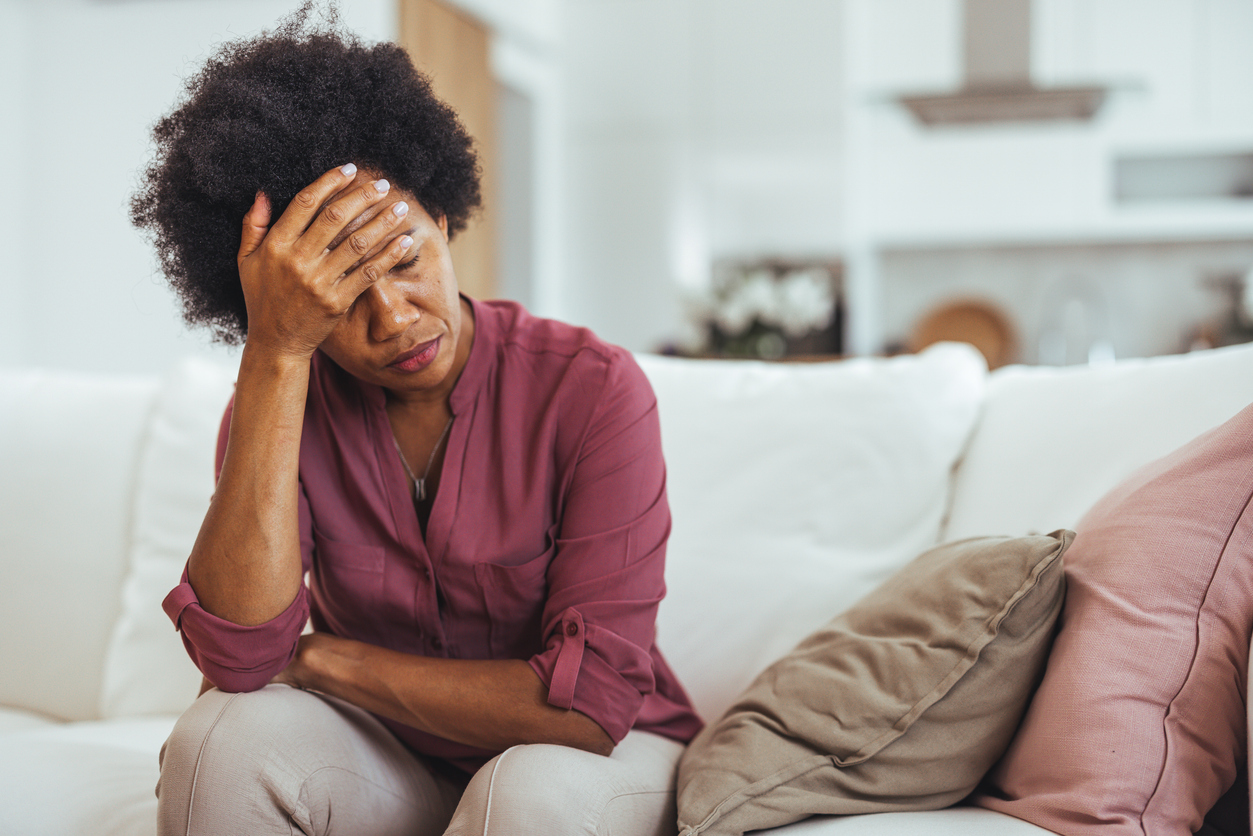
Fatigue is one of the most common and frustrating symptoms reported by people living with autoimmune diseases. Whether someone has lupus, rheumatoid arthritis, multiple sclerosis, or another autoimmune condition, fatigue often affects daily life just as much as physical symptoms.
This type of fatigue is different from simply feeling tired after a busy day. Many people describe it as overwhelming exhaustion that doesn't fully improve with rest. Research suggests that autoimmune fatigue is driven by a combination of biological and psychological factors, with inflammation playing a central role.
How common is fatigue in autoimmune disease?
Fatigue affects a large percentage of people with autoimmune diseases and is often one of the symptoms patients find most difficult to manage. In some conditions, fatigue can persist when other symptoms appear well controlled.
Researchers have increasingly recognized fatigue as a significant part of autoimmune disease rather than simply a side effect of being sick. Studies suggest it can affect physical function, work performance, social activities, and overall quality of life.
Since fatigue is subjective and difficult to measure, it has historically received less attention than visible symptoms like joint swelling and skin changes. However, growing research has highlighted its importance and the substantial impact it can have on everyday life.
The role of inflammation
One of the leading explanations for autoimmune-related fatigue involves chronic inflammation. In autoimmune diseases, the immune system mistakenly attacks healthy tissues. This process triggers the release of inflammatory proteins called cytokines, which help coordinate immune responses. While cytokines play an important role in fighting infections and healing injuries, persistent inflammation can affect many systems throughout the body.
Research suggests that inflammatory signals can influence the brain, contributing to symptoms such as fatigue, reduced motivation, difficulty concentrating, and changes in mood. This may help explain why fatigue can feel both physical and mental at the same time.
Energy production and metabolism
Inflammation may also affect how the body produces and uses energy. Scientists believe that chronic immune activation can alter normal metabolic processes, making it more difficult for cells to generate energy efficiently. Some autoimmune diseases may also affect oxygen delivery or nutrient availability, further contributing to feelings of exhaustion.
When the body is continuously directing resources toward immune activity, less energy may be available for normal daily functions. Over time, this can create a persistent sense of fatigue that isn't fully relieved by sleep.
Mood, motivation, and fatigue
Fatigue in autoimmune disease is often influenced by emotional and psychological factors as well. Living with a chronic illness can be stressful, unpredictable, and physically demanding. Depression, anxiety, chronic pain, and poor sleep are all common among people with autoimmune conditions and can worsen fatigue.
Researchers now understand that these factors are closely connected. Inflammation can influence mood, while mood and sleep disturbances can increase perceptions of fatigue. Rather than existing separately, these biological and psychological processes often reinforce one another.
Why fatigue looks different for everyone
Not everyone experiences autoimmune fatigue in the same way. Disease activity, sleep quality, pain levels, mental health, medications, physical fitness, and other health conditions can all influence fatigue severity. This helps explain why one person may experience occasional tiredness while another struggles with debilitating exhaustion.
Since fatigue is influenced by multiple factors, managing it often requires a comprehensive approach that addresses both physical and emotional health.
The bottom line
Research suggests that autoimmune fatigue is far more complex than simply feeling tired. Chronic inflammation, changes in energy metabolism, disrupted sleep, pain, mood changes, and immune system activity all appear to contribute.
Using Evidation to support your overall health
If you're living with an autoimmune condition, understanding your triggers can be a huge help. When you download Evidation, you'll be prompted to connect the health information you're already tracking. With your permission, we'll use the data you choose to share to find patterns and offer personalized, content-based insights that can help you make decisions that drive your health forward. Click here to learn more about Evidation and get started today.

3 Reasons Why Tracking Your Health Can Help You Participate in Better Health Outcomes
Here are the top three reasons why tracking your health with Evidation will help you be part of something just a little bit bigger than yourself this holiday season.
According to 2015 Pew Research, “one in three cell phone owners have used their phone to look for health information.” Four years ago, we started Evidation to help everyone understand their personal health, take control of their health journey, and help contribute to improving the health of everyone. Here are the top three reasons why tracking your health with Evidation will help you be part of something just a little bit bigger than yourself this holiday season.

1. Actively participate in your health
With the over 30+ apps that you can connect to Evidation, we’re able to look at patterns of activity levels and do a deep dive into tracking health and wellness. We’ve published research around how your social engagements can impact activity levels. Lastly, we’ve given our community a chance to learn from each other, asking communities of individuals what questions they have for one another and sharing back the results.
2. Learn about health and research through insights
With a community of over a million, we’re constantly looking for opportunities to highlight and share relevant research tailored to you. We’ve also done deep dives on seasonal trends over the last year, including a step analysis around the Pokemon Go phenomenon, the difference between men and women during Back to School, and a look across the United States at Halloween calorie count.
3. Participate in ground-breaking research to advance the health of everyone
We’re focused on building a product that makes your interactions with health unified. We believe that health is much more than a visit to the doctor. It’s a constant effort every day of how to track/monitor healthy activities — whether it be steps taken, heart rate monitored, sleep tracked, or even meditation sessions executed. Sign up for Evidation today and starting taking health-related actions, including contributing to cutting-edge clinical studies that are tailored to your specific health conditions.

Dads vs. Moms: How does the transition from summer to fall impact activity levels?
The change in seasons often brings with it a change in routine. We wanted to know how the transition from summer to fall affects our health and wellness, and we’re excited to share these insights from members.
The change in seasons often brings with it a change in routine. So we wanted to know how the transition from summer to fall affects our health and wellness, and we’re excited to share these insights from Evidation Members.
The transition to fall can be especially cumbersome for parents as they juggle back to school duties, but is one parent more impacted than the other by the changing season? We decided to take a closer look at how moms and dads health holds up during the seasonal transition. We were also curious to explore how sleep and steps between parents and non-parents compared.
Who is catching more zzzs?
We uncovered a statistically significant gender disparity between moms and dads. Moms sleep 5 minutes less in the summer than their non-mom counterparts. As the school year ramps up in late August and early September, the difference is significantly more pronounced on weekdays. Moms sleep 10 minutes less than their non-mom counterparts. Dads, on the other hand, show no consistent differences from their counterparts in summer or fall. If anything, they may sleep slightly more.
Moms are also taking a bigger hit in sleep interruption than Dads. Moms sleep 0.34% less than non-moms and 1.4% less than dads. Surprisingly though, non-dads have the most sleep interruptions, spending 8.3% of the night awake.
What time is everyone falling asleep?
Moms fall asleep 12 minutes earlier than non-moms, while dads fall asleep 24 minutes earlier than non-dads. So, while dads don’t seem to be sleeping any less if they are a parent, they appear to be shifting their sleep schedules more. Interestingly, all four groups shift their bedtimes earlier in fall, possibly due to earlier sunsets.
Who is taking more steps?
Moms take fewer steps than non-moms in general. During the summer, moms take 427 fewer steps/day on weekends and 243 fewer steps/day on weekdays. However, when the school year starts, their weekends show an even larger deficit, at 543 fewer steps/day vs non-moms. Their weekdays step counts improve markedly, though, at just 85 fewer steps/day than non-moms.
Dads show the opposite pattern. They actually take more steps than non-dads. In the summer, they have an average of 250 steps/day more than non-dads, while in the fall, they have an average of 348 steps/day more than non-dads.