

Blog
Understanding the triggers behind psoriasis and eczema flares
Learn what defines a psoriasis or eczema flare and how immune activity, skin barrier function, and environmental factors may influence symptoms.
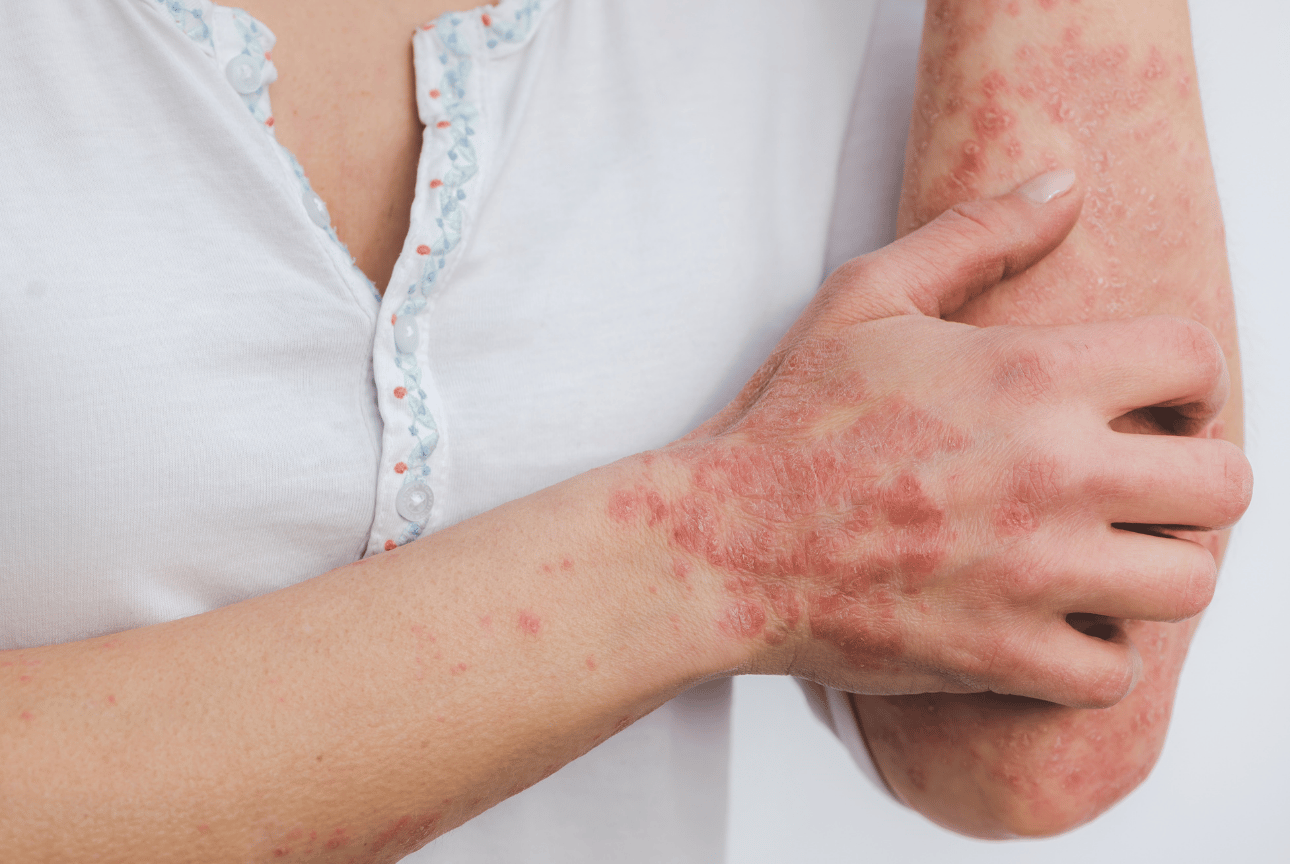
Psoriasis and eczema are chronic inflammatory skin conditions that often follow a cycle of periods of relative stability interrupted by symptom flare-ups. During a flare, symptoms such as redness, itching, dryness, scaling, or irritation may become more noticeable or severe than usual. While psoriasis and eczema are distinct conditions, both involve complex interactions between the immune system, the skin barrier, and environmental factors.
Researchers continue to study why flares occur and why certain triggers seem to affect some people more than others. Although there is no single explanation for every flare, growing evidence suggests that immune activation, skin barrier dysfunction, and external exposures all play important roles.
What defines a flare?
A flare refers to a temporary worsening of symptoms in a chronic condition. For people with psoriasis or eczema, a flare may involve increased itching, more extensive skin involvement, greater discomfort, or changes in the appearance of affected areas.
The timing and severity of flares can vary considerably. Some people experience occasional flare-ups triggered by specific circumstances, while others may notice a more unpredictable pattern. Researchers believe these fluctuations occur because the underlying inflammatory processes driving these conditions can become more active at certain times.
Immune activation and skin inflammation
Both psoriasis and eczema involve abnormal immune responses that contribute to skin inflammation, though the biological pathways differ between the two conditions. In psoriasis, immune cells trigger rapid skin cell growth and inflammation, leading to the development of thick, scaly plaques. Researchers have identified several inflammatory signaling pathways that contribute to disease activity and flare development.
Eczema, also known as atopic dermatitis, is associated with immune system dysregulation that contributes to chronic inflammation, itching, and skin irritation. Inflammatory signals can become amplified during a flare, resulting in worsening symptoms and increased skin sensitivity. Since immune activity plays such a central role in both conditions, researchers continue to investigate how internal and external factors may influence inflammatory responses and contribute to flare-ups.
Environmental and psychological associations
A variety of environmental and physiological factors have been associated with psoriasis and eczema flares. While triggers differ from person to person, several patterns have emerged in research. For eczema, common triggers may include dry air, irritants such as soaps or fragrances, allergens, infections, and emotional stress. Changes in temperature or humidity can also affect symptom severity.
Psoriasis flares have been associated with factors such as skin injuries, infections, psychological stress, certain medications, and lifestyle-related factors. Researchers have also explored how broader health conditions and systemic inflammation may influence disease activity.
Importantly, the presence of a trigger does not guarantee a flare. Instead, many experts believe flare-ups occur when multiple biological and environmental factors interact at the same time.
The role of the skin barrier
The skin barrier serves as the body's first line of defense against environmental exposures, irritants, allergens, and moisture loss. Growing research suggests that skin barrier function plays an important role in both eczema and psoriasis.
In eczema, defects in the skin barrier can allow moisture to escape while making the skin more vulnerable to irritants and allergens. This can contribute to inflammation and increase the likelihood of flare-ups. Although psoriasis is primarily driven by immune dysfunction, researchers have also identified abnormalities in the skin barrier function that may contribute to disease activity. When the skin barrier becomes compromised, inflammation can worsen and symptoms may become more difficult to control.
As researchers continue to learn more about autoimmune and inflammatory conditions, it has become increasingly clear that psoriasis and eczema flares are influenced by a combination of immune activity, skin barrier health, and environmental exposures. Understanding these factors may help provide a broader picture of why symptoms sometimes worsen and how researchers are working to better understand these chronic conditions.
How Evidation can provide insight and support your health
If you're living with psoriasis, eczema, or other chronic conditions, it can be tough to pinpoint your triggers and manage your health. Evidation can help. When you download the Evidation app, you'll be prompted to share the health information you're already tracking. With your permission, we'll use the information you share with us to find patterns, helping you learn more about how you can support your health while managing chronic conditions. Click here to learn more about how Evidation works and get started today.

Gut Dysbiosis Probiotics & Supplement Guide
Learn how gut dysbiosis supplements and the best probiotic products for dysbiosis can support gut health.
A healthy gut is essential for overall well-being, yet many people suffer from digestive issues unknowingly. Gut dysbiosis — a condition characterized by an imbalance of gut bacteria — can cause immune issues, brain fog, fatigue, bloating, and more. Left untreated, gut dysbiosis can lead to leaky gut syndrome and chronic inflammation. Fortunately, there are effective ways to support and restore gut health, including the use of targeted probiotics and gut dysbiosis supplements. Here, we'll explore what gut dysbiosis is, how to choose the best probiotics for gut dysbiosis, which supplements can help to restore your gut health, and when to seek medical advice for help with digestive issues.
What is gut dysbiosis?
The gut is home to trillions of microbes — mostly bacteria — known as the gut microbiome. These bacteria help digest food, support the immune system, and even affect your mood. Sometimes, the beneficial bacteria in the gut become outweighed by harmful bacteria, which can lead to uncomfortable and even harmful symptoms. This imbalance is known as gut dysbiosis.
While leaky gut syndrome and gut dysbiosis aren't the same thing, the two conditions are closely linked. Leaky gut syndrome can cause the intestines to become overly porous, allowing toxins and bacteria to pass into your bloodstream. Over time, this can lead to inflammation and chronic illness.
Common signs of gut dysbiosis include:
- Frequent bloating or gas
- Diarrhea or constipation
- Brain fog
- Fatigue
- Food sensitivities
- Frequent illnesses
If you're dealing with the above symptoms, your gut microbiome might be out of balance, and you may benefit from probiotics and supplements designed to restore gut health.
Choosing the best probiotic for gut dysbiosis: What to look for
When you're looking for gut health products, it's easy to feel overwhelmed. There are tons of options on store shelves, and it's hard to differentiate between what works and what doesn't.
Look for the following when looking for dysbiosis probiotics.
Multi-strain formulas
Your gut contains a wide variety of bacteria, so it only makes sense that your probiotic should, too. Effective multi-strain formulas often include Lactobacillus (protects the lining of the gut), Bifidobacterium (reduces inflammation), and Saccharomyces boulardii (fights off harmful bacteria). These bacteria are well-researched and shown to restore healthy gut balance.
Clinically tested formulas
Not all supplements are created equally. Since supplements (like probiotics) aren't regulated by the Food and Drug Administration, it's important to carefully choose products that you can trust. Look for products that have been tested in human clinical trials, have proven benefits, and have been tested by third-party labs for purity and potency.
Beyond probiotics: gut dysbiosis supplements
Probiotics are vital for healing gut dysbiosis, but they shouldn't be the only tool in your arsenal.
Consider adding these supplements to further support gut health:
- Prebiotics: Prebiotics are fibers that feed the good bacteria in your gut — think of them as fertilizer that sets your gut microbiome up for success. Common probiotics include inulin, fructooligosaccharides (FOS), and galactooligosaccharides (GOS). Many people get these from foods like onions, bananas, and garlic, but supplementing can provide you with a more targeted dose.
- Digestive enzymes: If the lining of your gut is inflamed or damaged, it might not be producing enough enzymes to break down food. This can make dysbiosis worse. Digestive enzyme supplements help support your body's ability to absorb nutrients and reduce bloating as your gut heals.
- L-glutamine: This amino acid works to help rebuild your intestinal lining, making it especially helpful for people experiencing leaky gut symptoms alongside gut dysbiosis. L-glutamine is also helpful for reducing overall inflammation in the body.
- Zinc carnosine: Many people use zinc carnosine to heal ulcers and reduce permeability in the lining of the gut.
- Herbal antimicrobials: Your healthcare provider may advise you to try natural antimicrobials, like berberine or garlic extract, if you have a specific gut health issue. It's important to only use these supplements under guidance from a healthcare professional.
When to reach out to your doctor
Supplements and probiotics can go a long way in balancing your gut health, but sometimes, it's important to reach out to a medical professional for help. Gut problems can be indicative of a deeper issue, and your doctor can help determine whether supplementation or other measures are necessary to help heal your gut.
Speak to a doctor if you experience:
- Blood in stool
- Frequent or ongoing heartburn
- Sudden abdominal pain
- Ongoing diarrhea
- Ongoing constipation
- Gut health issues that don't improve with over-the-counter treatments
Your doctor may refer you for advanced gut health testing that could involve stool analysis or small intestinal bacterial overgrowth (SIBO) breath tests to pinpoint the problem. They may also recommend prescription medications or a structured elimination diet.
Track patterns with Evidation to learn how to support gut health
Using tracking apps is a great way to learn more about your gut health, as well as identify triggers and find the diet that works best for your needs. At Evidation, our free app can help you see how your health-related actions affect your overall well-being.
When you download the app, you'll connect it with the health tracking apps you're already using, such as movement and nutrition trackers, hydration apps, etc. Evidation uses this information to find patterns and insights about how certain actions affect others, providing you with helpful next steps that can drive your health journey forward. Click here to learn more about Evidation and get started with improving your gut health today.

Stop boredom eating: strategies to prevent mindless snacking
Curious about how to stop eating when bored? Learn why boredom eating happens and tips and tricks you can use to stick to your plan.
Ever find yourself staring into the fridge when you're bored, even though you're not hungry? If so, you're not alone. While boredom eating is common, it can make it difficult to move closer to your health and fitness goals.
Here, we'll explore why boredom eating happens, the negative effects of boredom eating, and steps you can implement to help you stay on track toward feeling your best, even when you're tempted to go off-plan due to boredom.
Why does boredom eating happen?
Boredom can be an uncomfortable emotion. When we're bored, we may feel unsure of ourselves, or we may even feel that our lives lack purpose or meaning. Like many unpleasant emotions, boredom signals that we're experiencing an unmet need.
Boredom can feel empty, lonely, and leave us longing for a sense of meaning. Emotional eating offers a fast way to fill this void by providing a quick hit of feel-good chemicals alongside a sensory experience that can temporarily cure boredom.
Emotional vs. physical hunger: What's the difference?
In order to put a stop to boredom eating, it's key to understand when it's happening. Physical and emotional hunger can easily be confused. Boredom eating is a type of emotional eating.
Physical hunger comes from a genuine need for energy. Typically, physical hunger occurs gradually, and can be quelled with any type of food. Eating in response to genuine physical hunger typically leaves you feeling energized and satisfied.
Emotional hunger, on the other hand, can be triggered by a variety of emotions, including sadness, boredom, and stress. Many people experience cravings for comfort foods (including sugary and salty snacks) when they experience emotional hunger.
Negative effects of boredom eating
Boredom-related eating can leave you feeling less than your best, especially if you end up overeating. Understanding the potential consequences of boredom eating may help you move away from emotional eating.
Some of the negative effects of boredom eating can include:
- Mental health issues: Often, emotional eating involves consuming foods that are highly processed. Eating highly processed foods frequently can lead to increased inflammation and physical/mental stress, which may harm mental health. Relying on food to eliminate feelings of boredom may also stop you from developing the coping mechanisms you need to healthily deal with stress.
- Obesity and overweight: Research shows that engaging in emotional eating habits can lead to weight gain and may eventually lead to becoming overweight or obese.
- Diabetes: Overconsumption of high-sugar and/or high-fat foods during periods of boredom eating can increase the likelihood of type 2 diabetes. Boredom eating can also cause health issues for those who have type 1 diabetes.
Tips to stop boredom eating
Small lifestyle changes can make a big difference when it comes to stopping boredom eating. Try these tips to reduce boredom and develop healthier ways of dealing with uncomfortable emotions.
- Pause before eating. If you find that you regularly deal with emotional eating urges, taking a moment to pause before eating can make a major difference in your choices. Simply ask yourself whether you're physically hungry or emotionally hungry. This doesn't mean that you can't eat emotionally, however, it does make you aware of what's happening and may guide you to make choices conducive to your goals.
- Practice meditation. We get it—it's odd to think that spending a few minutes doing absolutely nothing could be a cure for boredom. Mindfulness can help you to de-stress, refocus, and align your thoughts with the next task at hand. While meditation can work in the moment when you're dealing with boredom eating, practicing meditation and mindfulness regularly can help to lessen the likelihood that you'll experience emotional eating urges in the first place.
- Socialize. Spending time with friends and family can help you feel engaged in your life. Even spending a few minutes on the phone with a friend may help curb the urge to eat out of boredom. If you feel comfortable, talking to a friend or family member about struggles with emotional eating may help to lessen the urge to eat when you're not physically hungry.
- Exercise. When you engage in physical activity, you're able to quickly get feel-good chemicals flowing, which may be enough to help you refocus. If you're short on time, even a quick walk around the block can be enough to help you get focused.
- Stick to a routine. Knowing what task comes next throughout the day can help to reduce the temptation to eat out of boredom. This can be especially challenging if you work from home and don't have to stick to a set schedule. Creating an hour-by-hour (or task-by-task) to-do list can help you stay focused during the day and lower the likelihood that you'll get off track and move toward the kitchen when you're not actually hungry.
- Talk to a therapist. It can be difficult to break long-standing habits. If you find that you're having a hard time with emotional eating and lifestyle changes aren't helping, you may want to consider talking to a mental health professional or registered dietitian for help.
We're here to help you create healthy habits, one day at a time
At Evidation, we're here to help you overcome health challenges, like boredom eating, by providing you with the support you need to stick to the nutrition plan that helps you feel your best. It's easy to get started with our free app. After you download Evidation, you'll be prompted to share the health information that you're already tracking, like data from your nutrition tracking apps, or data from your wearable fitness tracker. We'll use the information you provide to find patterns and connections, and we'll use this data to offer you personalized, content-based insights that can help to drive your health forward.
Whether you're interested in losing weight, getting fit, or simply becoming your healthiest self, we can help. If you're ready to get started, we're ready to support you. Click here to learn more about how Evidation works and get started today.

Natural remedies for depression, anxiety, and stress
Learn how to use natural remedies, including lifestyle changes and supplements, to ease symptoms of anxiety, depression, and stress.
When you're living with stress, anxiety, and depression, it can feel hard to make it through the day. Thankfully, there is treatment available. In addition to working with a therapist or your primary care doctor, there are also natural remedies for depression, anxiety, and stress that can benefit your mental well-being. Here, we'll explore common causes of stress, anxiety, and depression, as well as natural methods you can use to complement your doctor's treatment protocol.
How are stress, anxiety, and depression different?
While various mental health concerns can have overlapping symptoms, there are distinct differences between stress, anxiety, and depression.
Stress is a normal physiological and emotional response to a difficult situation. While everyone experiences stress, there are several factors that can affect the role it plays in day-to-day life. Your coping mechanisms, genetics, physical health, and other factors can all increase or decrease the amount that stress affects your well-being.
Anxiety is a persistent sense of worry that everyone experiences from time to time in response to a challenge, such as going on a first date or taking a test. While situational anxiety is normal, some people experience anxiety that's excessive or persistent, creating mental health challenges.
Depression is a mental health condition that causes persistent feelings of sadness, hopelessness, and disinterest in normal activities. Your thoughts, feelings, and behavior can all be affected by depression.
Top causes of stress, anxiety, and depression
Sometimes, mental health issues can occur without external factors due to chemical imbalances in the brain. In other cases, however, stressful life events can spur mental health concerns like anxiety and depression.
Stressors that can lead to mental health concerns like anxiety and depression include:
- Major life changes, like marriage, divorce, moving, starting a new job, or having a baby
- Financial issues, including job loss, debt, and unexpected bills
- Workplace problems, including work overload, conflicts with coworkers or supervisors, or job insecurity
- Relationship issues, including platonic, familial, and romantic relationships
Natural remedies for reducing stress
Stress is normal, and natural remedies can help many people manage stress more easily. Try these tips to lower stress levels, no matter what your day throws at you.
- Ashwagandha: Early studies have shown that ashwagandha—also known as Indian ginseng—may help reduce stress and anxiety, while also improving sleep quality.
- L-theanine: An amino acid found in green tea, research has shown that L-theanine can relieve symptoms of anxiety and depression, and can help resolve sleep issues.
- Lifestyle remedies: Exercise, meditation, yoga, and deep breathing can all effectively help you manage stress levels throughout the day.
Calming anxiety naturally
Anxiety can feel all-consuming, and natural remedies may help. Consider trying these options to provide relief.
- Valerian root: Some people find that valerian root supplements help to reduce anxiety and stress levels. Some important notes: this supplement isn't safe for those who are pregnant or breastfeeding, and it's important to watch out for side effects like dizziness and sleepiness.
- Chamomile: A warm cup of chamomile tea (or chamomile supplements) may help to ease anxiety symptoms. Stay away from chamomile tea if you're pregnant or breastfeeding, or if you're taking blood-thinning medications.
- Lifestyle changes: Some lifestyle changes may be helpful to reduce anxiety symptoms, including avoiding alcohol, avoiding caffeine, practicing meditation, and exercising at a moderate to high intensity for at least 30 minutes, several days each week.
Holistic depression treatments
While some natural supplements and lifestyle changes can help to ease the symptoms of depression, it's still important to work with your doctor to ensure that you're safe as you work to ease your symptoms.
Some of the most popular natural remedies for depression include:
- SAMe: A synthetic form of a naturally occurring compound, SAMe has shown some promise for treating depression, but it has yet to be approved for therapeutic use in the United States. An important note: don't take SAMe if you're already taking antidepressants, as mixing the two can have dangerous side effects.
- St. John's wort: This herbal supplement may help to support mild and moderate depressive symptoms. St. John's wort is not yet FDA approved for the treatment of depression, and it may interfere with other medications, including birth control pills and medicines designed to stop the body from rejecting an organ after a transplant. It's important that you don't take St. John's wort if you have bipolar and related disorders or if you're already taking an antidepressant.
- Lifestyle changes: Certain lifestyle changes can calm your nervous system and help ease depressive symptoms. Healthy eating, exercising for at least 30 minutes a day, three days a week, and following a consistent sleep routine can all be helpful.
When to talk to your doctor about mental health concerns
While everyone experiences stress, anxiety, and low mood from time to time, mental health symptoms that don't go away or interfere with your day-to-day life need the attention of a medical professional. There's nothing wrong with reaching out for help with your mental health. Just like lifestyle changes and/or medicine can be imperative for clearing a physical illness, medical support can help you deal with a mental health issue as well.
Talk to your doctor if you experience:
- Physical symptoms of stress, such as ongoing headaches, stomachaches, or changes in appetite
- Difficulties at work, at home, or in your relationships due to high stress levels
- Anxiety symptoms like excessive worry, restlessness, or sleep disturbances that interfere with daily functioning
- Depression symptoms that last for two weeks or more, including feelings of hopelessness, fatigue, changes in sleep or appetite, sadness, or a loss of interest in your normal activities
If you're experiencing a crisis, be sure to call the crisis hotline at 988 for immediate assistance.
Your mental health matters, and we're here to help you feel your best
If you're living with anxiety, depression, or other mental health issues, you aren't alone. As we mentioned, there are many factors that can affect your mental health, and sometimes, it can be hard to pinpoint exactly what lifestyle choices cause an increase in the symptoms of depression and anxiety. Using the Evidation app can help.
Here's how it works: when you download the Evidation app, you'll be prompted to share the health data you're already tracking (for example, information collected by your wearable fitness tracker, nutrition app data, etc.). We'll use this data, paired with information you share with us through in-app mood logs, to find connections and patterns. This allows us to provide you with actionable, personalized, content-based insights that can provide you with the information you need to support your mental and physical health. We believe in your ability to create positive change, and our reward system will provide you with cash prizes for staying on top of your healthy behaviors.
We're excited to support you, and we can't wait to start helping you feel your best. Click here to learn more about how Evidation works and start earning rewards today.

Is CBD a healthy way to improve sleep?
Learn how CBD may help with insomnia and other sleep conditions, how CBD differs from THC, and how to make CBD part of your routine.
If you struggle with getting enough restful sleep, you may be interested in holistic options that can help you wake up feeling refreshed. Many people are curious about using cannabidiol, or CBD, to support healthy sleep. Here, we'll explore more about CBD, including how it's different from THC, how CBD can help to improve your sleep, the pros and cons of using CBD, and more.
What is CBD?
Cannabidiol, or CBD, is a compound that occurs naturally in the cannabis plant. CBD is non-psychoactive, which differentiates it from other compounds in cannabis, such as THC (tetrahydrocannabinol). CBD does not create a "high" effect like cannabis products that contain THC.
According to the World Health Organization, there is no evidence of health problems associated with the use of pure CBD, and there is no evidence that CBD has the potential for abuse or dependence.
CBD has long been studied for its medicinal properties, including its ability to reduce pain, anxiety, and inflammation. Research also shows that CBD may alleviate some symptoms associated with cancer and cancer treatment, including nausea and vomiting. CBD may also benefit heart health, and may help people who are living with certain sleep disorders, including sleep apnea, post-traumatic stress disorder-related nightmares, narcolepsy, insomnia, restless leg syndrome, and rapid eye movement sleep behavior disorder.
How is CBD different from THC?
THC is the compound in cannabis that creates the "high" feeling associated with using marijuana. THC can cause a variety of mental and physical effects, including relaxation, euphoria, altered senses, an increase in appetite, sleepiness, and cognitive impairment.
Both THC and CBD interact with the body's endocannabinoid system (responsible for regulating physiological, emotional, and cognitive processing), but CBD does not produce a "high." Both cannabis products containing THC and CBD can be beneficial for a variety of health issues, but many prefer CBD products as they offer the health benefits of cannabis without the psychological and physical effects of THC.
How can CBD improve sleep?
Research on how CBD can lead to restful sleep is ongoing. Many health experts believe that the effect of CBD on the body's endocannabinoid system can lead to better sleep. It's thought that CBD may affect a variety of physical and mental factors that can affect sleep, including stress response, sleep-wake cycles, pain levels, and mood.
A study exploring how medicinal cannabis could help people with insomnia found that products with high levels of CBD provided greater sleep-related symptom relief than products with high levels of THC.
CBD can also help to lower levels of anxiety, which can make it easier to fall and stay asleep. In addition to helping to relieve anxiety symptoms, CBD can help with other mental health disorders, including social anxiety disorder, panic disorder, and obsessive-compulsive disorder.
How do you take CBD?
If you're interested in trying CBD products to see if they can help you drift off to sleep at night, you may be wondering exactly how you ingest CBD.
You've got options, including:
- Oils: CBD oils are hugely popular. To use CBD oils, you simply place a few drops under your tongue, then hold them there for 30 to 60 seconds before swallowing. You can also add CBD drops to food or drinks, or apply CBD oils topically.
- Tinctures: CBD tinctures are created by soaking cannabis in alcohol. Tinctures are taken similarly to oils, and many find that the effects of tinctures are more fast-acting than other CBD delivery methods. Oils and tinctures are both sold in both droplet and spray forms.
- Topicals: In topical treatments, CBD is suspended in a lotion or ointment that's applied directly to the skin. These can be effective for a variety of conditions, including itching, eczema, and psoriasis. It's unlikely that topically-applied CBD will provide benefits for sleep (unless skin condition symptoms are what's keeping you awake).
- Capsules: It's easy to take a CBD capsule, but it will take more time to feel the result than it would if you ingested CBD in tincture or oil form.
- Gummies: Discreet and often delicious, CBD gummies can be a simple and fun way to enjoy CBD before you go to sleep. Be sure to pay attention to how many gummies you take, as it's possible that some gummies may contain trace amounts of THC that could add up if you go significantly beyond the recommended dosage.
- Lozenges: Pre-dosed lozenges can make it easy to keep track of how much CBD you're using. It can take some time for lozenges to take effect, much like a gummy.
Pros and cons of using CBD
Pros
- Most people tolerate CBD products well and don't experience any side effects
- Unlike products containing THC, CBD-only products don't create a high
- It's easy and discreet to use CBD
- CBD derived from hemp is legal across the United States
Cons
- Some people experience side effects, such as dry mouth, diarrhea, reduced appetite, drowsiness, and fatigue
- CBD can interact with some other medications, such as blood thinners
- Some CBD products may contain small amounts of THC
- CBD products aren't regulated by the FDA, so you may be getting a higher or lower dose of CBD than what's advertised on the package
Is CBD safe for nightly use?
Most people can safely use CBD as a sleep aid at a moderate dosage every night. As with any supplement or medication, it's a good idea to talk with your doctor before you begin using CBD products.
Alternatives to CBD
If you're struggling to get to sleep and aren't interested in CBD, you may be interested in trying these natural alternatives:
We're here to help you make the most of your sleep
A solid night of sleep sets you up for success in the day ahead. At Evidation, we're here to support all aspects of your mental and physical well-being, including helping you get healthy sleep.
When you download our free app, you'll be prompted to share the health data you're already tracking with us. You're in charge of your privacy at all times, and can choose to change the way you share your data, or stop sharing your data altogether. We'll use the data you choose to share to find connections and provide you with personalized, content-based insights to help you get the best sleep possible. Click here to learn more about how Evidation works and get started today.

How fast does melatonin work?
Melatonin works with your body's natural rhythm to help you feel ready to sleep when bedtime rolls around.
Melatonin is a hormone made naturally by our brains, and its key function is to help us fall asleep at night. What does melatonin help with? Because it has an effect on the body's circadian rhythm—the 24-hour cycle that affects every cell in our bodies—melatonin supplements are helpful for many people who have trouble sleeping.
Some professions and lifestyles take a toll on a person's circadian rhythm. This includes shift workers or people who travel internationally. Additionally, medical conditions or certain medications can also affect a person's sleep patterns. If you are experiencing any of these situations, your medical provider may suggest a melatonin supplement.
Let's dive in and learn all about how melatonin works, when you should take it, and how quickly it will help you get to sleep.
How does melatonin work?
The pineal gland in the middle of your brain produces melatonin. This gland is controlled by a group of nerve cells (neurons) called the suprachiasmatic nucleus (SCN). These nerve cells send signals to each other to control your body's clock.
During the daytime, the pineal gland is in the background and not producing a lot of melatonin. However, when it starts to get dark, the pineal gland goes to work to begin producing melatonin that helps you sleep.
As your body increases its melatonin levels, your blood pressure and body temperature start to drop. The more melatonin you have in your body, the sleepier you'll feel. Basically, melatonin works with your body's natural rhythm to help you feel ready to sleep when bedtime rolls around.
When to take melatonin
Melatonin doesn't knock you out as many prescription sleeping pills do, so it's important to take it about two hours before you go to bed. However, some people may benefit from taking melatonin as late as 30 minutes before bedtime. If you wait too late to take your melatonin, you may feel groggy when you wake up.
How fast does melatonin work?
Does melatonin work right away? The short answer is that your body absorbs melatonin quickly.
Most people produce more melatonin between one and two hours before their regular bedtime and begin to get sleepy. Similarly, if you take a melatonin supplement, you'll probably begin to feel drowsy about two hours later.
In most people, melatonin levels reach their peak about an hour after you take your supplement, so plan on being drowsy in about an hour until you know how your supplements affect you.
Several other factors influence how quickly melatonin works, including the time you take them, your body weight, and other medications you take.
Melatonin is available in all of these forms:
- Regular melatonin sleeping pills: Active ingredients are released immediately.
- Extended-release melatonin: Active ingredients are released more slowly than regular melatonin sleeping pills.
- Melatonin patches: Active ingredients are released more slowly than melatonin pills. Studies have also shown that people who use melatonin patches go to sleep more quickly and sleep for longer.
- Melatonin gummies: Some studies have found that melatonin gummies absorb better or similarly to pills.
- Melatonin melts: Melts are dissolved between the cheek and gums or under the tongue. These absorb more quickly than melatonin gummies.
How long does melatonin stay in the body?
Melatonin's half-life is 40-60 minutes. A drug's half-life is the amount of time it takes for your body to eliminate half of the dose.
Most drugs require up to five half-lives to be completely eliminated. With a half-life of between 40 and 60 minutes, this means that melatonin is in your body for about five hours after you take it.
If you remain awake after taking your melatonin, you'll probably feel drowsy. For this reason, you should avoid using heavy machinery or driving after taking melatonin.
Keep in mind that everyone metabolizes melatonin differently and many factors affect how long it stays in your body, including:
- Caffeine intake
- Age
- Tobacco use
- Body composition
- Health status
- Medications
- Melatonin usage (how often you take it and whether you use extended-release or regular melatonin)
Precautions with melatonin
The most important thing to consider before taking melatonin is that it isn't regulated by the U.S. Food and Drug Administration (FDA). Melatonin supplements on the market have been studied and found not always to contain the dosage the manufacturer lists on the labels. Before buying a product, read reviews carefully and look for supplements that have undergone third-party testing.
While melatonin is widely considered to be safe, there are some precautions to take before starting any new medication, whether prescription or over-the-counter.
You shouldn't take melatonin if any of these apply to you:
- Autoimmune disease
- Pregnant or breastfeeding
- Depression or anxiety
- Heart or kidney disease
- Seizure disorder
- Immunosuppressants or contraceptives
Also, please speak with your medical care provider before taking melatonin if you take any of these because of potential drug interactions.
- Caffeine supplements (or excess caffeine)
- Birth control pills
- Vitex agnus-castus (chasteberry)
- Antidepressants
- Anti-seizure medication
- Blood thinners
- Blood pressure medication
- Medication that weakens the immune system
It's important to understand that you shouldn't operate machinery or drive within four to five hours after you take melatonin. If you take sleeping pills or drink alcohol in the evening, don't take melatonin the same night. The combined effects of these substances and melatonin can make you too sleepy and even cause breathing problems.
Melatonin side effects
Like most medications or supplements, melatonin can have side effects. While most health experts believe melatonin is safe for healthy people, its side effects haven't been studied extensively.
These are the most common side effect of melatonin:
- Drowsiness during daytime hours
- Dizziness
- Headache
- Irritability
- Upset stomach
- Temporary depression
- Intense nightmares
Get well-rested for optimal health
Being well-rested is essential if you want to perform at your best and enjoy a healthful existence. Melatonin can help many people enjoy better sleep.
Evidation Members can earn points for tracking activities that include sleep, staying hydrated, food intake, walking, and more. Download our app to get started today.

Naturally improve insulin sensitivity through diet and lifestyle changes
Insulin resistance affects 40% of young Americans, and can lead to health complications. Learn how to increase insulin sensitivity with diet and lifestyle changes.
Recent research from The University of Alabama at Birmingham revealed that 40% of young adults in America have insulin resistance. Insulin is a hormone in the body that helps maintain healthy blood sugar levels. People who experience insulin resistance can't respond properly to insulin, making it difficult to use sugar (glucose) in the blood for energy.
Here, we'll dig into everything you need to know about insulin sensitivity, including signs and symptoms of the condition, lifestyle and dietary changes you can make to help improve insulin sensitivity, and more.
What is insulin sensitivity?
Insulin sensitivity refers to how well your cells respond to insulin, the pancreas-produced hormone that helps to transport glucose from your blood to your cells, where it can be used for energy. If you're highly sensitive to insulin, it means that your body needs less of the hormone to lower your blood sugar levels. High insulin sensitivity can help to maintain stable blood sugar and support a healthy metabolism.
Low insulin sensitivity—also known as insulin resistance—means your body needs more insulin to remove sugar from the blood and deliver it to the cells. Symptoms of insulin resistance can vary from person to person and may include fatigue, unexplained weight loss, increased thirst, frequent urination, blurred vision, and increased hunger. Over time, insulin resistance can lead to elevated insulin and blood sugar levels, which can increase your risk of type 2 diabetes and other metabolic conditions.
Risk factors for insulin resistance
Insulin resistance develops over time due to a combination of genetic and lifestyle factors. Being obese, overweight, or sedentary, eating a diet high in sugar and/or processed carbohydrates, and chronic stress can all increase the likelihood of developing insulin resistance. Taking certain medications, like steroids, HIV treatments, and blood pressure medication can also affect your body's insulin sensitivity.
Lifestyle changes to improve insulin sensitivity
Thankfully, there are lifestyle changes that can help to improve insulin sensitivity levels.
Regular exercise
Both aerobic exercise and strength training can help to improve insulin sensitivity. Cardio exercises like cycling, swimming, brisk walking, and jogging can all help to increase the amount of glucose used by the muscles. Strength training (like lifting weights or doing body weight strength-building exercises) can build muscle mass, which can improve the way your body reacts to insulin.
You don't need to spend hours in the gym to experience the positive effects of exercise on insulin sensitivity. Simply going for a short walk after meals can help you improve your body's ability to utilize insulin.
Weight loss
Achieving and maintaining a healthy weight can dramatically improve your body's insulin sensitivity. Even a small change—like losing 5% of your body weight—can reduce your risk of developing type 2 diabetes. Eating at a slight caloric deficit and losing weight slowly and sustainably—at a rate of about half a pound to two pounds per week—can help you create habits that will stick long after you've achieved a healthy weight.
Stress management
Finding healthy ways to manage stress can be an important part of improving insulin sensitivity. When the body experiences stress, the hormone cortisol is released. This hormone helps the body defend itself against danger by supporting a "fight or flight" response by triggering the pancreas to reduce insulin production, thereby increasing blood sugar levels. While this is helpful when there’s an immediate threat of danger, excessive production of cortisol can lead to many health issues, including digestive problems, anxiety, heart disease, and weight gain.
Quality sleep
People who don't get enough sleep are more likely to develop insulin resistance, according to a 2022 literature review. While research is ongoing, it's thought that adults need to sleep at least seven hours per night.
Try these tips to naturally improve sleep quality:
- Establish a consistent sleep schedule. Try to go to bed and wake up at similar times on both weekdays and weekends.
- Optimize your sleep environment. Keep your room cool, play a white noise machine if it's helpful for you, and keep electronic devices away from your bedside, if possible.
- Use mindfulness to manage stress. Practicing a short meditation before you go to bed can make it easier to fall and stay asleep.
Diets that improve insulin sensitivity
Food can be a powerful tool in helping your body become more sensitive to insulin. Your doctor may ask that you follow a specific dietary approach that makes sense for your needs (for example, if you're prediabetic or have type 2 diabetes, they may recommend diabetes-friendly diets).
Some of the diets that can help improve insulin sensitivity include:
- Mediterranean diet: Focusing on healthy fats, fish, nuts, vegetables, fruits, extra-virgin olive oil, and legumes, a Mediterranean diet is rich in fiber and antioxidants. Research shows that enjoying a Mediterranean eating style can help to increase insulin sensitivity.
- Low-carbohydrate diet: By reducing your carbohydrate intake (specifically carbohydrates that come from refined carbs and sugars), you may be able to improve your body's sensitivity to insulin.
- Plant-based, high-fiber diets: Enjoying foods rich in fiber, such as vegetables, fruits, legumes, and whole grains, can support blood sugar control.
Supplements and medications
Your doctor might recommend adding supplements or medications if you find that you aren't able to improve your insulin sensitivity through diet and lifestyle changes alone.
Some supplements that may work to improve insulin sensitivity include:
- Berberine
- Alpha-lipoic acid
- Vitamin C
- Cinnamon extract
Medications your doctor may prescribe to combat insulin resistance include:
- Metformin: This medication is often the first line of defense for people who have developed type 2 diabetes. It reduces glucose production in the body and improves insulin sensitivity.
- GLP-1 receptor agonists: Medications like semaglutide (sold under brand names like Ozempic and Wegovy) work to reduce glucose production, improve insulin sensitivity, and slow down digestion. These medications work by mimicking a naturally occurring hormone called GLP-1, which causes the pancreas to make more insulin.
Is it possible to reverse diabetes?
Type 1 diabetes is an autoimmune condition that cannot be reversed. Remission from type 2 diabetes is possible, however. Typically, diet changes and weight loss go hand in hand when it comes to reversing type 2 diabetes. It's important for people who achieve remission from diabetes to continue with the habits that helped them reverse the condition, as it's always possible for insulin sensitivity to dip again, potentially causing the return of type 2 diabetes symptoms.
When it comes to making healthy lifestyle changes, we're in your corner
If you've recently been diagnosed with type 2 diabetes, it's normal to feel overwhelmed at the health and lifestyle changes you need to make to feel your best. At Evidation, our team is here to help. When you download our free app, you'll be asked if you'd like to share any of the health data you're already tracking, such as information from nutrition tracking apps, data from wearable fitness trackers, etc. We analyze multi-source data to find patterns and trends. Then, we use this information to provide you with personalized, content-based insights that can help you make health-related choices that are the right fit for your needs.
No matter where you're at in your health journey, our team is excited to support you. Click here to learn more about how Evidation works and get started with our app today.

Your Mediterranean diet meal planning guide: Mediterranean diet recipes and more
A heart-healthy Mediterranean diet is a smart choice for alleviating many health ailments. Explore Mediterranean diet breakfasts, lunches, dinners, and snacks.
Inspired by the traditional cuisines of Greece, Italy, and Spain, the Mediterranean diet is widely celebrated for its health benefits. Rich in healthy fats, fruits, and vegetables, the Mediterranean diet has a wide range of health benefits. Keep reading to learn more—and explore our recipes that can help you eat like you're in Santorini.
What is the Mediterranean diet?
The Mediterranean diet is a whole-foods-based way of eating that emphasizes enjoying plant-based foods and healthy fats. This eating style doesn't require you to stick to specific macronutrient ratios or calorie limits. Rather, it encourages you to include a wide variety of natural foods in every meal while limiting red meat and sweets.
The basic guidelines of the Mediterranean diet include:
- Enjoy plenty of vegetables, fruits, legumes, seeds, nuts, potatoes, whole grains, fish, seafood, herbs, spices, and extra virgin olive oil.
- Enjoy moderate servings of eggs, cheese, poultry, yogurt, and red wine a few times each week.
- Limit or avoid red meat, processed foods, added sugar, processed meat, refined grains, beer, and liquor.
In addition to following general food guidelines, the Mediterranean diet also encourages eating meals with friends or family, away from screens and other electronic devices.
Mediterranean diet benefits
There are many benefits associated with enjoying a Mediterranean diet, including:
- May prevent weight gain: While research has yet to confirm that the Mediterranean diet will cause weight loss, it does suggest that eating this way may be a good option for those who want to manage their weight long-term.
- Promotes heart health: According to the American Heart Association, the Mediterranean diet can reduce the risk of developing health issues like obesity, diabetes, high cholesterol, and high blood pressure, all of which can contribute to the development of heart disease.
- Supports healthy blood sugar levels: The Mediterranean diet may decrease insulin resistance, which can help the body use naturally-produced insulin to effectively regulate blood sugar levels.
Mediterranean diet breakfast recipes
Blueberry Overnight Oats with Greek Yogurt
Sourced from Mediterranean Living
Ingredients:
- 1/2 cup rolled oats
- 1/3 cup plain Greek yogurt
- 2/3 cup unsweetened almond milk (or your favorite milk: soy, oat or cow's milk)
- 1 tsp vanilla extract
- 1/2 tsp cinnamon
- 2 tbsp maple syrup
- Dash of salt
- 1/2 cup frozen or fresh blueberries
- 1/4 cup roasted walnuts
- 1 tbsp chia seeds
Instructions
- Add all ingredients except walnuts into a bowl. Cover and refrigerate overnight.
- Serve topped with roasted walnuts.
Vegetable Omelets
Sourced from Eating Well
Ingredients
- ½ cup no-salt-added diced tomatoes with basil, garlic, and oregano, well drained
- ½ cup cucumber, chopped and seeded
- ½ cup chopped yellow summer squash
- ½ ripe avocado, pitted, peeled, and chopped
- 2 eggs
- 1 cup refrigerated or frozen egg product, thawed
- 2 tablespoons water
- 1 teaspoon dried basil, crushed
- ¼ teaspoon salt
- ¼ teaspoon ground black pepper
- Nonstick cooking spray
- ¼ cup shredded reduced-fat Monterey Jack cheese with jalapeño chile peppers
- Snipped fresh chives
Directions
- For the filling, in a medium bowl, stir together tomatoes, cucumber, squash and avocado. Set aside. In a medium bowl, whisk together eggs, egg product, water, basil, salt and pepper.
- For each omelet, coat an 8-inch non-stick skillet generously with cooking spray. Heat skillet over medium heat. Add a generous 1/3 cup of the egg mixture to a hot skillet.
- Immediately begin stirring eggs gently but continuously with a wooden spatula until the mixture resembles cooked egg pieces surrounded by liquid egg. Stop stirring. Cook for 30 to 60 seconds more or until the egg is set but shiny.
- Spoon 1/2 cup of the filling over one side of the omelet. Carefully fold the omelet over the filling. Very carefully remove the omelet from the skillet. Repeat to make 4 omelets total, using paper towels to wipe the skillet clean and spraying with cooking spray between omelets. Sprinkle 1 tablespoon of cheese over each omelet. If desired, garnish with chives.
Mediterranean diet lunch recipes
Salmon Soup
Sourced from The Mediterranean Dish
Ingredients
- Extra virgin olive oil
- 4 green onions, chopped
- ½ green bell pepper, chopped
- 4 garlic cloves, minced
- 1 oz fresh dill, divided, chopped
- 5 cups low-sodium chicken broth
- 1 lb gold potatoes, thinly sliced into rounds (best to use a mandolin slicer)
- 1 carrot, thinly sliced into rounds (best to use a mandolin slicer)
- 1 tsp dry oregano
- ¾ tsp ground coriander
- ½ tsp ground cumin
- Kosher salt and black pepper
- 1 lb salmon fillet, no skin, cut into large chunks
- Zest and juice of 1 lemon
Instructions
- Heat 2 tbsp extra virgin olive oil in a large pot until shimmering but not smoking. Add green onions, bell pepper, and garlic and cook over medium heat, stirring frequently until fragrant (about 3 minutes or so). Add ½ of the fresh dill, and stir for 30 seconds more.
- Now add broth, potatoes and carrots. Add spices and season with kosher salt and black pepper. Bring to a rolling boil, then lower heat to medium and cook for 5 to 6 minutes or until the potatoes and carrots are tender.
- Season salmon with kosher salt and gently add it to the pot of simmering soup. Lower heat and cook for a few brief minutes until salmon is cooked through about 3 to 5 minutes, or until salmon is cooked and flakes easily.
- Stir in lemon zest, lemon juice and remaining dill.
- Transfer salmon soup to serving bowls. Serve with a side of your favorite crusty bread. Enjoy!
Turmeric Rice Bowl with Garam Masala Root Vegetables & Chickpeas
Sourced from Eating Well
Ingredients
Rice
- 1 ¼ cups water
- ½ cup brown basmati rice
- ¼ cup raisins
- 1 teaspoon extra-virgin olive oil
- 1 teaspoon onion powder or garlic powder
- ½ teaspoon ground turmeric or 1 teaspoon freshly grated turmeric
- ¼ teaspoon ground cinnamon
- ¼ teaspoon ground black pepper
- ⅛ teaspoon kosher salt
Vegetables & Chickpeas
- 2 tablespoons coconut oil or ghee
- 1 (15 ounce) can chickpeas, rinsed and patted dry
- 1 teaspoon garam masala or Indian curry powder
- 1 cup roasted root vegetables
- 1 teaspoon sugar or honey
- ¼ teaspoon kosher salt
- ¼ teaspoon ground pepper
- 2 tablespoons lemon juice
- 2 tablespoons low-fat plain yogurt or tahini
- Chopped fresh herbs, such as mint, parsley and/or cilantro, for garnish
Directions
- To prepare rice: Combine water, rice, raisins, olive oil, onion powder (or garlic powder), turmeric, cinnamon, pepper and 1/8 teaspoon salt in a small saucepan. Bring to a boil. Cover, reduce heat to maintain a gentle simmer and cook until the liquid is absorbed, 35 to 40 minutes. Remove from heat and let stand, covered, for 10 minutes.
- Meanwhile, to prepare vegetables & chickpeas: Heat coconut oil (or ghee) in a medium skillet over medium heat. Add chickpeas and cook, stirring, until crispy, 3 to 5 minutes. Stir in garam masala (or curry powder) and cook until fragrant, about 1 minute. Add roasted root vegetables, sugar (or honey), salt and pepper; cook, stirring often, until heated through, 2 to 4 minutes. Stir in lemon juice.
- Serve the vegetable mixture over the rice, topped with yogurt (or tahini). Garnish with herbs, if desired.
Mediterranean diet dinner recipes
Cilantro Lime Chicken
Sourced from Downshiftology
Ingredients
- 6 chicken thighs, bone-in and skin-on
- 3 tablespoons olive oil, divided
- 2 limes, zested and juiced
- 3 cloves garlic, minced
- 1 tablespoon honey
- 1 teaspoon ground cumin
- ½ teaspoon chili powder
- 1 teaspoon salt
- ½ teaspoon black pepper
- ¼ cup cilantro leaves, chopped
Instructions
- Make the marinade. In a mixing bowl, whisk together two tablespoons of olive oil, lime juice and zest, cumin, chili powder, minced garlic, honey, salt, pepper, and chopped cilantro. You can also pulse in a food processor until it's combined.
- Marinate the chicken. Combine the marinade and chicken thighs in a bowl or shallow dish. Marinate chicken for 30 minutes to an hour in the fridge. When the chicken is done marinating, take it out of the fridge and let it sit for 10 to 15 minutes at room temperature.
- Sear the chicken. Preheat the oven to 425°F (220°C). Heat the remaining one tablespoon of olive oil in a large ovenproof skillet over medium-high heat. Sear the chicken for 5 to 6 minutes with the skin side down, until they're golden brown. Then, flip the chicken and sear the other side for 2 to 3 minutes. The chicken will not be fully cooked at this point.
- Bake the chicken. Transfer the skillet to the oven and bake the chicken thighs for 15 to 20 minutes or until the internal temperature reaches 160°F (70°C).
- Garnish and serve. Remove the chicken from the oven, let it rest for 5 minutes, and garnish with extra lime slices and cilantro leaves before serving.
Hearty Mushroom Ragu
Sourced from The Domestic Dietitian
Ingredients
- 2 tbsp extra virgin olive oil
- 1 shallot, finely diced
- 4 cloves garlic, minced
- 2 pounds Assorted Mushrooms, cleaned and sliced (we used a mix of shitake and white button mushrooms)
- 2 tsp dried rosemary
- 2 tsp dried thyme
- 2 tbsp flour
- 1/2 cup dry white wine
- 2 cups vegetable broth
- salt and pepper to taste
- Optional Garnish – chopped Italian parsley and freshly grated parmesan cheese
Instructions
- In a large pot, heat the olive oil over medium heat.
- Once warm, add the diced shallot and sauté until soft and translucent, about 5 minutes.
- Add the minced garlic and continuously stir until the garlic is fragrant and golden, about 30–45 seconds.
- Add the mushrooms, rosemary and thyme and continue to sauté until the mushrooms begin to cook down and become soft.
- Add the flour and continue to stir until all the flour has been absorbed by the mushrooms.
- Turn the heat up a bit and add the wine, continue to cook until the wine has reduced by about half the amount.
- Add the vegetable broth and season with salt and pepper if needed.
- Continue to let the mushroom mixture simmer, stirring often, until the sauce thickens and the mushrooms continue to soften, about 15-20 minutes.
- Remove from heat and serve with optional parsley and parmesan cheese if desired.
Mediterranean diet snack ideas
Thankfully, there are tons of simple snacks you can keep on hand that are in line with Mediterranean diet guidelines, including:
- Tomato, mozzarella, and basil skewers
- Hummus and veggies
- Fruit and cottage cheese
- Roasted nuts
- Salt and vinegar pumpkin seeds
- Sliced apples with cinnamon and almond butter
- Roasted chickpeas
We're here to help you through every step of your health journey
Whether you're getting started with the Mediterranean diet, you're trying to increase your daily activity levels, or you have another health goal, the team at Evidation is here to support you. When you download our free app, you'll be prompted to share the health data you're already tracking (like information from a wearable fitness device, data from the app you use to log your meals, etc.). We'll use the information you choose to share to find patterns and trends, and we'll provide you with personalized, content-based insights to help you make decisions that bring you closer to your goals. If you're ready to start moving forward, we're ready to support you. Click here to learn more about how Evidation works and get started today.

Running with diabetes: Safety tips for a healthy workout
Stay safe while running with diabetes by eating the right foods before and after your run and checking your blood sugar at proper intervals.
For people living with diabetes, regular exercise is a key component of effective disease management. While any type of exercise can benefit people who are living with diabetes, running can be especially helpful, as it's convenient, free, and can be done anywhere. If you're considering getting started with running to help manage your diabetes, or you're a runner newly diagnosed with the condition, it's important to understand the special considerations necessary to stay safe while running with diabetes. In this article, we'll explore how running can benefit people living with diabetes, key nutrition strategies to help people with diabetes stay safe while running, proper foot care for diabetes before, during, and after exercise, and safety tips to help you stay safe while you're running.
Why is running good for diabetics?
The health benefits of running can be especially helpful for people who are living with diabetes. Aerobic activity—like running, biking, and swimming—requires your muscles to use glucose for energy. This can help lower your blood sugar levels. Over time, running can also improve the way your body responds to insulin. This may mean that regular exercise could help reduce your need for insulin, as your body could eventually need less of it to manage your blood sugar.
Some of the diabetes-specific benefits of running include:
- Improved insulin sensitivity: Over time, exercise helps your body become more efficient at absorbing and using insulin.
- Weight management: Running burns calories and supports a healthy metabolism, which can support healthy weight loss or maintenance, which can contribute to the reduction of diabetes symptoms.
- Heart health: Running can help to lower the likelihood of heart disease related to diabetes.
- Mental well-being: Many people who have chronic illnesses, like diabetes, experience anxiety and depression. Running can help reduce the symptoms of mental health conditions, and can help to lower instances of stress-related behaviors that aren't conducive to overall wellness (like emotional eating).
How to eat before and after your run
Understanding pre- and post-workout nutrition for diabetics is key to helping you stay safe before, during, and after your run. What you choose to eat can directly affect your energy levels, recovery, and blood sugar balance. While the guidelines here are applicable to most people who have diabetes and are starting a running program, it's important to talk with your doctor about the best way for you to manage your nutrition before, during, and after exercise.
Before your run
Enjoying a slow-digesting carb 30 to 60 minutes before the start of your run can help you maintain stable blood sugar levels while you're exercising.
Healthy pre-run snack options include:
- Unsweetened Greek yogurt with berries
- Whole grain toast with nut butter
- Egg whites with a side of fruit
These foods release glucose into the bloodstream gradually and can help you avoid sharp increases or decreases in blood sugar over the course of your run. Small snacks will typically provide you with plenty of fuel for a short run, but you may need a more substantial meal a few hours before the start of your run if you're completing a more intense workout.
After your run
The body is most sensitive to insulin absorption after exercise, meaning it can absorb glucose and glycogen stores more efficiently. This is a great time to refuel with a meal that includes both carbohydrates and protein to support muscle recovery and blood sugar balance.
A good rule of thumb to follow is a 3:1 ratio of carbs to protein after a workout.
Examples of effective post-run meals include:
- Brown rice with tofu and stir-fried greens
- A sandwich with turkey and hummus on whole grain bread
- Grilled chicken with sweet potatoes and a side of veggies
If your blood sugar is low after your run, include a fast-acting carb like fruit juice to bring it up before eating a full meal.
Protecting your feet
Foot care is vital for people with diabetes, especially when engaging in high-impact activities like running. Diabetes can lead to poor circulation and nerve damage, increasing the risk of foot injuries and infections.
Follow these tips to take care of your feet as a diabetic runner:
- Choose the right shoes. Invest in well-cushioned, supportive running shoes with a wide toe box. Consider visiting a specialty running store for a fitting.
- Check your feet daily. Look for blisters, cuts, redness, or signs of infection, especially after a run.
- Wear moisture-wicking socks. Moisture-wicking socks can help to keep your feet dry and reduce the risk of blisters and fungal infections. Compression socks may also be helpful—ask your doctor if they're a good fit for you during exercise.
How often you should check blood sugar
Monitoring your blood sugar before, during, and after exercise can help you stay safe while working out. Everyone's blood sugar response to exercise is different, so it's important to understand your body's patterns.
Before your run
Check your blood sugar 15 to 30 minutes before your run. If it's below 100 mg/DL, you may need a small snack. If it's above 250 mg/DL with ketones present, wait until it lowers to exercise.
During your run
If your run is less than an hour long, you probably won't need to check your blood sugar levels. If you're running for more than an hour, check your blood sugar halfway through your run.
After your run
Check your blood sugar immediately after your run, and again a few hours later.
Paying attention to patterns in your blood sugar readings before, during, and after exercise can help you refine your routine so that you can feel your best during exercise.
Warning signs to stop running
While running has many benefits, it's important to listen to your body and recognize when you need a break. If you notice dizziness, lightheadedness, sudden fatigue or weakness, shakiness, excessive sweating unrelated to your activity level, numbness in the hands or feet, blurred vision, or nausea, it's important to stop, check your blood sugar, and take action if necessary.
It's also important to give your body time to recover between runs. Enjoying lighter workouts like yoga, Pilates, or walking on your off-days can give your body the time it needs to prepare for your next run.
Health is a lifelong journey, and we'll be here with you every step of the way.
At Evidation, our team is here to help you hit your health goals, one after another. Whether you're just getting started on your health journey or you've been working to become your healthiest self for years, we're here to support you and celebrate you as you check health achievements off of your to-do list.
When you download the Evidation app, you'll be prompted to share the health information you're already tracking (for example, data from nutrition tracking apps, wearable fitness tracker data, etc.). You're fully in control of what data you choose to share, and you can choose to stop sharing your data at any time. We'll use the information you choose to share with our team to find patterns and trends that you may not notice when your information is separated. We'll use the patterns we find to choose personalized, content-based information for you that can help you continue to drive your health forward. Click here to learn more about the Evidation app and get started today.

Easy mental health tips for busy students and professionals
Physical and mental health are closely linked. Try these quick, simple tips for busy professionals and students to boost your mental well-being.
When your to-do list seems never-ending, it can be tempting to put off taking care of your mental health. Doing so, however, doesn't just hurt your well-being—it can also create a dip in productivity. Here, we'll take a look at why mental health is such an important piece of the overall wellness puzzle and explore some quick tips to give your mental wellness the attention it needs throughout busy days.
How mental health affects overall wellness
The brain and the body are closely connected, and positive mental health practices can have a major impact on your physical health. Research shows that people who have positive psychological well-being are less likely to experience cardiovascular issues. Research also suggests that people who have certain mental health conditions—like depression—alongside chronic physical illness may experience more severe symptoms of both conditions.
The bottom line: the mind and body are inextricably linked, and the way we take care of one affects the health of the other.
Quick tips to boost your mental and emotional well-being in minutes
Thankfully, it only takes a few minutes to practice strategies that can boost your mental health. Here, we'll take a look at some of the fastest ways to naturally boost your energy levels, lighten your mood, and get healthy sleep to support your mental, emotional, and social well-being.
Naturally boost your energy
Vitamins
Feel like you're dragging through the day? It's possible that a vitamin deficiency could be the culprit behind low energy levels. Taking a daily multivitamin or varying your diet to include a wider variety of foods can help ensure that you’re getting the nutrients you need to thrive. More than 50% of people worldwide experience vitamin D deficiencies, which can negatively affect energy levels. Vitamin D is available as a supplement and is also found in high levels in salmon, tuna, egg yolks, and certain fortified products (including milk, yogurt, and cereal).
Enjoy morning sunlight
Exposure to morning sunlight is a free, simple way to create an energy boost that will last for the rest of the day. Early exposure to sunlight helps your circadian rhythm (your brain's internal sleep and wake clock) understand that it's time to get the day started. Just 15 minutes of exposure to sunlight and fresh air can make a major difference in your energy levels throughout the day.
Chat with a friend
We get it—it can be tempting to dedicate every second of your day to productivity, but taking a few minutes to talk with a friend can actually increase your energy levels and help you get more done throughout the day. Going eight hours without social interaction has the same effect on your energy levels as not eating for the same amount of time. Research also shows that social engagement can improve cognition and memory. A five-minute phone call to a friend or chat with a co-worker can go a long way in refilling your energy reserves.
Use simple strategies to improve your mood
Journal your thoughts
Jotting down your thoughts in a journal can help you manage day-to-day stress and anxiety, and can help you find solutions to issues that are negatively affecting your mood. Taking just a few minutes to write each day can give you a silent sounding board for issues that get you down.
Try a quick meditation
Research shows that short meditation sessions can improve mood, boost memory, and decrease anxiety. If you're new to meditation, start small. Listening to a guided meditation practice can help you turn off internal chatter, focus, and move forward through the day with a clear head.
Focus on gratitude
A long-celebrated stress management technique, practicing gratitude can help train your brain to look for the positive. When you find yourself going through something tough and can feel your mood dip, try finding three things to be grateful for at that moment. You may find that this helps you feel more connected while lowering your stress levels.
Support healthy sleep
Create a wind-down routine
Setting the stage for sleep success is important, and creating a simple routine can help signal to your brain that it's time for rest. An hour or so before it's time to go to bed, get away from screens, if possible. If you have to use your computer or phone, use a blue-light blocking feature to minimize the negative effect screens before bed can have on your sleep. Meditation, reading, and stretching can all help you wind down before you power down for the night.
Cut caffeine early in the day
There's nothing wrong with a cup of coffee (or two) in the morning, but drinking caffeine throughout the day can negatively affect your energy levels because of its effect on your sleep. Try cutting out caffeinated drinks after 2 pm to set yourself up for sleep success. If you find that you're still struggling to relax at night, try switching to decaf after noon.
When to seek help
If your mental health symptoms are significantly interfering with your well-being, or if you're having thoughts of self-harm, it's important to reach out for help right away. If you're in a crisis (you're considering hurting yourself or others), call or text the Suicide & Crisis Lifeline at 988 immediately.
Mental health issues are highly treatable, and your doctor or counselor will be able to work with you to develop a treatment plan. Struggling with mental health doesn't mean that you're weak or different from anyone else, just like getting physically sick isn't an indicator of your physical strength. Help is available, and can make a major difference in your quality of life.
We're here to support all aspects of your well-being, including your mental health
Your emotional, social, and psychological health are key aspects of your well-being. At Evidation, we're here to help you feel your best. When you download our free app, you'll be prompted to share health data you're already tracking (for example, information gathered from a wearable fitness tracker, data you input into your nutrition tracking app, etc.). You can also log your mood in the app each day and track it over time. We use the information you share to find patterns and develop insights that can help to push your health journey forward.
If you choose, you can allow our trusted research partners to use your data for health studies, allowing you to contribute to valuable medical research. Bonus: we also reward you (in cash or gift cards—you choose) for sticking to healthy behaviors and reaching your goals. Click here to learn more about how Evidation works and get started today.