

Blog
Acute vs. chronic inflammation: the role of inflammation in the body
Learn the difference between acute and chronic inflammation, how inflammation supports healing, and what happens when it becomes long-term in the body.
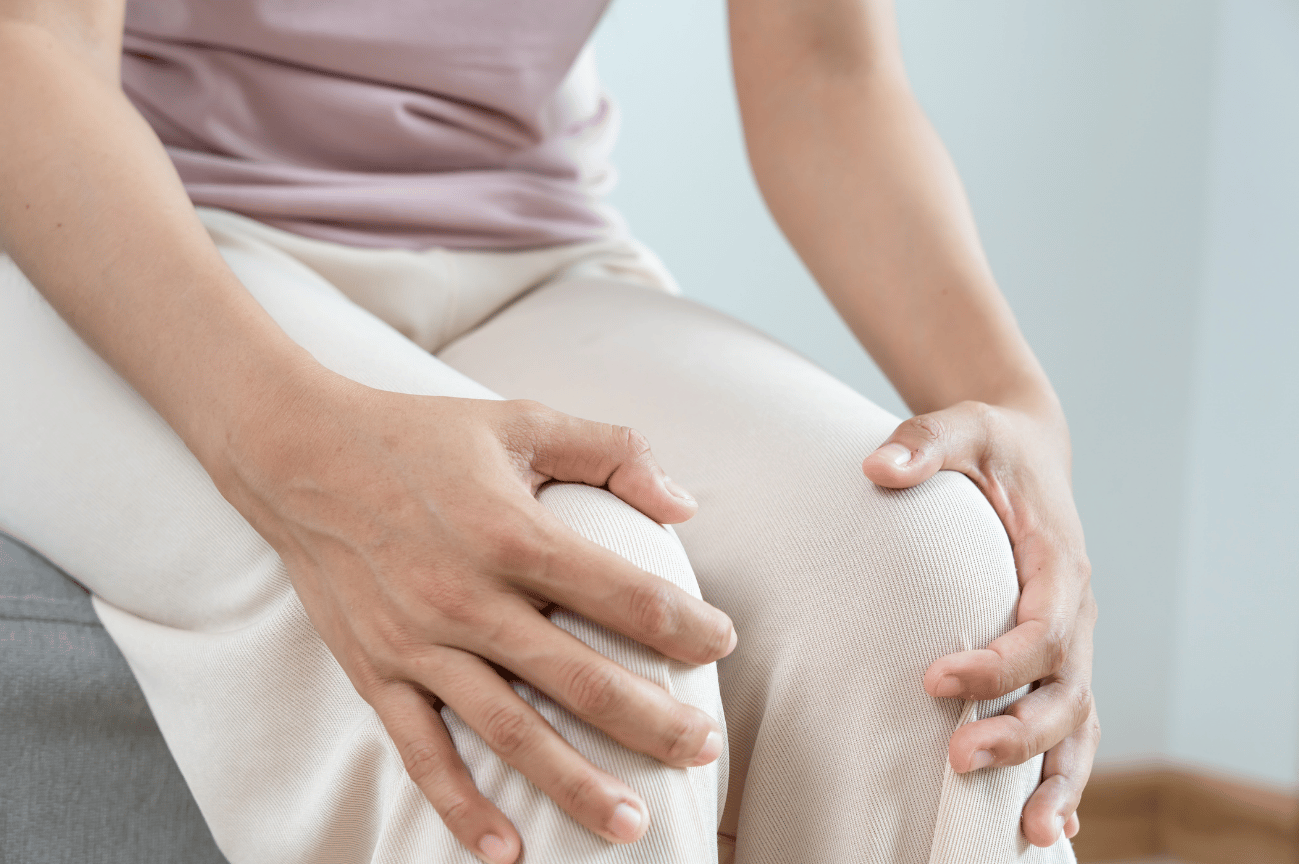
Inflammation is one of the body's most important biological processes. It's part of how the immune system responds to injury, infection, and other threats. While it often gets talked about in negative terms, inflammation itself is not inherently harmful. In many cases, it's essential for healing and protection.
Problems arise when inflammation is either too strong, poorly regulated, or becomes long-lasting. That's where the distinction between acute and chronic inflammation becomes important.
What is inflammation?
Inflammation is the immune system's response to damage or perceived threat. When tissues are injured or exposed to harmful stimuli, the body sends immune cells and signaling molecules to the area to begin repair and defense.
This process involves increased blood flow, activation of immune pathways, and the release of chemical signals that help coordinate healing. Inflammation often causes redness, warmth, swelling, and pain during the healing process.
At its core, inflammation is a communication system between immune cells and tissues that can occur anywhere in the body, including the gut. It helps the body isolate problems, remove damaged cells, and begin repair.
Acute inflammation and healing
Acute inflammation is the body's immediate, short-term response to injury or infection. It begins within minutes or hours and typically resolves once the threat is removed and healing begins.
This type of inflammation is protective. For example, when you cut your skin or catch a virus, acute inflammation helps recruit immune cells to the site, clear out harmful agents, and support tissue repair. In a healthy system, acute inflammation is tightly regulated. Once healing is underway, anti-inflammatory signals help shut the process down, so tissues can return to normal function.
Chronic inflammation and persistence
Chronic inflammation is different from the acute inflammation that supports the body's natural healing processes. Instead of resolving over time, chronic inflammation is persistent, sometimes even when there is no longer an immediate threat.
This can happen for several reasons, including ongoing exposure to irritants, unresolved infections, or dysregulation in immune signaling pathways. When inflammation persists, the immune system may remain in a constant state of activation.
Unlike acute inflammation, chronic inflammation is less about healing and more about sustained immune activity. Over time, this can lead to tissue damage and contribute to a range of health conditions.
Researchers are currently studying how chronic inflammation develops, but it's generally understood as a breakdown in the normal regulation of immune responses.
Acute and chronic inflammation difference
The key between acute and chronic inflammation is duration and purpose. Acute inflammation is short-term, effective, and protective. It activates quickly, targets a specific problem, and resolves once healing occurs. Chronic inflammation, on the other hand, is long-term and often dysfunctional. It persists beyond the initial trigger and can contribute to ongoing tissue stress. Both are driven by the immune system, but they operate on very different timelines and create different outcomes.
Immune signaling and inflammatory pathways
Inflammation is controlled by complex immune signaling pathways that regulate when the response starts and stops. These pathways involve immune cells, chemical messengers called cytokines, and feedback loops that help control intensity.
When these signals work properly, inflammation is precise and temporary. When regulation breaks down, signaling can remain active, contributing to chronic inflammation. Understanding these pathways helps explain why inflammation is not simply good or bad, but highly context-dependent.
Why inflammation matters for health
Inflammation plays a role in nearly every system in the body. It helps defend against infection, repair tissue, and maintain balance after injury. When inflammation becomes chronic, however, it can affect overall health and wellbeing.
Lifestyle factors such as diet, sleep, stress, and physical activity can all influence inflammatory processes. Researchers continue to explore how these factors interact with immune signaling over time. If you're concerned that you may be living with chronic inflammation, it's a smart idea to talk with your healthcare provider about changes you can make to find relief.
Inflammation is not inherently negative, and when you're dealing with an injury or illness, it can actually be a good thing, as inflammation is a necessary biological response that supports healing and protection. The difference between acute and chronic inflammation lies in how long the response lasts and how well it is regulated. Understanding this balance helps clarify why inflammation is both essential and, in some cases, harmful when it becomes persistent.
How Evidation can support your health over time
When you're working to reduce chronic inflammation, it can be helpful to figure out the foods, actions, and lifestyle habits that contribute to your wellbeing, and Evidation can help. When you download the Evidation app, you'll be prompted to share the health data you're already tracking. We'll use the information you choose to share to find patterns and offer you personalized, content-based insights that help you move your health forward. If you're ready to take the next step, we're here to help. Click here to learn more about how Evidation works and get started today.

Thyroid Awareness Month
Around 20 million Americans have some form of thyroid disease, and 60 percent of those living with a thyroid condition are unaware of it. And since undiagnosed thyroid disease can put you at risk of serious medical conditions like cardiovascular disease, osteoporosis, and infertility, raising awareness is critical.
January is Thyroid Awareness Month.
Like other awareness months, the goal of thyroid awareness month is to bring attention to the importance of thyroid health, encourage early diagnosis and treatment of thyroid disease, and to help raise awareness for those living with thyroid conditions.
And while most of us have some knowledge of what the thyroid gland is, many are unaware of just how big a role it plays in all our bodies’ systems.
What is the thyroid?
The thyroid is a small butterfly-shaped gland in the middle of your neck above the collarbone and in front of your windpipe.
Part of the endocrine system, this tiny hormone-producing gland regulates so many important functions. Metabolism, heart rate, breathing, body temperature, muscle strength, body weight, and cholesterol levels are all regulated by the thyroid.
In fact, according to the American Thyroid Association,
“Although the thyroid gland is relatively small, it produces a hormone that influences every cell, tissue and organ in the body.”
So it’s important to keep it functioning healthy. Luckily, there are many options for those living with thyroid conditions.
Types of thyroid disease
Thyroid disease refers to any condition that affects how the thyroid functions. There are several types of thyroid disease including hypothyroidism, hyperthyroidism, thyroid cancers, and autoimmune thyroid conditions.
Hypothyroidism
Most common in women over 60, hypothyroidism, or underactive thyroid, occurs when the thyroid gland doesn’t produce enough thyroid stimulating hormone (TSH). Common symptoms include weight gain, fatigue, constipation, hair loss, sensitivity to cold, and dry skin.
Hyperthyroidism
Hyperthyroidism, or overactive thyroid, occurs when the thyroid produces too much thyroid stimulating hormone (TSH). Common symptoms include weight loss, irregular heartbeat, muscle weakness, sensitivity to heat, and anxiety.
Autoimmune Thyroid Disorders
Autoimmune thyroid disorders are organ-specific autoimmune disorders that primarily affect the thyroid. They include Grave’s disease, Hashimoto’s disease, postpartum thyroiditis, and atrophic autoimmune hypothyroidism.
Grave’s disease - also called diffuse toxic goiter, results in an uncontrolled production of thyroid stimulating hormone (TSH) resulting in hyperthyroidism.
Hashimoto’s disease - also called Hashimoto’s thyroiditis (or chronic lymphocytic thyroiditis) is characterized by a loss of thyroid cells which eventually leads to hypothyroidism.
Postpartum thyroiditis - is a temporary condition that can occur shortly after a woman has given birth. It usually starts off with an overactive thyroid (hyperthyroidism) followed by an underactive thyroid (hypothyroidism).
Atrophic autoimmune hypothyroidism - is a very rare form of hypothyroidism in which a certain type of antibody is present.
Thyroid Cancer
There are four types of thyroid cancer
- Papillary thyroid cancer
- Follicular thyroid cancer
- Medullary thyroid cancer
- Anaplastic thyroid cancer
Treatment options depend on the type of thyroid cancer.
For more information on thyroid cancer, check out the following resources.
What causes thyroid disease?
There’s still a lot that is unknown about the causes of thyroid disorders, but we do know that they tend to affect women more than men.
In fact, women are five to eight times more likely to develop thyroid disease than men.
Some lifestyle factors or other medical conditions can increase your chance of developing a thyroid condition. For example, those with an autoimmune condition are more likely to develop another, including an autoimmune thyroid condition.
Genetics play a role as well.
According to the Cleveland Clinic:
“You may be at a higher risk of developing a thyroid disease if you:
- Have a family history of thyroid disease
- Have a medical condition (these can include pernicious anemia, type 1 diabetes, primary adrenal insufficiency, lupus, rheumatoid arthritis, Sjögren’s syndrome and Turner syndrome)
- Take a medication that’s high in iodine (amiodarone)
- Are older than 60, especially in women
- Have had treatment for a past thyroid condition or cancer (thyroidectomy or radiation)”
Diagnosis and treatment of thyroid disease
Diagnosing a thyroid disorder can be tricky because symptoms are often confused with other conditions. That’s why it’s important to see your provider regularly and follow their advice for routine exams, blood work, and imaging.
You should also talk to your provider about any symptoms that concern you.
Luckily there are common tests that can be used to determine if your symptoms are caused by a thyroid disorder. They include:
- Physical examination
- Blood tests
- Imaging tests (like ultrasound)
Thyroid awareness
According to the American Thyroid Association, around 20 million Americans have some form of thyroid disease, and 60 percent of those living with a thyroid condition are unaware of it.
And since undiagnosed thyroid disease can put you at risk of serious medical conditions like cardiovascular disease, osteoporosis, and infertility, raising awareness is critical.
So talk to your doctor about thyroid health, check your thyroid at home, and share this information with others. You can share this article, post to your social media channels, or talk to your friends and family about thyroid health.
.avif)
Joining Forces to Help Individuals Improve Health Outcomes
We hope to learn from Project TECH and co-develop digital experiences that individuals will find helpful for improving their quality of life and meeting their health goals. Things like making healthy heart decisions and protecting each other from the COVID-19 pandemic.
A Collaboration around Community-based health engagement: We’re joining forces with Project TECH to advance better health outcomes
One of our core values is to put individuals first--our collaboration this year with Project TECH embodies this commitment and represents an exciting step towards working directly with community leaders to encourage everyone to participate in better health outcomes.
Based in Columbia, South Carolina, with extended roots in Atlanta and Charlotte, Project TECH is an organization grounded in four community pillars:
Technology
Education
Communication
Health
We’ve been fortunate to connect with the leaders of this organization and identify the common values that motivate our teams to do what we do.
From our first conversation with Project TECH, it was clear that we have the opportunity to develop a new kind of collaboration model that emphasizes both group’s strengths. Evidation offers the technology and tools for better health engagement, and Project TECH helps bring the voices and experiences of their community.
Together, we can continually improve and refine how we help individuals measure and improve their health in everyday life.
With this ongoing collaboration, we hope to learn from and co-develop digital experiences that individuals will find helpful for improving their quality of life and meeting their health goals. Things like making healthy heart decisions and protecting each other from the COVID-19 pandemic.
To accomplish our goals, Evidation and Project TECH will host design workshops with community members. These will be collaborative spaces focused on eliminating barriers around digital health engagement and research programs, so we can work collectively to improve our offerings.
This cycle of listening and responding is at the core of our mission to put individuals first and help people take control of their own health goals. Stay tuned as we embark on this journey of co-learning.

Mental Health and Income: Supporting Ourselves Through Financial Stress
Financial stress can have a major impact on our mental health. We asked our members how they felt about the connection between financial stress and mental health. Find out what they had to say.
Winter can be an especially trying time for people. The days are darker, the weather is colder, and as the holidays transition into tax season, money stressors can creep in. While money isn’t everything, it can certainly impact our mental health and well being.

We asked our members about their relationship with financial stress and mental wellness, and an astounding 123,800 answered us in just a month’s time.
Grounded in principles of the social determinants of health, our findings demonstrate the role our financial wellness has played in our wellbeing all along: When financial stress is high, mental health wellness can be low.
Our findings also highlight how the structural barriers that create income inequities are the same ones that make mental and physical well being harder to reach for people with lower incomes.
While not all of these systems can change overnight, it’s important to understand what is within our control to support ourselves through financial stress.
Here’s what we heard from our members
Anxiety and stress: All respondents reported feeling some level of anxiety and stress about their personal finances, but these feelings were experienced more severely in groups living with lower incomes (below $35,000 per year).

Basic needs: The ability to meet basic needs was directly correlated with income. People living with lower incomes were less likely to be able to meet their needs, and more than 60% of respondents said their access to medical care had been limited in the last year.

Mental vs. physical health: Compared to areas like physical health, participants reported lower feelings of wellness in their relationships and in their mental health. This was felt particularly strongly among those living with lower incomes.
How people’s lives were most impacted by anxiety and depression: Tiredness and trouble sleeping were more commonly reported than any other symptoms of depression. Anxiety manifested most as restlessness, feeling afraid, and uncontrollable worry.
What we can do in the face of inequities
Shedding light on where inequities lie can help us be mindful of where our greatest needs are as a community and foster greater support.
We know that many of these inequities are centuries in the making, and while these systems might be outside of our personal control, there are things we can do to foster our own financial wellness and nurture our mental health along the way.
As we begin the new year, there are things we can do to care for our mental health and financial wellness to set us up for a healthier and happier 2022.
Support is available.
SAMHSA’s National Helpline (1-800-662-HELP) is a free, confidential, 24/7, 365-day-a-year treatment referral and information service (in English and Spanish) for people facing mental and/or substance use disorders.
The CDC offers free and confidential resources to help people connect with a skilled, trained mental health professional.
Monitor your health behaviors and earn cash
Using the Evidation app can help you engage and monitor your health in a new way. Because we believe that you should be paid for data that you share, our app supports the mindful monitoring of health experiences and activities, with the added bonus of financial reward.
%2520(1).png)
.avif)
What is Health Research?
The first article in our Research 101 series! Learn about health research and how you can participate in research from wherever you are.
What is health research?
Research begins with a question and is the process of answering those questions. In health research specifically, studies are created to answer questions that increase our understanding of people’s health and ways to improve health. For example, we might want to learn more about people's health-related experiences, dig deeper into why people have specific health habits, or determine whether a new medication or medical product can treat a health condition.
What a study looks like depends on the types of question researchers want to answer. Different types of research can be used to answer different questions.
Who manages health research studies?
Many people are involved in making a research study happen because there is a lot that goes into a successful study. For example, someone needs to decide:
- Who should be in the study
- How those people can learn about, sign up for, and get paid for the study
- What the study steps should look like
- What data should be collected
- How the data should be analyzed
Study teams can range from a small group of people working together to much larger groups where everyone has a very specific job. In general, the people in charge of leading health research studies are the study sponsor and a principal investigator (PI). They are supported by a variety of research staff.
.jpeg)
When and Where do health research studies happen?
Health research takes place all year round, at many different places. The right place for a study often depends on the questions it wants to answer. For example, some studies take place in person, at locations called “research sites”. Research sites can be a part of a hospital, private medical practice, or a university. Study volunteers go to research sites when the study involves in-person activities, like face-to-face interviews, lab tests or other clinical procedures, or the use of devices people do not have at home.
Other studies are conducted completely virtually, often via smartphones or computers. These studies are sometimes called “decentralized” studies because participants do not have to go to a central study location or medical office and can participate remotely, from where they are.
.jpeg)
What do health research studies look like?
Different types of research can be used to answer different questions. The diagram below explains some of the different kinds of research. We'll talk more about the specific types of studies we do at Evidation (formerly Achievement) Studies in a future Research 101 post.
.jpeg)
Who participates in health research studies?
The most important part of health research is the study participants. Study participants are volunteers who consent (in other words, give their permission) to be in a study. They provide data through surveys, labs, assessments, and other study activities, which help researchers answer their research questions.
Study participants are crucial to the success of a study and the future of healthcare and medicine. Without study volunteers, there is no study. And with no studies, there are no improvements to healthcare.
Where can I learn more about how to participate?
The Evidation app is great for managing your health and for offering you opportunities to participate in research.
Clinicaltrials.gov is a registry of clinical trials that provides the public with information on past and current trials.
Thanks for taking the time to learn more about health research and how it can make a difference for you and the world around you. If you have any questions, feel free to contact us at study@evidation.com.
.avif)
Top Benefits of Your Personalized Heart Health Report
The Personalized Report is a record of your weekly diary entries. The diary asks you how you’re feeling, what your current weight is, and about any new or worsening symptoms related to heart health.
We want to thank you for being a part of Heart Health on Evidation and share with you what members are saying about their experience.
We recently asked a series of questions about the benefits of the Personalized Heart Health Report and how you and other participants are using it. We’re excited to share what we learned.
What is the Personalized Heart Health Report?
The Personalized Report is a record of your weekly diary entries. The diary asks you how you’re feeling, what your current weight is, and about any new or worsening symptoms related to heart health.
We ask these questions because, according to the American College of Cardiology, tracking these things is important for you and your care team to know how well your heart health is being managed.
And because it tracks these things over time, the report helps you and your care team see just how you’re feeling from week to week, month to month, and so on.
How are Heart Health on Evidation Members using the Personalized Reports?
We asked several questions about how you and other members of Heart Health on Evidation are using the Personalized Report. Here’s what members who downloaded their report had to say.
- Most enjoyed being able to track their steps, symptoms, weight, and mood over time.
- Many printed the report and took it to their next appointment. But did you know you can email it directly to your care team or save it to your phone or mobile device?
- Some said they had trouble remembering to download the report, so we’ve added reminders to help!
What do Heart Health on Evidation Members Have to Say about Their Reports?
“It reminds me to put me first.”
“It helps me be accountable and aware of my symptoms.”
“It reminds me that my heart health is important, and to keep trying to eat healthy and exercise even though sometimes I don’t want to. I get depressed and feel as if it doesn’t matter, but then I read something uplifting on Heart Health and try a little harder.”
“The report keeps information that could be important for you and your doctor in keeping your heart in the best shape it can be.”
How to download your Personalized Report
Once you’ve completed at least 3 diary entries, your report will be ready to download. It updates weekly, so be sure to check it regularly.
You can access the report through the heart health section of your Evidation app (or on the site).
Step 1: First, you’ll want to click on the “heart icon” at the bottom of your app or in the menu bar if you’re online.
Step 2: Scroll down the page until you see “Get Your Personalized Report.”
.png)
Step 3: Click on the “get report” button.
.png)
***If you haven’t completed at least 3 diary entries this button will be grayed out and unable to click. But don’t worry, once you complete 3 entries, you’ll be able to access it!
Step 4: After you press confirm, you’ll receive an email to download the report. You can save it to your device or print it!
Example Personalized Report
%2520(1).png)

Research 101 Glossary of Terms
Glossary of common research terms and their definitions
Doctors and scientists use a lot of language that can be hard for the average person to understand. This "jargon" helps them communicate effectively with one another, but it can make learning about research difficult.
When we talk about health research, we sometimes need to use these terms to be as specific and transparent as possible.
So, to help, we've put together this list of common research terms and their definitions.
Common Health Research Terms
You can refer back to this page anytime you need to, and we'll update it to reflect new topics we post about.
Aggregate data
Data from a group of individuals that is combined into a summary format, for example, in tables or graphs. When data is aggregated (combined), individuals cannot be identified by their data.
Clinical Research
Clinical research is a type of health science which aims to produce knowledge that is valuable for understanding human disease, preventing and treating illness, and promoting health.
Coded study data
Data from a study which does not contain personally identifiable information (PII), for example, name, address, date of birth, social security number, etc. The PII is replaced by a code (usually a string of random letters and numbers) so no one can know who the participant is just from looking at the dataset. The participant’s corresponding personal information is kept separate to protect their identity as much as possible.
Cohort
A group of individuals who share a common characteristic or group of characteristics who are observed in a study. For example, the feature they may have in common could be a health diagnosis or a treatment assignment.
Sometimes, this term can also be used to refer to a group that a study participant is assigned to, such as a “study branch”, "study group", or “study arm”.
Examples:
- In a study on diabetes, researchers may observe a set of traits patients diagnosed with diabetes who are on insulin (cohort 1) and who are not on insulin (cohort 2)
- In a study on how social media affects people of different ages, researchers might observe symptoms in people age 10-15 (cohort 1), 16-20 (cohort 2), and 21-25 (cohort 3)
Confidentiality
Confidentiality refers to how an individual’s personal data is protected by people or groups granted permission to process it. It refers to how a person’s information is treated once it has been shared. Maintaining confidentiality is an important way to protect privacy and build trust.
Control group
The control group in a randomized controlled trial does not receive an “experimental treatment”, or the treatment that is being tested. Instead, they may receive no treatment, or another treatment that gets compared to the treatment being tested. The purpose of the control group is to compare research results between the group that receives the treatment and the group that doesn’t.
For example, in a study that wants to learn whether a pain medication is helpful, one group would get the pain medication and the other group wouldn’t. The group that does not receive the pain medication is known as the control group. The data from these two groups could then be compared to learn more about whether the pain medication (the treatment or drug) is helpful.
De-identification
A process used to remove any personally identifying information (or PII) from data collected during a study. This is used to protect the identity of participants in a research study.
De-identified data
Data that is not linked to any personally identifying information (or PII), which means that it cannot be linked back to a specific person.
Decentralized trial
A research trial that is not conducted at a physical location or “site” (also referred to sometimes as a “siteless” trial). Instead of having participants come to a location to complete study activities, they are able to participate from where they are (i.e. online, using home care, telemedicine visits, etc.)
Eligibility criteria
Criteria for who can or cannot participate in a research study, as defined by the researchers. These criteria must be met by all participants. Eligibility criteria are put in place to make sure that the researchers are able to get meaningful data to answer the study’s research questions, and/or protect people who may experience negative effects from a study. Eligibility criteria are different for any study.
For example, a study researching a birth control pill in females may exclude males. That same study may exclude females with heart conditions for their safety, if the birth control being tested is known to cause heart problems.
Eligibility screening
Questions or activities used to determine (or “screen”) if a person is eligible to participate in a study. This often occurs in the form of a survey, but could include other activities such as interviews or medical assessments.
Enrollment
The process of entering into a research study or trial. This can include a variety of steps, including agreeing to participate in a study by signing the informed consent form.
Exclusion criteria
Any criteria that would make a person ineligible to participate in a study. Exclusion criteria are created by the researchers to make sure the study results are meaningful and to protect potential participants from study activities that could be harmful to them.
For example, a study may exclude participants who take a blood pressure medication, if there is reason to believe that people taking that type of medication could be harmed by the study.
Good Clinical Practice
Good Clinical Practice (GCP) is an international guide for how to conduct ethical and good quality research. GCP applies to every aspect of a study, from start to finish. The purpose of this guide is to protect the rights and safety of study participants, as well as ensure the integrity and quality of study data.
Health research
Research that aims to learn about human health. This type of research can help us learn about, prevent, and treat health conditions. Also sometimes referred to as clinical research.
HIPAA
HIPAA stands for the Health Insurance Portability and Accountability Act of 1996. It is a U.S. federal law that created guidelines to protect patients' PHI (personal health information). For more details on how HIPAA applies to research, click here.
Inclusion criteria
Criteria that a person must meet to be eligible to participate in a study.
For example, a study that is researching a blood pressure medication may require individuals to have high blood pressure.
Informed consent
A process by which a person voluntarily confirms that they are willing to participate in a particular study. During this process, the person is given detailed information about the study so that they can make an informed decision about whether they want to participate. If a person decides to participate in a study, their consent is documented on an Informed Consent Form.
Informed Consent Form (ICF)
A form used to explain and document a person’s willingness to participate in a specific study. The form provides any important information a person needs to be able to decide whether participating in the study is right for them. For example, the form will include information on the purpose of the study, who is conducting the study, and any risks.
Interventional Research
Studies which are designed to understand the effects of treatment or preventive measures on a condition. This can also be described as “experimental research.”
For example, a researcher may want to understand if an anxiety medication can also be used to treat chronic pain. In such a study, the researcher may give the anxiety medication to individuals with chronic pain, to see if the medication affects them.
Institutional Review Board (IRB)
A group which independently reviews any research involving people. This group is made up of at least five members with different scientific and non-scientific backgrounds (for example, researchers, doctors, nurses, scientists, psychologists, patients, etc.) The role of the IRB is to ensure that participants' rights and welfare are protected and that studies are carried out in an ethical manner.
Observational Research
Studies which are designed to observe what happens to a group of participants. Unlike interventional research, observational research does not try to introduce a treatment or product, but instead observes how participants behave naturally.
For example, a researcher may want to observe how depression affects the average number of steps a person walks per day.
Participant
A person who enrolls (or takes part) in a research study after signing an informed consent form and completing any other study-required enrollment activities.
Person-Generated Health Data
Health-related data that is created, recorded, or gathered by individuals (or by family members or caregivers). Sources of PGHD include wearable devices or phones, electronic surveys, apps, or any other interactions with technology that generate personal data about health.
Personally identifiable information (PII)
Personally identifiable information (PII) is any form of sensitive data that can be used to identify a person (for example, name or social security number). A study that collects PII is required to protect that data.
Privacy
Privacy refers to a person’s right to limit access or processing of their personal information by other people or groups. This can include controlling what, how much, and when personal information is shared with others
Principal Investigator
The person(s) who leads and takes overall responsibility for a research study. Typically, this is a medical doctor or someone with a doctorate degree in a health field. The Principal Investigator (PI) makes sure that the research follows good scientific and ethical practices and that it can answer the research questions being asked (often, being asked by a study sponsor). The PI also oversees the research support staff.
Protected Health Information (PHI)
Protected Health Information (PHI) refers to personal health-related information that is shared between individuals or organizations who provide treatment, payment, and operations in healthcare. For example, this can include Medical Record Numbers, hospital bills, lab reports, etc.
It’s important to note that PHI is different from PII. PII is an umbrella term for any information that can be traced to an individual’s identity, while PHI refers specifically to identifiable health information possessed by HIPAA covered entities.
Protected group
Groups of people who are provided additional protections in health research based on federal regulations. In some cases, individuals in these groups may not be able to legally consent to participating in research by themselves and may require consent to be given by a caregiver or legally authorized representative.
Examples of protected groups include children, pregnant women, and prisoners.
Randomized Controlled Trial (RCT)
A study in which researchers randomly assign participants to different groups (also called arms or cohorts). The goal is to minimize bias and then compare the study results between the groups.
For example, a study may randomly assign participants to take either a new medication or a sugar tablet every day. The researchers will then use the data from participants to learn if the medication made a difference for the group that received it.
Real-world evidence
Clinical evidence that is generated from real-world data about the use, risks, and/or benefits of a medication, product, or treatment.
Real-world data
Data about the use, risks, and/or benefits of a medication, product, or treatment that come from a variety of sources. For example, real-world data can come from clinical sources like electronic health records, claims and billing activities, product and disease registries. Or it can come from everyday sources like health apps and fitness trackers.
Research
The process of using scientific methods to collect, analyze, and interpret data collected from studies to contribute to knowledge about a topic.
Research site
A location where research is conducted. This can include hospitals, universities, private medical practices, research institutes, and more.
Sponsor
A sponsor may be an individual or pharmaceutical company, governmental agency, academic institution, private organization, or other group that initiates, oversees, and/or is financially responsible for the research.
For example, a pharmaceutical company may initiate research to learn if the drug they make works, and pay another independent organization to actually conduct the study.
Study
Where research methods are used to collect, analyze, and interpret data collected from participants to contribute to knowledge about a topic.
Study data
Information collected during a research study. It can include demographic information (race, age, education level), health information, descriptions of the participant’s progress, and other relevant information.
Withdrawal
The process of exiting a research study or trial. All research studies are voluntary, which means that participants are free to stop participating at any time for any reason.

Stay Safe and Sane this New Year's Eve
New Year's Eve is often seen as a time to let go of the past year and focus on the new opportunities ahead, but the dangers that many of our celebrations present make it a very difficult day for some.
New Year's Eve is an exciting time for millions of Americans looking forward to fireworks, food, and countless celebrations to ring in the New Year!
And while New Year's Eve is often seen as a time to let go of the past year and focus on the new opportunities ahead, the dangers that many of our celebrations present make it a very difficult day for some.
How Dangerous is New Year's Eve?
It's important to know just how dangerous New Year's Eve can be in order to help your family stay safe during the holiday. Below are some of the most common causes of accidents, injuries, and death during the New Year holiday.
Traffic Accidents
The National Safety Council estimates between 308 and 514 traffic-related deaths during the 3-day New Year's Eve holiday period. That’s about 6 to 7 deaths per hour due to fatal accidents!
Some, if not most, of these accidents will be due to alcohol consumption during the holiday. According to the NSC, in 2019, 36% of fatal car accidents involved drunk driving.
One of the easiest ways to protect yourself and others is to stay off the roads if you can. And, if you do go out, be sure to have a designated driver or hire a car if you’ll be drinking.
Fireworks
Fireworks are a dangerous part of the New Year's Eve Holiday. According to the National Fire Protection Association, 10% of fireworks fires happen between December 30 and January 3, peaking on New Year's Day!
Burns from fireworks can be deadly and injure a person's hands, face, eyes, and arms. The NFPA says that over 9,000 people are sent to the emergency room every year due to firework injuries, showing just how serious these injuries can be.
It's not just adults that get hurt by fireworks either. The 2018 U.S. Consumer Safety Product Commission Report found that one third of all firework injuries that year involved children and teens younger than 15 years old.
Gunfire
According to data from Shot Spotter, a forensic investigation system, statistics showed that 22.9% of gunfire incidents in 2015 happened on a single day - New Year's Eve!
People fire guns into the air in celebration at midnight on New Year's. According to the CDC, this is dangerous since bullets can fall to the ground hard enough to be fatal.
Alcohol Poisoning
Alcohol poisoning is a serious condition, and can affect people without them knowing it. This is especially true around the holidays when many people drink more than usual. American Addiction Centers found that on New Year's Eve, people consume 4.4 alcoholic drinks on average, making it the second most alcohol fueled holiday in America next to Mardi Gras. This excess drinking on New Year's Eve can lead to alcohol poisoning.
The CDC estimates that 2,200 people die of alcohol poisoning every year. And New Year’s Eve sees an increase in ER visits and hospitalizations due to excessive alcohol consumption.
Staying Safe and Sane this New Year's
Fortunately, many of the dangers common to New Year's Eve can be avoided by following simple tips. Below is a list of some of the best ways you and your family can stay safe during the holiday.
1. Don't Play with Fireworks - It sounds simple, but avoiding playing with fireworks can be one of the best ways to prevent injuries to you or your children. Instead, visit a firework show or enjoy the fireworks on your TV screen from the comfort of your own home!
2. Avoid Hazardous Areas - If there's an area in your city that had lots of gunfire accidents last year, it's best to plan ahead and avoid that area this year. You don't want to risk a fatal gunfire accident.
3. Drink Responsibly - If you're going to drink, stick with the CDC's recommended amount of 1 to 2 drinks per day to enjoy the holiday. Better yet, make some non-alcoholic drinks that are just as tasty (and safer)!
4. Avoid Driving while Drunk - With Uber and Lyft around, there are so many options for getting a ride even when you're intoxicated. You can also leave your car keys at home or with a friend to ensure you don't drive drunk accidentally.
5. Drive Defensively - Even if you're not driving drunk, you can still be involved in a car accident. Drive defensively, put down the cell phone, and keep an eye on the road to help you avoid an accident this holiday.
6. Watch out For Others - If you see your loved ones drinking excessively, playing with fireworks or guns, or attempting to drive impaired, speak up and prevent an accident!
This New Year's doesn't have to be dangerous. By following these tips and being informed on the dangers of the holiday, you and your family can stay safe and sane and start the New Year off right (and injury free)!

Health and Human Rights
Everyone has the right to the highest attainable standard of health. Without clean water and air, nutritious food, adequate housing, and the bare necessities of health, people cannot thrive.
“Human rights are not things that are put on the table for people to enjoy. These are things you fight for and then you protect.” Waangari Maathai, Nobel Peace Prize Winner
National Human Rights Month and Universal Human Rights Month are a time every December to remember that we’re all born with important inalienable rights.
In December 1948, representatives from around the world drafted the Universal Declaration of Human Rights. This document was the foundation for establishing fundamental human rights that the United Nations has worked to protect ever since.
The first Article of the document states:
“All human beings are born free and equal in dignity and rights. They are endowed with reason and conscience and should act towards one another in a spirit of brotherhood.”
Human Rights Month serves as a reminder of these principles.
What are Human Rights?
The United Nations and World Health Organization both define human rights as inherent rights we are all entitled to regardless of race, sex, gender identification, nationality, religion, or ethnicity.
These include freedom from slavery and torture, religious freedoms, freedom of expression, the right to work and become educated, the right to clean food and water, and a general right to human dignity and respect.
All of which are vital for our health and wellbeing.
“Human rights are rights we have simply because we exist as human beings - they are not granted by any state. These universal rights are inherent to us all, regardless of nationality, sex, national or ethnic origin, color, religion, language, or any other status. They range from the most fundamental - the right to life - to those that make life worth living, such as the rights to food, education, work, health, and liberty.”
What Role Does Health Play in Human Rights?
The World Health Organization states that everyone has the right to the highest attainable standard of health. Without clean water and air, nutritious food, adequate housing, and the bare necessities of health, people cannot thrive.
And while these rights are the same for everyone, the reality is,
“Disadvantage and marginalization serve to exclude certain populations in societies from enjoying good health.”
Health equity continues to be something we struggle to achieve.
And despite laws and declarations, violations of human rights still occur in some places. That’s why it’s important to take time each year to remember the strides that have been made and draw attention to the long way we still have to go.
What You Can Do to Raise Awareness this Human Rights Month
As we turn toward awareness during National and Universal Human Rights Month, let’s remember that we’re all human beings striving to live the best life we can. Shining a light on human rights and the importance of access to quality healthcare for all can help raise awareness for those still fighting for health equity.
What can you do?
- Spread the message - Share posts, hashtags, and information. Standupforhumanrights.org has some great resources for easy sharing!
- Learn more - Read the Universal Declaration for Human Rights. Reach out to local organizations focused on supporting human rights and health equity.
- Speak up - Lobby with your local community and government to uphold human rights and make positive changes that impact your community.
- Participate - join a human rights group near you or go to an event that raises awareness for human rights.
- Reflect - Think about health inequality and other human rights violations you may have witnessed. Talk about it with others. Hold discussions.
.avif)
Evidation Year in Review 2021
In 2021, members like you participated in over 200 research opportunities, contributed to 19 research publications, and together logged over 147 million days of activity data. To honor all that hard work and to share back some of the exciting things that have happened, we wanted to highlight some of this year’s biggest accomplishments.
It’s been a busy year on Evidation!
In 2021, members like you participated in over 200 research opportunities, contributed to 19 research publications, and together logged over 147 million days of activity data.
To honor all that hard work and to share back some of the exciting things that have happened, we wanted to highlight some of this year’s biggest accomplishments.
In 2021 Evidation Members:
- Earned 7 billion points.
- Redeemed millions of dollars in awards.
- Completed 18 million offers.
- Logged 951 billion steps. That's equivalent to walking to the moon over 1,896 times!
- Logged over 2 billion minutes of exercise. If each minute of exercise burned 10 calories, our members burned the equivalent of 114 million donuts!
- Spent some of their time finding their zen. According to our most popular connected devices, members logged 8 million minutes of yoga this year.
- Joined from all over the US! California was the state with the most new members, and New York was the state that had the largest percent increase from last year.
New to Evidation in 2021:
We introduced several new features in 2021, including:

Flu Monitoring on Evidation: Since November, 130,000 people have joined together to form our Flu Monitoring on Evidation community from all 50 states. In its first month alone, Flu Monitoring on Evidation identified nearly 6000 cases of flu-like symptoms from changes in activity data. This information can help people know when to access treatment and protect their loved ones.
Steps Challenges: This year, some Evidation members stepped up their games in the form of a challenge, and in general, those who participated increased their steps! On Halloween, we wondered how trick or treating impacted our members’ activity levels, and our results showed that people who enrolled in the Halloween Steps Challenge stepped it up much more than people who opted out of the challenge - three times as much, to be precise! Stay tuned for more challenges in 2022.
Month In Review: We’re also working on sending you personalized insights on your healthy habits and activity, from steps to active minutes, which can be especially important to monitor during colder months as we tend to slow down. Keep an eye out for this new feature!
We also launched a new blog so you can find your favorite posts (and maybe some you missed) all in one place.
These efforts and others like them help bring us closer to achieving our mission of creating new ways to measure and improve health in everyday life. But none of it would be possible without you!
What’s Next?
We plan to keep the momentum going in 2022 by offering you more opportunities to earn points and participate in challenges. We’ll also be creating additional health programs and offering more personalized content experiences.
And be sure to keep an eye out for our upcoming Research 101 series and our Diversity in Research series!