

Your guide to high-calcium fruits and vegetables
Choosing fruits and vegetables high in calcium can make it easier for you to get the health benefits of a calcium-rich diet.
If you're trying to up your calcium intake, it's likely you already know that it's smart to increase the amount of low-fat dairy in your diet. That being said, dairy isn't the only way to get the calcium your body needs to thrive. Plenty of fruits and vegetables are also high in calcium, making it easier to get the recommended amount without relying on supplements. Here, we'll take a look at why calcium matters, and how you can get the calcium that you need from the produce section.
Why calcium matters
Calcium is vital for your overall health and well-being, especially when it comes to maintaining strong bones and teeth. The role of calcium in your body goes far beyond building and keeping strong bones, however.
Calcium helps your body maintain proper muscle function, as it allows your muscles to contract and relax smoothly. This is important for voluntary movements (like standing up, walking, and exercising) but it's also key for involuntary movements, such as the contractions that create your heartbeat.
The nervous system needs calcium to function properly as well. Calcium helps the body transmit signals between the brain and the body, ensuring that your body is working as one coordinated unit. The mineral also helps blood clot when you get a cut and supports the release of hormones and enzymes that help to regulate bodily functions.
Is it better to get calcium from food than from supplements?
While supplementation is one way to add calcium to your body, it's better to get the mineral from a nutrient-rich, whole foods diet. According to Dr. Erin Michos, the director of preventive cardiology at Johns Hopkins Ciccarone Center for the Prevention of Heart Disease, "A nutrient in pill form is not processed in the body the same way as it is when ingested from a food source." Dr. Michos says that research on whether calcium supplements are effective is inconclusive at best. "There is a growing body of evidence that suggests no health benefit, or even worse, that calcium supplements may be harmful," says Dr. Michos.
It's recommended that adults ages 19-50 should get at least 1000 mg of calcium from food sources each day. Women ages 51-70 should get at least 1,300mg each day, and men over the age of 70 should also up their intake to at least 1,300 each day.
Calcium rich fruits and vegetables
Ready to create a calcium-rich kitchen?
Add these foods to your grocery list:
- Broccoli rabe
- Kale
- Bok choy
- Broccoli
- Oranges
- Dried figs
- Kale
- Spinach
- Collard greens
How calcium can help you feel your best
As we mentioned calcium is necessary for building and maintaining strong skeletal health, but the mineral does far more in our bodies than it gets credit for. Let's explore some of the health conditions you may be able to improve by increasing your calcium intake.
Osteoporosis
Bone loss begins around age 30, and the process continues to speed up with age. Eating foods rich in calcium (specifically in combination with foods rich in vitamin D) can help prevent menopause-related bone loss in women, and it may also help to prevent bone loss in men.
Premenstrual Syndrome (PMS)
Research has shown that increasing calcium intake to 1,200mg per day showed a decrease in symptoms, including headaches, muscle aches, bloating, and food cravings.
High Blood Pressure
As we mentioned, getting enough calcium in your diet can help to support heart health. If you don't get enough calcium, you may be more likely to develop high blood pressure (hypertension). Early research shows that calcium may play a role in reversing hypertension. If you're currently taking blood pressure medication and want to try adding more calcium to your diet, do not stop taking your medication, and talk with your doctor if your goal is to eventually get off of your high blood pressure medication.
Obesity
Both animal and human studies have shown that low-fat dairy can play a role in reducing body weight. Researchers are still unsure as to whether this is due to calcium, other nutrients, or a combination of factors.
High Cholesterol
Early studies have shown that increasing calcium intake to 1,500mg to 2,000mg per day may help to lower cholesterol levels. It's important to note that this appears to have the greatest effect when used in tandem with regular exercise and a healthy diet, and it's possible that calcium works better to help people maintain existing normal cholesterol levels rather than helping people lower high cholesterol. If you have high cholesterol, talk with your doctor about the lifestyle changes you can make to lower your numbers.
Stroke Risk
A population-based study showed that women who ingested higher amounts of calcium were less likely to experience strokes over time than those who did not take in more calcium. If you're at risk of stroke, talk with your healthcare provider about the lifestyle changes you can make to reduce your risk.
The bottom line: Getting plenty of calcium from food can help to decrease your risk of developing certain health conditions, and may help to reduce symptoms of or eliminate other conditions, like osteoporosis. If you're living with the conditions listed above, talk with your doctor about whether increasing your calcium levels might help to improve your health.
At Evidation, we're here to help you hit your health goals
If you're ready to take your health to the next level, Evidation is here to help. Here's how it works: we ask you to share the health data you're already tracking (through apps, your smartwatch, etc.). We aggregate the data that you choose to share with us to find patterns and insights that you might not notice otherwise. This allows us to offer personalized, content-based insights that can provide you with the information you need to inform daily habit choices. We'll be with you to celebrate as your health improves over time. If you're ready to get started, we're ready to support you. Click here to learn more about how the Evidation app works and get started today.

Is the carnivore diet good for inflammation?
Searching for information on "carnivore diet inflammation?" Learn how the carnivore diet can help to relieve inflammation and related health conditions.
Inflammation is the body’s natural defense against injury and illness, but when it lingers too long, it can set the stage for chronic conditions like arthritis, autoimmune disorders, and cardiovascular disease. Recently, the carnivore diet — a plan focused entirely on animal-based foods — has captured attention for its potential to reduce inflammation. Advocates point to improved energy, clearer thinking, and reduced pain, but how much of this is backed by science, and what are the risks?
This article looks at what the carnivore diet involves, its possible effects on inflammation, and the nutritional considerations you should keep in mind if you decide to give it a try.
What is a carnivore diet?
The carnivore diet centers exclusively on foods from animal sources. Most people on the plan eat beef, poultry, fish, eggs, and sometimes dairy. Strict versions limit intake to red meat, salt, and water, while more flexible versions allow a variety of meats, fish, and low-lactose dairy products.
What makes it unique is not only the focus on protein and fat, but the complete absence of plant foods. In contrast to other whole-food nutrition plans, like paleo, the carnivore diet requires the elimination of fruits, vegetables, grains, legumes, nuts, and seeds. For many, the appeal lies in its simplicity and in the possibility of eliminating foods that may trigger inflammation.
Potential anti-inflammatory benefits and risks
Some individuals report dramatic improvements in joint pain, digestion, and overall comfort after switching to carnivore eating. One likely reason is the removal of certain plant compounds—like gluten, lectins, or oxalates — that can irritate the immune system in sensitive people. The diet also automatically excludes processed snacks, sugary drinks, and refined grains, all of which are often linked to inflammation — and diabetes.
If fatty fish such as salmon, sardines, or mackerel are included regularly, omega-3 intake may increase. These fats are well known for their ability to reduce inflammation and support cardiovascular health.
On the other hand, the lack of dietary fiber can reduce gut microbiome diversity, which may lead to higher inflammation in the long run. The absence of plant-based antioxidants and phytonutrients also means the body may have fewer defenses against oxidative stress. And while saturated fat’s role in inflammation is debated, consistently consuming large amounts without balancing them with antioxidants could have unwanted consequences.
Nutrient deficiencies and supplementation needs
Cutting out plant foods creates a real possibility of nutrient shortfalls. Vitamins C and K1, magnesium, potassium, and folate are all found abundantly in plant sources but can be difficult to obtain from animal products alone. Fiber, while not a nutrient, is also missing, and its absence can affect digestion and inflammatory balance.
To help offset these gaps, those following the carnivore diet often focus on nutrient-dense animal foods. Organ meats like liver or kidney supply vitamins A, B12, and folate. Fatty fish can help with omega-3s and vitamin D. Many people also consider targeted supplements.
Common supplements used on a carnivore diet include:
- Vitamin C for immune and connective tissue support.
- Magnesium and potassium to maintain nerve, muscle, and heart function.
- Electrolyte blends to prevent imbalances during carbohydrate restriction.
Blood testing every few months can help identify deficiencies early so adjustments can be made before they affect overall health.
Practical recommendations for monitoring inflammation
If your main goal is to reduce inflammation, it’s important to track both how you feel and what’s happening in your body. Keeping a health journal can help capture changes in joint stiffness, digestive comfort, and daily energy levels. This subjective feedback is valuable, but pairing it with objective measures offers a more complete picture.
Key inflammation-related metrics to monitor include:
- C-reactive protein (CRP) and erythrocyte sedimentation rate (ESR) for overall inflammatory activity.
- Blood glucose and cholesterol to watch for metabolic changes that may influence inflammation.
- Gut health indicators, either through stool testing or careful observation of digestive patterns.
A trial period of about eight to twelve weeks can give you enough data to decide whether the carnivore diet is having the desired effect.
How Evidation can help you meet your nutrition goals
Changing your eating pattern can be challenging, and keeping track of your progress is essential. Evidation makes that easier by offering tools to log symptoms for certain conditions and activity levels in one place. This is especially helpful for diets like carnivore, where nutrient intake and inflammation markers can shift significantly.
With Evidation, you can integrate data from wearable fitness trackers to monitor heart rate variability, sleep quality, and daily movement. You can also set specific health goals and see how your dietary choices influence outcomes like pain levels, energy, and digestion. Over time, these insights can guide you in fine-tuning your approach—whether that means staying with carnivore eating or adjusting toward a more balanced anti-inflammatory diet. Click here to learn more about Evidation and get started today.
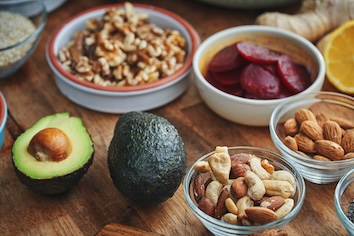
High-satiety foods to help you feel full longer
Learn more about how high satiety foods for weight loss can help you hit your goals.
When it comes to maintaining a healthy diet or managing your weight, one of the biggest challenges is hunger. Constant cravings and energy dips can make even the most dedicated nutrition plan difficult to follow. That’s where high-satiety foods come in. These are foods that keep you feeling full for longer, helping you avoid overeating while still giving your body the nutrients it needs. By focusing on satiety, you can create a balanced approach to eating that supports both satisfaction and long-term health. Here, we'll explore why satiety matters and the high satiety low calorie foods you can add to your diet to help you feel fuller for longer.
What satiety means and why it matters
Satiety refers to the feeling of fullness and satisfaction after eating. It’s not just about the physical act of filling your stomach—it also involves how your body processes nutrients and regulates hunger hormones. When a meal is high in satiety, you feel less of an urge to snack soon afterward, which can prevent overconsumption of calories.
Why does this matter? Because chronic overeating is often linked not to a lack of willpower, but to meals that don’t keep us satisfied. Foods high in refined carbohydrates or added sugars may give you a quick energy boost, but they cause blood sugar spikes and crashes that leave you hungry again shortly after. Choosing foods that provide steady energy and promote satiety helps you naturally manage your appetite, stabilize mood and energy levels, and support weight management goals without feeling deprived.
Role of protein in keeping you full
Protein is one of the most powerful nutrients when it comes to satiety. It slows down digestion, helps regulate hunger hormones like ghrelin, and supports muscle maintenance—all of which make it a cornerstone of a satisfying diet.
Studies show that high-protein meals reduce hunger more effectively than meals centered on fats or carbohydrates. For example, eating eggs for breakfast instead of a bagel can help reduce calorie intake later in the day. This is because protein-rich foods take longer to break down, keeping you full and energized for longer stretches.
Some excellent high-protein, high-satiety options include:
- Eggs and Greek yogurt for breakfast
- Lean poultry, fish, or tofu for lunch and dinner
- Lentils, beans, and edamame for plant-based options
- Protein-rich snacks like cottage cheese or jerky (low-sodium)
Building meals with a protein anchor—such as grilled chicken in a salad or beans in a grain bowl—can dramatically increase satiety and help you avoid overeating.
How fiber supports appetite control
Fiber is another critical nutrient for feeling full. Unlike other carbohydrates, fiber isn’t fully digested by the body. Instead, it slows down digestion, adds bulk to meals, and helps regulate blood sugar levels. This combination creates a lasting sense of fullness and prevents sudden spikes and dips in hunger.
There are two main types of fiber:
- Soluble fiber absorbs water and forms a gel-like substance, which slows digestion and promotes steady energy release. Oats, apples, beans, and chia seeds are rich in soluble fiber.
- Insoluble fiber adds bulk to stool and supports digestive health. Whole grains, nuts, and vegetables like broccoli and carrots are good sources.
High-fiber foods tend to be lower in calories but higher in volume, meaning you can eat more of them without consuming excess calories. A large salad, a bowl of vegetable soup, or a serving of oatmeal all provide filling fiber without overloading on energy-dense foods.
Benefits of water-rich fruits and vegetables
Hydration plays a surprising role in satiety, and water-rich fruits and vegetables can help bridge the gap between meals. These foods provide both bulk and hydration with relatively few calories, making them ideal for weight management.
For example:
- Cucumbers, watermelon, and oranges are more than 85% water
- Leafy greens like spinach and lettuce provide volume and nutrients while being extremely low in calories
- Soups and broths made with vegetables are hydrating and satisfying
Because water adds volume without adding calories, water-rich foods physically fill your stomach, triggering stretch receptors that signal fullness to your brain. Combining these foods with protein or healthy fats makes meals even more satisfying.
Healthy fats for lasting fullness
While fats are more calorie-dense than protein or carbs, they play a critical role in satiety. Healthy fats slow digestion and promote the release of hormones that help regulate appetite. The key is choosing the right types of fats and consuming them in moderate amounts.
Sources of healthy fats include:
- Avocados
- Nuts and seeds
- Olive oil
- Fatty fish (like salmon)
Including a small portion of healthy fat in meals—for example, a drizzle of olive oil on vegetables or a handful of almonds as a snack—helps you feel fuller longer. The richness of these foods also enhances flavor, making healthy eating more enjoyable and sustainable.
Low-calorie high-satiety snack ideas
Snacking is where many people struggle with hunger and overeating. The key is choosing snacks that are both satisfying and nutrient-dense. Here are some options that balance protein, fats, carbs, fiber, and volume without adding too many calories:
- Apple slices with peanut butter
- Greek yogurt with berries
- Air-popped popcorn with a side of string cheese
- Carrot sticks with hummus
- Cottage cheese with cucumber slices
These options provide the nutrients needed to tide you over until your next meal while preventing energy crashes or cravings.
Tips for building satisfying balanced meals
To create high-satiety meals consistently, think about balance and variety. A well-rounded meal includes:
- Protein as the anchor—chicken, fish, beans, or tofu
- Fiber from whole grains, legumes, or vegetables
- Healthy fats from avocados, nuts, seeds, or olive oil
- Volume and hydration from water-rich vegetables and fruits
For example, a balanced dinner could be grilled salmon with roasted vegetables, a quinoa salad with chickpeas, and a side of steamed broccoli. Not only is this nutrient-dense, but it also provides the protein, fiber, and fats needed to stay full.
Other tips to help you stay full for longer include:
- Eating slowly to allow your body time to register fullness
- Avoiding refined carbs and added sugars, which can trigger hunger quickly
- Planning meals and snacks ahead to reduce impulsive eating choices
By combining these strategies, you’ll build meals that fuel your body, satisfy your appetite, and reduce unnecessary snacking.
How Evidation can help you meet your nutrition goals
Tracking your eating habits and health outcomes can be one of the most effective ways to stay accountable. That’s where Evidation comes in. The Evidation app allows you to connect the health data you're already tracking. We look for patterns and find trends, then provide you with personalized, content-based insights that can help you make the decisions that take you one step closer to your goals. Click here to learn more about how Evidation works and get started today.

Cleanse candida with these detoxing recipes
Learn how a candida cleanse can help decrease bloating, improve your overall sense of well-being, and improve your energy levels.
Candida is a natural fungus that lives in our bodies, but sometimes it grows out of control—causing health issues that can make you feel tired, bloated, foggy, or just “off.” A candida cleanse is a way to help bring balance back to your body by reducing this overgrowth. One popular approach to getting candida out of the body is detoxing through food.
In this article, you’ll learn what candida is, what causes it to overgrow, how a candida cleanse works, and which recipes can help support the process. We'll also go over how Evidation can help you learn more about your well-being, and support you in the journey toward becoming your happiest, healthiest self.
Candida albicans and overgrowth
Candida albicans is a type of yeast (fungus) that naturally lives in your mouth, gut, and on your skin. It’s usually harmless and even plays a role in digestion. But under certain conditions, candida can grow too much and cause candida overgrowth, also known as candidiasis.
What causes candida overgrowth?
There are many issues that can lead to candida overgrowth, including:
- High-sugar or refined-carb diet: Candida feeds on sugar, so a sugary diet can cause it to grow quickly
- Antibiotic use: Antibiotics kill good bacteria that normally keep candida in check
- Chronic stress: Stress weakens the immune system and gut health
- Weakened immune system: This can happen from illness or medication
- Hormonal changes: Like those from birth control pills or menopause
Common symptoms of candida overgrowth
Candida overgrowth can affect different areas of the body and cause a wide variety of symptoms — making it tricky to diagnose.
Some of the most common symptoms of candida overgrowth include:
- Bloating and gas
- Sugar cravings
- Brain fog
- Fatigue
- White coating on tongue (oral thrush)
- Frequent yeast infections
- Skin rashes
- Nail fungus
Benefits of a candida cleanse
A candida cleanse is a short-term eating plan meant to reduce the amount of candida in your body. The idea is to starve the yeast by cutting off its food supply (mainly sugar and refined carbs), and at the same time, feed your body nutrient-rich foods that support gut health and immune strength.
The benefits of a candida cleanse can differ from person to person, and may include:
- Less bloating and digestive discomfort
- Clearer skin
- Reduced brain fog
- More stable energy levels
- Fewer sugar cravings
- Improved mood and focus
- Better immune function
How does a candida cleanse work?
Typically, a candida cleanse works in three basic steps.
1. Cut off candida's food supply
Candida thrives on sugar, refined carbohydrates, alcohol, and some dairy products. Removing these fuels helps stop the yeast from growing.
You'll remove these foods from your diet during your cleanse:
- Sugar (including honey, maple syrup, agave)
- White flour and white rice
- Alcohol
- Soda and fruit juice
- Processed snacks and baked goods
- Aged cheeses
- Mushrooms (in some cases)
2. Eat foods that starve candida and heal the gut
You’ll want to eat foods that don’t feed yeast and instead support good bacteria and the immune system.
You'll add more of these foods to your diet during your cleanse:
- Non-starchy vegetables (broccoli, spinach, zucchini)
- Leafy greens
- Garlic and onions (natural antifungals)
- Lean protein (chicken, turkey, eggs, tofu)
- Fermented foods (sauerkraut, kimchi, kefir if they don't bother your stomach)
- Coconut oil (contains antifungal caprylic acid)
- Herbal teas (peppermint, ginger, pau d’arco)
3. Support detox pathways
When yeast dies off, it can release toxins. Drinking plenty of water, getting rest, and supporting the liver and gut with clean foods helps reduce die-off symptoms (like fatigue or headaches).
How to start your candida cleanse
Starting a candida cleanse doesn’t have to be overwhelming. Here’s a step-by-step guide to help you get rid of candida and start feeling your best.
Step 1: Clean out the pantry and go grocery shopping
Remove anything high in sugar, refined carbs, or alcohol. Stock up on fresh vegetables, herbs, proteins, and healthy fats.
Step 2: Plan your meals
Having meals ready will help you avoid temptation.
Try some of the following easy detoxing recipes to include during your candida cleanse:
Breakfast: coconut chia pudding
Ingredients:
- 1/2 cup full-fat canned coconut milk
- 2 tbsp chia seeds
- 1/4 tsp cinnamon
- A few drops of stevia (optional)
- 1 tbsp unsweetened shredded coconut
Instructions:
Mix all ingredients and let sit in the fridge overnight. In the morning, stir and top with a few berries.
Lunch: detox veggie soup
Ingredients:
- 1 tbsp coconut oil
- 1/2 onion, chopped
- 2 garlic cloves, minced
- 1 zucchini, chopped
- 1 cup broccoli
- 1 celery stalk
- 4 cups bone broth or vegetable stock
- Salt, pepper, and turmeric to taste
Instructions:
Sauté onion and garlic in coconut oil. Add the rest of the ingredients and simmer for 20–25 minutes. Blend if desired for a creamy texture.
Dinner: baked lemon garlic chicken with steamed greens
Ingredients:
- 1 boneless chicken breast
- Juice of 1 lemon
- 2 cloves garlic, minced
- 1 tbsp olive oil
- Steamed kale or spinach on the side
Instructions:
Marinate the chicken in lemon, garlic, and oil for 30 minutes. Bake at 375°F for 25 minutes. Serve with steamed greens and a sprinkle of salt.
Snack: gut-healing smoothie
Ingredients:
- 1/2 avocado
- 1/2 cucumber
- Handful of spinach
- 1 tbsp coconut oil
- Juice of 1/2 lemon
- 1 cup unsweetened almond milk
Instructions:
Blend all ingredients until smooth. Add ice for a chilled version.
Drink: candida cleanse herbal tea
Ingredients:
- 1 tsp dried pau d’arco bark
- 1 tsp fresh ginger slices
- 2 cups hot water
Instructions:
Steep both herbs in hot water for 10–15 minutes. Strain and sip throughout the day. This tea has antifungal and gut-soothing properties.
Optional supplements (check with your doctor)
Supplements are helpful, but not required for a candida detox. Always speak with your healthcare provider before starting a new supplement.
Some people add these to support their cleanse:
- Caprylic acid – an antifungal found in coconut oil
- Probiotics – to repopulate healthy gut bacteria
- Milk thistle – to support liver detox
- Oregano oil – powerful antifungal
Success rates: do candida cleanses work?
There’s growing interest in candida cleanses, but you might wonder: Does it actually work? It can be tough to get hard data on whether candida cleanses are effective, as many people go through these cleanses in their own homes and don't have a way to report their results.
What the Research Shows
There’s not a huge amount of large-scale clinical research on candida cleanses.
However, studies show that:
- Diet affects gut yeast: High-sugar diets are linked to higher levels of candida in the mouth and gut
- Probiotics help: Adding good bacteria can crowd out candida and reduce its ability to grow
- Antifungal foods and herbs work in the lab: Garlic, coconut oil, and oregano oil have shown antifungal activity against candida in test-tube studies
Many natural health practitioners and holistic doctors report strong results in patients with candida symptoms who follow a cleanse. People often feel better within 1 to 2 weeks—especially those who previously had bloating, fatigue, or recurring infections.
Keep in mind: Not everyone will feel better overnight. Some people experience a mildly uncomfortable phase when candida starts to die—this may cause headaches, fatigue, or brain fog for a few days. Drinking water, resting, and eating clean foods help reduce these effects.
Evidation and your health: get the information you need to make decisions that move the needle in the right direction
It can be hard to figure out the correct next steps to take in order to support your health. At Evidation, we're here to help. When you download the Evidation app, you'll be prompted to share the health data you're already tracking (such as information from wearable fitness trackers, nutrition apps, etc.). We'll use the information you choose to share to offer personalized, content-based insights that can help you drive your health forward. Click here to learn more about how Evidation works and download the app today.

Drink & smoothie recipes to optimize gut health
Learn more about healthy gut drinks, recipes, and whether it ever makes sense to participate in a juice cleanse.
Your gut is home to trillions of microbes that impact everything from digestion and immune function to mood and metabolism. Feeding your gut with the right nutrients can help support a balanced microbiome, ease digestion, and promote better overall health. One of the simplest (and tastiest) ways to do that is through gut-healthy drinks, including smoothies, teas, and juices that contain ingredients known to nourish beneficial bacteria. While you likely don't need to stick to a juice-only detox or do a parasite cleanse, enjoying gut-healthy drinks on a regular basis can help to support a variety of systems in your body.
In this article, we’ll cover the best drink ingredients for gut health, provide easy and delicious recipes, and explore whether juice cleanses offer any real benefits. Grab your blender and juicer, and let's get started.
Drink Ingredients That Benefit Your Gut
Certain drink ingredients are known for their prebiotic, probiotic, and anti-inflammatory properties that directly benefit gut health. When added to drinks or smoothies, they help balance your digestive system while delivering essential nutrients.
Probiotics are live microorganisms that provide health benefits by improving the balance of gut bacteria. They help maintain the integrity of your intestinal lining and support digestion.
Some probiotic drinks that can help to support your digestive system include:
- Kefir – A fermented milk (or water) drink rich in diverse strains of probiotics
- Greek yogurt – Choose unsweetened, full-fat versions with live cultures
- Kombucha – A fizzy fermented tea with probiotics and organic acids
- Miso and tempeh – Fermented soy products (less common in drinks but can be blended into savory smoothies or soups)
Probiotics need sustenance to thrive, and prebiotics can help. Prebiotics are fibers that feed good bacteria in your gut. Including prebiotics in your diet regularly encourages a healthy microbial environment.
- Bananas (especially slightly green) – High in resistant starch
- Oats – Contain beta-glucan, a prebiotic fiber
- Chicory Root and dandelion greens – Often found in herbal teas, rich in inulin fiber
- Flaxseeds and chia seeds – Support digestion and promote regularity
Polyphenols and antioxidants are compounds that reduce inflammation and oxidative stress, both of which can disrupt gut health. Bonus: many of these items are especially delicious and can add fun flavors to your gut-healthy drinks and smoothies.
- Berries – Rich in anthocyanins, a type of polyphenol
- Green Tea – Contains catechins that promote beneficial gut bacteria
- Turmeric and Ginger – Anti-inflammatory roots that soothe the gut lining
- Cacao – In moderation, it encourages the growth of beneficial bacteria
Hydration and a healthy electrolyte balance are key to a healthy digestive system. Water helps fiber move through your digestive system and prevents constipation. Electrolyes help your body regulate chemical reactions and can help to maintain the balance of fluids in between your cells.
- Coconut water – Naturally rich in electrolytes
- Cucumber and mint – Great in infused water to calm digestion and stay hydrated
When trying new drink ingredients, take it slow. You may find that some ingredients —especially those high in fiber — may take some getting used to. Pay attention to any digestive issues and make adjustments as you work to find the gut-healthy drinks that are the best fit for your needs.
Recipes: Smoothies, Teas, and Juices for Gut Health
Below are some easy, delicious recipes designed to nourish your gut. Feel free to experiment with ingredient swaps based on personal taste and the foods you have available.
1. Gut-Healing Green Smoothie
Ingredients:
- 1 cup unsweetened kefir or Greek yogurt
- 1/2 avocado
- 1 small banana (greenish if possible)
- 1 handful spinach
- 1 tablespoon chia seeds
- 1/2 cup cucumber, peeled
- 1/2 lemon, juiced
- 1 teaspoon honey (optional)
- Water or coconut water to desired consistency
Instructions:
Blend all ingredients until smooth. This smoothie offers a mix of probiotics (kefir/yogurt), prebiotics (banana, chia), and hydration (cucumber, lemon) in a creamy, refreshing drink. If you don't love the taste of coconut water, try adding a version blended with mango or pineapple.
2. Berry-Flax Gut Booster Smoothie
Ingredients:
- 1 cup unsweetened almond milk
- 1/2 cup mixed berries (blueberries, strawberries, raspberries)
- 1 tablespoon ground flaxseed
- 1/2 banana
- 1/2 teaspoon cinnamon
- Handful of oats (optional)
- Ice cubes
Instructions:
Blend until creamy. Berries bring antioxidants, flax supports digestion, and oats add prebiotic fiber. This recipe isn't quite as hydrating as some of the others on our list, so it's a good idea to enjoy this one alongside a glass of water.
3. Spicy Ginger-Turmeric Tea (Hot or Iced)
Ingredients:
- 1 inch fresh ginger root, sliced
- 1/2 inch fresh turmeric root or 1 tsp turmeric powder
- 2 cups water
- Juice of 1/2 lemon
- 1 teaspoon raw honey (optional)
- Black pepper (a pinch, to enhance turmeric absorption)
Instructions:
Simmer ginger and turmeric in water for 10 minutes. Strain and add lemon, honey, and black pepper. Drink warm or chill for a refreshing iced version. This tea soothes the gut and reduces inflammation.
4. Cucumber-Mint Probiotic Cooler
Ingredients:
- 1/2 cucumber, sliced
- 1/4 cup mint leaves
- 1/2 lime, juiced
- 1/2 cup kombucha (unflavored or ginger)
- 1 cup sparkling water
- Ice
Instructions:
Muddle cucumber and mint in a glass, add ice, lime, kombucha, and sparkling water. Stir and enjoy. This light, fizzy, and probiotic-rich drink is super-refreshing.
5. Golden Gut Juice
Ingredients:
- 2 carrots
- 1 small apple
- 1/2 inch ginger
- 1/2 inch turmeric
- 1/2 lemon
- Pinch of black pepper
- Water (optional, to dilute)
Instructions:
Juice all ingredients or blend with water and strain. This blend is a nutrient-packed, anti-inflammatory juice ideal for mornings.
6. Beet-Kefir Digestive Smoothie
Ingredients:
- 1/2 cup cooked beetroot
- 1 cup plain kefir
- 1/2 orange, peeled
- 1 tablespoon chia or hemp seeds
- Small handful of fresh parsley
- Water or ice to blend
Instructions:
Blend until creamy. Beets support liver detox and digestion, kefir supplies probiotics, and chia or hemp seeds help you load up on gut-healthy fiber.
7. Spiced Apple Cider Vinegar Tonic
Ingredients:
- 1 tablespoon raw apple cider vinegar (with the “mother”)
- 1/2 teaspoon cinnamon
- 1/2 teaspoon ground ginger or fresh
- Juice of 1/2 lemon
- 1 teaspoon honey
- 1 cup warm water
Instructions:
Stir all ingredients and drink before meals. Apple cider vinegar may support digestion and balance blood sugar, but it’s best taken diluted and not in excess.
Are Juice Cleanses Even More Effective?
Juice cleanses are popular in the wellness world, often promoted as a way to “reset” your system, detoxify, and improve digestion. But are they truly better for your gut health than regular smoothies or functional drinks? The answer is mixed.
Some of the potential benefits of juice cleanse include:
- Flood of Nutrients: Juices deliver a high concentration of vitamins and antioxidants from fruits and vegetables.
- Short-Term Digestive Rest: Giving your digestive system a break from processed food may temporarily reduce bloating.
- Hydration: High water content supports regularity and detoxification.
Potential drawbacks of juice cleanses include:
- Lack of Fiber: Juicing removes most of the fiber, which is essential for feeding gut bacteria and maintaining motility.
- Blood Sugar Spikes: Without fiber or fat, juices—especially fruit-heavy ones—can cause rapid spikes and crashes in blood sugar.
- Not Sustainable Long-Term: Cleanses are often low in calories and protein, leading to fatigue and possible muscle loss.
Juices vs. Smoothies
Smoothies retain all the fiber and are more balanced when made with protein, fat, and low-glycemic carbs. They support your microbiome more effectively for the long haul. Juices can be a refreshing, nutrient-dense addition but shouldn't replace meals regularly.
Juice cleanses may offer a short-term sense of reset, but smoothies and whole-food drinks provide more balanced, sustainable benefits for gut health.
At Evidation, we're here to support your health goals
If you're working to improve your gut health, the team at Evidation is here to support you. When you download the Evidation app, you'll be prompted to share the health-related behaviors you're already tracking, including data from nutrition apps, wearable fitness trackers, and more. We'll use this information to find patterns and trends, and then we'll offer you content-based insights designed to support your personal health journey.
If you're ready to get started, we're ready to support you. Click here to learn more about Evidation and get started today.

Tips to hold yourself accountable in your weight loss journey
Learn how working with an accountability partner and having a support system can help you lose weight and keep it off.
Starting a weight loss journey is exciting — but sticking with it is the real challenge. Many people struggle not because they lack motivation, but because they don't have a clear system of accountability to help them stay focused, track progress, and bounce back when times get tough. Whether you're just getting started or you've been working toward weight loss for a while, these tips will help you take control, stay on track and celebrate success.
The psychology behind weight loss accountability
There's hard science behind why accountability works so well when it comes to weight loss goals. When you set a goal and share it with someone else, your brain treats it differently. It becomes more real and more important. You're also less likely to give up when someone else knows about your goal.
Psychologists say this has a lot to do with how we're wired. Humans care about what people think of us, and we don't want to let people down. When it comes to weight loss, kind, friendly social pressure can actually work in your favor.
When you're accountable, you're more likely to:
- Make consistent, healthy choices
- Plan ahead instead of giving into impulses
- Feel proud of your progress
- Get support when you feel like quitting
Understanding how accountability can work in your favor can help you build a weight loss plan that includes more than just diet and exercise — it includes your thoughts, feelings, and support system, too.
Find an accountability partner
One of the best ways to stay on track is to find an accountability partner. This could be a friend, family member, coworker, coach, or even a group of people with similar goals.
Here are some factors to consider when you're looking for a good accountability partner:
- Reliability: Your partner should be consistent and willing to check in with you on a regular basis.
- Supportive: You want to find a partner who will encourage you, not judge you. This likely means they'll need to walk a fine line between encouragement and tough love when times get hard.
- Similar goals: If possible, find a partner who is also working to get healthier or get more exercise. You'll be able to support each other as you work through similar issues and experience similar success.
There are many ways that you can work with an accountability partner, including daily or weekly check-ins, shared meal plans, recipe swaps, or exercising together. If you don't have someone in your personal life who fits this role, consider online support groups, apps, or working with a professional coach. Your healthcare provider may also be able to direct you to support groups for people who have similar goals.
Tools and strategies for tracking progress
Tracking your progress can help you see the progress that you're making on your weight loss journey. When you can see your results, it builds confidence and helps to keep you going.
Try these tools and strategies to help you track your journey:
- Use a food journal. Write down what you eat each day. If you prefer to use your phone for this, use an app like MyFitnessPal. If you'd rather go old-school, carry a small pen and notebook around with you throughout the day to jot down what you eat.
- Track your weight. Weigh yourself at least once a week and record it. Don't obsess over daily changes — focus on the trends you see over time. It's normal for weight to fluctuate, and seeing that you're generally moving in the right direction can help you stay motivated.
- Track measurements and take photos. Even when you're working toward a weight loss goal, it can be encouraging to notice achievements that happen away from the scale. Taking progress photos and tracking your measurements can help you see changes that might not show up on the scale, as well as those that are tough to see in the mirror.
- Log exercise. Meaningful movement can help to burn calories, lower stress levels, and improve your overall health. If you're not sure where to start, talk with your healthcare provider or a fitness professional about how you can ease into an exercise program.
Creating a sustainable action plan
Accountability works best when it's consistent and realistic. It should be something you can stick with — not just for a few days or weeks, but for the long haul.
Try these tips to build a plan that works for you:
- Set clear, realistic goals. Instead of saying that you want to lose weight, set a specific goal. For example, "I want to lose one to two pounds per week, each week over the next two months," is a far more specific goal than, "I want to lose weight."
- Break goals into small steps. Losing 100 pounds can feel overwhelming, and it can feel much more doable when you focus on losing the first five.
- Schedule check-ins. Creating a schedule with your accountability partner can go a long way in helping you figure out what's working and what isn't.
- Reward progress. Celebrate milestones with non-food rewards, like a new workout outfit, a fun outing, or a relaxing bath.
- Be flexible. Life happens. If you miss a day or gain a pound, it doesn't mean that hope is lost. Adjust your plan and keep moving forward, one day at a time.
Accountability isn't about being perfect — it's about being consistent. A good plan helps you stay focused without feeling overwhelmed or burned out.
Overcoming common challenges in maintaining accountability
Even with the best intentions, there will be tough days. The key is to plan for them so they don't throw you off course.
Here are some common challenges and how to overcome them:
- Loss of motivation: When you hit a plateau or feel tired, remind yourself why you started. Look at your progress photos or reread your journal to see the changes that you've made.
- Busy schedule: Plan meals and workouts like appointments. If time is tight, even 15–20 minutes of movement can make a difference.
- Negative self-talk: Watch how you talk to yourself. Replace "I messed up" with "I'm learning." Encourage yourself the way you'd encourage a friend.
- Steer yourself away from negative influences: If your social circle isn't supportive, seek support elsewhere, through online groups, apps, or professionals.
- Stop comparing yourself to others: Focus on your own journey. Everyone loses weight at a different pace.
Remember, setbacks are normal, and what matters most is how you respond. Learn from them, adjust your strategy, and keep moving forward.
Using Evidation to support your weight loss journey
If you want a fun, simple way to stay accountable, Evidation can help. When you download the app, Evidation will prompt you to share the healthy behaviors you're already tracking, and will offer you personalized, content-based insights that help you move toward your weight loss goals. Click here to learn more and download the Evidation app today.

Top low sugar fermented foods for gut health
Discover the best low sugar fermented foods to boost gut health, improve digestion, and support wellness.
Fermented foods have been around for centuries, but recently they’ve become popular again—and for good reason. These foods don’t just taste great; they can also improve digestion and boost your overall health. If you're trying to eat less sugar but still want to enjoy the benefits of fermented foods, you're in luck. There are many delicious options that are low in sugar and high in gut-friendly goodness.
In this article, we’ll explain how fermented foods help your gut, explore whether you can ferment food without sugar, share a helpful fermented foods list, give you some easy meal ideas, and show how Evidation can support your gut health goals.
The impact of fermented foods on gut health
Your gut is home to trillions of tiny organisms—mainly bacteria—that help digest food, produce vitamins, and protect against harmful germs. This community of organisms is called your gut microbiome, and keeping it balanced is key to feeling good.
Fermented foods are rich in probiotics, which are helpful bacteria that support a healthy gut.
When you eat fermented foods, you add more of these good bacteria to your digestive system, which can:
- Improve digestion
- Reduce bloating and gas
- Support your immune system
- Help your body absorb nutrients better
- Improve mood and brain health
Scientists have linked gut health to everything from weight control to mental health, so adding fermented foods to your diet is a smart move. The best part: You don’t need sugary yogurt or drinks to get the benefits. There are plenty of low-sugar fermented foods that can do the job just as well—or even better.
Can you ferment food without sugar?
Yes, you can absolutely ferment foods without adding sugar. Many people think that sugar is required for fermentation, but that’s not always the case.
Fermentation happens when natural bacteria or yeast eat up the carbohydrates (like sugars and starches) in a food. This process creates acids, gases, and sometimes alcohol. While some recipes (like kombucha) need sugar to feed the bacteria, many others don’t need added sugar at all.
Examples of no-sugar fermentation include:
- Sauerkraut (made from just cabbage and salt)
- Kimchi (vegetables, garlic, chili, and salt)
- Pickles (cucumbers fermented in salty water, not vinegar)
- Plain yogurt (milk and live cultures—no added sugar)
- Kefir (use unsweetened versions for less sugar)
In fact, sugar can sometimes feed the wrong kinds of bacteria in your gut. That’s why choosing low-sugar fermented foods is often better for long-term gut health.
Fermented foods list
Ready to stock your fridge with gut-friendly options? Here’s a list of low-sugar fermented foods that are easy to find (or make) and taste great:
Sauerkraut
Fermented cabbage that’s tangy, crunchy, and full of probiotics. Look for refrigerated brands with no added sugar or preservatives.
Kimchi
A spicy Korean dish made from cabbage, radish, garlic, and chili. It has a bold flavor and is great in rice bowls or on sandwiches.
Plain yogurt
Choose versions labeled “live and active cultures.” Skip flavored or fruit yogurts—those often contain added sugars.
Greek yogurt
Thicker and higher in protein than regular yogurt. Again, go for plain to keep sugar low.
Kefir
A drinkable fermented milk, sort of like a yogurt smoothie. Unsweetened kefir is rich in probiotics.
Pickles (fermented, not vinegar-brined)
Look for pickles made with salt and water (called “lacto-fermented”) instead of vinegar. They’re usually found in the refrigerated section.
Miso
A fermented soybean paste used in soups, marinades, and sauces. It adds a salty, umami flavor.
Tempeh
Another soybean-based product, but it’s firm and nutty-tasting. Tempeh can be sliced and grilled like meat.
Natto
A traditional Japanese food made from fermented soybeans. It has a strong flavor and sticky texture, but it’s incredibly good for gut health.
Apple cider vinegar (with the “mother”)
Raw apple cider vinegar contains beneficial bacteria. Add a splash to salad dressings or water, but don’t overdo it.
Fermented food recipes and meals to try
Wondering how to include these foods in your daily meals? It’s easier than you might think.
Here are some simple ideas that use low-sugar fermented foods:
Breakfast
- Greek yogurt parfait with chopped nuts, chia seeds, and berries (instead of sugary granola)
- Smoothie with plain kefir, spinach, banana, and cinnamon
- Miso soup with tofu as a warm, savory start to the day
Lunch
- Grilled tempeh wrap with lettuce, tomato, and avocado
- Salad topped with sauerkraut for a tangy crunch
- Vegetable soup with a spoonful of miso stirred in at the end (don’t boil it—it can kill the gut-healthy probiotics)
Dinner
- Stir-fried kimchi and rice with a fried egg on top
- Tempeh tacos with cabbage slaw and lime
- Roasted vegetables with a miso glaze
Snacks
- A handful of fermented pickles
- Plain yogurt with cinnamon and pumpkin seeds
- Natto over warm rice with green onions and soy sauce
Try to enjoy at least one fermented food every day to support your gut. If you’re new to them, start slow—some people need time to get used to the flavors and effects on digestion.
How Evidation can help support gut health
Taking care of your gut goes beyond what’s on your plate. Whether you're trying to detox or simply clean up your diet, understanding how behaviors and choices affect your health can be a step in the right direction. Your sleep, stress levels, exercise, and habits all play a role, and that's where Evidation can help. Here's how it works: when you download the free app, you'll be prompted to share the health info you're already tracking. From there, the app will work to find patterns and connections, offering you personalized, content-based insights that can take your health to the next level. Click here to learn more and get started with Evidation today.
11 benefits of drinking turmeric and ginger tea
Learn more about how drinking turmeric and ginger tea can help improve skin health, improve digestion, and more.
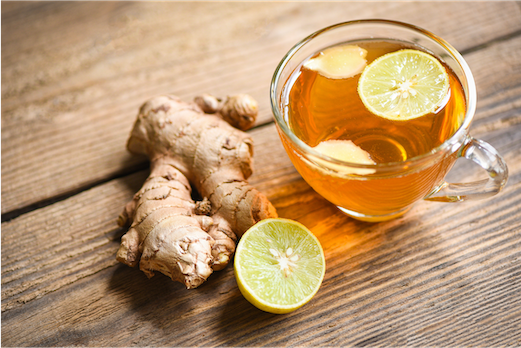
Turmeric and ginger tea is a powerful wellness drink made from two of nature’s most potent healing roots. With centuries of use in traditional medicine, turmeric and ginger bring a wide range of health benefits when steeped together in a soothing tea. Whether you're seeking digestive support, an overall detox, inflammation relief, or improved mood, this golden brew has you covered.
Let’s explore the proven and potential benefits of drinking turmeric and ginger tea — and how Evidation can help you track all of your wellness-related behaviors to help you keep moving toward your health goals.
Enhanced digestive health
Both turmeric and ginger are known to promote a healthy digestive system. Ginger stimulates saliva, bile, and gastric enzymes, all of which aid in the digestive process and help prevent bloating and gas. Turmeric, with its active compound curcumin, helps reduce inflammation in the gut lining and can support the management of irritable bowel syndrome (IBS), leaky gut syndrome, and other digestive disorders.
Together, these roots work to soothe the stomach, relieve indigestion, and support overall gut health.
Liver detoxification support
Your liver is responsible for filtering toxins from your body, and turmeric and ginger tea may help support this vital organ. Turmeric has hepatoprotective properties, meaning it helps protect liver cells from damage. Curcumin also enhances the production of bile, which assists in breaking down fats and eliminating waste.
Ginger complements this action by supporting liver enzyme activity and aiding in the elimination of toxins. Drinking this tea regularly can gently promote your body’s natural detox pathways.
Mood enhancement and emotional well-being
Turmeric and ginger both have mood-boosting properties that may help combat symptoms of depression and anxiety. Curcumin has been shown to influence neurotransmitters like serotonin and dopamine, which are closely tied to mood regulation. Some studies suggest that curcumin may be as effective as certain antidepressants, without the side effects.
Ginger contains compounds that support mental clarity and reduce stress-induced inflammation in the brain. Drinking a warm cup of turmeric and ginger tea can be a calming, therapeutic ritual for emotional well-being.
Skin health improvement
Your skin reflects your internal health, and turmeric and ginger tea can help it glow from within. Turmeric's antioxidant and anti-inflammatory properties make it effective in reducing acne, calming eczema, and improving overall skin tone. It may also help fight signs of aging by protecting skin cells from free radical damage.
Ginger increases blood circulation, delivering more nutrients and oxygen to the skin, which can enhance its radiance and tone. Regularly drinking this tea can support clearer, healthier-looking skin over time.
Support for respiratory health
Ginger is a natural decongestant and antihistamine, making it excellent for relieving symptoms of the common cold, allergies, and respiratory infections. It helps break down mucus and soothes inflamed airways. Turmeric supports respiratory health by reducing inflammation in the lungs and sinuses, making it useful in managing asthma and bronchitis.
Together, turmeric and ginger tea can ease coughs, open nasal passages, and provide comfort during seasonal illness or allergy flare-ups.
Cognitive function and brain health
Curcumin has been extensively studied for its neuroprotective effects. It may help prevent cognitive decline, support memory, and protect against conditions like Alzheimer’s disease by reducing inflammation and oxidative stress in the brain.
Ginger, on the other hand, is known to enhance brain function by improving circulation and reducing mental fatigue. Drinking turmeric and ginger tea regularly can sharpen your focus, improve memory, and help keep your brain in top shape as you age.
Inflammation relief
One of the most well-known benefits of turmeric and ginger is their ability to reduce inflammation. Curcumin in turmeric is a potent anti-inflammatory agent that can help reduce swelling, stiffness, and joint pain, especially in people with arthritis. Ginger contains gingerol, which also has anti-inflammatory effects and may help relieve sore muscles and chronic pain.
Drinking this tea daily can be a natural and effective way to manage inflammation throughout the body.
Pain reduction
Thanks to their anti-inflammatory properties, turmeric and ginger tea can serve as a gentle, natural pain reliever. Ginger is particularly effective in easing menstrual pain and muscle soreness, while turmeric helps reduce joint and nerve pain. The combination makes this tea a soothing option for those dealing with chronic pain, sports injuries, or occasional aches.
Immune function support
Turmeric and ginger both strengthen the immune system. Turmeric enhances immune responses by activating important immune cells and lowering inflammatory cytokines. Ginger increases circulation, promotes sweating (which helps eliminate toxins), and has been shown to fight off colds and flu.
Drinking this tea regularly can help keep your immune system resilient and ready to fight off illness, especially during cold and flu season.
Nausea relief
Ginger is widely recognized for its ability to ease nausea, whether it’s from morning sickness, motion sickness, chemotherapy, or an upset stomach. It works by speeding up stomach emptying and blocking signals in the brain that cause nausea. Turmeric supports this action by reducing inflammation in the gut and aiding digestion. Sipping turmeric and ginger tea is a gentle and effective way to calm your stomach and feel better fast.
Antimicrobial and antifungal properties
Both turmeric and ginger have strong antimicrobial properties that can help combat bacteria, viruses, and fungi. Turmeric has been used in Ayurvedic medicine to treat wounds and infections, while ginger has been shown to inhibit the growth of several types of bacteria, including those that cause gum disease.
We're here to help you move toward your health goals, one decision at a time.
Whether you're starting your day with turmeric and ginger tea, are trying to clean up your nutrition, or are focused on getting better sleep, Evidation is here to help you become your happiest, healthiest self. When you download our app, you'll be prompted to share the health data you're already tracking (such as information from your nutrition app or wearable fitness tracker, for example). We'll use the information you provide to find patterns, and we'll provide you with detailed, personalized, content-based insights to help you move your health forward. Click here to learn more and download the app today.

Should I try Ozempic to achieve weight loss goals
Should I try Ozempic? Learn about how GLP-1 medications work, side effects, benefits, and more.
Curious about the new weight loss medications on the market? You're not alone. Here, we'll explore how GLP-1s work, the difference between Ozempic and Zepbound (two popular GLP-1 medications), the pros and cons of using GLP-1s, whether it's worth it to try weight loss medications, and more.
How GLP-1s work
Curious about using medications like Ozempic and Zepbound to support your weight loss goals? Both of these medications are in a class of drugs called GLP-1s. Ozempic and Wegovy are the same medication (semaglutide) — Wegovy is approved for weight loss. Zepbound and Mounjaro are also the same medication (tirzepatide), Zepbound is approved for weight loss. These drugs (short for glucagon-like peptide-1 receptor agonists) are a type of medicine that helps people lose weight and manage blood sugar levels. They copy the effects of a natural hormone in your body called GLP-1, a hormone that helps your brain signal that your stomach is full, slows down how fast your stomach empties food, and helps to control blood sugar levels.
When you take a GLP-1 medication, you usually feel full sooner, which means you eat less. These medications also help your body release the right amount of insulin after meals. GLP-1 medications were first made for people with type 2 diabetes, but now they're often used to help with weight loss. Over time, GLP-1 medications can help you lose weight by helping you feel less hungry and changing the way your body processes food after you eat.
Wegovy vs. Zepbound: What's the difference?
Wegovy and Zepbound are two of the most popular GLP-1 medications approved for weight loss. While they work in similar ways, they don't do exactly the same thing.
Wegovy is the brand name for semaglutide, and it was first approved to treat type 2 diabetes. It helps lower blood sugar and also causes weight loss.
Zepbound is the brand name for tirzepatide. It's newer than Wegovy and works on two hormones instead of just one. This extra effect may help some people lose even more weight than they would on Wegovy.
In short: both drugs can help with weight loss, but Zepbound may cause faster results for some people. Your doctor can work with you to determine which option is the right choice for your body, health, goals, and budget.
Pros and cons
Like all medications, GLP-1s like Wegovy and Zepbound have both upsides and downsides.
Pros
- Weight loss: most people lose a good amount of weight on GLP-1s, especially when paired with healthy habits.
- Better blood sugar control: These medications help people with type 2 diabetes better manage their blood sugar.
- Appetite control: Most people feel fuller sooner and have fewer cravings.
- Heart health: Some studies show that GLP-1 medications may help lower the risk of heart problems in people with diabetes.
Cons
- Side effects: Common side effects of GLP-1 medications include nausea, diarrhea, and constipation. For most people, these problems go away in a few weeks.
- Cost: These drugs can be expensive if you're not using insurance to pay for them.
- Not a magic fix: You'll still need to make healthy changes with food, movement, and sleep to lose weight with these drugs.
- Availability: These drugs have recently become super-popular, which may make them hard to find.
Is it worth it?
This is a common question, and the answer depends on your personal goals and situation.
For many people who have struggled to lose weight with diet and exercise alone, Wegovy and similar drugs can be life-changing. It helps people feel full, lowers food cravings, and can lead to real, lasting results. It also improves blood sugar levels, which is a big plus for people with diabetes or prediabetes.
That being said, these medications are not a magic bullet for weight loss. You'll still need to put in the effort — Wegovy and Zepbound work best when you're also making healthy choices. If you stop taking it without keeping up your new habits, it's likely that you'll gain the weight you lost back.
If you're thinking about trying Wegovy or Zepbound (or a similar medication), talk to your doctor about your health history, your insurance coverage, and your weight loss goals. For many people, the benefits outweigh the risks.
Tips for optimal results
Taking Wegovy or Zepbound is just one part of your weight loss journey. Try these tips to help medication support your journey to health:
- Start slow with food. Since these meds slow digestion, eating too fast or too much can cause nausea. Take small bites and give your body time to feel full.
- Stay hydrated. Drink water throughout the day, as it can help with your digestion and energy levels.
- Move your body. Walking, stretching, and dancing a little each day can help to boost your process.
- Eat protein and fiber. These foods will keep you full for longer while supporting muscle and gut health.
- Keep a routine. Taking your medication on the same day of each week can help keep side effects predictable.
- Track your progress. Use a journal or app to keep track of weight, habits, and how you feel.
How to work with your doctor and prepare for GLP-1 medications
Before you start with Wegovy, Zepbound, or any other GLP-1 medication, it's essential to talk with your doctor about the steps you need to take to prepare.
When talking to your doctor, be sure to:
- Share your full health history. Be honest about any past medical problems, especially pancreas, kidney, or stomach issues.
- Talk about your goals. Let your doctor know why you're interested in GLP-1s.
- Review medications. Some drugs don't mix well with GLP-1s, so be sure to bring a list of everything you take, including over-the-counter drugs and supplements.
- Ask questions. Don't be afraid to ask about side effects, what to expect, or how long you might take the medication.
- Plan follow-ups. Regular check-ins can help you track your progress.
How Evidation can help you meet your weight loss goals
At Evidation, our free app that rewards you for taking care of your health. If you're starting a weight loss journey with Wegovy or Zepbound, Evidation can help. When you download the app, you'll be prompted to share the health information you're already tracking (like nutrition logs or information from a wearable fitness tracker, for example). We'll use the data you choose to share to provide you with personalized, content-based insights that can drive your weight loss journey forward. Click here to learn more and download the app today.