

Blog
Understanding the triggers behind psoriasis and eczema flares
Learn what defines a psoriasis or eczema flare and how immune activity, skin barrier function, and environmental factors may influence symptoms.
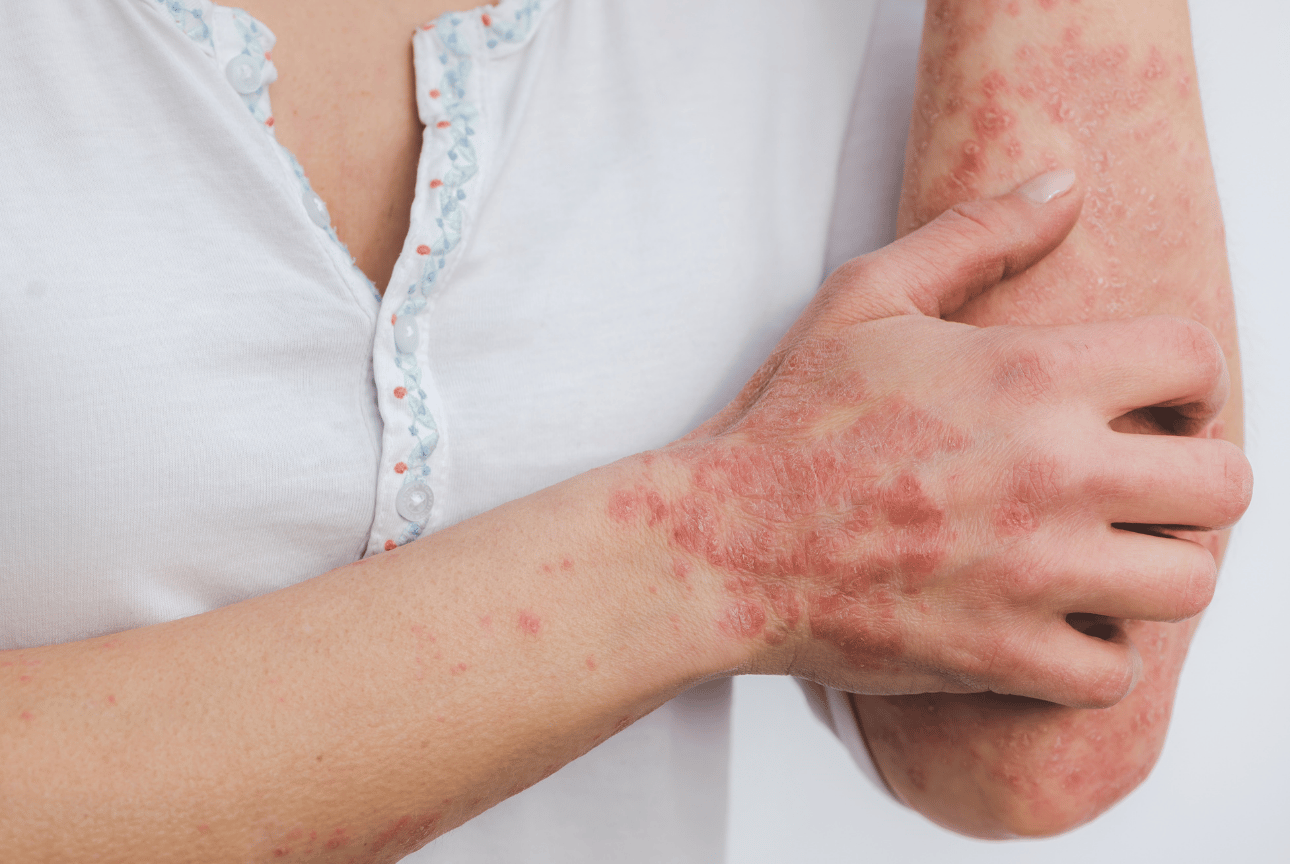
Psoriasis and eczema are chronic inflammatory skin conditions that often follow a cycle of periods of relative stability interrupted by symptom flare-ups. During a flare, symptoms such as redness, itching, dryness, scaling, or irritation may become more noticeable or severe than usual. While psoriasis and eczema are distinct conditions, both involve complex interactions between the immune system, the skin barrier, and environmental factors.
Researchers continue to study why flares occur and why certain triggers seem to affect some people more than others. Although there is no single explanation for every flare, growing evidence suggests that immune activation, skin barrier dysfunction, and external exposures all play important roles.
What defines a flare?
A flare refers to a temporary worsening of symptoms in a chronic condition. For people with psoriasis or eczema, a flare may involve increased itching, more extensive skin involvement, greater discomfort, or changes in the appearance of affected areas.
The timing and severity of flares can vary considerably. Some people experience occasional flare-ups triggered by specific circumstances, while others may notice a more unpredictable pattern. Researchers believe these fluctuations occur because the underlying inflammatory processes driving these conditions can become more active at certain times.
Immune activation and skin inflammation
Both psoriasis and eczema involve abnormal immune responses that contribute to skin inflammation, though the biological pathways differ between the two conditions. In psoriasis, immune cells trigger rapid skin cell growth and inflammation, leading to the development of thick, scaly plaques. Researchers have identified several inflammatory signaling pathways that contribute to disease activity and flare development.
Eczema, also known as atopic dermatitis, is associated with immune system dysregulation that contributes to chronic inflammation, itching, and skin irritation. Inflammatory signals can become amplified during a flare, resulting in worsening symptoms and increased skin sensitivity. Since immune activity plays such a central role in both conditions, researchers continue to investigate how internal and external factors may influence inflammatory responses and contribute to flare-ups.
Environmental and psychological associations
A variety of environmental and physiological factors have been associated with psoriasis and eczema flares. While triggers differ from person to person, several patterns have emerged in research. For eczema, common triggers may include dry air, irritants such as soaps or fragrances, allergens, infections, and emotional stress. Changes in temperature or humidity can also affect symptom severity.
Psoriasis flares have been associated with factors such as skin injuries, infections, psychological stress, certain medications, and lifestyle-related factors. Researchers have also explored how broader health conditions and systemic inflammation may influence disease activity.
Importantly, the presence of a trigger does not guarantee a flare. Instead, many experts believe flare-ups occur when multiple biological and environmental factors interact at the same time.
The role of the skin barrier
The skin barrier serves as the body's first line of defense against environmental exposures, irritants, allergens, and moisture loss. Growing research suggests that skin barrier function plays an important role in both eczema and psoriasis.
In eczema, defects in the skin barrier can allow moisture to escape while making the skin more vulnerable to irritants and allergens. This can contribute to inflammation and increase the likelihood of flare-ups. Although psoriasis is primarily driven by immune dysfunction, researchers have also identified abnormalities in the skin barrier function that may contribute to disease activity. When the skin barrier becomes compromised, inflammation can worsen and symptoms may become more difficult to control.
As researchers continue to learn more about autoimmune and inflammatory conditions, it has become increasingly clear that psoriasis and eczema flares are influenced by a combination of immune activity, skin barrier health, and environmental exposures. Understanding these factors may help provide a broader picture of why symptoms sometimes worsen and how researchers are working to better understand these chronic conditions.
How Evidation can provide insight and support your health
If you're living with psoriasis, eczema, or other chronic conditions, it can be tough to pinpoint your triggers and manage your health. Evidation can help. When you download the Evidation app, you'll be prompted to share the health information you're already tracking. With your permission, we'll use the information you share with us to find patterns, helping you learn more about how you can support your health while managing chronic conditions. Click here to learn more about how Evidation works and get started today.

Skin care for the summer season: 5 tips to save your skin
Incorporating antioxidants, choosing cooling skincare ingredients, and drinking plenty of water can all help to boost your skin care for the summer season.
At Evidation, it's our job to help you take care of your mind and body—and that includes your body's largest organ, the skin. From eating plenty of skin-smart foods to getting the water that you need, Evidation can help you take the steps necessary to create a natural glow, and integrating skincare tips into your Evidation experience can help you take great care of your skin all year round.
Beaming UV rays and high humidity levels in the summer can wreak havoc on your skin. Thankfully, there are some simple steps you can take to maintain great skin health throughout the warmer months. Here, we'll take a look at how you can take care of your skin while enjoying all that summer has to offer.
Sun Safety
You already know that staying safe in the sun is key for protecting your skin from cancer, but the benefits of proper summer skincare don't stop there. Applying sunscreen effectively and regularly can also help save you from painful sunburns, and can reduce the signs of aging that are exacerbated by exposure to the sun.
Try these tips to keep your skin healthy in the summer sun:
- Apply sunscreen often. Dermatologists recommend that you apply sunscreen with an SPF of 30 or higher at least every two hours. Reapplication is especially key if you're swimming or sweating, and yes—you need sunscreen even when it's cloudy outside.
- Avoid the sun between 10 am and 2 pm. The sun is at its strongest during these hours. Opt to stay inside (or at least in the shade) if possible.
- Cool off. After enjoying a day in the sun, take a cool shower and wash off any remaining sweat and sunscreen. In the event that you do get sunburned, it's a good idea to apply aloe vera gel while your skin moves through the healing process.
Hydration and moisturization strategies
Hydration is already a part of your self-care routine, and if you're already using Evidation, you likely take advantage of our reminders to drink up. In the summer, hydration and moisturization are key to helping your skin stay healthy.
Men should drink at least 104 ounces of water each day, and women should drink at least 72 ounces. If you're spending a lot of time outdoors, exercising heavily, are pregnant, or have other health conditions, you may need more water to keep your skin healthy. Drinking a glass of water first thing in the morning and continuing to sip throughout the day can be a smart way to stay on top of your hydration goals.
Moisturization is key in the hot summer months. If you're currently using a heavy moisturizing cream, switching to a light lotion can be a smart way to hydrate your skin and stay comfortable.
Gentle cleansing techniques
The sweat, sunscreen, and humidity of summer may mean that you need to wash your face more often than normal in order to feel comfortable. Using foaming or gel-based cleansers (paired with a light moisturizer) can help you effectively clean your skin without stripping away your natural protective oils.
Incorporating antioxidants into skincare
Antioxidants help to slow the skin's natural aging process, and can be especially helpful in the summer months. Many people find that incorporating antioxidants into their skincare routines can help to lessen the appearance of loose skin, blotches, fine lines, and wrinkles.
Antioxidants to look for in your skincare routine include:
- Vitamin C
- Resveratrol
- Niacinamide
- Retinol (vitamin A)
- Coenzyme Q10
- Vitamin E
- Polyphenols
Using cooling ingredients and products
After a day in the heat, there's not much that feels better than going through a skincare routine loaded with cooling products. While cooling products don't actually reduce the temperature of the skin, they do affect the nerves responsible for messaging temperature changes to the brain. This means that you get fast, effective relief the moment your cooling products hit your skin.
Skincare ingredients that can help you beat the heat include:
- Cucumber
- Peppermint
- Eucalyptus
- Aloe vera
- Menthol
Pro tip: If you can, stow your skincare products in the fridge. You'll get a de-puffing effect that feels fantastic.
Managing sweat and oil production
One of the best parts of summer is exercising outdoors, but working up a sweat in the sun may not be great for your skin. If you have oily skin, or spend a lot of time sweating outdoors, it's important to take steps to combat breakouts caused by sweat and oil.
Changing out of sweaty clothes as soon as possible can help, as can choosing lightweight cotton clothing. If you wear a hat to protect your face from the sun when you're outdoors (smart!), be sure to wash it regularly. You'll also want to pay attention to potential breakout triggers. For some people, the combination of summer sweat and chlorine, saltwater, and/or sand can cause skin problems.
Addressing specific skin concerns for summer
Some skin issues, like acne, may occur more frequently or with more severity in the summer. Some common hot-weather skin issues and solutions include:
- Acne: When you're done exercising, blot sweat away with a clean towel. Wash headbands and towels every time you use them.
- Dry skin: Consider turning off the AC at night, as it can dry out your skin. Turn down the temperature of your showers or baths to help your skin retain moisture.
- Heat rash: Blocked sweat glands can cause heat to build up in your body, resulting in a prickly-feeling rash. Wearing loose-fitting clothes and staying indoors when it's especially hot outside can help.
- Melasma: A condition that causes some areas of the skin to appear darker, melasma often gets worse with sun exposure. Be sure to use fragrance-free sunscreen, as fragrance may cause melasma to darken.
If you're having persistent summer skin issues that don't respond to home remedies, reach out to your healthcare provider for evaluation and treatment.
Evidation: Helping You Glow All Summer Long
At Evidation, we use the health data you're already tracking (with your permission) to provide you with the personalized information and insights that you need to be your healthiest, happiest self. We'd love to show you what we're all about. Click here to download the app and learn more about how you can get started.

The best way to get rid of mosquitoes in the summer
Mosquitoes are pesky creatures, but these flying insects also carry diseases such as West Nile, malaria, and Zika.
Mosquitoes are pesky little creatures and the bane of everyone who enjoys outdoor living. Besides being annoying when we're cooking outside, taking a hike, or doing other activities, mosquitoes are a vector for several diseases. These include yellow fever, malaria, Zika, dengue, and West Nile virus.
A big part of outdoor safety is repelling mosquitoes. To control mosquitoes in and around your home, you'll have to take a multi-pronged approach. This begins with controlling their breeding sites, but we'll also share some other tips to keep you as mosquito-free as possible.
Eliminate standing water breeding sites
What's the best way to get rid of mosquitoes outside? The first step to preventing a mosquito infestation is to control the sites where they breed. Mosquito larvae develop in standing water. While ponds and containers can attract mosquitoes, the larvae can also thrive in small amounts of water, such as what would fit in a rain gutter or bottle cap.
Mosquitoes love to nest and rest in humid, dark areas. This includes not just standing water containers but also under patio furniture and even inside the garage or carport. If you regularly eliminate any standing water around your yard, you'll go a long way toward mosquito control. Be sure to check all of these areas:
- Used tires in the yard or garage
- Birdbaths
- Puddles
- Tree stumps
- Kiddie pools
- Trash cans
- Rain gutter extension pipes
- Fountains
- Uncovered rain barrels or cisterns
Containers that stay outside need to be emptied and scrubbed on a regular basis. The Centers for Disease Control (CDC) suggests doing this once a week. You can treat water features like ponds and fountains with a dissolvable disk available at home improvement stores or online. These disks are toxic for the larvae.
Install protective screens and netting
Barriers are one of the best ways to protect yourself and your family. Window screens or mosquito netting are an effective second line of defense after eliminating water breeding sites.
Window screens
To control mosquitoes inside your house, one important step is to make sure you have screens on any windows or doorways you like to open. Window screens can be fixed and attached to the outside of your windows, or you can install roll-up mosquito screens.
For windows and doors that are sometimes opened, use a fine mesh screen with openings too small for mosquitoes to enter. Also, consider screening on your porch or deck. You can choose a permanent solution if you live in a warm climate. However, options are also available for roll-down patio screens.
Traditionally, door screens are a separate door, but we mostly see this type of screen in older homes. If your doors don't have screens, you can opt for a net-like screen that allows people to walk through. This option is a solid mosquito repellent for doorways. Just keep in mind that mosquitoes can enter quickly.
Mosquito netting
Insect netting provides a protective barrier mesh. These nets are typically made of woven polyester. Most of us don't have an indoor mosquito problem. However, some climates struggle with this issue more than others. Mosquito infestation is especially common in warm, humid climates.
If indoor mosquitoes are a concern, try a mosquito net placed around beds. You can also find mosquito nets designed specifically for your needs. For instance, we see door nets, window nets, and bed nets.
Mosquito nets are useful for doorways without screens. Letting fresh air into the home in the spring and summer is an excellent self-care activity. If you have a sliding glass door without a screen, you don't have to forego the pleasure of opening your doors to let fresh air into your home. Find an appropriately sized window net and install it correctly to deter mosquitoes and other insects.
Mosquito netting is particularly useful when you're camping or spending a day outdoors. For example, a large mosquito net or tent net is ideal for draping or placing around a patio table.
Using mosquito repellents and insecticides
According to the CDC, anything with DEET is effective as a mosquito repellent. This chemical doesn't actually kill mosquitoes. Rather, it makes it hard for mosquitoes to smell humans.
While many people see DEET as a harsh chemical, both the CDC and the Environmental Protection Agency confirm that using DEET-based spray properly doesn't present a health concern to most people, including children.
Insecticides can be used in most of your outdoor areas. Using larvicides like capsules in water will eliminate mosquito larvae before they become adults. There are EPA-registered mosquito foggers and sprays formulated to spread toxins in outdoor areas.
Employing natural mosquito control methods
Plants
Mosquito infestation in yard areas is a huge problem. In addition to insecticides, there are several natural methods for controlling mosquitoes. To get rid of mosquitoes on porches or other outdoor gathering spots, placing specific plant varieties around your home's high-traffic outdoor areas can help. This might include putting plants around your deck or porch, in window boxes, and along your walkways. Mosquitoes tend to avoid areas where these plants are present:
- Feverfew
- Catnip
- Tulsi (also called holy basil)
- Citrosa (sometimes referred to as citronella plants)
- Lemon thyme
- Rosemary
Oils
A few naturally derived oils can be combined with water to make a natural mosquito repellant spray. These include camphor, peppermint, lemon eucalyptus oil, and citronella oils. Apply the oil and water mixture directly to your skin when going outside.
Specifically, a study conducted by the Journal of Insect Science found both lemon eucalyptus oil and DEET-based products perform well for repelling mosquitoes.
Bug zappers
Mosquito zappers—also called electrocutors—use carbon dioxide and heat to attract and kill harmful mosquitos. Another option is high-tech mosquito traps that use combinations of scent and heat to imitate human targets. This attracts the mosquitoes, and when they fly in, a vacuum built into the unit draws them into a special chamber where they're eliminated and trapped.
Conclusion
We can't allow mosquitoes and other insects to prevent us from enjoying our favorite outdoor summer activities. Proactive steps for protecting yourself and your family against mosquitoes will ensure you're ready to enjoy healthy outdoor living. From repellents such as DEET to natural oils and plants, there's a solution for everyone concerned about controlling mosquitoes around the home, yard, and beyond.
With Evidation, you can participate in health programs, along with receiving personalized content and tips for better health. Download the Evidation app today to learn more about how to track healthy habits.

5 healthy smoothies for a great summer breakfast
Healthy smoothies are the ideal compromise you need for a quick and easy breakfast that's also good for you.
For generations, breakfast has been heralded as the most important meal of the day, a claim often argued by experts. Whether it's the most important meal may be disputed, but it's a well-established fact that a healthy breakfast can help power us through our most productive and busy days.
Few of us can resist a hot breakfast on a fall or winter day, but summer days require our energy, too. It can be tempting to rush out to enjoy summer days without stopping for breakfast. However, staying nourished and hydrated in summertime is crucial. Loaded with nutrients and bursts of flavor, healthy smoothies are the ideal compromise you need for a quick meal that's also good for you.
Benefits of starting the day with a nutritious breakfast
A healthy breakfast does much more than "break your fast." A nutritious breakfast will give you and your family members the energy you all need to have your most productive and enjoyable days. Here are some of the benefits of eating a healthy breakfast:
- Increased brain power: Children who eat a healthy breakfast before school are shown to perform better, with more alertness, better memory, and improved mood. Those good moods can carry over to summer vacation for both the kiddos and their parents.
- Boosted energy: Food is the fuel our bodies need to do the work they do every day, and that includes summertime fun.
- Essential vitamins, minerals, and nutrients: Skipping a meal decreases our chances of getting in those valuable nutrients. Eating a healthy breakfast is an excellent way to get a head start on our daily nutrition.
- Weight control: Studies show that people who regularly eat a healthy breakfast may have a lower BMI and consume less fat during the day. As it turns out, the best smoothies for weight loss can also be filling and satisfying.
Importance of staying hydrated during the summer
The average adult's body is made up of 50-70% water. Maintaining hydration levels by drinking plenty of water is especially important in summer because the excessive heat and busy summer activities can cause us to become dehydrated more quickly. However, we can get our daily hydration from smoothies as well as water.
Instead of calculating daily fluid intake using just water, keep in mind other hydration sources. This can include juices and the water content in milk (dairy or plant-based), along with fruits and vegetables with high water content.
When you stay hydrated, you'll enjoy these benefits:
- Healthy heart habits: Staying adequately hydrated increases overall heart health and has been shown to reduce the risk of heart failure.
- Weight management: When you stay hydrated, you might find your appetite decreases. Also, drinking more water increases our metabolism.
- Skin health: Our skin consists of approximately 64% water. In the summer, our skin loses a lot of moisture, so staying hydrated is essential to skin health.
Becoming dehydrated in the summer heat makes for a potentially dangerous situation. Dehydration can result in kidney and urinary problems, cognitive impairment, heatstroke, and other health issues.
Nutritional advantages of smoothies for breakfast
You might think of nutrient-dense smoothies as healthy energy drinks. A smoothie is almost as quick and easy as grabbing an energy drink at a convenience store. But unlike questionable energy drinks loaded with caffeine and sugar, smoothies provide beneficial energy with nutritious foods. For example, a smoothie made with oatmeal is rich in fiber.
Smoothies can also provide healthy fats, as evidenced by the avocado smoothie idea we share below. Looking to add more iron-rich foods to your diet? A smoothie made with spinach as a primary ingredient will fix you right up.
How about protein? Try a smoothie made with an avocado (and enjoy the healthy fat!). Also, a smoothie made with ingredients such as yogurt or peanut butter is an excellent source of protein. Smoothies are even better than the healthiest protein shakes because many smoothie recipes also call for veggies, probiotic foods like yogurt, fiber-rich grains, and fruit.
Recipe ideas for refreshing and healthy summer smoothies
Carrot, Apricot, and Greek Yogurt Smoothie
Give your skin a treat with a silky-smooth smoothie made with apricots and carrots, both of which are rich in beta-carotene. Our bodies convert this important antioxidant into vitamin A. Healthy amounts of vitamin A have the potential to help offset skin aging. Plus, vitamin A helps our skin fight off damage from pollution and UV rays.
For this smoothie, blend together:
- 1/2 Greek yogurt
- 1/2 cup ice cubes
- 1 teaspoon honey
- 1/2 cup grated carrot
- 2 dried chopped apricots
- 1/2 teaspoon cinnamon
- 1 pitted and chopped fresh apricot
Pumpkin and Avocado Smoothie
Pumpkin puree and Greek yogurt make this smoothie so perfectly creamy. Adding in a dab of pumpkin pie spice and pure maple syrup will have you dreaming about fall days. The avocado brings healthy fat and even more creaminess. For fiber, we add some flaxseed.
For this smoothie, blend together:
- 7 ounces Greek yogurt
- 1/2 cup frozen pureed pumpkin (canned is OK)
- 1/4 avocado
- 1/2 cup water
- 1 tablespoon maple syrup
- 2 tablespoons ground flaxseed
- 1/2 teaspoon pumpkin pie spice
Peanut Butter, Spinach, and Banana Smoothie
It's hard to resist a smoothie made with frozen bananas and peanut butter. Best of all, this recipe also calls for spinach, which gives you your daily dose of dark leafy greens. Probiotic-rich kefir adds a wonderful tang to this tasty morning meal.
For this smoothie, blend together:
- 1 cup fresh spinach leaves
- 1 cup plain kefir
- 1 tablespoon creamy peanut butter
- 1 frozen banana
- Honey for sweetener (optional)
Mocha Protein Smoothie
You don't have to skip coffee in lieu of your breakfast smoothie. This creamy breakfast drink is as decadent as a milkshake. The surprising ingredient in this smoothie is walnuts. Of course, nuts are a great protein source. However, walnuts are high in omega-3 fatty acids, which are healthy fats to help protect your heart and fight inflammation. Chocolate protein powder adds even more protein to this rich shake.
For this smoothie, blend together:
- 1 1/2 cup cooled black coffee
- 1 cup ice cubes
- 1 frozen banana
- 1 tablespoon unsweetened cocoa powder
- 1/4 cup chopped walnuts
- 6 tablespoons chocolate protein powder
Peaches and Cream Oatmeal Smoothie
Oatmeal is a classic breakfast food, and you can even enjoy it in a smoothie. Peaches are one of the delights of summer, and they work beautifully with this smoothie. Use whole-grain oats with prebiotic fiber to increase your gut health.
For this smoothie, blend together:
- 1/2 cup Greek yogurt
- 1/2 cup whole milk (or plant-based milk)
- 1 cup frozen peaches
- 1/2 cup rolled oats
- 1/2 cup ice
- 1/2 frozen banana
Healthy Smoothies for a Healthy Summer
With these recipes, you're all set to start having summer fun. Best of all, any of the smoothie recipes we've shared here can be customized to your liking and tastes. Feel free to experiment and enjoy creative variations of your own. To learn more about healthy living and how you can earn points for tracking, download the Evidation app today.
.jpg)
What is the Sleep Regularity Index?
We’re introducing a new insights feature: Sleep Regularity Index. Eligible members will now receive monthly insights about their sleep regularity — an important metric for staying healthy.
The Sleep Regularity Index (SRI) is a measure used in sleep research to gauge the consistency and regularity of a person’s sleep-wake schedule. It’s calculated based on factors such as bedtime, wake-up time, and sleep duration.
Researchers and healthcare professionals use the SRI to assess the quality and stability of an individual’s sleep-wake cycle. Irregular sleep patterns have been associated with various health issues, including mood disorders, impaired cognitive function, and cardiovascular diseases.
A higher SRI means that a person has more consistent or regular sleep patterns, while a lower SRI suggests more variability or irregularity.
Understanding your Sleep Regularity Index can help you make choices that improve your sleep schedule and overall well being. That’s why our team of data scientists went to work to deliver this valuable insight to our members.
How we calculate your sleep regularity index
SRI can be calculated in different ways. Evidation uses the probability that you are in the same state (awake or asleep) at any two times 24 hours apart.
To explain this, we have to get a bit technical. But hang in there, it’s worth it!
To get the most accurate picture possible, we look at your sleep data to find the time you went to sleep and the time you woke up each day over a 30-day period.
We use that information to figure out the hours you were asleep or awake at the same time on 2 consecutive days (2 days in a row). The following chart is an example of sleep data over 7 days. Each area from left to right represents 1 hour of 1 day. When the person was asleep, the area is filled in blue.

For each hour of the day, we calculate how likely you are to be in the same state (awake or asleep) on consecutive days. We then average the values across all hours in the day to get your SRI.
As SRI is just a number, we provide a more detailed view of your sleep patterns through the daily sleep profile. The daily sleep profile is a plot of your likelihood to be asleep throughout the 24 hours of the day. The x axis (the horizontal line) is the time, and the y axis (the vertical line) is how likely you are to be asleep at that time.

Very simply, the higher the bar, the higher your likelihood to be asleep. The lower the bar, the lower your likelihood to be asleep, in other words, the higher your likelihood to be awake.
Middle-sized bars are for more “uncertain” times of the day when you’re neither very likely to be asleep nor very likely to be awake. It’s super important to be mindful of these times as this is when your sleep is the most inconsistent.
For many individuals, the daily sleep profile will look somewhat similar:
- it will be close or equal to 100% in the night time, between midnight and 6am, when they’re most likely sleeping
- it will be close or equal to 0% in the day time, between 9am and 9pm, when they’re most likely awake, going about their day
The most interesting part is what happens between the high probability and low probability zones!
- people who are highly regular sleepers have more “all or nothing” profiles—at a certain hour they go from being awake 100% of the time to asleep 100% of the time
- other people will have a pretty gradual decrease/increase in probability to be asleep: these are the more irregular sleepers


It’s important to identify these “uncertain times” where your sleep is not regular. This is where you can work to move towards a more regular sleep schedule. Remember, going to bed and waking up at around the same time each day helps keep you healthy and well rested.
How do I interpret my Sleep Regularity Index?
The Sleep Regularity Index is defined as “the probability for an individual to be in the same state (awake or asleep) at any two times 24 hours apart”. So, if your Sleep Regularity Index is 92, it means that there’s a 92% chance that you’ll be awake or asleep at the same time each day.
Generally speaking, a Sleep Regularity Index in the 90s or above is considered good and healthy.
How do I get my Sleep Regularity Index?
In order to receive a sleep regularity score from Evidation you must do the following:
- Use a wearable device that logs sleep and connect it to your Evidation app. Make sure you enable sharing of sleep data when you connect your device.
- Wear your device while sleeping for at least 20 of the last 30 days. We need to see your observed sleep in order to accurately calculate the Sleep Regularity Index. Too few data points will make our calculations inaccurate.
Click here to learn more about connecting your device.
How often will I get my Sleep Regularity Index?
If you follow the steps above, we’ll send your Sleep Regularity Index to your My Health tab monthly.
Remember to regularly sync your device with Evidation. This guarantees we’ll have the most accurate information for providing you insights like the Sleep Regularity Index.
Health insights on Evidation
We’re constantly adding new insight types to help our members learn more about their health and take control of their health journey. Keep a look out for additional insight types coming soon.
Interested in seeing insights like this, but don’t have a device connected yet, Find out which devices are compatible with Evidation and how you can pair your device here.
Don’t yet have the Evidation app? Download now on iOS or android.

Youth mental health: common adolescent issues and ways to support your children
Creating an open environment for conversation, keeping an eye out for warning signs, and getting your adolescent professional help can all support their mental health.
There's no way around it: being a parent can be devastatingly difficult, especially when your child is struggling. Recognizing, understanding, and addressing mental health issues in children isn't just an important part of your role as a parent – it can literally be life-saving.
Here, we'll explore common mental health issues experienced in adolescence, signs and symptoms that you'll want to keep an eye out for, ways to talk with your teen about their mental health, and how you can help your teen when they're struggling with their emotional and mental well-being.
Understanding common mental health issues in adolescence
In many ways, it's harder than ever to be a teen. Mental health issues are incredibly common in adolescents – it's estimated that nearly half of all teens have experienced a mental health disorder at some point in their lives.
There are many factors that contribute to teen mental health issues in today's world, including:
- Academic and athletic pressure
- Bullying
- Lack of coping skills
- Family mental health
- Financial instability
- Gender and sexual orientation
- Inability to access high-quality food, shelter, and health care
- Phone addiction
- Social media
- Relationship and friendship issues
Mental health is individual, and different factors affect adolescents in different ways. In addition to external factors, other issues like temperament, genetics, personality, and sensitivity levels can all affect your teen's mental health.
While it's important to recognize your teen as an individual with a unique mental health situation, it can also be helpful to be aware of some of the most common mental health issues experienced by adolescents.
Common mental health conditions experienced in adolescence include:
- Generalized anxiety disorder
- Social anxiety disorder
- Panic disorder
- Attention deficit hyperactivity disorder
- Conduct disorder
- Oppositional-defiant disorder
- Panic attacks
- Obsessive-compulsive disorder (OCD)
- Major depressive disorder
- Premenstrual dysphoric disorder
- Post-traumatic stress disorder (PTSD)
Signs and symptoms to watch out for
Knowing what's normal for your child – and being able to notice when they deviate from their mental health norms – can be vital in recognizing problems and helping your child get the support that they need. Biological, social, and intellectual changes that occur naturally during adolescence can make it tough to identify mental health changes, and keeping an open dialogue with your teen can help you identify issues (more on that shortly).
Signs and symptoms of mental health disorders in adolescents can include:
- Loss of interest in social, athletic, and academic activities
- Changes in sleeping and eating patterns
- Canceling plans with close friends without explanation
- Significant changes to their social group
- New academic struggles
- Constant or near-constant worrying
- Obsession with a goal that leaves little room for other activities
- Signs of drug use, alcohol use, or sexual activity
- Signs of self-harm (many teens attempt to disguise signs of self-harm by wearing long sleeves and long pants)
Effective communication strategies with teens about mental health
Tackling tough topics with teens can feel akin to trying to nail Jell-O to a tree. That being said, practice makes perfect, and remaining persistent in reaching out to your teen to talk about their mental health can help them understand that you care and aren't going anywhere.
A few key tips that can help you keep the lines of communication open with your adolescent include:
- Listen to understand, not to respond. When you're having a conversation with your teen about your concerns, it's important to stay curious while working to learn more about what they're dealing with. Reflecting your teen's feelings back to them to be sure you understand before responding can help your teen feel heard, safe, and understood.
- Don't be afraid to sit in discomfort. When your child is going through a crisis (a breakup, a falling out with a friend, an academic disappointment), don't try to problem-solve in the moment. Instead, sit with them in the discomfort, listen to them as they process their experience, and let them know that you're going to work through the crisis together.
- Normalize your child's experiences. When adolescents go through mental health struggles, they can feel incredibly lonely, and it can be hard for them to believe that anyone has ever been through a similar mental health experience and has come out on the other side. Assuring your child that their feelings are valid, that they're not the first person to feel this way, and allowing them to share openly, without shame or judgment, can help them keep coming back to talk with you about their feelings.
Creating a supportive environment at home
Developing an environment conducive to open communication can help your teen speak up when something goes wrong. Making yourself available to your teen without pushing them to share can create plenty of opportunities for discussion when they feel ready to talk. Positively managing your own emotions (and talking to your teen in an age-appropriate way about your own mental health) can help your teen gain a sense of safety and trust when it comes to discussing difficult issues.
Seeking professional help: when and how
If your teen is thinking about suicide, it's important to get them immediate, nonjudgmental support. Go to your local emergency room, or call or text 988, the National Suicide & Crisis Lifeline.
If your teen is dealing with mental health symptoms that are not an emergency, making an appointment with a licensed adolescent therapist or counselor can provide your teen with the support they need. Don't press your teen to share what they've discussed in therapy, unless they want to do so.
Nurturing resilience and coping skills in adolescents
Talking with your teen about self-care can help to bolster their resilience and create the confidence necessary to ask for help. Simply spending time with your teen, following consistent daily routines, and discussing the coping skills that work well for you can help your teen begin to pay attention to the strategies and habits that will work to support their mental health.
You can make a difference for your teen
Researching information about how to support your teen's mental health means that you're already headed in the right direction. Knowing what to look for, keeping an open dialogue, and providing your teen with the personal support and/or professional help that they need can help them develop the coping strategies they need to thrive. At Evidation, we're here to support you and your family's physical and mental health with personalized tips and insights to keep you moving forward – click here to learn more and download the app. Remember, when your child asks for help, it's a sign of strength – not weakness. Celebrating your teen's courage in speaking up about mental health issues can help cement their ability to advocate for themselves.

Why is mental health important for enhancing quality of life?
Our mental health has a profound impact on every area of our lives, from personal relationships to finding professional success.
Most people experience mental health challenges, whether occasionally or frequently. A mental health challenge may present as a small bump on our life journey or manifest as a full-blown crisis. It's important to understand that mental health is about more than just our emotions and happiness. In the world we live in, mental health is a crucial part of how we navigate life.
Why is mental health important? Our mental health has a profound impact on every area of our lives, from personal relationships to finding professional success. Placing emphasis on mental health gives us all a better chance at living our best lives and navigating effectively when life throws us curveballs. Overall life satisfaction and mental well-being are interconnected. Just as we care for our bodies, understanding and caring for our mental health helps us live our best lives.
What is mental health?
Mental health is a state of wellness that helps us cope with life's stresses, realize our potential and abilities, contribute to our communities, and learn well. In addition to psychological well-being, mental health includes our social and emotional well-being as well.
More than simply the absence of mental illnesses, mental health is much more complex. Everyone experiences mental health differently, with varying degrees of distress and difficulty. Equally important, different clinical and social outcomes have an effect on mental health.
Why is mental health important for overall health?
As an integral health component of well-being and overall health, mental health underpins our collective and individual abilities to function at optimal levels. This includes:
- Making decisions
- Handling stress
- Staying active
- Building and improving relationships
- Increasing self-esteem
- Being motivated
- Pursuing educational or professional goals
- Relating to other people
- Thinking more clearly
- Increasing productivity
- Making healthy choices and informed decisions
- Shaping the world we inhabit
What about being physically active and physically healthy? Exercise and physical activity are affected by mental health. Findings show people who exercise have fewer poor mental health days than people who don't exercise. Notably, all types of exercise are associated with decreased mental health problems.
Mental health can also have an impact on diet. When a person has positive mental health, they're more likely to have or make the time to prepare healthy meals for themselves and their families.
Can mental health change over time?
A person's mental health can definitely change over time. These changes depend on a variety of factors that include physical health, life satisfaction, coping abilities, and available resources.
Life circumstances can also affect mental health and add stress to our lives. For example, becoming a caregiver for a family member can affect mental health. Financial hardship also impacts mental health, along with working too many hours. Alternatively, the alleviation of any of these issues can have a positive effect on mental health.
The environment also plays a role in mental health. Seasonal changes can exacerbate mental health issues. For example, seasonal affective disorder is associated with decreased mental health in winter. Many people who live in northern climates experience seasonal affective disorder in the fall or winter.
How mental health can affect other conditions
Why should mental health be taken seriously? There is a clear and proven distinction between mental and physical health. According to The Centers for Disease Control, mental illness can increase our risk for a myriad of physical health problems or impact our ability to manage these serious conditions.
Lifespan
The average lifespan of individuals in the U.S. is significantly affected by serious mental illness. Despite the steady increase in life expectancy among Americans to 78.6 years old, individuals living with severe mental illnesses typically experience a lifespan ranging between 49 and 60 years.
One contributing factor to this reduced life expectancy among individuals with mental health conditions is the prevalence of suicide, which stands as the second leading cause of death among people aged 10 to 34. Within the general population, suicide ranked as the eleventh leading cause of death in 2021, resulting in the loss of more than 48,100 American lives.
However, it's important to recognize that poor mental health also exacerbates serious health conditions and chronic diseases, thereby further shortening the lifespan of certain individuals.
If you or someone you know is struggling. Help is available. The National Suicide and Crisis Lifeline number is 988. Deaf and hard of hearing people using TTY can reach this hotline by dialing 711, then 988.
Chronic diseases
The mental health discussion should include how mental health affects physical health. NAMI reports a 40% increased risk of heart disease and other metabolic diseases in people with depression. Additionally, people living with chronic diseases such as these are at greater risk for depression:
- Autoimmune diseases
- Alzheimer’s disease
- Diabetes
- HIV/AIDS
- Multiple sclerosis
- Epilepsy
- Cancer
Specifically, a research study suggests people with a chronic disease and depression are prone to experiencing more severe symptoms of both illnesses. The study also indicates that mental illness makes it more challenging to adapt to a chronic disease.
Sleep problems
Most people know sleep can impact our mental health. If we have a restless night or live with insomnia, we're less effective during our waking hours. However, mental health also directly affects healthy sleep.
- Depression: About 75% of people with depression have symptoms of insomnia. As a result, people with depression have the added burden of daytime sleepiness.
- Seasonal affective disorder: Seasonal affective disorder is tied closely to the disruption of a person's circadian rhythm, the internal biological clock that controls sleep and several bodily processes. For this reason, people who live with seasonal affective disorder may sleep either too little or too much.
- Anxiety disorders: In the U.S., anxiety disorders affect approximately 20% of adults, and these disorders are strongly associated with problems sleeping. In this situation, sleep problems often become an added source of anxiety, which creates anticipatory anxiety when it's time to go to sleep.
- Bipolar disorder: In bipolar disorder, sleep patterns change frequently, and problems with sleep can worsen or even induce both manic and depressive periods.
- Schizophrenia: People who live with schizophrenia have an increased likelihood of experiencing circadian rhythm disorders or insomnia.
- Autism spectrum disorder (ASD): People with ASD are more likely to experience sleep problems, including sleep-disordered breathing and insomnia.
Concentration problems
Being unable to concentrate affects nearly every aspect of a person's life. Many mental health conditions have an impact on our ability to concentrate. This can create issues in our interpersonal relationships, as well as in school or work. Alternatively, mentally healthy people have an increased chance of fulfilling their potential in these areas.
Substance abuse disorders
Adults in the U.S. who are living with a mental illness have a 33.5% chance of experiencing a substance use disorder, according to the Substance Abuse and Mental Health Services Administration. While this can include illicit or illegal drugs and substances, abuse of legal substances such as tobacco, alcohol, and controlled substances can also have an impact on physical health.
Conclusion
Taking active steps toward improving mental health gives us a head start to living a balanced and fulfilling life. Help and support are available, and mental health can improve with treatments such as therapy and medication. Evidation can help you track and monitor both mental and physical health while also earning points. With Evidation, you're empowered to make the most informed decisions about your mental health and overall well-being. Try Evidation today by downloading the app and getting started on your journey to the best version of you.

How meditation can help seniors sleep better: expert insights
Sleep is essential for physical and mental health. However, many seniors don't get the right kind and amount of sleep. Meditation can help.
Getting enough sleep is essential for overall health and well-being. However, many seniors suffer from persistent slumber issues. In fact, chronic sleep problems affect 40% to 70% of people aged 66 years and above.
Seniors with sleep problems often wake up tired the next day, but that isn’t the biggest concern. These problems can escalate to various physical and mental health conditions over time. The CDC reports that sleep disturbances are linked to chronic diseases, such as type 2 diabetes, heart disease, obesity, and depression.
Fortunately, there are options to help seniors get a better night’s sleep. Meditation is one of the most natural and effective ways to improve sleep quality - and not just for seniors.
Meditation is a mental-quieting practice that involves breathing techniques and utmost focus. It can provide a drug-free way to help fix sleep problems. How? It can regulate the body's natural sleep processes and promote a deeply relaxed state.
Not sure where to start with using meditation for better sleep? Fret not; this page covers the transformative power of meditation for sound slumber. Read on to learn how it can help you or your senior loved ones sleep better.
1. Meditation increases melatonin production
Melatonin levels are crucial for controlling the sleep-wake cycle. As people age, these levels tend to decrease, making it more and more difficult for seniors to fall and stay asleep at night. However, many seniors can benefit from meditation to boost their melatonin production.
Meditating activates the pineal gland and the entire corpora quadragemina. Located at the center of the brain, this gland is responsible for generating melatonin, which is vital for sleep. Through focused concentration and breathing, meditation gets the pineal working to pump out more melatonin to cue the body that it's time for rest.
Aaron Charlton, Health, Science & Travel Writer at Away Clinic, suggests practicing meditation. "It can help increase melatonin production and regulate stress. It controls stress like cortisol and cytokine levels, which can potentially suppress melatonin."
Charlton explains, "Seniors who incorporate meditation into their nightly routine discover they can sleep more quickly and soundly. Not only do they have a more restful sleep, but they also wake up feeling more energized."
2. Meditation reduces stress and anxiety
Stress and anxiety often cause sleep difficulties, which is especially the case for many seniors. However, meditation can be an effective strategy for overcoming these unsettling mental conditions and can be a vital part of seniors' stress management techniques.
Various studies show that mindful meditation can help reduce stress and anxiety. It triggers the body's relaxation response, regulating blood pressure, heart rate, and breathing. As such, it can significantly decrease the symptoms of stress, rumination, and worry among seniors.
Sam O'Brien, Founder and Chief at WaterSportsWhiz, explains, "Meditation gradually creates resistance to everyday stresses. There will be less mental chatter in the evening, so seniors can relax better and doze off to a good sleep. Ultimately, the tranquility of the mind is key to sound sleep."
Further, Olivier Poirier-Leroy, Owner and Editor of YourWorkoutBook, recommends the meditation practice. "Sit in a comfortable position, close one's eyes, and focus on anything, such as your breath. Through meditation, older adults can teach their minds to be less preoccupied with the past or the future and be more in the present."
3. Meditation regulates circadian rhythm
The circadian rhythm is the internal "timekeeper" of the human body since it controls the sleep-wake cycle. However, as seniors age, they find it hard to get sleep at night and stay awake throughout the day. Meditation can help support and strengthen these fundamental biological cycles.
Research shows that meditation practices affect brain functions, causing regulatory changes in various mental states, such as sleep. Specifically, it improves the brain sections involved in circadian rhythms. Reinforcing these 'command centers' strengthens the circadian rhythms.
Danelle Ferreira, Crystal Specialist at AllCrystal, emphasizes the positive impact of meditation on the circadian rhythm. "Seniors with healthy circadian rhythms experience drowsiness as soon as they go to bed because their brains are sending signals to shut down."
Ferreira argues, "With daily practice, they can use the benefits of meditation to create sleep patterns in line with the daylight and the nighttime. That results in a more peaceful and restful sleep.”
The power of meditation for better sleep for seniors
Sleep is essential for physical and mental health. However, many seniors don't get the right kind and amount of sleep. Worse, some battle with insomnia and other sleep issues. That's where meditation can help as an inexpensive and drug-free remedy.
As discussed, meditation can help increase melatonin production, reduce stress and anxiety, as well as regulate the circadian rhythm. It can assist seniors in falling asleep more quickly, staying asleep longer, and waking up with greater energy. Harness the power of meditation, and it can ultimately promote good health and overall well-being!
Even a 5-minute meditation session before bed can greatly benefit seniors. Apps for mindfulness meditation, body scans, mild yoga, and breath-focused meditation are excellent options. Try the Evidation app today to track your sleep and monitor your health!

9 easy exercises to do at home and how to stay motivated with Evidation
A whole body exercise routine at home can be as good for you as a trip to the gym.
One of the keys to maintaining an active lifestyle and healthy living is to move more. Whether we're hitting the gym, enjoying a walk in the park, or going for a brisk morning run, any type of movement can benefit our overall health. But what if you want to get in a quick workout without leaving the house? You might be pressed for time on a day when every minute counts. Or maybe you don't have easy access to a gym facility. Are there some easy exercises to do at home?
Fortunately, you don't have to do an intense home workout to improve your overall fitness and health. And you don't need a dedicated room in your home for gym equipment, either. You can enjoy great workouts without equipment. A whole body exercise routine at home can be as good for you as a trip to the gym. Let's dive in and explore some ideas for moving more from the comfort of home.
Benefits of exercising at home
Why work out at home? The most obvious benefit of an easy or intense home workout is the convenience. How perfect is it to get in an effective workout without having to commute to the nearest gym? Besides convenience, you can also enjoy these benefits that come with a daily workout at home.
Cost-effective
Second to convenience, there's no question that a daily workout at home is easier on your budget than a costly gym membership. Besides the membership cost, working out at the gym might also include expenses for parking, gas if you drive, public transportation costs, or stylish workout clothing.
Flexible
When working out at home, you don't have to commit to a class schedule or the operating hours at the gym. In fact, you can work out in shifts or break up your exercise routine if that's what works for you.
Comfortable
In your own home, you have total control of your atmosphere. You get to select the music you like without having to wear earbuds. Also, you can create an ambiance that enhances your workout. Perhaps best of all, a home workout allows you to adjust the thermostat to whatever temperature you want.
Private
At the gym, you're bound to interact with other people. And sometimes that's not what we want. Working out at home gives you the freedom to get into your own zone without worrying about offending the well-meaning lady on the treadmill next to you who wants to chat. Equally important, there is no judgment when working out at home. You can wear whatever you want, and you don't have to worry about how other people think of you and your workout.
Versatile
We're going to share some ideas below for easy exercises to do at home, but you can also tap into the vast array of online video exercises. With a plethora of internet exercise videos available, you can participate in your own private fitness class whenever you want.
Hygenic
The reality is exercise is messy. If we're exercising effectively, there is going to be some sweat. There's no way around it. At the gym, it's virtually impossible to not be exposed to germs from our fellow fitness enthusiasts. At home, you'll still sweat, but you only have to worry about your own sweat, giving you a more sanitary exercise experience.
Time-saving
One of the biggest benefits of doing easy workouts at home is saving time. You don't have to spend a lot of time preparing a gym bag, driving to the gym, parking, and changing. Also, you can take a quick shower after your workout without having to wait in line.
Importance of staying motivated for consistent workouts
The key to meeting your fitness goal is consistency and staying motivated. Working out at home leaves you with less wriggle room for excuses. For example, if you have to leave your house to exercise, it can be tempting to skip a day if the weather is cold or rainy. Or maybe you've had a difficult day and dread the thought of having to put on a smile and be around other people.
Home workouts give you an excuse-free zone. Best of all, you can fit the workout into your schedule, even opting for a few minutes of exercise here and there. After all, all you have to do is walk to your designated exercise area. And you never have to worry about your favorite exercise class being full.
To make sure you're staying consistent in your exercise routine, follow these tips:
- Choose exercises you enjoy: You're more likely to exercise consistently if you're doing your favorite workouts.
- Minimize distractions: Ideally, you’ll find a time and place to exercise with as few distractions as possible. If watching a TV show while exercising helps you be consistent, that's great. However, if any type of media distracts you, it may be best to turn it off before you start working out.
- Do mini workouts to make it work for your schedule: The flipside of not being distracted by your laundry list is fitting your exercise into the rest of your schedule. Studies show that breaking exercise up into smaller chunks of time is just as effective as a long workout. For instance, instead of doing one 30-minute intense home workout, you can break up your workouts into three 10-minute workouts.
- Block out exercise time: Mini-workouts don’t work in every situation. Some people benefit by blocking out time just for exercise. When possible, schedule your exercise time if your daily routine requires it.
Importance of rest and recovery in the fitness journey
It's important to keep in mind that exercising at home has the same risks as working out at the gym, whether you're doing an intense home workout or following along with a relaxing yoga video. Also, just because you're working out at home doesn't mean you don't need a rest day.
Here are some reasons why it's important to put some emphasis on rest and recovery:
- Rest and recovery days help you avoid injuries and muscle fatigue.
- Rest days help you become stronger.
- A rest day will improve your overall wellness.
- When you take rest days, you enjoy more healthy sleep.
Are you ready to learn more about some of the best easy exercises to do at home? Read on.
1. Planking
Planking is great for doing at home, and offers many benefits, including working core muscles such as the abs, obliques, and transversus abdominis. Also, planking can activate related muscles like your hamstrings, glutes, and lower back.
In addition to working your core muscle groups, planking can also:
- Protect your back
- Prevent exercise-related injuries
- Improve your posture
- Boost your mental health when combined with breathing techniques
To do a plank, go to the floor and get into a pushup position. Then, raise up on your arms and hold your body in an in-line, straight position that resembles a plank of wood.
2. Walking up the stairs
Walking alone is a great whole-body exercise. However, if you have stairs either inside your home or outside, you've got the perfect exercise equipment built into your home. Best of all, when you walk up the stairs, you need no further exercise equipment.
When accumulated over the course of a day, stair climbing can make a significant contribution to your daily whole body exercise routine. Stair climbers have a higher aerobic capacity and are generally more fit. Taking the stairs twice a day can lead to about six pounds of weight loss in a year, according to Duke University researchers. The same study says stair climbing helps to build and maintain healthy muscles, bones, and joints.
3. Yoga
Dedicated yoga practitioners know how rewarding yoga or pilates can be, but the health benefits of this ancient and complex form of exercise are also well-documented by science and research. Most people who enjoy yoga love the vibe of a yoga class, but you can also do yoga at home thanks to the availability of yoga videos online.
If you don't have time to watch a yoga video, you can also practice some basic yoga poses. All you need is a comfortable spot to get down on the floor. A yoga mat makes yoga even more comfortable.
Beyond the yoga mat, yoga may also provide these benefits, according to Harvard Health:
- Mindful eating
- Better body image
- Weight loss and maintenance boost
- Fitness enhancement
- Cardiovascular benefits
- Increased overall quality of life
4. Pushups
In 2019, researchers studied pushups in male firefighters, and the study found these firefighters had a lower risk of stroke and heart attack. Pushups work many of the body's muscles, including the pectoralis minor, triceps, anterior deltoids, and core muscle groups. For this reason, pushups may improve overall body composition, which can lead to fat loss.
To do a standard pushup, assume a high-plank position. Then, raise your body up and down using your arms. Allow your elbows to flare out at 45-degree angles.
Knee pushups can be as effective as traditional pushups. Additionally, knee pushups allow you to build up strength before you attempt a standard pushup practice.
- From your knees, get into the high plank position.
- From your head to your knees, maintain a straight line, bending your elbows as you lower yourself to the floor. Maintain the 45-degree angle with your elbows.
- To start, push back up.
Other types of pushups include wall pushups, incline pushups, decline pushups, weighted pushups, and one-arm pushups.
5. Dance
One of the most fun ways to exercise is dancing. In addition to the positive physical aspects of dance, studies show dancing has psychological benefits. Moreover, a study published in Sports Medicine demonstrated that structured dance of any type is typically as effective as other physical activity types.
When working out at home, you can literally dance like no one is watching because if you're home alone, no one is. Dance along to your favorite playlist, or find some fun dance exercise videos online.
6. HIIT
High-intensity interval training (HIIT) isn't just for the gym. Multiple studies have shown the effectiveness of HIIT exercises for both fitness and cardio benefits. The good news is you can do most HIIT exercises at home without equipment. These include:
- Pushup
- Burpee
- Squat with overhead press
- Russian twist
- Mountain climber
- Jumping jack
- Bent-over row
- Kettlebell swing
- Lunge
- Plank and plank jack
7. Shoulder presses
With shoulder presses, you can strengthen your shoulder muscles while also increasing their size. This includes the triceps. Shoulder presses help when you want to improve your ability to perform everyday tasks, such as placing items on an overhead shelf or putting dishes away in a high cabinet.
If you want to add shoulder presses to an intense home workout, you'll benefit from either a dumbbell shoulder press or a shoulder press machine. However, you can also use small dumbbells to do basic shoulder presses.
Simply put, an overhead press is a movement in which you push resistance over your head. You can achieve this in a few different ways:
- One hand at a time
- Both hands at the same time
- A single barbell you hold by both hands
- A free weight not attached to a piece of equipment in each hand
8. Tae Bo
Tae Bo incorporates taekwondo and boxing, hence the abbreviated name "Tae Bo." This unique exercise routine enjoyed its heyday in the 1990s when exercise guru Billy Blanks reached millions of fitness enthusiasts and beginners with VHS tapes. Tae Bo was specifically designed for a home workout, and it remains one of the easiest ways to get into a solid cardio workout routine in the comfort of your own home.
You don't have to dust off that old VCR in your attic to get back into Tae Bo. Thanks to the internet, you can find countless videos online to follow along with. If you want to enjoy the comfort of home while also engaging with others, some Tae Bo enthusiasts connect via Zoom to enjoy a good workout.
9. Squats and lunges
Squats are a functional exercise that can help prevent injuries, boost your calorie burn, improve your posture and balance, and strengthen your core. Specifically, squats can help power you through essential daily tasks that include stair climbing, walking, carrying heavy loads, and bending. Squats also support back muscles.
A fundamental movement pattern, squats require muscle and joint integration. Primarily, squats target these muscles:
- Quadriceps
- Gluteus minimus, maximus, and medius
- Adductor (groin)
- Hamstrings
- Calves
- Hip flexors
If you have knee injuries or pain, you can still do squats. Consider chair squats.
- Stand with your feet shoulder-width apart in front of a chair.
- Bend your knees and hinge at the hips, lowering down and back until your bottom makes contact with the chair. Keep your arms extended in front of you.
- Use your heels to push up and return to the start position.
Utilizing Evidation to track progress and stay motivated
Building some of the exercises we listed into your daily workout at home can be either your regular workout or an occasional alternative to going to the gym. Using the Evidation app and platform will help you stay motivated as you track your progress.
Evidation can connect to your favorite fitness apps, including apps such as Fitbit, MyFitnessPal, Apple Health, Runkeeper, and more. With these apps, Evidation can help you track many of your health stats, including heart rate, steps taken, and exercise. Download the app today to learn more and start tracking your fitness journey.

Discover how to lower your cortisol with these 5 easy recipes
Over time, high cortisol levels can lead to serious health conditions. The good news is some of the most delicious foods are also foods that can help manage cortisol levels.
If you're familiar with the phrase "fight or flight," you already have a basic understanding of what cortisol is. In short, cortisol is the body's natural stress hormone that triggers the "fight or flight" response.
Short-term cortisol release can give us the boost we need to run from danger, but prolonged high cortisol levels are unhealthy, leading to some chronic diseases and weight gain. If you're wondering how to lower cortisol, you may be surprised to learn that some simple dietary changes can help. Let's learn more about what exactly cortisol is and how diet and delicious recipes can play a role in cortisol regulation.
Understanding cortisol and its impact on health
It's no secret that stress is harmful to both our minds and our bodies. Released by the adrenal glands, cortisol is the stress hormone that is triggered through the sympathetic nervous system to:
- Release energy stores
- Deal with stressful scenarios
- Regulate the body's immune system
- Maintain healthy blood pressure levels when we're experiencing stress
Over time, high cortisol levels lead to serious health conditions such as heart disease, osteoporosis, diabetes, high blood pressure, and more. Equally concerning, high cortisol levels can interfere with sleep hormones, and poor sleep has an impact on concentration and energy levels. Learning more about how to reduce cortisol levels can have a huge impact on your health.
Role of diet in cortisol regulation
Most of us can enjoy all foods in moderation, but some foods may actually increase stress and affect how we manage our cortisol levels. What foods raise cortisol levels? High sugar intake can cause an elevated cortisol level, as can saturated fat and refined grains. An elevated cortisol level makes it more challenging for our bodies to handle stressful situations.
Moreover, research has indicated a strong relationship between improved mental health and a healthy gut microbiome. Microbiomes are the microbes that live in our guts. Eating a low cortisol diet plan will support gut health and may help reduce anxiety and stress, which improves overall health.
The good news is some of the most delicious foods are also foods that can help manage cortisol levels. Let's go over some foods to lower cortisol.
Key nutrients and foods for lowering cortisol levels
All of these foods may lower cortisol to support healthy stress levels and gut health.
- Whole grains: Rich in fiber and plant-based polyphenols that may support gut health and stress levels
- Dark chocolate: Contains flavonoids that may control stress reactivity in the adrenal glands
- Whole vegetables and fruits: High in polyphenolic compounds and antioxidants that may reduce cortisol levels and fight free radicals
- Green tea: Contains catechins and the calming compound L-theanine, which is linked to increased mental alertness and stress reduction
- Lentils and legumes: Fiber-rich to manage blood sugar levels and support gut health
- Healthy fats: Linked to reduced stress and brain health
Additionally, prebiotics and probiotics can help lower cortisol levels. Consider foods such as sauerkraut, yogurt, and kimchi to support lowered cortisol levels and promote a healthy gut.
Staying well-hydrated will also help you keep your cortisol at healthy levels. When we're dehydrated, cortisol levels can temporarily increase.
5 easy and delicious recipes designed to lower cortisol
These recipes are a good start for enjoying a healthier breakfast, lunch, or dinner.
1. Banana almond butter smoothie
Ingredients
- 4-5 ice cubes
- 1 frozen or fresh banana
- 1 cup unsweetened plant-based milk (vanilla almond milk is an excellent choice)
- 1 Tablespoon almond butter
Directions
Blend all of the above ingredients in a high-powered blender until smooth.
2. Turkey and avocado wrap
Ingredients
- 2 warmed whole wheat tortillas
- 1/4 pound thinly sliced turkey breast
- 2 Tablespoons light mayonnaise
- 2 teaspoons jalapeno peppers, finely chopped
- 8 tomato slices
- 1/4 cup shredded low-fat cheddar cheese
- 1/2 ripe avocado, thinly sliced
- 2 teaspoons fresh cilantro, minced
Directions
- Spread the whole wheat tortillas with the light mayonnaise.
- Top the tortillas with all of the ingredients.
- Roll up the tortillas with the ingredients and cut them in half to serve.
3. Oatmeal with berries and walnuts
Ingredients
- 3/4 cup organic oats
- 1 Tablespoon chia seeds
- 2 Tablespoons ground flaxseeds
- 1 cup berries, chopped
- 1/4 cup chopped walnuts
- 1/4 teaspoon salt
- 1 1/2 cups water
Directions
- Bring the oats, water, chia seeds, salt, and flax to a boil.
- Reduce the heat and simmer the oatmeal for 7-10 minutes, just until the water is completely evaporated and the oatmeal is soft.
- Add the chopped berries to the oatmeal and serve.
4. Grilled chicken and vegetable skewers
Ingredients
Marinade
- 1/4 cup extra virgin olive oil
- 1/4 cup parsley, chopped
- 1/4 cup basil, chopped
- 1 juiced lemon
- 2 cloves minced garlic
- 1 teaspoon salt
Skewers
- 1/2 pound chicken breast, cut into 1-inch pieces
- 8 ounces cherry tomatoes
- 8 ounces whole mushrooms with stems removed
- 2 green onions, cut into 1-inch pieces
Directions
- Combine the marinade ingredients in a zippered bag or large bowl.
- Add the chicken pieces to the marinade, tossing thoroughly to coat.
- Seal the bag or cover the bowl and refrigerate between 30 minutes to two hours.
- Heat the grill to medium-high heat.
- Build the chicken and veggie skewers by threading the vegetables and chicken onto wooden or metal skewers.
- Grill the skewers for about 10 minutes, turning halfway through the cooking time.
5. Dark chocolate and almond energy bites
Ingredients
- 8 ounces Medjool dates, pitted
- 1 cup raw almonds
- 4 Tablespoons almond butter
- 6 Tablespoons unsweetened dark cocoa powder
- Optional toppings: white sesame seeds, unsweetened cocoa powder, mini chocolate chips, chocolate sprinkles
Directions
- Combine the almonds and dates in a food processor bowl. Blend these ingredients until they're finely ground. The pieces will be about the size of sesame seeds and mixed together evenly.
- Add the almond butter and cocoa powder to the bowl, pulsing until smooth. This mixture should stick tightly together when pressed between your fingers. If the mixture is crumbly or dry, add more almond butter.
- Roll 1 tablespoon at a time of the almond butter and chocolate dough into balls.
- Roll the energy bites in the desired toppings.
- Store at room temperature for two days or up to two weeks in the refrigerator.
Conclusion: food for healthier cortisol levels
Learning how to control cortisol levels involves managing stress reactions, but making simple changes to your diet can also help. Using these recipes and adding some of the healthy foods we listed above can play a crucial role in keeping cortisol at a healthy level. This can lead to long-term stress management, a healthier lifestyle, and improved overall health.
Evidation can serve as another tool for living your healthiest life. Download the Evidation app today to learn more about healthy eating, get tips for being more active, and track your healthy habits.