

Blog
Understanding the triggers behind psoriasis and eczema flares
Learn what defines a psoriasis or eczema flare and how immune activity, skin barrier function, and environmental factors may influence symptoms.
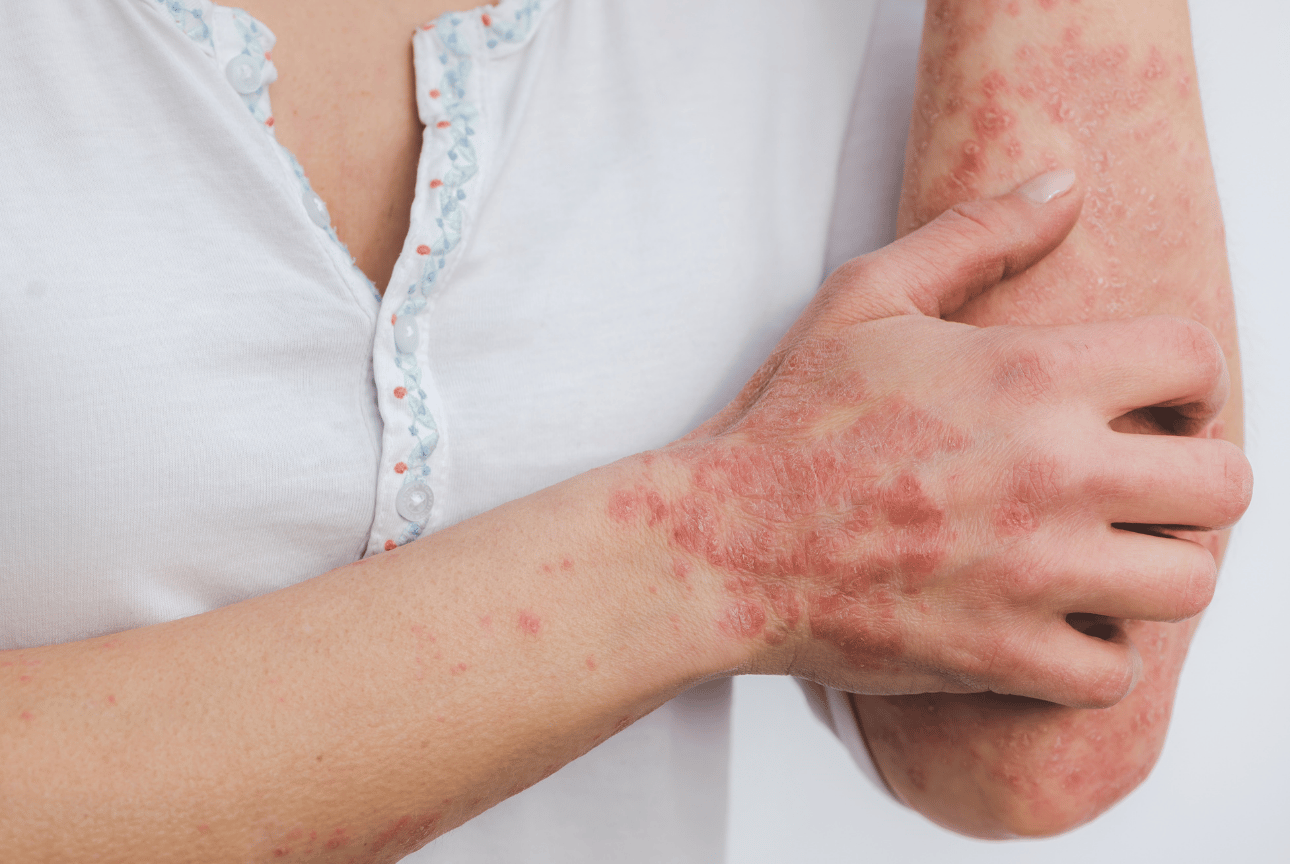
Psoriasis and eczema are chronic inflammatory skin conditions that often follow a cycle of periods of relative stability interrupted by symptom flare-ups. During a flare, symptoms such as redness, itching, dryness, scaling, or irritation may become more noticeable or severe than usual. While psoriasis and eczema are distinct conditions, both involve complex interactions between the immune system, the skin barrier, and environmental factors.
Researchers continue to study why flares occur and why certain triggers seem to affect some people more than others. Although there is no single explanation for every flare, growing evidence suggests that immune activation, skin barrier dysfunction, and external exposures all play important roles.
What defines a flare?
A flare refers to a temporary worsening of symptoms in a chronic condition. For people with psoriasis or eczema, a flare may involve increased itching, more extensive skin involvement, greater discomfort, or changes in the appearance of affected areas.
The timing and severity of flares can vary considerably. Some people experience occasional flare-ups triggered by specific circumstances, while others may notice a more unpredictable pattern. Researchers believe these fluctuations occur because the underlying inflammatory processes driving these conditions can become more active at certain times.
Immune activation and skin inflammation
Both psoriasis and eczema involve abnormal immune responses that contribute to skin inflammation, though the biological pathways differ between the two conditions. In psoriasis, immune cells trigger rapid skin cell growth and inflammation, leading to the development of thick, scaly plaques. Researchers have identified several inflammatory signaling pathways that contribute to disease activity and flare development.
Eczema, also known as atopic dermatitis, is associated with immune system dysregulation that contributes to chronic inflammation, itching, and skin irritation. Inflammatory signals can become amplified during a flare, resulting in worsening symptoms and increased skin sensitivity. Since immune activity plays such a central role in both conditions, researchers continue to investigate how internal and external factors may influence inflammatory responses and contribute to flare-ups.
Environmental and psychological associations
A variety of environmental and physiological factors have been associated with psoriasis and eczema flares. While triggers differ from person to person, several patterns have emerged in research. For eczema, common triggers may include dry air, irritants such as soaps or fragrances, allergens, infections, and emotional stress. Changes in temperature or humidity can also affect symptom severity.
Psoriasis flares have been associated with factors such as skin injuries, infections, psychological stress, certain medications, and lifestyle-related factors. Researchers have also explored how broader health conditions and systemic inflammation may influence disease activity.
Importantly, the presence of a trigger does not guarantee a flare. Instead, many experts believe flare-ups occur when multiple biological and environmental factors interact at the same time.
The role of the skin barrier
The skin barrier serves as the body's first line of defense against environmental exposures, irritants, allergens, and moisture loss. Growing research suggests that skin barrier function plays an important role in both eczema and psoriasis.
In eczema, defects in the skin barrier can allow moisture to escape while making the skin more vulnerable to irritants and allergens. This can contribute to inflammation and increase the likelihood of flare-ups. Although psoriasis is primarily driven by immune dysfunction, researchers have also identified abnormalities in the skin barrier function that may contribute to disease activity. When the skin barrier becomes compromised, inflammation can worsen and symptoms may become more difficult to control.
As researchers continue to learn more about autoimmune and inflammatory conditions, it has become increasingly clear that psoriasis and eczema flares are influenced by a combination of immune activity, skin barrier health, and environmental exposures. Understanding these factors may help provide a broader picture of why symptoms sometimes worsen and how researchers are working to better understand these chronic conditions.
How Evidation can provide insight and support your health
If you're living with psoriasis, eczema, or other chronic conditions, it can be tough to pinpoint your triggers and manage your health. Evidation can help. When you download the Evidation app, you'll be prompted to share the health information you're already tracking. With your permission, we'll use the information you share with us to find patterns, helping you learn more about how you can support your health while managing chronic conditions. Click here to learn more about how Evidation works and get started today.

Navigating health: understanding obesity as a risk factor
Have you ever asked, "What does obesity cause?" If so, then it's time to learn more about conditions that have obesity as a risk factor.
Obesity is a disease that affects nearly 42% of Americans, according to the CDC. If you are a person with obesity, you’re not alone. And it’s important to know this health condition affects more than just your weight. Obesity is connected to many serious health concerns, and understanding these risks and comorbidities will help you understand why prioritizing your health is so important.
Obesity as a risk factor: health risks associated with obesity
Obesity has a clear connection to several serious health conditions. That’s why doctors are so careful to recommend healthy changes if they see a patient’s weight increasing. While there may not be a direct link between obesity and specific conditions, the increased risk is clear.
Why is this? For one thing, too much extra weight takes a toll on the bones, joints, heart, brain, muscles, and additional body systems. Visceral fat, which is the fat around internal organs, can raise blood cholesterol and blood pressure levels while also increasing the risk of developing Type 2 diabetes. Fatty material can build up in the arteries. Sometimes, this can lead to clogs that can prevent blood from flowing properly to the heart or brain. This fact, combined with the higher risk of high blood pressure or high cholesterol levels, increases your chances of developing more serious heart health issues.
Cardiovascular disease is just one health risk people with obesity may face. According to the CDC, other health factors include:
- Type 2 diabetes
- Gallbladder disease
- Osteoarthritis
- Sleep apnea
- Cancer
- Mental health concerns
- Body pain
This list can feel a little overwhelming, but remember, you’re not alone. If you have obesity, many others are also facing these challenges. Understanding these risk factors will help you take the best possible care of your health and wellness.
Obesity and comorbidity
While obesity is a risk factor for several serious conditions, it’s also often found along with other conditions. This is known as comorbidity. Comorbid conditions don’t necessarily cause each other, but they are found together. Interestingly, there’s some overlap between risk factors and comorbid conditions when it comes to obesity. Specifically, obesity is often comorbid with:
Diabetes
According to Harvard, Type 2 diabetes is the health condition most strongly influenced by body weight. Someone who has a BMI of 35 or higher is 93 times more likely to also have diabetes. Researchers theorize that inflammation produced by fat cells may contribute to this link, especially abdominal fat cells. Too much inflammation affects blood sugar levels, which may be why these conditions are often found together.
Cardiovascular disease
Several cardiovascular diseases are directly connected to obesity. For instance, Harvard also indicates excess body weight is directly associated with coronary artery disease. In one study, individuals with obesity had an 81% higher risk of developing this condition. Stroke is also connected to excess body weight. Many people who suffer cardiovascular death also have obesity.
Cancer
Cancer and obesity are also connected, but the connection isn’t as clear as the connection between diabetes and cardiovascular disease because there are many different types of cancers with different causes. Some of the types of cancer connected to obesity include cancers of the:
- Digestive system
- Esophagus
- Pancreas
- Breast
- Endometrium
- Kidney
- Gallbladder
Many of these cancers have the highest connection to fat in the abdominal area rather than other areas of the body.
Reading a list like this can feel overwhelming. Yet it’s important to know these connections so you can make informed choices about your health. With some changes, you may be able to lower your risk and lessen the chance of developing a comorbid condition.
Impact on energy levels
When someone has obesity, they often have lower energy levels or overall feelings of just being tired. There are several reasons for this. First, many people with obesity struggle with their sleep, often due to sleep apnea. Also, the body has to work harder to move when it carries excess weight. Finally, excess body fat can impact the hormones connected to energy levels.
Thankfully, if you’re dealing with lower energy levels, there are some positive steps you can make to improve. One idea is to move your body more often. Exercise may feel difficult when you’re tired, but as soon as you get moving, you’ll start feeling the impact of endorphins, which can increase your energy and boost your mood. Movement doesn’t have to be strenuous, either. A simple walk around the block can have great positive impacts on your energy.
Second, consider drinking more water. Hydration increases energy levels, and water intake requirements have a direct link to your body’s size. You may need more than you think!
Obesity and mental health
Poor energy and other health conditions can all impact your mental health. You may be a victim of body-shaming as well as over half of all adults experience stigma related to their weight in some way. As many as 20 to 60 percent of people with obesity are also suffering some sort of psychiatric illness, which is a higher rate than the general population. Understanding that you aren’t alone in these struggles, and empowering yourself to make positive health changes, may help lessen the impact on your mental health. Always remember to seek professional care, too, if you have a mental health concern.
Practical tips for health prioritization
These risks of obesity are serious, but the good news is that positive health changes make a big difference. While each individual’s approach to health will be unique due to their personal life experiences, most people can make changes that will lower their risk of developing these conditions. The key is to prioritize your health.
If you’re struggling with being overweight and are aware of obesity risk factors, you may already know changes you can make that could help you live a healthier lifestyle. If these changes feel challenging, remember that every small step you take can have a big impact on your overall health.
Before you start any health changes, consider having a check-up with your doctor. You might have underlying health conditions making it harder to work on your weight. If you treat these, you might find your healthy lifestyle changes are more effective. You can also get the green light from your doctor for the changes you want to make.
Another strategy to consider is a change in your diet, which can start with portion control. Eating smaller portions can help you lower your calorie intake, which is a good first step. You can also increase the number of fruits, vegetables, and lean proteins you eat, which give you more nutrients than other foods. As you start making dietary changes, check out some common health myths, such as the idea that all carbs are bad, and make changes a little bit at a time.
Remember that water is a way to boost your energy? It’s also a way to achieve other health goals. Drinking the right amount of water for your body and your activity levels can not only increase energy, but it could also help you eat less. If you add water a little bit at a time, you’ll likely find that it becomes a habit, and it also may help you eat less as you work to reduce your body weight.
Finally, remember the importance of exercise! Find times when you can incorporate more movement into your day, such as by taking the stairs instead of the elevator or having a dance party at home at the end of the day. If you have mobility challenges, a seated workout might be a good way to get started. You’ll likely find that doing so boosts your energy levels and your motivation.
Making health changes and embracing healthy living can feel overwhelming at first, but every little change adds up over time. You can use tools to track these changes to help you stay motivated. You can also pair Evidation with your favorite health and fitness tracking program to reward yourself for the healthy changes you make. Download the app today to take back your health with Evidation.

How to maintain weight: a practical guide
Utilizing tracking apps, staying active, and revamping your nutrition are all keys to how to maintain weight as you age.
While weight is just one measure of health, maintaining a healthy weight for your body can be an important part of feeling your best. If you've ever been curious about how to maintain weight after losing it, or you're concerned about gaining weight as you get older, we've got you covered. Here, we'll explore how to understand your body's needs and simple steps you can take to help you stay within the weight range that's healthiest for you.
Comprehending your body's needs
In order to maintain your weight, it's important to understand your body's caloric needs (this is especially important if you have special health conditions, or if you've had weight loss surgery). There are many factors--including age, body composition, gender, and activity level--that can play a role in how many calories your body needs in order to thrive.
Using a simple calculator--like this one from the Mayo Clinic--can give you a baseline idea of how many calories your body might need each day. Of course, calculators like these only account for age, height, weight, and gender, and it's a good idea to talk with your primary care provider about whether you need to change your caloric goal based on your body's unique needs.
Metabolism--the amount of energy your body needs to maintain its weight and activity levels--changes with age. Around age 20, the body's metabolism begins to slow down. This change continues over time, with the body's metabolism slowing down by about 10% each decade. There are several factors that contribute to this change, including changes in physical activity levels and loss of muscle mass.
Once you understand your body's caloric needs, you're able to make decisions that can help you feel your best for years to come. Here, we'll take a look at some actionable tips you can use to maintain your weight at any age.
Create sustainable habits
Creating habits is an important part of maintaining your weight in a healthy way. Many of us have experienced the dip in willpower that comes after a surge of motivation (such as resolving to overhaul eating habits as a New Year's resolution). Willpower almost always fades, but habits are more likely to stand the test of time.
Rather than changing your entire life to work toward maintaining your weight, implementing small habits that you can stick with can be a more effective way to create lasting health. As you browse through the habits discussed below, think about the small ways that you can incorporate these ideas into your day-to-day life.
Balanced nutrition matters
.jpeg)
It's important to work with your health care provider to get an understanding of what a balanced diet means for your body. That being said, following general guidelines that prioritize foods with a higher nutritional value can help you make the changes that will allow you to maintain your weight as you get older.
While foods with a lower nutritional value (such as baked goods, salty snacks, and sweets) can fit into most nutrition plans from time to time, it's important that the bulk of your calories come from whole, unprocessed foods. Incorporating vegetables, fruit, protein (like meats, fish, and nuts), and whole grains into your daily diet can help you maintain your weight and feel your best.
Mindful eating
Busy schedules can make it tough to sit down and fully enjoy a meal, but doing so is vital to help you maintain your weight over time. It's easy to eat more food than your body needs when you're always on the go, and it's even easier to forget to track foods that you pick up from the refreshment table at a meeting or at the drive-thru on a lunch break.
Planning, recording, and taking time to enjoy your meals can make it easier to stay on track with eating the foods that make you feel your best. Preparing meals as a family, trying a new fruit or vegetable each week, and carving out time in your calendar to sit at the table--distraction free--can all contribute to a heightened sense of satisfaction from food.
Incorporating physical activity
Exercise matters! While keeping your body moving will certainly help you maintain your weight as you get older, the benefits don't stop there. When you're active, you're lowering your risk of diabetes, cancer, cancer, stroke, and heart disease.
While it's recommended that you get about two and a half hours of exercise per week, you don't need to start there if you haven't exercised in a while. Going for a ten-minute walk around the block after dinner, taking the stairs instead of the elevator, and choosing the farthest parking spaces while you're running errands can all help you begin to incorporate movement into your life.
Using a step tracker and checking your data each week can help you set achievable yet challenging goals that will encourage you to keep moving. Invite your friends and family to participate as well--when the people around you are prioritizing movement, it's easier to stay on track.
Utilize tracking tools
Like we mentioned, using tracking tools is key to increasing your physical activity and understanding your nutritional habits. Consistency is key, and it's important that you know where you're at in order to make the changes that will boost your health. Integrating an app that allows you to utilize data can provide you with support and insight on how to make changes that can help you maintain your health over time.
Evidation: Here to support you as you move toward your health goals
With Evidation, you get both the tracking and support that you need to work toward your health goals. Our clear guidelines help you know the steps you need to take to optimize your health--and our data tracking allows you to celebrate your progress. Our team is here to support you. Download the app today to make the most of your health data.

The Ultimate List of Iron-Rich Foods
Are you low in iron? Check out this list of iron rich foods you can add to your diet today.
Making healthy food choices starts with understanding the nutrients, including vitamins and minerals, that you need to support your health goals. Iron is one of the minerals you need. If you’re struggling with low iron, or you want to prevent yourself from becoming iron deficient, this list of iron-rich foods will help.
The vital role of iron in health and its benefits
The mineral iron works in the body’s production of hemoglobin. This part of your red blood cells carries oxygen to the body, so it directly affects energy as well as growth and development. Hemoglobin, which requires iron, is also an important part of brain development.
People of all ages need adequate iron in their diets to support these functions. The American Society of Hematology estimates that 1.2 billion people around the world are deficient in iron. This condition, known as anemia, can cause people to feel weak or tired, have concentration problems, experience irritability, and have numbness or tingling of the hands, according to Penn Medicine.
Because of the impact on growth and development as well as the uncomfortable symptoms of iron deficiency, getting enough is quite important to your overall health. Luckily, this is a mineral you can get from your food, as long as you don’t have an underlying health issue that makes absorbing iron difficult.
Top iron-rich foods for a balanced diet: How you should consume it
Iron comes naturally from many foods. There are two types of iron you can get from your diet. Heme iron is the type found in meat and fish. The body can easily absorb this type. Non-heme iron is found in plant-based foods and eggs. It’s less easily absorbed by the body.
One way to increase your absorption of iron is to consume iron-containing foods with foods high in vitamin C, such as peppers, sprouts, broccoli, strawberries, citrus fruits, kiwi, and papaya. You can also opt to take a vitamin C supplement with your iron-rich meals if you prefer.
Animal-based iron sources
If you want easy-to-absorb iron, you’ll need to look to animal-based iron sources for heme iron. Heme iron comes from hemoglobin, and you’ll find it in meat and seafood. Most meats are good sources of iron. Red meat is well-known for being a solid source of iron, but it’s also found in chicken, turkey, ham, pork, shrimp, tuna, and lamb.
One food that is particularly rich in iron is liver. A 3.5-ounce serving has 6.5 mg. This is 36% of the recommended daily amount for the average adult.
If you’re a meat eater, consider adding one of these protein sources to every meal. This will increase your iron and ensure you get the easily absorbed type.
Plant-based iron sources
If you’re vegan or vegetarian, don’t worry. You can get ample iron from plant-based sources. This is non-heme iron, so it’s not as easily absorbed. This fact means you should add in the vitamin C rich foods to help with your body’s absorption.
The best fruits, vegetables, and grains to use for non-heme iron include:
- Peas
- Tofu
- Tempeh
- Enriched bread, pasta, and cereal
- Rye
- Whole-grain breads
- Figs
- Dates
- Lentils
- Soybeans
- Raisins
- Prunes
- Broccoli
- String beans
- Dark leafy greens
- Cabbage
- Blackstrap molasses
- Seeds and nuts, except peanuts
- Hemp seeds
Cooking and meal ideas to boost iron intake
So how can you create meals that are practical and iron rich? Here are some easy meal ideas that include foods high in iron and are also tasty.
Steak salad
Steak salad is a great option to add some leafy greens and some red meat to your diet. You can top the salad with raw broccoli, cabbage, and even some hemp seeds to increase the iron content. The addition of peppers will add the vitamin C you need to assist with absorption as well. This makes a very balanced lunch option.
Steak and eggs
Steak and eggs is a healthy, iron-rich breakfast idea. Add some spinach in with the eggs to make it even more nutrient-dense and to get some produce in your meal.
Taco Tuesday
Yes, tacos can be an iron-rich option for your dinner meal. Use ground beef or ground pork to give the meal an iron boost, and add cabbage or dark leafy greens as a topping. Roll them into a whole-grain tortilla to give even more iron to the meal.
Soup
One of the beautiful things about soup is that you can add just about anything to it to change up the flavor profile and make it fit your needs. Start with beef or chicken broth, choosing bone broth if possible to get more nutrients. Then, add some protein from the list of foods rich in iron. Include vegetables, such as spinach and peas, and then round it out with an iron-rich legume, like lentils. The spices you add will change the flavor profile to be exactly what you want, changing with your tastes.
Stir fry
Beef and chicken are high in iron, and peppers are high in vitamin C. Making a stir fry with these ingredients will bring both into your diet, and this increases the absorption of the iron. Many stir fry recipes also work well with broccoli, an option that has both vitamin C and iron.
Liver and onions
Liver and onions is a great way to start trying liver, especially if organ meat isn't something you’ve developed a taste for. To make this dish, soak your liver in milk for a while to remove the bitterness. Then, saute some onions in butter until soft. Dredge the liver in a mixture of flour, salt, and pepper, and fry it in the same pan as the onions. Serve together.
Add an iron-rich food to your favorite recipe
You don’t necessarily need to cook recipes specifically for their iron content. You can get a similar benefit by simply adding iron-rich foods to your favorite recipes. For example, do you usually eat manicotti? Consider mixing in some spinach with the cheese before you stuff the noodles.
Start tracking your food with Evidation
As you focus on making smart food choices, including adding more iron into your diet, Evidation can help. You can use the app to reward yourself for smart food choices that support your health goals. You can also use your favorite app to track your water intake and count calories, then earn rewards by pairing these apps with Evidation. Start rewarding your healthy choices with Evidation today.

Happiness and its relationship with health
Happiness is increasingly recognized as an important part of overall health. Find out how happy Evidation Members are and what impact it has on their health.
We recently asked our members about their level of happiness: “All things considered, how happy would you say you are?” More than 93,000 people from all 50 states answered, telling us that:
- 53% were “Very happy”
- 17% were “Happy”
- 20% answered “Neutral”
- 10% were “Not very happy” or “Not at all happy”

With 70%, or more than 65,000, of our members saying they were very happy or happy, we thought we’d dig into what this means and share our insights here.
Happiness is increasingly recognized as an important part of overall health. March 20 has been the official International Day of Happiness for the last 10 years, a day that recognizes happiness as “a fundamental human goal” and encourages countries around the world to consider happiness in their public policies. The United Nations also issues its annual “World Happiness Report” on that day. In the 2023 report, Finland was considered the happiest country in the world for the sixth year in a row!
What does it mean to be “happy"?
The simple dictionary definition of happiness is a “state of well-being and contentment,” but as you can imagine, having a sense of well-being and contentment can mean different things for different people. What you consider important for your well-being, and therefore happiness, is probably not the same as your partner, your parents, your neighbors, or your friends.
For the World Happiness Report, the United Nations takes into account 14 different physical and mental health items, including our relationships with our family, at work, and in the community, as well as the amount of social support we feel that we receive, satisfaction with our work situation, and the amount of personal freedom we believe we have.
Researchers specializing in happiness also suggest that happiness is made up of many different aspects of our life, including our:
- Feelings of joy, pleasure, and cheerfulness
- Sense of purpose in life
- Satisfaction with our quality of life
The researchers drew this diagram to show how different factors contribute to our happiness:

What did we find out about happiness in the Evidation community?
When we look at the diagram above, it’s clear that happiness is affected by many different parts of our lives, some that we can control and others that we can’t. To look at some of the traits of our Evidation community that influenced their happiness, we used the answers about happiness we reported at the beginning of this article and linked those with where our members live (by zip code), the size of their cities or towns, and their relationship status.
We found that the five happiest states were:
- Kentucky
- Arkansas
- Mississippi
- Louisiana
- Utah
Interestingly, four of the five states are located in the Southeast.

- People in Kentucky were more likely to be married or living with partners (74%) than people in California (60%) or New York (58%), who reported lower levels of happiness.
- People in Kentucky were more likely to live in smaller towns and rural areas.
- For people in the Southeastern states, happiness generally was higher in more rural neighborhoods.
- Compared with people living in the Southeast, people in California and Montana (who were not as happy) said they were less likely to receive or provide help or support from people close to them.
How does happiness affect health and vice versa?
Now that we’ve looked at what can affect our levels of happiness, what does that have to do with our health? It’s not really an easy question to answer because of how complex both happiness and health are, but research over the last couple of decades has shed light on ways that being happier or having greater well-being can be positive for health, including:
- Lower heart rate and blood pressure
- Lower risk of heart disease and stroke
- Decreased risk of dementia
- Less likely to develop a cold after exposure to a virus
- Better physical responses (such as heart rate) to stressful events
- Less pain due to arthritis or a chronic pain condition
- Longer lifespan
- And much more!
Some of the findings we had from the Evidation community might be related to how connected we are to the people around us, regardless of how many people there are. Having close relationships has also been linked to greater happiness and a longer lifespan in a long-term study. Positive social relations can also improve your ability to overcome stress and maintain a positive outlook.
It’s for these reasons that the United Nations and other global organizations emphasize the importance of a population’s happiness in government planning.
What are some actions you can take to improve your well-being and happiness?
Each of us can also take actions to improve our own levels of happiness and therefore our health. Not every action needs to be large. In fact, results from a study called BIG JOY showed that micro-acts or small actions performed every day had a big impact on emotional well-being (life satisfaction, happy feelings, meaning in life), positive emotions, enhancing relationships, and improving sleep. Below are some suggestions for ways you can add to your well-being.
Enhance your social support network by reaching out to friends, family, and coworkers or joining a professional organization, sports club, church group, book club, or other group-based activity.
Perform selfless acts for others by volunteering at a local organization, helping a stranger in need, or donating money to your favorite charity.
Fit in some physical activity by taking a walk, parking further away at the grocery store, joining a fitness class, or dancing to your favorite song.
Spend time in nature by eating your lunch outside, sitting on a bench in your local park, or joining a guided hike.
These are just a few examples of ways research has shown can enhance well-being — try one, many, or all and find others that fit into your life and bring you joy.
Want to receive personalized health insights? Complete cards daily in the Evidation app and, if you haven’t already, connect a compatible health app.
Don’t yet have an Evidation account? Download the app today!

Does blood pressure rise after eating?
Is eating a case of sudden high blood pressure? For some people, the answer to this question is yes. Here's what you need to know.
There are many factors and lifestyle events that can cause your blood pressure to increase. Exercising, while healthy for your heart, can cause a temporary increase in blood pressure. Stress can be a cause of sudden high blood pressure as well. But what about necessary lifestyle factors, such as eating? Does blood pressure rise after eating? For some people, it does.
Generally speaking, when you eat, your blood pressure goes down temporarily. This is because the body sends blood to the gastrointestinal system to help you break down your food, and the rest of your body experiences a drop in blood pressure. Increases in blood pressure are less common, but they can still happen. If you suspect your blood pressure’s increasing after eating, here’s what you need to know.
The physiology of eating: how the body responds
When you eat, your body must send extra blood to the digestive organs to help with breaking down the food and using its nutrients. When this happens, the blood vessels away from the digestive system narrow. This process also triggers an increased heart rate after eating. All of this happens so that the body maintains sufficient blood flow to the brain and extremities, even though more blood is going toward the digestive system.
These physiological processes cause a slight dip in blood pressure that’s rarely a cause for concern. Sometimes, the blood vessels and heart don’t respond the way they should to these natural changes, causing a more severe decrease in blood pressure accompanied by symptoms, such as dizziness and lightheadedness. This is a condition known as postprandial hypotension. Having high blood pressure after eating is less common, but it can happen.
How do you recognize high blood pressure after eating?
Having high blood pressure after eating is a condition known as postprandial hypertension. This rare occurrence is hard to spot because high blood pressure doesn’t cause many symptoms. Most of the time, people only realize they have this issue if they take their blood pressure after eating for another reason.
That said, extremely high blood pressure spikes can cause symptoms, according to the World Health Organization. These may include:
- Severe headaches
- Chest pain
- Dizziness
- Nausea
- Breathing difficulties
- Changes in vision
- Anxiety
If you have any of these symptoms after eating, talk to your doctor right away. This can indicate a severe increase in blood pressure that needs immediate medical attention.
Factors influencing high blood pressure changes
There are several factors that can influence your blood pressure and cause it to rise. These include:
Cuff size or reading errors
If you're getting an unusually high reading after eating, make sure you're using a blood pressure cuff that's the right size for your arm. If it's too small, you will get an inaccurate reading, and that reading will be high. Similarly, make sure you are reading the blood pressure properly and are sitting still, with your arm gently resting on a table or the arm of the chair.
Food choices
If you eat foods that are high in salt or saturated fat, you’re going to be more likely to notice an increase in blood pressure after eating. The salt and fat content triggers this change. Monosodium glutamate, also known as MSG, is also connected to blood pressure increases.
Stress
Stress can cause increased blood pressure. This isn’t directly connected to eating, but you may notice higher readings if you’re in a period of high stress.
Caffeine
Caffeine intake can cause your blood pressure to increase. If you consume caffeine at your meal, then you’re more likely to notice increases in blood pressure after you finish eating, but the beverage, not the food, is the trigger.
Alcohol
Very Well Health indicates alcoholic beverages can trigger an increase in blood pressure. This increase in blood pressure is short-lived, but if the spike is high enough or if you already have high blood pressure, it can be dangerous.
Managing post-eating blood pressure: lifestyle strategies
Eating is not usually a cause of sudden high blood pressure spikes, but for some people, it does cause a slight increase. If you’re dealing with blood pressure problems and have found a connection between eating and high levels, there are some lifestyle changes you can make to help.
First, know that temporary increases in blood pressure, as long as it’s normally at a healthy level, may not be a cause for concern. Talk to your doctor about your cardiovascular health so you can know whether or not this is an issue.
If your doctor is concerned, take measures to improve your cardiovascular health and lower your cholesterol levels. Increased exercise and water intake are both good strategies to create overall improvements in your heart health.
You can also focus on what you eat if you’re seeing a connection between your blood pressure and your eating schedule. Healthline indicates the Dietary Approaches to Stop Hypertension (DASH) diet is a good place to start. This diet focuses on foods that are low in salt and saturated fats, including fresh produce, low-fat dairy, and whole grains. It also recommends limiting added sugars. With these changes, you can lower your blood pressure up to 11 mm Hg, which could significantly impact the changes in blood pressure after eating.
Healthy eating also means adding some factors into your diet. For example, potassium and magnesium can help lower blood pressure levels, according to one study. Lean protein and fiber are also beneficial to your cardiovascular health.
Blood pressure increases after you eat are rare, but for some people, they can be normal. However, if you’re already dealing with elevated blood pressure, or if those increases are substantial, you’re going to need to pay attention to them. Being mindful of this type of postprandial blood pressure change, and making lifestyle adjustments when needed, can help you take better control over your health. By prioritizing your health and staying informed about factors that influence it, you can enjoy better wellness in your life.
If you’re looking for help with achieving your health goals, consider Evidation. Our clear guidelines and support have helped many people reach their health goals. Start tracking your health with Evidation today.

Why does my weight fluctuate so much? Understanding the reasons behind fluctuations
If you've been wondering, "why does my weight fluctuate so much?" you're in good company. Learn more about this normal occurrence and why it happens.
When you’ve been focused on healthy changes to your diet and lifestyle, stepping on a scale to see an unexpected increase or decrease can be disheartening, to say the least. Yet weight fluctuations are actually quite common, even when you’re choosing healthy foods and movement. If you’re seeing weight fluctuations, even unexpected increases or decreases in your weight, don’t be alarmed. This is something everyone experiences, and here are some of the reasons why it happens.
Common causes of weight fluctuations
Is weight fluctuation normal? Yes, it is, and everyone experiences it. So what causes the weight to go up or down on the scale, even when you’re focused on making healthy changes to achieve your weight goals? Here are some common causes of weight increases:
- Foods, especially foods high in sodium or carbs
- Hormonal changes, especially menstruation
- Medications you take
- Alcohol consumption
- Lack of a bowel movement
Here are some common causes of drops in your weight:
- Exercise and sweat
- Hormonal changes
- Stress
- Recent urination or bowel movement
Daily and weekly weight variations
How much does weight fluctuate throughout the day or week? Weight variations happen both on a daily basis and a weekly basis. In a healthy adult, it’s common for weight to fluctuate as much as five to six pounds a day and even more after eating a meal. For this reason, you might want to try to weigh yourself at the same time each day.
Yet even day to day, you can experience weight fluctuations, even when all other factors are similar each day and you’re weighing at the same time of day. According to Henry Ford Health, the average healthy adult will gain or lose two to eight pounds every few days, and that’s not due to fat loss but rather normal weight fluctuations. In addition, weight tends to be higher at the beginning of the week for most people, and lower toward the end of the week.
Water weight and hormonal influences
One of the reasons your weight will change over the course of a week is due to hormones, which can cause you to retain, or sometimes to lose, water weight. Hormone changes, especially in people who are assigned female at birth, are a common reason for weight gain. When a woman is nearing her menstrual period, she often retains water and gains weight, and that weight comes off after her cycle. How much do you gain on your period? This varies from person to person and may depend on how much unhealthy food you consume, but increases of between 1 and 5 pounds are common over that week.
In contrast, you can also lose water weight which can cause a drop in weight. Going on a run on a hot summer day may make you lose water weight as you sweat. These types of weight gains or losses aren’t directly related to fat gain or loss, and as such, are temporary in nature.
Dietary factors: how food choices impact temporary weight changes
Hormones are just one reason people might gain water weight. Your dietary choices also impact your weight. Remember, all food has weight, so you’re going to weigh more after eating than before, but some foods can carry over long after the meal and cause temporary increases in your weight.
For example, if you eat a large amount of salty or processed foods in a day, you might retain more water over the next few days as your body works to flush out the salt and processed chemicals. Large meals, such as a holiday feast, can also cause temporary weight increases until your body processes all of the food.
Foods high in carbohydrates may also lead to water retention, which leads to increases in weight. This is why you might notice temporary weight gain after you eat out or after several holiday parties full of sweet treats. Restaurant foods, even healthier choices at restaurants, tend to be higher in salt and processed chemicals than foods you make at home, and as such, they’ll create a temporary increase in weight.
Sometimes, people are surprised to know that not drinking enough water can actually cause you to gain weight temporarily. Your body will retain more water when you aren’t drinking enough, and this, in turn, can lead to temporary weight gain.
What and how often you eat can also cause weight decreases. Periods of fasting, including overnight when you’re sleeping, will cause your weight to decrease temporarily. Similarly, if you eat a high protein, low carb diet for a while, you may see the scale moving down, but adding in healthy carbs can help it balance back out.
How should you weigh yourself? Long-term trends vs. short-term changes and what to focus on
These temporary changes in weight can be discouraging for many people who are trying to make healthy changes, but they’re a normal part of being human. One way to counteract the disappointment at seeing that number go up (or down, if you’re trying to gain weight) is to weigh yourself in the best way.
First, try to weigh yourself at the same time each day, preferably without shoes on. Wear similar clothing each time you weigh, and, if possible, weigh after using the restroom. Many people find it convenient to weigh after they get up in the morning before eating breakfast.
After learning to weigh yourself well, consider looking at long-term trends rather than short-term fluctuations, recommends Very Well Fit. If you’re seeing the scale increase day after day, with no drops, it may be time to consider making a change. However, if you’re seeing gradual decreases, with occasional increases, and your goal is to lose weight, then you’re succeeding. Those increases are likely due to normal, natural causes.
Another option to consider is using a body weight scale that measures more than just pounds. These scales will measure your body fat and water percentage to help you see where you stand in your health goals. If you’re adding healthy exercise to a change in your diet, this will help you know if your weight increases are due to increasing muscle mass, which might be part of your goal, rather than increases in body fat.
You can also use another measure to weigh your success instead of your weight. For example, rather than jumping on the scale, see how your clothes fit. If they're getting a little tight consistently, and your goal isn’t to gain, then you’ll want to reevaluate your changes, but if they're getting looser, you might be on the right track toward your healthy living goals.
You can also use a tool, such as Evidation, to track your health goals, including exercise and food choices, and earn rewards for the positive changes you make. Remember, wellness is about more than just weight, and using a health tracker and pairing it with Evidation can help you take your next steps towards healthy living so that you can focus less on normal weight fluctuations and more on your healthy lifestyle progress. Track your health with Evidation today.

Digestive wellness: your high-fiber foods chart for constipation
Learn the do's and don'ts of adding fiber to your diet to help with constipation.
When your digestive system isn't getting rid of waste properly, it can be a pain--literally and figuratively. Thankfully, sticking to a high fiber diet can help ease constipation issues, and adding food with lots of fiber to your diet long-term can help stop constipation from happening in the first place.
Here, we'll take a look at some of the most common causes of constipation, how eating plenty of fiber can support a healthy digestive system, how you can boost the amount of fiber in your diet, and tips to keep in mind to help you adapt to your new constipation-fighting nutrition plan.
Understanding constipation: causes and impact on well-being
Constipation is a condition characterized by infrequent or difficult-to-pass bowel movements. Some people experience chronic constipation. Most people experience the condition at some point in their lives.
There are many factors that can cause or exacerbate constipation, including:
- Taking certain medications
- A sedentary lifestyle
- Dehydration
- A low-fiber diet
- Certain health conditions, like irritable bowel syndrome
- Pregnancy
- Travel
- Changes in sleep patterns
While constipation can be uncomfortable, the occasional bout of the condition is usually nothing to worry about. When constipation becomes chronic, however, many people find that it affects their overall well-being. Research shows that chronic constipation is correlated with anxiety and depression, and may be related to chronic inflammation.
In addition to the mental health issues that often occur alongside constipation, many people develop physical health issues, including hemorrhoids, skin tags, infections, and blood clots. Other complications, including anal fissures, impaction, and rectal prolapse are also possible.
The good news: if you're experiencing chronic constipation, there are some simple steps you can take to help you get in the bathroom and get moving. Here, we'll take a look at what you need to know to support your digestive health by adding fiber to your diet.
The role of fiber in digestive health
Fiber is not a nutrient, rather, it's an indigestible--yet edible--component of plant foods. Fiber helps to improve digestive function by increasing the volume of stool, affecting the rate of digestion of different foods, and providing the environment necessary for the continued growth of healthy bacteria that resides in the intestine.
Many people who experience constipation find that adding high-fiber foods to their diets makes it easier to pass stool. While fiber supplements can be helpful, whole-food fiber sources are the best way to help your digestive system.
High-fiber foods chart & meal plan
%2520(1).jpeg)
Let's take a look at some high-fiber foods you can add to your diet to help relieve constipation and support your digestive health.
A simple high-fiber meal plan might look like this:
- Breakfast: Oatmeal topped with strawberries and a drizzle of local honey, with a half cup of low-fat yogurt on top
- Lunch: A bowl of turkey chili with kidney and navy beans, topped with half an avocado
- Dinner: Grilled BBQ chicken with cauliflower, broccoli, and a sweet potato with butter
Of course, it's important to take your time when it comes to figuring out what works for you. Talking with your doctor about your fiber goals can be a helpful way to learn what number you should be shooting for each day.
Balancing fiber intake: dos and don'ts for digestive comfort
When you're constipated, it can be tempting to load up on fiber to get fast relief, but doing so may leave you in worse shape. Too much fiber at once can lead to gas, stomach pains, and bloating, and may not solve your constipation issue. Slowly adding fiber-rich foods to your diet can both ease constipation and help prevent you from experiencing constipation in the future.
In addition to adding fiber to your diet, you'll want to drink plenty of water throughout the day. This can help to ease constipation and can help your fiber-rich diet move smoothly through your digestive system.
As we mentioned above, fiber supplements can be a good fit at times, but the best way to get your fiber is by adding whole, natural plant foods to your diet. If you think a fiber supplement might be necessary to support your digestive health, talk with your doctor about how often you should supplement.
Beyond constipation: additional benefits of a high-fiber diet
While you'll likely notice a fast change in your digestive health after adding more fiber to your diet, the health benefits don't end there. Research shows that adding fiber to your diet can help you achieve a healthy weight, live longer, and control your blood sugar and cholesterol levels.
Adding fiber to your diet is a manageable way to boost your overall health. Whether you're dealing with digestive issues or things are moving along smoothly, giving your body a fiber boost offers benefits that go beyond the bathroom.
Evidation: Taking your health to the next level
At Evidation, our team is here to help you feel your best. Whether you're looking for tips that can help you get more activity in your day or you want to learn more about your health conditions, our health tracking app allows you to make the most of your health data. Download the app today to start your journey to getting healthy--and to be rewarded for making smart choices that fuel your body and your fitness.

Does blood pressure affect heart rate?
Your blood pressure and heart rate affect one another--here's how to keep track of both and boost your heart health.
When you go to the doctor's office, your healthcare provider will typically check both your blood pressure and your heart rate at the start of your appointment. While both of these cardiovascular vital signs can provide insights into your health, they provide distinctly different information. Understanding the difference between heart rate and blood pressure--as well as how the two measures can affect one another--can provide you with information you can use to boost your health.
What are heart rate and blood pressure?
Also known as your pulse, your heart rate measures the number of times your heart beats in each minute. There are many factors that can influence your heart rate, including your fitness level, current physical activity, certain medications, and your emotions.
Blood pressure doesn't measure how often your heart is beating, rather, it measures the force with which your blood is flowing against your arterial walls. Your blood pressure reading can provide you and your healthcare provider with insight into the health of your cardiovascular system.
When both your heart rate and your blood pressure reading fall within a healthy range, it's a sign that your cardiovascular health is solid. If your heart rate and/or blood pressure reading are too high or too low, it's a sign that you're in need of further testing for heart-related health conditions.
Blood pressure and heart rate: How they influence each other
While your blood pressure and heart rate aren't measures of the same thing in your body, they do tend to rise and fall together. Many people find that when their heart rate is very high, their blood pressure is very high as well, as the heart is working hard to get oxygen to various parts of the body.
Many people also find that when their heart rate is very low, their blood pressure is low as well. Typically, the ups and downs of heart rate and blood pressure measures are most noticeable during extreme circumstances, such as when you're experiencing a health crisis or during times of extreme emotional stress.
While the two measures often work in tandem, this isn't always the case. Some health issues--including dehydration, severe cases of infection, or severe blood loss--can cause blood pressure to decrease while the heart rate increases.
Factors affecting blood pressure and heart rate

If your blood pressure or heart rate are too high for your (or your healthcare provider's) liking, it's important to take steps to get both measures into a healthy range. Thankfully, activities that lower one of these measures will usually lower the other.
Some changes you can make to lower your blood pressure and heart rate include:
- Exercising regularly
- Managing stress through writing in a journal, listening to music, meditating, yoga, deep breathing, playing with pets, or spending time with family and friends
- Eating a healthy diet (and limiting the amount of added salt in your diet)
- Don't smoke, and if you do smoke, make a plan to quit
- Don't drink, and if you do drink, limit your alcohol intake
- Eat foods rich in magnesium and potassium (including pumpkin seeds, bananas, and leafy greens)
Sometimes, medication is necessary to support your heart health. Your doctor will be able to work with you to decide whether it makes sense for you to support your cardiovascular health with medication while you also implement lifestyle factors that can help you feel your best.
Measuring and monitoring: tips for tracking your vitals at home
Keeping track of changes in your heart rate and blood pressure can help you get an idea of how different factors, including stress, exercise, illness, and getting enough sleep, affect your cardiovascular health.
It's simple to take your heart rate and blood pressure measurements at home. Most automated machines that you can purchase for home use provide you with a blood pressure and pulse reading at the same time. While some smartphone apps claim to be able to measure blood pressure, these aren't approved by the Food and Drug Administration (FDA) and shouldn't be used to gather insights about your health.
A few tips to follow to help you get accurate heart rate and blood pressure readings at home:
- Be sure to take your readings at the same time every day
- Don't take your readings immediately after exercising unless you're working to measure your active heart rate and blood pressure
- Make sure you always take your blood pressure on the same arm, as the right arm tends to show higher blood pressure readings than the left arm
- Sit in a chair with your legs uncrossed during your blood pressure reading, as crossing your legs can cause up to a 10-point increase in your systolic blood pressure
- Consider your breathing when you take your blood pressure. Implementing a standardized breathing pattern can help to ensure that your mind is focused and your mind is as relaxed as possible
Some variation is normal in your day-to-day readings. If you notice sudden changes in your heart rate or blood pressure, it's important to reach out to a healthcare provider right away. If you notice gradual changes over time--for example, your blood pressure rises steadily over a few months--it's a good idea to make an appointment with your doctor to learn more about how to keep your blood pressure within a healthy range.
Whether you've been using your health data for years or you're just getting started with learning more about what works for your body, keeping track of your blood pressure and heart rate can help you see what's working for your health--and how some changes might benefit your well-being.
Download Evidation today
At Evidation, we're here to help you make the most of your health data. Whether you're starting to track your blood pressure readings, want to boost your activity levels, or want to learn more about your health conditions, we've got you covered. Our clear guidelines, tips, and support make it easier for our users to achieve their health goals. Download the app today to get started!

What is pulse pressure? Understanding the importance of a healthy heart
Do you know your pulse pressure? Here's how this number impacts your heart health, and how you can calculate it.
Most people know about blood pressure and its connection to cardiovascular health, but have you ever heard of pulse pressure? This lesser-known number can actually be one of the first indicators of cardiovascular concerns. Here’s what you need to know about pulse pressure, its connection to your heart health, and how to use it to monitor your health.
What is pulse pressure?
Pulse pressure is a measure of the difference between the systolic and diastolic blood pressure readings. It’s a lesser-known number that can have a big impact on your overall cardiovascular health.
Pulse pressure and its connection to cardiovascular health
To calculate pulse pressure, simply subtract the upper number and lower number of your blood pressure. It’s normal for this to increase as you age, but if the pulse pressure gets too high, it can indicate cardiovascular health problems, even before symptoms develop.
A high pulse pressure reading doesn't necessarily mean you have heart disease. However, it does mean you have an increased risk of heart disease. A high pulse pressure reading potentially increases the risk of both heart disease and stroke. Even just an increase of 10 mm Hg can increase heart disease risk by as much as 20 percent, according to research from the National Library of Medicine.
Low pulse pressures can also be problematic. According to the Cleveland Clinic, a low pulse pressure, when the pulse pressure is ¼ or less of the systolic blood pressure number, may indicate the heart isn’t pumping enough blood. This can indicate heart failure or heart valve disease in some people, and it can indicate a loss of blood in others after injury or due to internal bleeding. Thus, both low and high pulse pressures can indicate problems with your cardiovascular system.
Understanding the numbers: interpreting pulse pressure readings
A normal blood pressure reading for a healthy adult is typically 120/80. To find pulse pressure, subtract these two numbers. 120 – 80 = 40. You can find this any time you take your blood pressure reading using the same formula.
So, what does the number mean? Healthline indicates a normal pulse pressure reading falls between 40 and 60 mm Hg. Anything higher than this is considered high, while anything lower than this indicates a low reading.
Pulse pressure should be considered along with blood pressure. For instance, if someone has a pulse pressure of 60 mm Hg and a blood pressure of 120/80, which is normal for an adult, they’re at low risk for a heart disease event. However, if someone has a blood pressure reading of 180/120 mm Hg, they still have a pulse pressure of 60 mm Hg. That said, this is a high blood pressure reading, and as such, they're at risk for a heart disease event, even with a normal pulse pressure measurement.
Factors influencing pulse pressure
You may notice that your pulse pressure fluctuates. This is normal. Many factors can influence your pulse pressure.
Like your blood pressure, your pulse pressure may change with physical activity. Eating and drinking can also influence your pulse pressure. Even actions like talking and laughing can have an impact.
Age also impacts pulse pressure. Most people have higher pulse pressures as they age. This may be due to the way the arteries stiffen with age.
Interestingly, Mayo Clinic indicates that blood pressure medication may not have an impact on pulse pressure. While it’s important to take blood pressure medication to keep blood pressure numbers in a healthy range, if you have high blood pressure, you may notice that your pulse pressure remains where it is.
How to measure pulse pressure? Tips for accurate monitoring
Measuring pulse pressure isn’t hard, but you do need to do it accurately to give yourself a good picture of your cardiovascular health. Here are some tips.
Take an average of measurements
Because pulse pressure levels can change, you need to measure it more than once. Consider measuring it twice, with measurements taken about five minutes apart. Then, average your two measurements by adding them together and dividing by two. This may give you a more accurate pulse pressure.
Accurately measure blood pressure
Use a blood pressure cuff that you trust to measure your blood pressure. Consider taking your cuff to the doctor to have them verify that it’s accurately measuring your blood pressure. Sit still with your feet flat on the floor and your arm resting on the arm of a chair or couch when taking your blood pressure.
Monitor over time
A one-time pulse pressure reading that’s high isn’t necessarily a cause for alarm. Keep tabs on your pulse pressure over time, and alert your doctor if you see a potentially hazardous trend.
How to improve pulse pressure? Lifestyle and wellness strategies
If your pulse pressure’s high or low, talk to your doctor first to rule out any health concerns that need to be addressed quickly. If your doctor doesn’t find any serious concerns, consider making some lifestyle changes that can support heart health.
Eat a healthy, balanced diet
Eating healthy foods that are high in fiber and low in unhealthy fats and sugars will support improved heart health. Start by swapping out snack foods for whole fruits and vegetables and high-fat meats for leaner cuts to make some small changes that can add up to big improvements over time.
Learn stress management
Another way to support your heart health is with improved stress management. While you can’t always eliminate stress, find healthy ways to deal with it, such as practicing yoga at home or scheduling downtime into your week.
Exercise regularly
Exercise, even if it’s as simple as a walk, is beneficial to your heart. Use a tool such as a step counter and pair it with Evidation to incentivize yourself to keep walking.
Increase your sleep
Aim for 7 to 9 hours of sleep each night, whenever possible. Getting enough sleep reduces your stress and improves your overall health. When you sleep, your heart rate slows, and your cardiovascular system gets a break as well, which improves its health.
Get personalized health insights to track your health goals with Evidation
Early detection is a key factor in protecting yourself from cardiovascular disease, especially if you already have a diagnosis or are at high risk. Sometimes, you’ll need data to get the conversation going with your healthcare provider, and Evidation can help. Our personalized health insights can help you track your health goals and progress, while also giving you a talking point to help your care provider understand your concerns. Our Heart Health digital program can help you track your heart health throughout your daily life so that you can get the right data to your doctor. Read more about how Heart Health is helping people track and talk about their cardiovascular health, then download the app today to start tracking yours.