

Blog
Understanding the triggers behind psoriasis and eczema flares
Learn what defines a psoriasis or eczema flare and how immune activity, skin barrier function, and environmental factors may influence symptoms.
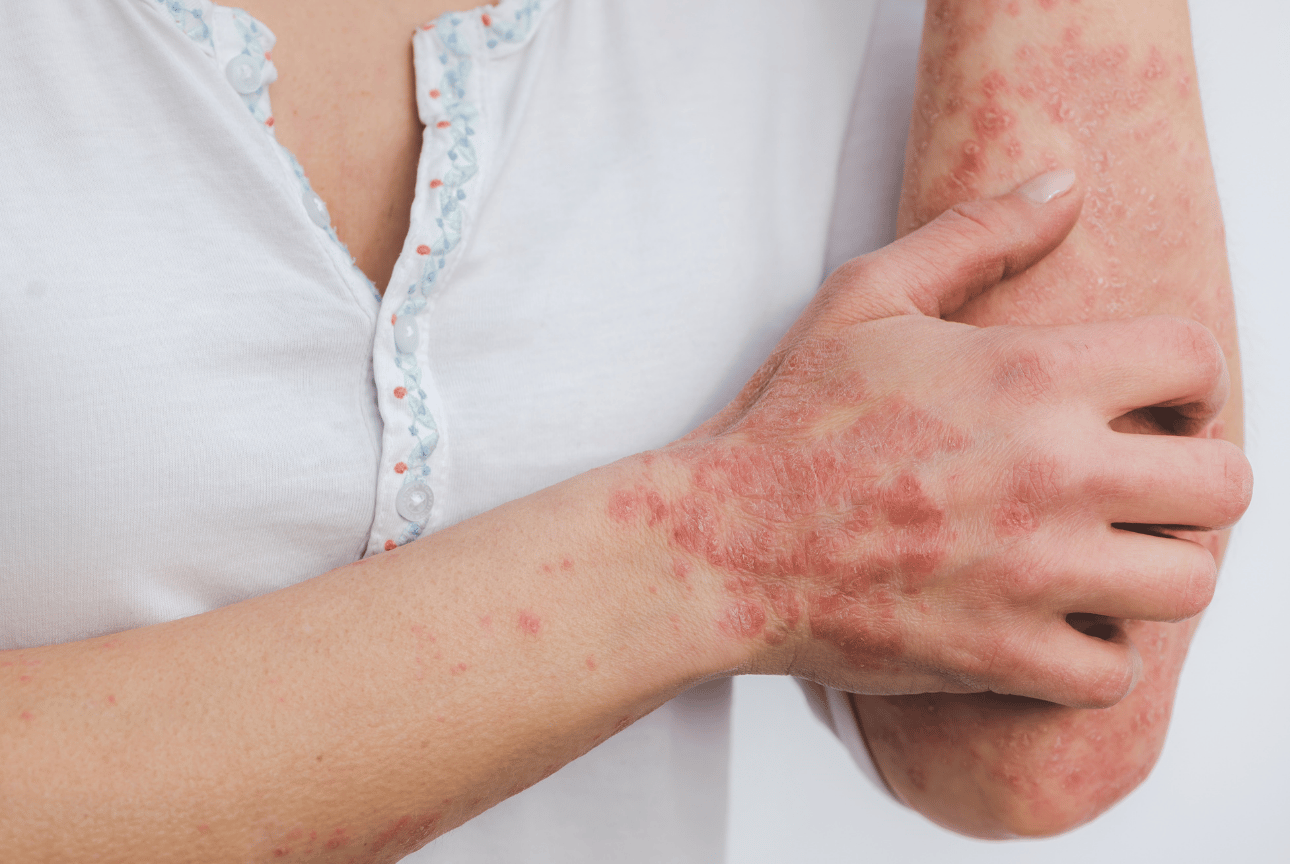
Psoriasis and eczema are chronic inflammatory skin conditions that often follow a cycle of periods of relative stability interrupted by symptom flare-ups. During a flare, symptoms such as redness, itching, dryness, scaling, or irritation may become more noticeable or severe than usual. While psoriasis and eczema are distinct conditions, both involve complex interactions between the immune system, the skin barrier, and environmental factors.
Researchers continue to study why flares occur and why certain triggers seem to affect some people more than others. Although there is no single explanation for every flare, growing evidence suggests that immune activation, skin barrier dysfunction, and external exposures all play important roles.
What defines a flare?
A flare refers to a temporary worsening of symptoms in a chronic condition. For people with psoriasis or eczema, a flare may involve increased itching, more extensive skin involvement, greater discomfort, or changes in the appearance of affected areas.
The timing and severity of flares can vary considerably. Some people experience occasional flare-ups triggered by specific circumstances, while others may notice a more unpredictable pattern. Researchers believe these fluctuations occur because the underlying inflammatory processes driving these conditions can become more active at certain times.
Immune activation and skin inflammation
Both psoriasis and eczema involve abnormal immune responses that contribute to skin inflammation, though the biological pathways differ between the two conditions. In psoriasis, immune cells trigger rapid skin cell growth and inflammation, leading to the development of thick, scaly plaques. Researchers have identified several inflammatory signaling pathways that contribute to disease activity and flare development.
Eczema, also known as atopic dermatitis, is associated with immune system dysregulation that contributes to chronic inflammation, itching, and skin irritation. Inflammatory signals can become amplified during a flare, resulting in worsening symptoms and increased skin sensitivity. Since immune activity plays such a central role in both conditions, researchers continue to investigate how internal and external factors may influence inflammatory responses and contribute to flare-ups.
Environmental and psychological associations
A variety of environmental and physiological factors have been associated with psoriasis and eczema flares. While triggers differ from person to person, several patterns have emerged in research. For eczema, common triggers may include dry air, irritants such as soaps or fragrances, allergens, infections, and emotional stress. Changes in temperature or humidity can also affect symptom severity.
Psoriasis flares have been associated with factors such as skin injuries, infections, psychological stress, certain medications, and lifestyle-related factors. Researchers have also explored how broader health conditions and systemic inflammation may influence disease activity.
Importantly, the presence of a trigger does not guarantee a flare. Instead, many experts believe flare-ups occur when multiple biological and environmental factors interact at the same time.
The role of the skin barrier
The skin barrier serves as the body's first line of defense against environmental exposures, irritants, allergens, and moisture loss. Growing research suggests that skin barrier function plays an important role in both eczema and psoriasis.
In eczema, defects in the skin barrier can allow moisture to escape while making the skin more vulnerable to irritants and allergens. This can contribute to inflammation and increase the likelihood of flare-ups. Although psoriasis is primarily driven by immune dysfunction, researchers have also identified abnormalities in the skin barrier function that may contribute to disease activity. When the skin barrier becomes compromised, inflammation can worsen and symptoms may become more difficult to control.
As researchers continue to learn more about autoimmune and inflammatory conditions, it has become increasingly clear that psoriasis and eczema flares are influenced by a combination of immune activity, skin barrier health, and environmental exposures. Understanding these factors may help provide a broader picture of why symptoms sometimes worsen and how researchers are working to better understand these chronic conditions.
How Evidation can provide insight and support your health
If you're living with psoriasis, eczema, or other chronic conditions, it can be tough to pinpoint your triggers and manage your health. Evidation can help. When you download the Evidation app, you'll be prompted to share the health information you're already tracking. With your permission, we'll use the information you share with us to find patterns, helping you learn more about how you can support your health while managing chronic conditions. Click here to learn more about how Evidation works and get started today.

The future of digital health and Evidation's role in it
Thanks to incredible advancements in technology, healthcare has drastically changed and improved through the accessibility of mobile apps like Evidation.
As technological advancements continue to change the world around us, the impact on healthcare is nothing short of amazing. Technology has improved the way healthcare organizations can communicate with individuals and how their health records are stored and accessed. Additionally, it has streamlined telemedicine, making appointments much easier and more accessible.
Technology has also provided significant opportunities for research and medical advancements to take place in the field, opening the door for better treatment plans, early diagnoses, and more knowledge and understanding of medical conditions and diseases.
This post will explore the evolving landscape of technology and its impact on healthcare and what Evidation is doing to participate and fuel innovation and discovery.
What is digital health?
Digital health encompasses an expansive landscape, including wearable devices, telehealth and medicine, health information technology, and personalized medicine.
Thanks to the incredible advancements in technology, the healthcare and medicine sectors have drastically changed and improved through the accessibility of mobile apps, software, and machine learning.
The types of digital health technology vary from electronic health records to simple apps to track daily wellness and activity to heart monitors, along with innovative devices and sensors that can potentially save lives.
These advancements have made it more efficient to diagnose and treat various health conditions and diseases, along with customizing treatment plans designed specifically for individuals, rather than a blanket solution for the masses.
How wearable health monitoring devices enhance our lives
As we see technology impact the healthcare industry significantly, the health tools we have access to daily are improving as well.
.jpeg)
Take Evidation, for example.
Many health and fitness apps and wearable devices support users in logging daily meals and tracking exercise. Evidation takes it several steps further by providing our members with motivation to take positive steps to build healthy, lifelong habits.
Connecting the Evidation app to a fitness tracker or wearable device will allow you to begin tracking your activities. You’ll also be prompted to complete health surveys and polls about your daily habits, sleep, energy levels, and more. Over time, the Evidation app will provide insights to help you improve your health and achieve your goals.
Additionally, Evidation provides a unique opportunity for its members to participate in research and clinical studies geared toward their specific medical conditions. In doing so, members can can help to advance healthcare for everyone.
How personalized medicine and care changes lives
In healthcare, a one-size-fits-all solution, unfortunately, does not exist. Why’s that? We’re all different and unique, making it impossible to diagnose and treat every person the exact same way. This approach may work for the common cold, but personalized medicine is essential for more complicated medical issues.
Precision health is the idea that an individual’s unique genes, environment, and lifestyle all play a role in their overall health. In a precision health treatment plan, a person’s care is designed based on their background, health condition, and many other factors. It’s a more tailored approach to healthcare and saves time and energy for the individual and their healthcare team.
Aside from personalized treatment, custom health insights and data are extremely helpful in tracking and improving overall health. Evidation tracks regular activity by integrating with popular fitness apps to help you build healthy habits, one day at a time.
The Evidation app also sends members daily surveys and health-related questions to gather data and insights and then compares this information to their regular activity.
Over time, these health insights can become efficient and resourceful in tracking health patterns and understanding where members are (physically and mentally) with their health and wellness. As you can see, personalized medicine and healthcare can begin in the hands of the individual.
With apps like Evidation, people can share a wealth of data and health insights with their healthcare team, making it easier to design a suitable treatment plan for a healthier life.
Concerns surrounding the security and privacy of health data
One of the most significant concerns with the adoption of digital health is consumer security and privacy. Consumers worry about organizations releasing their personal information and improperly sharing their data throughout the healthcare system and its entities.
From data breaches to ransomware attacks, many consumers don’t feel comfortable with their health records stored electronically. The fear of personal information being shared online is a common roadblock for many individuals regarding electronic health records and sharing personal health information through wearable devices.
These are valid concerns and ones that Evidation addresses head-on. Our robust privacy policy shares in-depth information about your right to privacy, the rights you have with respect to your information as an Evidation Member, and we secure and protect your personal information.
As an Evidation Member, your consent is required whenever we request your data. Our members have control over who can or can’t see their health data, empowering them to share (or not) as much as they want.
Precision health: Bridging the gap between research and practice
As we’ve discussed on numerous occasions, participation in healthcare research is the foundation for discovery and innovative treatment plans. Without willing participants for research, medical advancements simply won’t happen.
Many organizations already have scientists and doctors to complete the research, but the missing link is often finding participants who are open and willing to participate in a medical study.
That’s where Evidation comes in. With such an active community of members, Evidation makes it easy for members to participate in different studies. We gather personal information about each member (with their consent) through surveys, data from connected apps, and cards to match each member with the appropriate opportunities.
Evidation is designed to make substantial contributions to healthcare research by offering studies and clinical practice opportunities for members. Eligible members can participate in research studies that include actions like monitoring vitals, lab work, and more. We’ve offered our members opportunities to participate in studies on migraines, chronic pain, sleep patterns, COVID-19, mental health, and many others.
Here’s the great news - nearly one million Evidation Members have participated in medical research with Evidation, and our scientists publish their findings in the top medical journals around the world.
After becoming eligible and consenting to participate, Evidation Members can have a front-row seat to medical advancement and discovery. This is one of the many ways Evidation is driving innovation for precision health in the United States.
Digital Health & Evidation
As digital health evolves, the Evidation health app makes it simple and efficient to track and improve your health. Whether you want to set specific exercise goals or just track your progress, Evidation supports you every step of the way.
Our points-based system provides motivation for members to achieve their goals and build healthy, long-lasting habits that can improve their lives. Keep track of your health with Evidation - download the app here.

National immunization awareness month: Take charge of your health with vaccination
Vaccinations have made a huge impact in our lives. They prevent serious life-threatening diseases like polio, smallpox, hepatitis, and Covid-19.
August is National Immunization Awareness Month, and this is a great time to shed some light on the truth about vaccines. Just like you can use a health tracker to predict a coming illness, vaccines can help people potentially prevent illness in the first place, or in the case of the flu and COVID-19 vaccines, reduce the impact of the illness. As we enter this critical month, the team at Evidation wanted to dig into the importance of vaccines for individuals and the community as a whole.
Recognizing the importance of vaccination
Since the discovery of vaccines, some of the world's deadliest viral and bacterial illnesses have been practically eliminated or greatly reduced globally. The World Health Organization states there are 25 illnesses with current vaccines. Several diseases commonplace a century ago are now pragmatically gone, including life-altering diseases like polio, hepatitis A, and tetanus.
In other words, vaccines save lives. National Immunization Awareness Month is an excellent time to draw attention to the importance of vaccination, so more people will get on board and get vaccinated.
Debunking popular vaccine myths
Sadly, vaccines have several myths surrounding them. Like all good myths, they have a measure of truth or speculation. Here are the four most popular and the reality behind them:
1. Herd immunity is enough
Herd immunity occurs when the majority of a population is vaccinated, which reduces the chances of an outbreak. Herd immunity protects the most vulnerable populations, like infants or pregnant individuals, who can't get vaccinated. So there's a measure of truth here. But if too many people rely on herd immunity, it won't work anymore. Also, the number of vaccines needed to reach this point is high. According to Yale, herd immunity against measles doesn't start until 95% of the population gets vaccinated. If too many people buy into herd immunity for their own protection, it won't exist.
2. Vaccines contain harmful ingredients
Again, there's a measure of truth to this myth. According to the American Academy of Allergy, Asthma & Immunology, some vaccines contain ingredients that can be harmful in high doses, such as thimerosal. However, manufacturers are moving away from these ingredients when possible, and the amount in the vaccine is very small. In fact, you're naturally exposed to mercury, the main toxin in thimerosal, every time you drink milk or eat fish, and in much higher concentrations than what's in the vaccine.
3. Vaccines cause autism
One of the biggest popular claims circulating today is that vaccines cause autism. For some parents of children with autism, looking for a cause can become their mission.
This myth became popular in 1998 when Andrew Wakefield published a case study in the Lancet. It suggested that the MMR vaccine may trigger behavioral regression in children. Sadly, many considered this study fact, even though it only studied 12 people, had poor parameters, and was entirely speculative. In fact, 10 of the 12 co-authors of the paper retracted their interpretation of the results, but the misinformation was already out there.
In 2012, the National Academies performed a new study to determine if vaccines can trigger autism. It found that vaccines were very safe. In 2013, the CDC added to that study and found that the number of antigens from vaccines was the same between children who were on the autism spectrum and those who weren’t. Based on these two studies, the CDC has stated that vaccine ingredients don't cause autism.
4. I don't need vaccines against normal childhood illnesses like the flu or chickenpox.
For many people, getting vaccinated against something like the flu or chickenpox, which isn't often life-threatening, feels unnecessary. Yet, even though most people have mild symptoms of these illnesses, they can be very dangerous for some. In the United States, between 140,000 and 710,000 people are hospitalized yearly from flu complications, and between 12,000 and 52,000 die. You don't know if you or your child are in the "high risk" category or not. With the low risk of vaccines, it's a health measure worth taking.
Vaccination across the lifespan: Tailoring recommendations for different age groups
Vaccines are safe, but using a vaccine schedule to deliver them at the recommended ages helps protect children from uncomfortable vaccine reactions. It also ensures that they get as many vaccines as possible by the time they are in preschool.
The CDC has a recommended vaccine schedule that looks like this:
Birth to six months
In the first six months of life, babies should receive their first doses of:
- Hepatitis B
- Rotavirus
- DtaP
- Hib
- Pneumococcal conjugate
- Inactivated poliovirus
Six months to two years
Between six months and two years, toddlers need several boosters for the vaccines they've already received, as well as these:
- COVID-19
- Flu vaccine
- MMR
- Chickenpox
- Hepatitis A
Later childhood and teenage vaccines
After the initial round of vaccines, children need the flu shot and COVID-19 vaccine annually. In addition, they'll need the following:
- HPV vaccine – First dose around age 11
- Meningococcal disease – First dose around age 11
- Tdap – First dose around age 11
Vaccines for adults
Adults need annual vaccines against COVID-19 and flu. In addition, they will need the Tdap vaccine on occasion to protect against tetanus. Adults who travel outside of the United States may need additional vaccines against illnesses still prevalent globally. Finally, adults need a booster for their HPV vaccination by age 26. At college age, young adults may need an MMR booster. Older adults benefit from the pneumonia and shingles vaccines.
The challenge of vaccine equity
Some of the benefits of vaccination, like herd immunity to protect the most vulnerable, don't work if people can't access vaccines. According to the WHO and other global health organizations, countries with low economic status often struggle to obtain and distribute vaccinations. Even within the US, people who don't have health insurance may not have the funds to get vaccines for their children or themselves.
To combat this, in 2020, the CDC pioneered the Partnering for Vaccine Equity program, which increased funding for adult immunization programs. While more work needs to happen, this has gone far in increasing vaccination rates in underserved communities.
COVID-19 vaccination
The COVID-19 vaccine is the newest vaccine to make global headlines, as we're just a few years past the height of the pandemic. Since its introduction at the end of 2020, at least 80% of the US population has received at least one dose of the vaccine. This has prevented over 18 million hospitalizations and 3 million potential deaths.
This vaccine shows the power of working fast to protect against a global threat. Its swift development and free administration helped curb the effects of the pandemic. Continued use of the COVID-19 vaccine and boosters in the future may help keep new variants at bay.
What's the bottom line? Immunizations are safe and provide protection for our kids and the community at large. During National Immunization Awareness Month, take a moment to check your vaccine history and make sure you're up-to-date.
Are you ready to keep track of your health? Evidation makes it easy. Use your daily health data from your fitness tracker to find patterns and improve your health by connecting to our tool. Download the app today.
.avif)
Is asthma genetic? Understanding the role of genetics in asthma development
If you or someone in your family is living with asthma, you may wonder what caused the disease, and whether it can be passed on genetically.
If you or someone in your family is living with asthma, you may wonder what caused the disease, and whether it can be passed on genetically. Here, we'll explore the symptoms of asthma, the genes that are associated with an increased risk of asthma development, and the treatments that can help control asthma symptoms.
What is asthma?
Asthma is a respiratory disorder in which airways become inflamed and cause recurring breathing difficulties. Sometimes, asthma episodes are referred to as asthma attacks.
During an asthma attack, the muscles around the airway tighten, making it difficult for the person experiencing the attack to breathe. Over time, this can have a compounding effect, as the tightening and strengthening of the muscles around the airways can cause the muscles to become larger, resulting in additional breathing difficulty due to airway compression.
Many people who have asthma experience mild symptoms regularly, and more severe symptoms less frequently. Asthma can flare up with seasonal changes, exercise, and illness, including the flu. Over time, people who have asthma often learn to understand their triggers, allowing them to utilize self-care and medication to prevent an attack.
Asthma symptoms can include:
- A feeling of tightness or itchiness in the chest
- Extreme sensitivity to environmental irritants and/or allergens
- Shortness of breath, even while performing everyday activities
- Wheezing (a whistling or squeaking sound in the chest that occurs while inhaling or exhaling)
- Excessive coughing (often flares up at night)
Is asthma genetic?
Asthma is a complex condition. Research shows that asthma is caused by both environmental and genetic factors. People who have a close relative who has asthma are more likely to develop asthma, but there's no guarantee. Research shows that people who are genetically likely to develop asthma develop the condition in about 75% of cases.
Genes and asthma: what you need to know
.jpeg)
There is not a single gene that causes asthma, but there are genes that make it more likely that a person will develop the condition.
Genes associated with the development of asthma include ADAM 33, PHF11, DPP10, GRPA, and SPINK5. Since asthma has both environmental and genetic factors, it can be helpful to know if a person is likely to develop the condition.
While asthma development cannot be totally prevented, parents who have asthma can take steps to make it less likely that their child will experience severe symptoms. Reducing exposure to allergens, encouraging regular exercise, and working closely with a pediatrician to reduce the risk of severe symptoms can all help a child who is likely to develop asthma breathe easily.
Allergies can also make it more likely that a person will develop asthma. Allergies to dust mites, cats, dogs, cockroaches, fungi, and mold may be a predictor of an asthma diagnosis.
Genetic risk scores: predicting asthma susceptibility
Some asthma develops solely due to environmental factors, so it can be tough to correctly determine a person's likelihood of being diagnosed with the condition. According to the Centers for Disease Control, a person who has at least one parent with asthma is up to six times more likely to develop the condition.
Male children are more likely to develop asthma than female children, as 8.3% of males are diagnosed with childhood asthma, compared to just 6.7% of females. Researchers aren't sure what role sex plays in this difference. And, unfortunately, lack of research on childhood asthma rates for intersex individuals means we don’t have a full picture.
As time goes on, however, there's a shift--among adults who were diagnosed with asthma as children. 9.8% of females still have the condition as adults, and 5.5% of males still have the condition as adults. As with children, there is unfortunately a gap in research when it comes to the incidence of asthma in intersex adults.
There are also racial differences when it comes to the development of asthma. According to Lung.org, "Blacks and American Indian/Alaska Natives have the highest current asthma rates compared to other races and ethnicities. In 2018, Black people (10.9%) were 42 percent more likely than white people (7.7%) to have asthma. Hispanics (6.4%) and Asians (4.0%) had lower current asthma prevalence rates than other ethnic groups."
Household income is also correlated with the likelihood of an asthma diagnosis. Of people who live in a home with an income level that falls below the poverty threshold, 11% are typically diagnosed with asthma, according to Lung.org.
Exposure to cigarette smoke and weight can also contribute to the development of asthma. People who weigh more may be more likely to develop asthma and tend to have more days during which they experience severe asthma symptoms. Weight can also play a role in how well someone is able to manage their asthma symptoms with medication.
Asthma treatment
While it can be scary to get an asthma diagnosis, it's the first step toward learning more about how you can best support your (or your child's) health.
Left untreated, asthma can turn deadly. It's important that you work closely with your doctor to ensure that you're controlling the condition.
For many people, a combination of asthma medication and lifestyle can help ease symptoms. Your doctor may recommend that you take a daily asthma medication to keep your symptoms in check, while also keeping a quick-relief medication on hand for flare-ups.
Asthma medications are typically in the form of an inhaler or a pill. Some people may also keep a nebulizer at home, which is a machine that vaporizes asthma medication, allowing it to quickly get into the body in large doses. This is the same machine that's often used in the emergency room to help quell an asthma attack.
Your doctor may also recommend lifestyle changes to ease the symptoms of your asthma. These may include exercising regularly, losing weight, quitting smoking, avoiding certain allergens, and making dietary changes.
Ready to take your health to new heights? Keep track with Evidation.
If you have asthma, you know how your physical well-being can help to control your symptoms, and keeping your finger on the pulse of your overall health can empower you to breathe easily--literally.
Knowledge is power, and tracking your health can be the first step toward living your best life. Download the Evidation app today to help you get the insights you need to live well.

Maintaining positive mental health in the workplace
Mental health is critical to overall health and wellbeing. But it’s also important to our success at work and the success of our employers. Check out these tips for maintaining positive mental health at work.
The average person spends around 90,000 hours or one third of their life at work, so it’s important to ensure we’re in a healthy mindspace while there.
Maintaining positive mental health is critical to health and wellbeing. But it’s also important to our success at work and the success of our employers.
What is mental health?
Mental health is multi-faceted, and includes social, emotional, and psychological well-being. The concept of mental health is personal, and the tactics necessary to maintain a positive sense of mental health can differ from person to person. Many people find that their mental health needs change and evolve over time, so it’s important to regularly check in with yourself to ensure that you’re on the path to mental well-being.
Some people live with mental health disorders. These can range from mild to debilitating. Many people who are living with mental health issues are unaware that they’re dealing with something that could be at least somewhat alleviated with therapy and/or medications. People who have always lived with a mental health condition (especially those that often go unnoticed, such as anxiety or depression) may be surprised to learn that taking steps to support their mental health can go a long way in boosting their overall sense of happiness.
While some mental health conditions are brought on by biological factors, others occur due to a combination of environmental and situational factors.
Potential signs of a mental health issue can include:
- Struggling to muster up the energy to get through the day
- Changes in sleeping patterns
- Feeling hopeless, or like life is pointless
- Severe mood swings
- Using illicit substances
- Feeling forgetful or confused
- Unexplained physical symptoms, such as gastrointestinal problems and joint pain
Why mental health in the workplace matters
Sadly, many people are all too aware that a poor work environment can negatively affect mental health. Some people experience mental health struggles due to difficult work schedules that don’t allow them to get the proper rest and social interaction they need to thrive. Others struggle with mental health from working in an overly critical environment where they feel as if they’re not able to live up to their potential.
Many of us are aware that individuals struggling with mental health issues are at greater risk for a variety of health conditions. But did you know they're also at greater risk for disability, unemployment, and underemployment. In fact, according to the CDC:
Poor mental health and stress can negatively affect:
- Job performance and productivity
- Engagement with one’s work
- Communication with coworkers
- Physical capability and daily functioning
But sometimes it can be difficult to focus on mental wellbeing at work because we’re focused on other things like daily tasks, conversations, and goals to hit. On the other hand, sometimes it’s difficult to focus on work if we're not making mental health a priority.
Often, a workplace that promotes a poor work environment has a downward spiral effect once employee mental health is negatively affected. People who are experiencing mental health issues may have a hard time giving their best, and may need to take time away from work to manage their mental health. Other people on the team may struggle to take on the workload of those who aren’t able to perform at a high level due to workplace-related mental health issues, which can cause a cascade of stress.
The bottom line: a positive culture in the workplace that supports mental health and overall well-being can go a long way in increasing employee satisfaction, keeping great employees on board, and boosting productivity. While it can be tough for supervisors to walk the line between being supportive and pushing employees to achieve, a balance must be found in order to develop a high-performing company that can stand the test of time.
The following tips can help you learn more about what benefits your company may offer, how you can make work more enjoyable, and how to move forward from an unhealthy work environment.
Maintaining good mental health can be tough to navigate, but with these small tips, you could improve your happiness in the workplace.
Educate Yourself on Workplace Benefits
When you first join a new company, there’s usually a short window for you to choose your benefits—things like health insurance, disability insurance and retirement contributions. Not all employers offer the same benefits, so make sure you have a clear understanding of what’s available to you. If you are unsure or have any questions, reach out to your Human Resources Department for guidance. You don’t have to go through this process alone.
If you miss the initial enrollment period, typically thirty to sixty days, don’t worry — there is a recurring open enrollment period once a year. Take advantage of the time you have between enrollment periods to educate yourself on the benefits your employer offers as it may be overwhelming to make those decisions initially.
After considering your employee benefits, start thinking about what else your company may offer. Things such as a work from home stipend, bonuses, or possibly paid meals. These are things your employer may provide that aren’t required, but can help increase your job satisfaction.
How to take care of yourself and make work more enjoyable
A big part of what determines your happiness in the workplace is how your coworkers and employers treat you as an individual.
A great workplace is one that’s encouraging and motivating, whether you’re doing a great job or struggling and need some support. Having peers you feel comfortable talking to can make or break your mental health.
Come up with some new ways to help you better connect with your coworkers. Consider taking the initiative to start something new. Maybe you don’t have any hangouts outside of scheduled meetings, and you feel it would help you grow your connections. Don’t be afraid to be the change you want to see in your place of work.
Along with having good relationships with coworkers, consider the other parts of your work that you find enjoyable. It all ties together, so if you love the work you do, but you just can’t connect with your peers, it could lead to you being unhappy. Maybe you really enjoy going to happy hours and hangouts with your coworkers, but you don’t truly love the work you do. Consider all the components that make up your work day and push yourself to weed out what might be making you unhappy and consider making a change.
If you find yourself struggling at work, but you’re not sure why, try reaching out to a coworker, manager, or HR for support. Sometimes talking your struggles out with someone is the best way to boost your mental health. More often than not, you might come to realize that others have been in your position before and can provide some guidance.
There are many ways to make work an enjoyable experience. You can positively change your mental health outside of work as well. Just as work can affect your personal life, your personal life can affect the way you work. Consider including more time for self-care into your routine.
While many people save self-care for outside of working hours, incorporating self-care concepts into your workday can help boost your productivity and support your mental health, even while you’re on the clock.
Some ways to improve your mental health while you’re at work can include:
- Get moving: Adding some movement to your work day can be helpful in getting your blood flowing and breaking up long hours. If your coworkers are also looking for ways to feel better at work, inviting them to walk with you over lunch or on breaks can both provide social interaction and help you get some fresh air. If your coworkers are not so inclined, enjoy a podcast, your favorite music, or a phone call with a friend when you get the chance to do a lap or two around the block.
- Address issues directly: Often, stress at work comes from uncertainty. If you’re concerned about your job performance, or whether you’re doing something correctly, facing the issue head-on can help relieve the anxiety that can come with wondering whether you’re meeting expectations. If you’re concerned about something at work, talk to the person who can help directly. If you need feedback on your performance, ask for it. Doing so can both reassure you that you’re moving in the right direction and provide you with valuable feedback on how you can do even better.
- Beautify your space: You likely spend at least a third of your weekday at work, and making the space look beautiful can make your cubicle or office a comfortable, relaxing space to enjoy. Adding a plant, a rock garden, or pictures of your family can help you to stay focused and centered even when things begin to get stressful.
- Try deep breathing and meditation: Sometimes, you aren’t able to get out of your work environment for a walk or otherwise take a break from the source of your stress. When things get tough and you have to see your way through, employing deep breathing techniques can help give you the stress relief you need to keep performing at a high level despite nerves, anxiety, and a seemingly endless to-do list. Practicing deep breathing techniques at home can help make it easier to turn to this stress management technique during hard times at work.
Healing From An Unhealthy Workplace
If you’ve experienced an unhealthy work environment, then you know what kind of toll it can take on your mental health.
Working a job you don’t love can lead to long, uneventful days and feelings of unfulfillment. If you can, try to find something about your job you enjoy. Sometimes, just shifting your perspective can make a huge difference.
But other times, the situation you’re in may not be so easy to control. A toxic work environment, for example, can lead to serious mental health concerns and affects entire teams or companies.
Once you realize you’re in an unhealthy work environment, reach out to any support options you may have, like a supportive manager or your HR department. If that doesn’t work, start taking steps to make a significant change.
If you decide to look for a new job, focus on a list of things you want out of a new role. It’s also a good idea to research a company before applying. You can even search for a career from some of the top rated best places to work.
Try to remember, not all companies are alike. When you move from one company to another, take what you learned from your previous role and apply it to your new position and company. If your past work made you unhappy due to the lack of communication, allow yourself in your new position to open up more about how you’re feeling with your manager. Most managers appreciate the transparency in order to better support you. You might even consider some at home therapy sessions to boost your confidence going forward.
Continue to focus on improving mental health
Taking time to better understand what things in your work environment are affecting your mental health is a great way to improve your mental wellbeing. Also, consider looking into things you can do to help increase your happiness within the workplace. Talking to others in your organization about their mental health in the workplace can also remind you that you aren’t alone, and can help you develop new ideas on how to care for yourself while working a stressful job.
Keep in mind that not all companies follow the same guidelines nor do they offer the same benefits. Find a place that best suits you, your needs, and your personality. Never settle for a place that continues to make you unhappy.
If you came from an unhealthy environment, learn what could help you reach a point of growth for the future. After all, you don't want to allow work to consume your mental health to a point that it starts affecting your personal life. Continue to put your mental health first in all aspects of your job - from the work itself to growing your connections with your fellow employees. Your mental health matters and should be prioritized in your place of work and at home.
Evidation: helping you become your healthiest self
Understanding your own patterns is key for boosting your mental and physical health, and at Evidation, we’re here to help. Download our app today to begin understanding your health data, allowing you to grow, learn, and thrive.

Self-care activities for mental health: nurturing your mental well-being
Practicing regular self care is critical to supporting mental health. Check out these tips to make self care part of your routine.
It's easy to define the term "self-care." Simply put, self-care is caring for yourself. Anything you do to prioritize your mental, emotional, spiritual, and physical health is self-care. When it comes to mental well-being, it helps to think of self-care as a personal pit stop in a daily race.
Maintaining mental well-being can be a challenge, but when you make self-care a habit, you give yourself an advantage and the edge you need to thrive. Let's dive in and learn more about self-care activities for mental health.
Why is self-care important?
To understand the importance of self-care, let's use the automobile as an analogy. When you drive your brand-new car off the lot, it will probably run well with no maintenance for quite a while as long as you keep putting gas in it. However, at some point, you need more than gas to keep your car going. Regular maintenance such as oil changes and tune-ups, and new tires are all needed to keep your car at its best.
Self-care for your mental health is as important as servicing your car. Specifically, self-care is essential for your mental health because it can help you better manage stress and anxiety over the long haul, as well as give you the tools you need to avoid burnout.
One thing to remember is that self-care for mental health isn't just about how it makes you feel better in the moment. Self-care is a preventative practice. Using the automobile example, we don't wait to get an oil change until the car breaks down. Regular oil changes and other maintenance are what keep the car functioning at its best. Investing in your mental health long-term can pay dividends for your entire lifetime.
How to practice self-care
The most effective way to practice self-care is to make it a habit. It's not a good idea to wait to do self-care when you're facing a crisis, whether it's a mental health crisis or a crisis in another area of your life.
We recommend making self-care a part of your routine. You can even go as far as actually scheduling regular self-care. For example, set a time every week to unplug from technology and read books, spend time in nature, or visit with friends and family.
To practice self-care:
- Recognize the signs when you're in need of self-care.
- Have a checklist prepared with self-care activities you can do to respond to your needs.
Below, we outline some specific self-care activities for mental health.
Sleep
We all need quality sleep to be healthy and function at our best, both mentally and physically. According to the Centers for Disease Control (CDC), only 33% of Americans get the sleep they need.
If you don't get sufficient sleep, you may find yourself becoming moody and irritable. When we're well-rested, it's easier to stay emotionally and mentally grounded. The National Sleep Foundation says average adults need approximately 7-9 hours of sleep per night.
Also, consider indulging yourself with a nap when you need a quick recharge. Power napping for 20-30 minutes is the perfect way to clear your mind and reset. To take a nap, find a quiet spot with minimal distractions. This may be actually lying down in bed, dozing in a chair in your living room, or even putting your head down on your desk.
Breathing exercises
One way to unwind and reset is with breathing exercises. Conscious breathing brings your attention to your breath as you pay attention to each breath that goes in and out.
Follow these steps to begin conscious breathing:
- Lie down or sit in a comfortable spot.
- Close your eyes and start breathing, bringing your attention to your breaths.
- When you breathe in, hold your breath for five seconds, then exhale.
- As you inhale and exhale, pay attention to your breath as it moves into and out of your body.
- Say the word "in" as you breathe in and "out" as you exhale.
- If it helps, consider adding a mantra to help you stay focused on your breath.
Exercise
Regular exercise has a link to stronger bodies and healthier minds. Exercise helps you reduce stress, improve focus, and lower the risk of age-related mental decline.
%2520(1).jpeg)
The National Institute of Mental Health reports that walking for 30 minutes every day helps improve your health and boost your mood. Even if you can't walk for 30 minutes at a time, breaking your walking up into several shorter walks adds up and has the same effect. In addition to walking, low-impact exercises like yoga are effective for self-care.
Mindfulness and meditation
Mindfulness is all about being present in the moment or being aware and conscious of whatever is going on with you, your mind, and your body. Equally important, mindfulness brings balance to your life and helps you maintain the progress you make in your mental-health self-care.
One way to achieve mindfulness is by implementing and maintaining a meditation practice. As you meditate, keep the seven pillars of mindfulness in mind:
- Non-judging: Pay attention to your thoughts as they pop into your mind, but don't judge them. Simply acknowledge them.
- Patience: Everything will emerge when the time is right. Be as patient with yourself as you are with other people.
- Beginner's mind: Observe things with an uncluttered and clear mind. Avoid allowing past experiences, expectations, and beliefs to keep you from seeing things as they are in the present moment.
- Trust: Trust yourself and your feelings. We all make mistakes as we go through life, but looking inward for guidance and trusting your intuition can help.
- Non-striving: We approach most of our lives with plans and goals. However, mindfulness and meditation are all about focusing on seeing things as they are in the present moment and accepting them. Embrace the moment, and focus on "non-doing."
- Acceptance: When you accept things as they are without striving to change them, you become more aware of what you're experiencing at any given moment.
- Letting go: This comes back to non-judging. As you pay attention to your thoughts and inner experiences, you might discover your mind tries to hold onto some thoughts. Try to let them go and allow them to be what they are rather than getting caught up in judging them.
Taking the time to meditate when you're feeling stressed can quickly de-escalate anxiety and bring you back to a healthier mental headspace. However, having a regular meditation practice in place helps you stay on track. Try to meditate at the same time every day so it becomes a part of your daily routine.
Tracking self-care for optimal health
Now that you're up-to-date on some great self-care activities for mental health, you can level up your personal effectiveness and healthy living. In terms of how to improve mental health, tracking can help. Evidation Members can track their mood and self-care activities and earn points. Download our app today to learn more.

Diabetic diet for beginners: understanding the basics
A diabetes diagnosis comes with certain lifestyle changes, but you can still enjoy delicious foods.
When you're diagnosed with diabetes, you may experience a roller coaster of emotions. Food is an important part of our lives, and making drastic changes in our diet can feel like a daunting task.
People who are newly diagnosed with diabetes may feel overwhelmed and wonder how to get started on a new way of eating. If you're wondering how to get started, we've got you covered. Let's dive in and learn more about diabetic diets for beginners.
Diabetic diet for beginners
The first step to getting started with a diabetic meal plan is making some relatively painless changes. For example, you might swap out sugar-sweetened beverages for water. If you don't like plain water, add some flavoring to it with fruits like berries or citrus fruit. Another good place to start is by cooking at home instead of eating out.
Besides dietary changes, these lifestyle components will also help you become healthier when you're living with diabetes.
- Regular routine for meals: Get into the habit of having regular meals at the same time every day. Also, enjoy some high-fiber snacks to keep your blood sugar stable.
- Weight loss: People who are overweight can better control their blood sugar if they lose 5-10% of their body weight.
- Exercise: A combination of walking, biking, jogging, and strength training helps lower your blood sugar. Low-impact exercises like yoga are also beneficial.
- Alcohol: The American Diabetes Association (ADA) recommends that women living with diabetes should have no more than one drink every day, and men should have no more than two drinks every day.
Diabetes diet plan
As you make small changes, begin adding more non-starchy vegetables, fruits, whole grains, and lean protein to your diet.
- Protein: Eating proteins such as lean meat, eggs, chicken, fish and seafood, nuts, Greek yogurt, beans, and vegetarian proteins will help improve your blood sugar. By slowing the digestion of carbohydrates, protein keeps your blood sugar levels more stable. This means you'll feel fuller for longer.
- Fiber: Fiber isn't digested. Rather, it's broken down slowly like protein, and including plenty of beneficial fiber in your diet will help prevent sugar spikes. Choose high-fiber foods such as quinoa, oatmeal, whole-wheat bread, and whole-wheat pasta. You can also get a lot of fiber from beans, vegetables, fruits, and lentils.
These are some examples of non-starchy vegetables:
- Asparagus
- Artichokes
- Beets (they do have starch, but it's minimal)
- Brussels sprouts
- Bean sprouts
- Celery
- Carrots
- Cabbage
- Cucumbers
- Eggplant
- Dark leafy greens
- Mushrooms
- Green beans
- Okra
- Sugar snap peas
- Water chestnuts
- Cauliflower
- Peppers
- Onions
- Salad greens
- Tomatoes
- Squash and zucchini
- Turnips
Fruits with seeds and skin are the best ones for diabetic diets. These include apples, berries, dates, plums, peaches, and pears.
Pre-diabetic diet
If your medical care provider tells you that you're pre-diabetic, losing weight may help improve your blood sugar levels, according to a study published in 2022 by the International Journal of Behavioral Nutrition and Physical Activity.
Pre-diabetes is a serious health condition. However, the Centers for Disease Control and Prevention (CDC) reports that you can reverse pre-diabetes with dietary changes and weight loss.
A simple weight loss plan starts you out on about 1,500 calories per day, a level where the majority of people lose weight. Depending on your satiety levels, caloric needs, and blood sugar readings, you may benefit from a 1,200 or 2,000-calorie diet.
Discuss which option is best for you with your healthcare provider.
.jpeg)
Type 1 diabetes meal plan
In the past, type 1 diabetes used to be called juvenile diabetes. Researchers and medical professionals have since come to understand that type 1 diabetes is an autoimmune disease that causes the body to attack pancreatic cells that produce insulin. Insulin is the hormone the body uses to metabolize sugar (glucose) into energy. Essentially, insulin allows your body's cells to admit glucose, which is then turned into energy.
People living with type 1 diabetes don't produce enough—and in some cases, any—insulin. If you're living with this type of diabetes, you require regular blood sugar monitoring and daily insulin therapy.
The ADA places emphasis on three primary takeaways when it comes to healthy eating for people living with diabetes:
- Limited refined grains and added sugar
- Non-starchy vegetables
- Minimally processed foods (eat whole foods instead)
A healthy nine-inch plate for type 1 diabetes looks like this:
- ¼ of the plate filled with carbohydrates
- ¼ of the plate filled with protein
- ½ of the plate filled with non-starchy vegetables
- Healthy fats in moderation (olive oil, nuts, and avocado are examples)
%2520(2)%2520(1).jpeg)
Diabetes type 2 diet plan
Type 2 diabetes is also known as insulin resistance, a condition that affects about 40% of young adults and 33% of adults who are 65 and older. With type 2 diabetes, your body can't use insulin effectively, and glucose accumulates in your blood at levels higher than normal.
A diet plan for type 2 diabetes looks similar to that of type 1 diabetes, with some modifications. If you aren't taking medication for your diabetes, have no more than 60 grams of carbohydrates per meal. People living with type 2 diabetes can also enjoy healthy starchy vegetables in moderation. These include corn and sweet potatoes.
People living with type 2 diabetes can also eat sugar as long as it's no more than 10% of their daily calories.
The ADA has a "superstar foods" list that includes all of these:
- Beans: Black beans, kidney beans, pinto beans, and navy beans all provide minerals like potassium and magnesium. Additionally, beans are high in fiber.
- Dark green leafy veggies: Include collard greens, spinach, and kale for vitamins C, A, K, and E. Leafy greens are also packed with calcium, iron, and potassium.
- Citrus fruit: Lemons, oranges, limes, and grapefruit can help you meet your daily requirements for folate, vitamin C, and potassium.
- Berries: Strawberries, blueberries, and other types of berries provide antioxidants, fiber, and vitamins. When you satisfy your sweet tooth with berries, you also get the added benefit of vitamin K, vitamin C, fiber, potassium, and manganese.
- Tomatoes: Enjoy tomatoes however you like, whether raw, pureed, or in a sauce to add vital nutrients such as vitamin E, vitamin C, and potassium.
- Fish with omega-3 fatty acids: Fish high in essential fatty acids include salmon, mackerel, sardines, herring, albacore tuna, and trout. Enjoy your fish grilled, baked, or broiled instead of fried to avoid adding more fat and carbohydrates.
- Nuts: Healthy fat found in nuts can help you manage your hunger. Also, some seeds and nuts—flax seeds and walnuts are examples—are also excellent omega-3 fatty acids sources.
- Whole grains: Look for products with the word "whole" in them. For example, whole oats, quinoa, farro, and whole-grain barley are all good options.
Healthy diabetic eating plans for healthier living
Evidation Members can track healthy habits such as nutritious eating and physical activity. To participate in research, sign up today and download our app.

Outdoor summer activities to keep you moving
Summer is the perfect time to get out and moving and enjoy the benefits of outdoor activities. From watersports to hiking trails, check out our tips for keeping moving this summer.
In 2022, the National Park Service had 312 million recreational visitors–an increase of 5% from the number of recreational visitors in 2021. And, the United States hosts 6 of the 10 longest hiking trails in the world. There’s no shortage of places to explore and activities to try in the US.
But as temperatures rise, and more people are looking to spend time outdoors, it can be overwhelming to decide which activities to take part in.
So, what are some of the best outdoor summer activities to keep you moving?
How can you enjoy the weather, while also staying active and healthy?
In today’s article, we’ll be talking about outdoor summer activities to help improve your health and wellness. Keep reading to learn more.
Benefits of being outdoors
Getting outside feels great–and there’s science to explain why feeling the sun on your skin is so refreshing. Both your physical and mental health get a boost when you spend time doing outdoor exercise activities.
When it comes to physical wellness, the benefits of getting outside are numerous. Studies show that spending time in the great outdoors can boost sleep quality, reduce the risk of developing cancer, and can increase life expectancy. When combined with eating well and moving your body, spending time outdoors can be a fantastic addition to your wellness routine.
Studies also show that some people feel more comfortable exercising when they’re outside, and simply spending time in nature can inspire people to get moving. When you spend time outdoors, your body’s stress levels naturally reduce. Cortisol levels (your body’s natural stress hormone that can contribute to weight gain when left unchecked) fall, as does heart rate. High levels of stress and cortisol can increase the risk of heart disease, and spending time outdoors is a fast and easy way to boost heart health.
There are also many mental health benefits that come with spending time outdoors. Research shows that people who spend significant amounts of time outside have a lower risk of depression and are able to recover from stress more quickly than people who don’t spend much time outdoors.
Another benefit of spending time outdoors: connection with others. In many towns and cities, outdoor spaces are natural places for people to gather and spend time together without having to plan ahead. The likelihood of running into a neighbor or making a new friend is usually higher in a natural outdoor space.
Green outdoor spaces don’t just benefit people on a personal level–they’re also great for helping communities stay healthy. A study showed that when an effort is made to transform empty lots into green spaces, neighborhood crime goes down by 13%, and reports of feelings associated with depression in the community go down by 41%. The study also showed that neighbors tend to have better attitudes toward one another in clean, green neighborhoods.
Outdoor summer activities for adults
Ready to take your movement outdoors, or just spend some time with loved ones in a green space? We’ve got you. Check out these ideas for enjoying the sunshine and boosting your mood with fresh air and open spaces.
Hiking
In a survey by the National Recreation and Park Association, Americans aged 18+ were asked what their favorite outdoor summer activity was.
49% of them said going for a walk or hike.
Both activities require very little equipment to get started. They provide a convenient way to get active while also enjoying the weather.
Regular physical activity from walking or hiking can help:
- Improve endurance
- Increase energy levels
- Reduce stress and tension
- Improve cardiovascular fitness
- Improve your sleep, mood, cognition, and memory
- Strengthen your bones, muscles, and immune system
With so many benefits, it’s hard not to see the attraction of walking or hiking. Try going for a walk in your local neighborhood or exploring a trail in your area.
Biking
Whether you want to hit the trail or you’re looking to commute in an environmentally-friendly way, biking is a fantastic option to get where you need to go while enjoying the great outdoors.
To boost the health benefits of cycling, get social. Joining a local biking group can be a great way to discover new trails, make friends, and become involved in your local community.
Lawn Sports
Summer brings social gatherings like picnics, parties, and barbecues, and enjoying time outside. Suggesting lawn games can be a fun way to get moving while spending time with people in your community.
Games like croquet, horseshoes, frisbee, and lawn darts can bring out your competitive spirit while allowing you to get exercise and spend time with loved ones.
Visit the beach
According to the National Recreation and Park Association, 40% of people said their favorite summer activity was going to the beach.
It’s a great environment for embracing the warm weather, while also getting active at the same time. There are outdoor activities that kids can enjoy, and outdoor activities for adults to exercise, compete, and socialize with friends and family.
But what sort of activities?
A few ideas to keep you moving at the beach might include:
- Volleyball - this can be a great way to socialize and work as a team while also getting aerobic exercise.
- Swimming - as the fourth most popular sport in the United States, swimming hosts a wealth of benefits. Exercising in water may help people with arthritis improve the movement of their arthritic joints. And it can also improve mood and decrease the risk of chronic illness.
There are a variety of different activities you can take part in while out in the water.
Whether you enjoy kayaking, canoeing with a friend, or water sports. All activities are a great way to get some aerobic exercise and enjoy the water and weather.
Kayaking and canoeing work many muscles in the body. They engage upper body muscles, legs, and even core muscles. This may result in an increase in muscle mass and strength and an improved ability to balance.
There’s an endless amount of water sports to try. From wakeboarding to water polo, participating in these activities can help improve mental and physical strength and increase confidence.
During summer, the weather is warm enough to enjoy the water and embrace nature. Although, we recommend protecting yourself with sunscreen and keeping cool by staying in the shade when you can, and drinking lots of water.
So, whether you decide to take up a new hobby like wakeboarding, or try out a new trail in your local area, it’s up to you to decide what outdoor summer activity you want to take part in.
Make sure to share this article with a friend, family member, or coworker you might want to go on a day trip with and try out some of these outdoor summer activities.
Evidation is here to help you get the data you need to boost your physical activity, understand how your lifestyle affects your health, and help you feel your best. Download the app today to get started.

Yoga poses for beginners: a guide to starting with 12 simple poses
Almost everyone can do yoga. These 12 beginner poses can help you get started on your yoga practice.
Yoga's history traces back to more than 5000 years ago in northern India, and it stems from the culture’s philosophy. Originally, yoga was considered to be a spiritual practice, but it has evolved to promote mental and physical well-being as well.
In recent years, this complex and ancient practice has become increasingly popular in the U.S. with more than 55 million people currently practicing yoga. What are the benefits of yoga, and how does a beginner get started? Let's dive in and learn more.
What are the benefits of yoga?
Yoga's benefits are well-documented. Once you become active in your yoga practice, most can expect to reap all of these benefits and more:
- Stress relief
- Weight loss
- Improved emotional and mental health
- Relief from arthritis symptoms
- Help with the management of depression and anxiety
- Improved balance
- Neck and back pain relief
- Improved sleep
- Relief from menopause symptoms
- Improved quality of life
Simple yoga poses
There are various types of basic yoga poses, and the ones that are a good fit for you depend on how you want to move your body and any restrictions or health conditions you may need to account for.
- Standing poses: You'll likely do some standing poses to warm up and "build heat" when you arrive at your yoga classes. Standing poses are strung together in flow style or vinyasa yoga to form long sequences.
- Backbends: For beginners, most people begin with gentle spine extension and flexion before moving into deeper backbends. Most of us rarely do backbends in everyday life, so becoming adept at doing these is essential for longevity and spinal health.
- Balancing poses: At the beginning of your yoga practice, it's important to build core strength, which is necessary for doing more advanced poses. Balance poses can be challenging at first, but with regular practice, you'll quickly improve.
- Supine or resting poses: When you need to take a break during a yoga class, you'll probably be encouraged to do a resting pose. These poses are also sometimes called a "child's pose." Resting poses keep the hamstring and hip work of seated poses going.
- Seated poses: Seated stretches focus on stretching your hamstrings and hips. Typically, seated stretches are done once your body is warmed up.
Yoga poses for beginners
1. Chakravakasana (cat-cow stretch)
Pose type: backbend
Cat-cow stretches offer both spinal extension and spinal flexion. When you move back and forth, it warms and awakens your back. The cat-cow stretch serves as a basic introduction to a vinyasa sequence. This pose helps alleviate back pain.
.jpeg)
2. Baddha konasana (cobbler's pose)
Pose type: seated
With the cobbler pose, you let gravity do all the work to stretch your inner thighs. If this position is difficult for you, use props for support or sit on a cushion to raise your hips.
.jpeg)
3. Vrksasana (tree pose)
Pose type: Balancing/standing
The tree pose is one of the first balancing postures new yoga practitioners try. If you have a medical condition such as low blood pressure that affects your balance, the tree pose is one you may want to skip. You can also modify the tree pose by placing one of your hands against a wall for support.
.jpeg)
4. Balasana (child's pose)
Pose type: resting
When you need a break from your class or you're feeling fatigued, the child's pose allows you to gently stretch your hips, back, ankles, and thighs while you rest.
.jpeg)
5. Bhujangasana (cobra pose)
Pose type: backbend
The cobra pose is popular in flow yoga, where it's done several times during every class. This pose is a part of the vinyasa poses sequence. A full cobra offers a deeper backbend, while low cobras are done by lifting your chest without pressing into your hands.
.jpeg)
6. Adho mukha svanasana (downward-facing dog)
Pose type: standing
Because of its unique name, the downward dog is one of the most well-known yoga poses. Remember to place most of your weight on your legs and get your hips up high with your heels stretching to the floor. You don't have to have your heels touching the floor.
.jpeg)
7. Sukhasana (easy pose)
Pose type: seated
The easy pose is one of the first poses new yoga practitioners learn. This pose is what many people think of when they picture someone doing yoga or meditating. To do the easy pose, sit cross-legged on your mat and rest your hands palms up on your knees, keeping your spine as straight as possible.
.jpeg)
8. Uttanasana (standing forward bend)
Pose type: standing
To do this pose, stand up straight, exhale, and bend down to touch your hands on the floor, allowing your head to hang heavy. Your legs can be gently bent with your feet hip-width apart.
.jpeg)
9. Paschimottanasana (seated forward bend)
Pose type: seated
The seated forward bend is a hamstring stretch. This pose helps people who do a lot of sitting strengthen and lengthen their hamstrings. The seated forward bend gives the entire back of the body a stretch.
.jpeg)
10. Janu sirsasana (head-to-knee pose)
Pose type: seated
If you have tight hamstrings, forward bends can be challenging. The head-to-knee pose is more accessible because you stretch just one leg out at a time. For this pose, you can also use a strap to place around your foot.
.jpeg)
11. Tadasana (mountain pose)
Pose type: standing
Mountain poses align your body from the top of your head down to your heels. In this pose, your pelvis and shoulders are staked along the line. The mountain pose helps improve posture and will give you clues about which poses you need to implement for strengthening.
.jpeg)
12. Setu Bandha sarvangasana (bridge pose)
Pose type: backbend
The bridge pose is the first backend pose most people do. This pose is ideal to begin incorporating backbends into your practice because it improves your spine's mobility. You can also try a supported bridge pose with a block. If you have a neck injury, avoid the bridge pose.
.jpeg)
Yoga classes: what to know before you go
First of all, is yoga for everyone? The short answer is yes. Whether you're fit or “out of shape”, young or older, there are yoga poses for almost everyone. To do yoga, you don't have to be flexible. Your yoga practice will need to be adjusted depending on your ability. For example, if you have ankle or knee problems, some poses will be more challenging.
Here are a few things to keep in mind before you attend your first yoga class:
- Most yoga studios don't provide mats, but if you forget yours, they will probably have one you can borrow or rent.
- You don't have to invest in expensive clothing to do yoga. Just wear something that's loose, stretchy, and comfortable.
- Beginner and intermediate yoga classes last about 60 minutes, while classes for certain styles may take up to 90 minutes.
- Arrive at your first class early so you can ask questions or observe other classes.
- Be sure to bring a towel and water to drink.
- For two hours before class, avoid eating a full meal. You can enjoy healthy light snacks.
Reach your health goals with yoga
A yoga practice can add value to many different areas of your life. Evidation Members can track their healthy activities. Download the app to learn more.
July is Minority Mental Health Awareness Month: understanding the importance of mental health
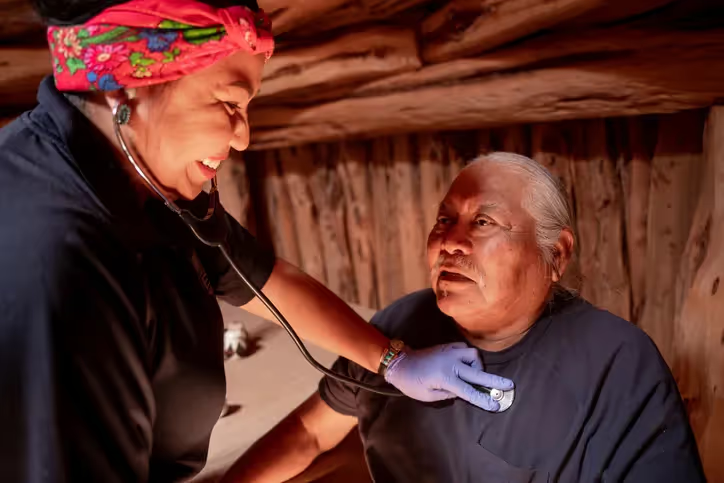
The aim of Minority Mental Health Awareness Month is to raise awareness about the unique struggles faced by Black Indigenous People of Color (BIPOC) groups regarding mental health and mental illness.
The aim of Minority Mental Health Awareness Month is to raise awareness about the unique struggles faced by Black Indigenous People of Color (BIPOC) groups regarding mental health and mental illness. Mental health affects how we feel, think, and act. Also, mental health determines how we relate to others, handle stress, and make healthy choices.
Anyone can experience mental health challenges, and mental health conditions don't discriminate based on race/ethnicity, identity, or skin color. The Centers for Disease Control (CDC) defines mental health as our psychological, social, and emotional well-being.Mental health is a critical issue that often gets overlooked. Adding to this are health disparities that exist for certain BIPOC groups. Many groups are not represented adequately in the broader conversation around mental health and have less access to mental healthcare. For this reason, mental health organizations and practitioners focus on addressing the mental health stigma and lack of access among BIPOC populations.
July is Minority Mental Health Awareness Month
Until her death in 2006, Bebe Moore Campbell—advocate, author, and co-founder national spokesperson for National Alliance on Mental Illness Urban Los Angeles—worked tirelessly to eliminate stigma and advocate for mental health education among diverse communities. In 2005, Campbell and longtime friend Linda Wharton-Boyd got to work to outline the concept of a month dedicated to raising awareness about mental health and BIPOC groups.
After Campbell passed, Wharton-Boyd and other allied advocates took up the torch to reignite the cause. In 2008, the month of July was designated as the Bebe Moore Campbell National Minority Mental Health Awareness Month.
Mental health disparities
BIPOC can suffer from poor mental health outcomes and health disparities in treatment due to cultural stigma and lack of access to mental health services. According to the CDC,
“Health disparities are preventable differences in the burden of disease, injury, violence, or opportunities to achieve optimal health that are experienced by populations that have been disadvantaged by their social or economic status, geographic location, and environment. Many populations experience health disparities, including people from some racial and ethnic groups, people with disabilities, women, people who are LGBTQI+ (lesbian, gay, bisexual, transgender, queer, intersex, or other), people with limited English proficiency, and other groups.”
Contributing factors affecting access to treatment by members of BIPOC groups may include:
- Mental illness stigmas
- Denial of mental health issues
- Language barriers
- Lack of knowledge of treatment options
- Lack of providers from diverse ethnic or racial backgrounds
- Lack of insurance or under-insured
- Distrust in the healthcare system
Awareness is essential in helping to bridge the gaps in access and care. Understanding and acknowledging the struggles people face is the first step.
Mental health within BIPOC Communities
Mental health is an essential concern at every stage of life, beginning with childhood and extending into adolescence and adulthood. Alternatively, behavioral health is best defined as the specific actions taken by people. Mental health can influence an individual's behavioral health.
Black People
According to 2020 statistics, Black people living below the poverty level are twice as likely to report emotional or psychological distress than Black Americans living twice above the poverty level.
While Black people living below the poverty level are more likely to experience mental health concerns, only one in three people needing mental health care receive it. Moreover, Black people living with mental illness have lower rates of receiving any mental health service, including outpatient services and prescription medications.
Native American and Alaska Natives
About 21% of people who identify as Native American and Alaska Native lack health insurance coverage, a disparity when compared to only 9.4% of the U.S. general population who don’t have insurance coverage.
And Native/Indigenous people in America report experiencing serious psychological distress 2.5 times more than the general population over a month’s time.
In many cases, people living in Native American and Alaska Native communities rely on traditional healing systems such as ceremonies that focus on balancing body, mind, and spirit with a connection to land and place. A strong identification with culture and an enduring spirit make many people reluctant to embrace new practices and change.
Like other groups of people, Native American and Alaska Native individuals face stigma associated with mental illness. Also, there is a profound lack of culturally sensitive services for mental health treatment.
Asian Americans, Native Hawaiians, and Pacific Islanders (AANHPI)
In 2018, AANHPI were 60% less likely to receive treatment for mental health issues when compared to non-Hispanic white people. One study discovered that 70% of refugees from Southeast Asia were diagnosed with PTSD when they sought mental health treatment.
While AANHPI less frequently report serious psychological distress than non-Hispanic white people, reporting by Pacific Islander and Native Hawaiian people is similar to that of non-Hispanic white people.
In 2019, Native Hawaiians and Pacific Islanders were three times less likely to receive prescription medications for mental health treatment or mental health services than non-Hispanic white people. Other statistics for Native Hawaiians and Pacific Islanders are limited because of reliability of current data and sample size limitations.
Overall, AANHPI are the least likely ethnic group to access mental health services.
LatinX/Hispanic
The Hispanic/LatinX community in the U.S. is very diverse, with people of numerous ethnicities from several different nations. While the Hispanic community is less at risk of many psychiatric disorders, Hispanic people living below the poverty level are twice as likely to report severe psychological distress than Hispanic people living more than twice over the poverty level.
In 2018, non-Hispanic whites were twice as likely to seek mental health treatment than Hispanic people. Hispanic people born in the U.S. report higher rates for many psychiatric disorders when compared to Hispanic immigrants.
How to support
If you or someone you know is struggling. Help is available. The Mental Health of America organization has culturally appropriate resources. The National Suicide and Crisis Lifeline number is 988. Deaf and hard of hearing people using TTY can reach this hotline by dialing 711, then 988.
If you are from a BIPOC community these resources may be more inclusive: Blackline is a hotline geared toward the Black, Black LGBTQIA2+, brown, Muslim, and Native communities. Trans Lifeline is a hotline for trans and questioning individuals. Wildflower Alliance is a peer support line and offers online support groups focused on suicide prevention.
Strategies for improvement
Unfortunately, stereotypes abound when it comes to mental health. Cultural stigma can add to this and can significantly affect a person’s willingness to reach out for help. Raising awareness is critical to change and improvement in BIPOC mental health.
- Gather info: Stigmas stem from having inadequate knowledge. Learning more about mental health and the unique experiences of individuals is the first step to raising awareness about the unique issues faced by BIPOC populations.
- Speak up: Encourage others to speak up about the challenges they're living with, and be an example by speaking up about your own issues.
- Be open: The more professionals and laypersons alike recognize the devastating impact of mental health on BIPOCcommunities, the sooner stigmas are challenged and set aside.
- Listen to people: When a person is experiencing a mental health crisis or signaling emotional distress, listen to them.
Mental health and the benefits of keeping track of your health
Many people who are diagnosed with mental illness can get support to manage their health when they participate in group or individual therapy, take medication or supplements, acupuncture, and/or find an outlet like exercise or a hobby. With many different treatment options available, individuals can find a treatment plan that works for them.
Evidation Members can earn points for tracking healthy actions, including activities that contribute to mental health. Download the app today to learn more.