

Blog
Acute vs. chronic inflammation: the role of inflammation in the body
Learn the difference between acute and chronic inflammation, how inflammation supports healing, and what happens when it becomes long-term in the body.
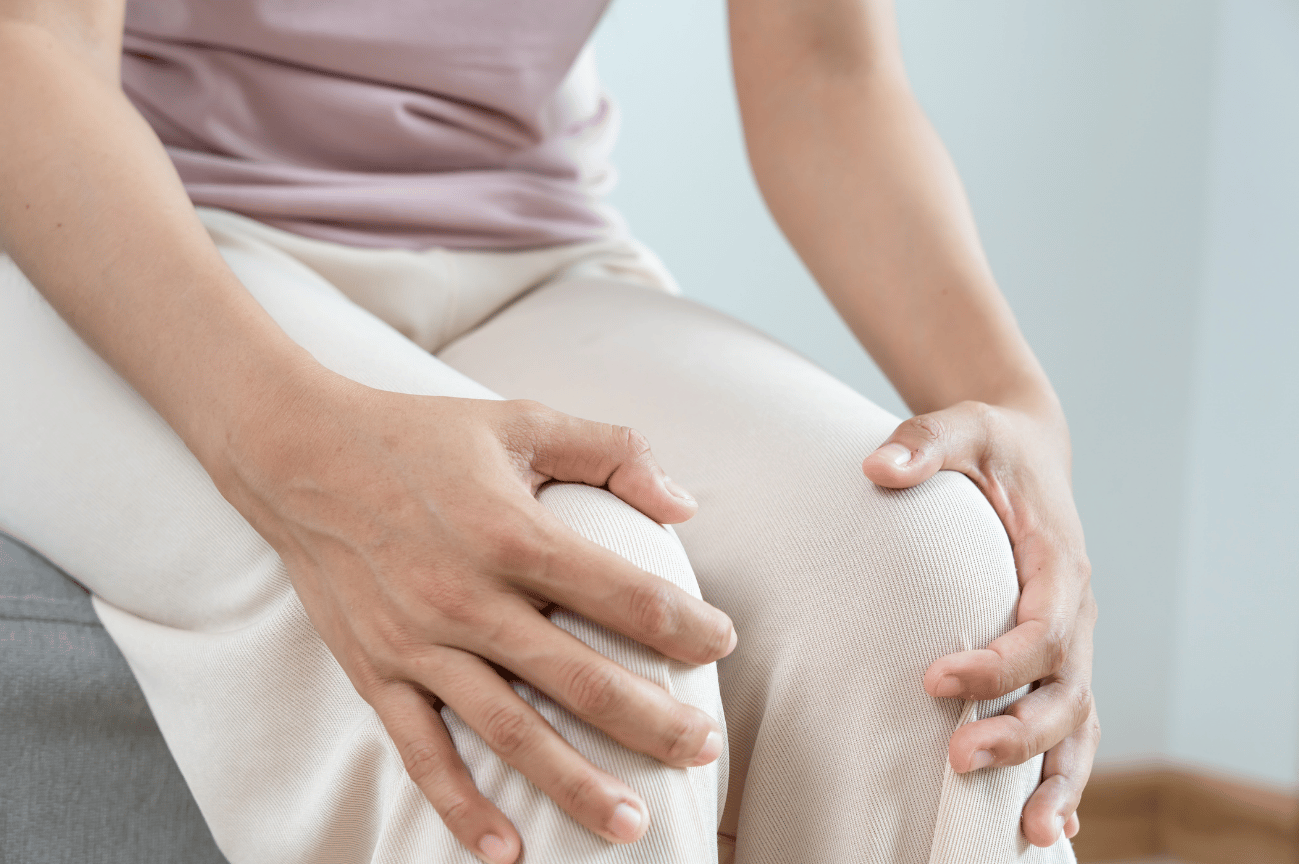
Inflammation is one of the body's most important biological processes. It's part of how the immune system responds to injury, infection, and other threats. While it often gets talked about in negative terms, inflammation itself is not inherently harmful. In many cases, it's essential for healing and protection.
Problems arise when inflammation is either too strong, poorly regulated, or becomes long-lasting. That's where the distinction between acute and chronic inflammation becomes important.
What is inflammation?
Inflammation is the immune system's response to damage or perceived threat. When tissues are injured or exposed to harmful stimuli, the body sends immune cells and signaling molecules to the area to begin repair and defense.
This process involves increased blood flow, activation of immune pathways, and the release of chemical signals that help coordinate healing. Inflammation often causes redness, warmth, swelling, and pain during the healing process.
At its core, inflammation is a communication system between immune cells and tissues that can occur anywhere in the body, including the gut. It helps the body isolate problems, remove damaged cells, and begin repair.
Acute inflammation and healing
Acute inflammation is the body's immediate, short-term response to injury or infection. It begins within minutes or hours and typically resolves once the threat is removed and healing begins.
This type of inflammation is protective. For example, when you cut your skin or catch a virus, acute inflammation helps recruit immune cells to the site, clear out harmful agents, and support tissue repair. In a healthy system, acute inflammation is tightly regulated. Once healing is underway, anti-inflammatory signals help shut the process down, so tissues can return to normal function.
Chronic inflammation and persistence
Chronic inflammation is different from the acute inflammation that supports the body's natural healing processes. Instead of resolving over time, chronic inflammation is persistent, sometimes even when there is no longer an immediate threat.
This can happen for several reasons, including ongoing exposure to irritants, unresolved infections, or dysregulation in immune signaling pathways. When inflammation persists, the immune system may remain in a constant state of activation.
Unlike acute inflammation, chronic inflammation is less about healing and more about sustained immune activity. Over time, this can lead to tissue damage and contribute to a range of health conditions.
Researchers are currently studying how chronic inflammation develops, but it's generally understood as a breakdown in the normal regulation of immune responses.
Acute and chronic inflammation difference
The key between acute and chronic inflammation is duration and purpose. Acute inflammation is short-term, effective, and protective. It activates quickly, targets a specific problem, and resolves once healing occurs. Chronic inflammation, on the other hand, is long-term and often dysfunctional. It persists beyond the initial trigger and can contribute to ongoing tissue stress. Both are driven by the immune system, but they operate on very different timelines and create different outcomes.
Immune signaling and inflammatory pathways
Inflammation is controlled by complex immune signaling pathways that regulate when the response starts and stops. These pathways involve immune cells, chemical messengers called cytokines, and feedback loops that help control intensity.
When these signals work properly, inflammation is precise and temporary. When regulation breaks down, signaling can remain active, contributing to chronic inflammation. Understanding these pathways helps explain why inflammation is not simply good or bad, but highly context-dependent.
Why inflammation matters for health
Inflammation plays a role in nearly every system in the body. It helps defend against infection, repair tissue, and maintain balance after injury. When inflammation becomes chronic, however, it can affect overall health and wellbeing.
Lifestyle factors such as diet, sleep, stress, and physical activity can all influence inflammatory processes. Researchers continue to explore how these factors interact with immune signaling over time. If you're concerned that you may be living with chronic inflammation, it's a smart idea to talk with your healthcare provider about changes you can make to find relief.
Inflammation is not inherently negative, and when you're dealing with an injury or illness, it can actually be a good thing, as inflammation is a necessary biological response that supports healing and protection. The difference between acute and chronic inflammation lies in how long the response lasts and how well it is regulated. Understanding this balance helps clarify why inflammation is both essential and, in some cases, harmful when it becomes persistent.
How Evidation can support your health over time
When you're working to reduce chronic inflammation, it can be helpful to figure out the foods, actions, and lifestyle habits that contribute to your wellbeing, and Evidation can help. When you download the Evidation app, you'll be prompted to share the health data you're already tracking. We'll use the information you choose to share to find patterns and offer you personalized, content-based insights that help you move your health forward. If you're ready to take the next step, we're here to help. Click here to learn more about how Evidation works and get started today.

How many bottles of water should you drink a day: Evidation explains everything you need to know
Learn whether 8 ounces is really enough, and how you can encourage yourself to stay on track and hit your water goals.
When it comes to finding the right amount of water to drink each day, it can be tough to sift through the contradictory information you'll find on the internet. Some websites will tell you that you only need to drink water when you're thirsty, while others will tell you that you need to swig at least half of your body weight in ounces for optimal hydration. There's no doubt that hydration matters for your overall health and well-being, but it's important to understand how to figure out the amount of water that's right for you.
Here, we'll take a look at the general guidelines for ensuring that you're getting enough water, different factors that can influence the amount of water that you need in a day, signs that you aren't getting enough water (and what to do about it), and some practical tips that can help you include more water in your daily routine. Fill up your water bottle, get comfy, and let's get started.
The general guideline: eight glasses a day
Many health and wellness experts agree that aiming to drink eight glasses of water a day is a good goal for most people. Recent research from the U.S. National Academies of Sciences, Engineering, and Medicine showed that about 15.5 cups of fluids per day are necessary for men, and 11.5 cups per day are necessary for women. While this may seem far higher than the eight glasses recommendation, it's actually not that different, as the higher recommendations include fluids from all drinks and food ingested throughout the day.
Factors influencing individual water needs
While it can be helpful to have a goal in mind when it comes to your hydration needs, listening to your body and understanding the unique factors that can require more or less water is key to feeling your best.
Factors that can influence how much water you'll need throughout your day include:
- Environment: If it's especially hot or humid outside, you'll need to work overtime to make sure that your body is getting the water that it needs. Take plenty of breaks to go inside and sip a glass of cool water.
- Exercise: If you're working out and getting sweaty, you're going to need more water. Drinking before, during, and after exercise can help you to keep dehydration at bay.
- Pregnancy and breast-feeding: You're not just eating for two—you're also drinking for two. If you're pregnant or breastfeeding, it's likely that you'll need to drink additional water to ensure that both you and your growing baby are getting all of the water necessary to feel your best.
- Illness: If you're going through an illness that's causing vomiting, diarrhea, or fever, it's important that you replace lost fluids. Your doctor may recommend that you use an electrolyte solution to help maintain your body's natural balance.
- Health conditions: Some health conditions, like kidney disease, heart disease, and certain liver problems can impact the amount of water that you need each day.
Signs of dehydration and how to avoid it
Whether you're training for a marathon or simply spending time gardening outdoors, it's important to be on the lookout for signs of dehydration. Many people don't realize that they're dehydrated until their condition becomes severe. Recognizing signs of dehydration early can help you get the care you need.
Common signs of dehydration in adults include:
- Extreme thirst
- Confusion and dizziness
- Dark-colored urine
- Fatigue
- Infrequent urination
Sometimes, dehydration can be resolved with at-home treatment, including drinking plenty of fluids and getting rest. It's important to seek medical care if you’ve had diarrhea for more than 24 hours, have black or bloody stools, can't drink fluids without vomiting, or if you or your loved one are irritable, extremely fatigued, or disoriented.
Benefits of staying properly hydrated
Water is vital to maintaining your body's normal functioning. Understanding why it's so important to stay hydrated may help you remember to fill up your bottle before you leave the house in the morning.
Benefits of staying hydrated include:
- Cellular function: Water is necessary for many biochemical reactions in the body, including those that generate energy and build new tissue. When you give your body the right amount of water, you're providing the tools necessary for optimal functioning.
- Removal of waste: Waste removal is an essential facet of your well-being, and your body needs plenty of water to release waste through urine. If you're not getting enough water, it's likely that your body is holding onto waste that it doesn't need, potentially causing health problems down the road.
- Digestive health: Water helps the digestive process by dissolving nutrients so they can be absorbed by the intestines. Drinking plenty of water can also help with constipation and other digestive issues.
How to incorporate more water into your daily routine
You know why it's so important to drink the water you need, but that doesn't mean it's easy. Follow the tips below to get yourself in the habit of downing the H2O your body craves.
- Pick out a water bottle you love. We get it—it seems a little silly, but it really can help. Choosing a water bottle that makes you smile can put a little extra pep in your step every time you head back to the water cooler to fill up.
- Use an app. There are plenty of apps that can help you track your water consumption—the key is finding one that works well for you. Don't forget to connect your water app to Evidation so we can start rewarding you for staying hydrated!
- Jazz it up. Tossing a few slices of lemon or lime into your water bottle can give you the hint of flavor you need to enjoy each glass.
Evidation: Here to support your health
At Evidation, we don't just cheer you on when it comes to tracking your health data—we also provide the rewards you need to stay motivated! When you connect and use apps that track your water consumption, don't forget to share their data with Evidation so that we can give you the virtual high-fives you need to keep going. Learn more about the app here, and if you haven't downloaded Evidation already, do so today!

Heat stress: 15 symptoms to identify and how to avoid it
Learn about the signs and symptoms of heat stress, what you can do to prevent heat stress, and how technology can help you stay safe.
Spending time in the summer sun can be a great way to connect with friends, enjoy healthy exercise, and soak up some vitamin D. That being said, heat stress can happen to anyone. Heat stress can lead to severe heat-related illnesses.
Here, we'll explore everything you need to know about heat stress, including early signs of the condition, symptoms that you'll need to watch out for, steps you can take to prevent heat stress, and how you can utilize technology to help you stay safe in the sun.
What is heat stress?
When your body can't maintain a normal temperature, you could experience heat stress. This condition occurs when your body is unable to get rid of extra heat, causing your core temperature to rise. Typically, the body is able to cool itself through sweating, but in extreme heat, sweating may not be enough to cool the body down. Mild or moderate cases of heat stress can typically be handled with home treatment, such as resting in a cool, shady area and drinking water or sports drinks slowly.
When heat stress becomes severe, it can be harder to prevent the condition from developing into a more serious heat-related condition. Let's take a look at the early warning signs of heat stress.
Early signs of heat stress
Knowing the early signs of heat stress is important for keeping yourself safe when you're spending time outdoors, enjoying summer weather.
Early signs of heat stress include:
- Heavy sweating
- Elevated body temperature
- Dizziness
- Fatigue and confusion
- Reduced appetite
- Increased thirst
- Irritability
If you think you might be experiencing heat stress, err on the side of caution. Cool off, drink some water, and relax with a cool washcloth on your forehead. If your symptoms persist, be sure to seek medical attention.
Moderate symptoms to watch out for
If mild heat stress is left untreated, it can quickly ramp up to moderate heat stress. At this level, you have less time to seek medical attention than at the mild level.
Symptoms of moderate heat stress can include:
- Ongoing symptoms of mild heat stress
- Cold, pale, and clammy skin
- Fast, weak pulse
- Nausea or vomiting
Moderate heat stress may require medical intervention. If you find that home remedies are not working to alleviate your symptoms, it's important to seek emergency medical care before your heat stress develops into a more serious condition.
Severe symptoms
Severe heat stress requires immediate medical attention.
Symptoms of severe heat stress can include:
- Ongoing symptoms of mild and moderate heat stress
- Hot, flushed skin
- Very pale skin
- Low or high blood pressure
How to prevent heat stress
Thankfully, there are many steps you can take to prevent heat stress. Check out the simple tips below to keep yourself safe in high temperatures.
Stay informed
Taking a look at the weather app on your phone at the start of each day is one of the simplest ways to keep yourself safe against heat stress. If a heat advisory has been issued by The National Weather Service, be sure to pay attention to the times when the heat will become dangerous. If possible, plan to be inside during these times. If you must be outdoors, keep an eye out for signs of heat stress and take steps to keep yourself as cool as possible.
Stay hydrated
Drinking plenty of water is key to warding off heat stress. Drinking plenty of water each day is important to keep yourself safe in high temperatures. Your standard eight 8-ounce glasses each day may not be enough in extremely high temperatures, so be sure to listen to your body and keep your water bottle handy on super-hot days.
Dress appropriately
Wearing light-colored, loose-fitting clothing can help to protect you from the high temperatures that can cause heat stress. If you're in the sun, wearing a hat and/or sunglasses can also help to reduce your exposure.
Consider a summer-specific schedule
If you have a career that requires you to spend many of your waking hours outside, consider whether you can change up your schedule to help keep you safe. While this isn't always possible, a slight shift in hours can make a world of difference for those who work outdoors. Moving your work to the early morning or the early evening can help you avoid the times when the sun is at its hottest (typically between 10 am and 2 pm). If it's not possible for you to avoid the sun at work, be sure to stay hydrated, take frequent breaks, and keep an eye out for signs of heat stress.
Acclimate gradually
It's true that your body can get used to hotter temperatures over time, but it's important not to rush this process. Paying attention to your body's natural signals (such as an increase in sweating) can help you know when it's time to take a break as you're getting used to the summer heat.
Maintain physical health
Aerobic fitness doesn't just help you feel your best—it can also help to protect your body against heat stress. According to current research, people who have a high level of aerobic (cardio) fitness are better able to rid their bodies of heat than people with a lower level of aerobic fitness. If this news inspires you to exercise outdoors, be sure to exercise in the early morning or evening, wear appropriate clothing, and drink plenty of water.
Using technology to monitor and avoid heat stress
Using health, fitness, and nutrition apps to track your water intake can help you stay hydrated when you're sweating in the sun. Allowing notifications from your water tracking app can help you remember to keep sipping when life gets busy.
At Evidation, we put the health data you choose to share with us to good use by analyzing the data you're already tracking to provide you with the insights and health-savvy content that helps you feel your best. Learn more about how Evidation works and download today to get the support you need to be your healthiest self.

Outdoor workout in summer: 6 ideas to have fun!
Exercising outdoors can help you make the most of your summer, and these six workout options will help you enjoy the sun.
Summer is in full swing, and there's no better time of year to take your workout outdoors. Working out outdoors isn't just great for getting your heart rate up—it also gives you the chance to enjoy fresh air, soak up the sun, and get the vitamin D you need to feel your best.
The best kind of workout is one that you'll happily do, and finding the type of movement your body craves is key to developing a sustainable summer workout plan. Not sure where to start with sweating in the sun? We've got you! Here, we'll take a look at some ideas for new workouts to try under the summer sun (don't forget to pack your favorite summer fruits to refuel afterward).
1. Swimming: a refreshing way to stay fit
The classic summer workout, swimming lets you stay cool while providing a low-impact workout that keeps you in control of your intensity level.
The benefits of swimming include:
- Builds endurance
- Low-impact
- Reduces stress and anxiety
- Improves lung capacity
- Improves cardiovascular health
Give it a try: If you're not a natural in the pool, no worries. There's nothing wrong with signing up for adult swim lessons, or starting out with a water aerobics class to get a feel for whether you enjoy the pool. If you're already confident in your swimming abilities, start slow by swimming for 15-20 minutes a few times each week, working slowly to build up your endurance and strength.
2. Trail running for an exhilarating challenge
Trail running is a challenge for your mind and your body that will leave you feeling strong, relaxed, and refreshed. Pro tip: leave your headphones at home when you're out trail running. Enjoying the sounds of nature will add to the zen of spending time on the trails.
The benefits of trail running include:
- Natural surroundings can boost mental well-being
- Lower impact than running on asphalt
- Improves proprioception (your brain's awareness of your body's position)
- Natural interval training
- Improved agility
Give it a try: Trail running is a fun and relaxing way to increase your cardio fitness, and you can get started by learning more about trails in your area (check out websites like AllTrails to learn more about nearby hidden gems). Using interval training to play with your speed (for example, running one minute, then walking for one minute) can help you build up to a more constant run. Remember, safety first—go with a friend if you can, make sure your phone is charged, and always let someone know where you're going and when you'll be back.
3. Beach volleyball for a full-body workout
If you're lucky enough to live within driving distance of a beach or sand volleyball court, you'll love the teamwork, excitement, and full-body challenge that you'll get from a game of beach volleyball.
The benefits of beach volleyball include:
- Improved coordination
- Improves reflexes
- Engages legs, core, arms, and shoulders
- Lower impact than hard court surfaces
- Improves endurance
Give it a try: If you have friends who are down to play, organize a weekend game. New to the volleyball world? Check out community centers and local recreational organizations to join a team and get started.
4. Outdoor yoga for flexibility and mindfulness
Taking your yoga practice outdoors can be a fun and challenging way to experience asanas in a new light. Whether you practice with a class or on your own, be sure to enjoy every deep breath of fresh air from your first sun salutation to your final namaste.
The benefits of outdoor yoga include:
- Reduction of stress and anxiety
- Promotes healthy circadian rhythms
- Increased serotonin
- Increased engagement in practice due to enhanced sensory experience
- Improved proprioception
Give it a try: Search for an outdoor yoga class near you (unless otherwise stated, yoga classes are generally welcoming to all levels, and your instructor will help you with any necessary modifications). No outdoor yoga options in your area? Head outside with your mat or a towel, pull up a free yoga video (you'll find tons of options on YouTube), and get started!
5. Stand-up paddleboarding for balance and core strength
Stand-up paddleboarding allows you to glide across the water's surface while you enjoy a full-body workout that improves your balance, calms your mind, and works a wide variety of muscle groups.
The benefits of stand-up paddleboarding include:
- Improved strength and endurance
- Improved cardiovascular health
- Engages a variety of muscle groups, including the arms, shoulders, back, legs, and core
- Improved balance
- Increased mental clarity
Give it a try: Many communities offer stand-up paddleboarding rentals and classes. If you have kayak or rowboat rentals available in your area, ask whether they offer stand-up paddleboard rentals as well. If it's your first time, be sure to schedule a class or lesson with an instructor before hitting the water on your own.
6. Ultimate Frisbee for cardio and teamwork
Fast-paced and fun, Ultimate Frisbee is a cardio-intensive game that requires teamwork, agility, and quick thinking. The game is perfect for those who want to socialize while exercising outdoors.
The benefits of ultimate Frisbee include:
- Improved agility
- Improved cardiovascular health
- Development of teamwork skills
- Improved hand-eye coordination
- May reduce feelings of anxiety and depression
Give it a try: Ultimate Frisbee is popular around the world, and it's likely that you'll be able to find a friendly game wherever you go. Check out Pickup Ultimate to find and join a game near you, and show up ready to sweat and make some new friends.
At Evidation, we're here to support your health, no matter how you choose to enjoy healthy movement. With our app, you'll be able to track a variety of activities, get insights into your performance, and earn rewards for staying active. We're here to help you set and meet fitness goals, monitor your progress, and stay motivated, all summer long.
This is the perfect time of year to enjoy all that the outdoors has to offer, and at Evidation, we're here to help you to make the most of your health data by providing personalized insights and content that helps you live your best life. Learn more about Evidation today and download the app—we can't wait to support you!

Evidation as your best companion for wellness and weight loss success
By analyzing your health-related data, Evidation can provide you with the insights and articles you need to make the most of your wellness journey.
Figuring out how to lose weight is tough—and there's no reason to go through your weight loss journey alone. Whether you love swapping healthy recipes with friends, using technology to support you as you work toward your goal, or enjoy working with a professional to get the tips you need to take your weight loss to the next level, it can be helpful to lean on positive support as you work to become your healthiest self.
Introducing Evidation: a comprehensive health app
Knowledge is power when it comes to your health, and understanding your health data can provide you with the information you need to take your wellness to the next level.
The Evidation app is a simple, effective tool that helps you make the most of the data you're already tracking. Using the health-related information that you choose to share (such as data from fitness apps, nutrition apps, etc.), Evidation gives recommendations, suggestions, and information that provide you with the knowledge you need to support your well-being.
How Evidation supports your weight-loss journey
Whether you're in the process of losing fat or you're trying to reduce your overall body mass index, Evidation allows you to see how your movement is supporting your overall health goals. By keeping track of your movement patterns throughout the day and week, we're able to provide you with the info you need to keep moving.
Recent research shows that people who receive encouragement in the form of notifications tend to move more than those who don’t receive these notifications. Receiving nudges from your fitness and nutrition apps paired with the weekly insights you get from Evidation can support your forward progress.
Tracking what you eat can provide insights into your physical health and weight loss journey, and Evidation can provide you with the tips and suggestions you need to keep moving forward. When you're staying on top of your nutrition, you're better able to find patterns that can inform the decisions that help you feel your best.
Tracking your movement, nutrition, stress levels, and sleep patterns are all helpful when it comes to wellness and weight loss, but this information is even more powerful when it's analyzed on a macro level, allowing you to see connections and effects that might otherwise go unnoticed. At Evidation, we're here to help you make the most of the tracking you're already doing, pushing you toward success one day at a time.
Using Evidation to set and track personal goals
Evidation doesn't just give you the encouragement and insights you need to stay on track—it also rewards you for participating in activities that support your health. When you click on the "My Health" section of the Evidation app, you'll see your current behaviors compared to your recommended behaviors, allowing you to use research-based data to motivate and support positive changes.
If you're new to exercising, it can be tough to figure out where to start. When you connect your workout tracking apps, Evidation can provide you with workout tips, fitness-related nutrition tips (like finding the perfect pre-workout snack), and insights on how your movement is positively or negatively affecting your health.
Rewarding your steps toward wellness
No matter how you're sweating—walking, Pilates, at-home workouts, running, taking a fitness class—the Evidation app rewards you for working to be your best self. You'll also be rewarded for taking surveys, reading articles, and completing other activities that help to inform your next steps when it comes to hitting your goals.
Ways that you can earn points through the Evidation app can include:
- Completing cards: When you open the app, you'll often see a survey or short questionnaire. Filling these out provides us with the information necessary to find nuanced insights within your health data—and provides you with points to use toward cash rewards.
- Connecting a fitness app: That's right—simply connecting apps that track your health data is a step in the right direction, and we want to reward you for taking baby steps toward wellness.
- Incorporating healthy movement: Managed to take 10,000 steps? Got a tough workout in? These actions contribute to your well-being and weight loss (if that's what you're working toward), and can earn points toward your next cash out.
- Inviting others: You already know that weight loss is easier when you have community support. To encourage you to get your friends and family on board, you'll get points each time someone you invite decides to download and use the app.
Cashing out is simple. You'll earn $10 for every 10,000 points you earn on the app, and you can cash out through a bank deposit, PayPal payment, a prepaid VISA gift card, a gift card to a favorite merchant, or you can donate your cash to charity.
How Evidation can help you reduce anxiety in the weight loss process
Healthy movement and nutrition aren't the only factors when it comes to losing weight and keeping it off. Understanding the role anxiety and other mental health issues play in weight loss is key to moving toward your goals.
Often, people who are working to lose weight feel anxiety when it's time to step on the scale. It can feel frustrating when you've put in a week or month of hard work, only to see that the scale isn't showing the results you hoped for.
By looking at the big picture, it can be easier to recognize that the scale is one form of measuring progress—but it's not the only form. Evidation can help you see the connections between your weight loss and wellness efforts and other facets of your well-being, reminding you that what you're doing is paying off, even if the numbers on the scale have yet to reflect your efforts.
Making the most of Evidation for wellness and weight-loss success
Whether you're getting started with a weight loss journey or you're working to maintain your weight, Evidation can support you as you move forward. Connecting your tracking apps (we support many apps, including MyFitnessPal, RunKeeper, Apple Health, Fitbit, Oura, Garmin, Google Fit, and more) can provide you with the insights you need to learn how one behavior affects another. We're excited to support you! Learn more about how Evidation works and download the app here.

Weight loss worries: how anxiety may impact your journey to a healthier you
Anxiety can make it harder to lose weight. Emotional eating, sleep disturbances, and hormonal factors all play a role.
Anxiety can have a distinct impact on weight. Anxiety affects everyone differently, and the way that you handle anxiety and stress can determine whether it causes you to gain or lose weight.
If you're embarking on a weight loss journey, it's important to understand how your mental health can impact the time it takes for you to hit your goals. Here, we'll explore how anxiety can affect your weight loss, and what you can do to manage your anxiety in a way that supports your journey toward health.
Understanding the link between anxiety and weight loss
Physical and mental health are intertwined in myriad ways. For some people, anxiety and other mental health issues can manifest physically in the form of digestive issues, autoimmune conditions, changes in appetite, and more. For others, anxiety can cause a temporary decrease in appetite, only for the appetite to resurge as soon as the stressor is removed.
Regardless of whether anxiety causes your appetite to increase or decrease, many people living with anxiety find that it's tough to maintain a healthy weight. Anxiety can cause changes in the body's endocrine (hormone) system, which can make it even harder to change long-standing patterns that are stopping you from being your healthiest self.
Common anxiety-related barriers to weight loss
While combating anxiety can be a key component of successful, sustainable weight loss, understanding the barriers that anxiety and stress create is key to developing a plan that works for you.
Some of the issues related to anxiety that can make it harder to lose weight include:
Emotional eating habits
If you've ever found yourself mindlessly working your way through a family-size bag of chips after a stressful event, or you've absent-mindedly hit up the fast food drive-thru after a tough day at work, you're not alone. Emotional eating refers to using food to soothe stress, anxiety, or other negative emotions. For many, overcoming emotional eating is the first step toward lasting weight loss.
Hormonal issues
Hormones facilitate most processes in our bodies, including those related to appetite and metabolism. For women, life changes like perimenopause and menopause, bring hormonal changes that can affect body weight and body fat. For many people (men and women alike), hormonal issues are correlated with anxiety. Problems with gut health and anxiety are also commonly correlated, as the gut is responsible for the production of many different hormones.
Sleep problems
Getting enough sleep is vital for regulating the hormones that control hunger and appetite. Failing to get enough sleep can slow your metabolism, making it tougher to lose weight.
Skipping meals
We get it—it may feel tempting to skip a meal if you're not super-hungry, feel like you ate more than you needed earlier in the day, or if you're simply feeling a high level of anxiety. It's counterintuitive, but skipping meals can actually make it harder for you to lose weight.
When you don't get the calories and nutrients that you need to support your body, it's likely that you'll develop cravings for high-calorie, hyper-palatable foods. Eating balanced, nutrient-dense foods throughout the day is the best way to combat the binge-restrict cycle often experienced by people with anxiety who are trying to lose weight.
Strategies to manage anxiety while pursuing weight loss
Thankfully, there are plenty of techniques you can use to reduce anxiety while you're working toward your weight loss goals, including:
- Exercise: Exercise isn't just great for your body—it's also hugely beneficial to your mind. Aerobic exercises (such as walking at a brisk pace or taking a dance class) have proven to be especially beneficial for anxiety management.
- Meditation: Practicing meditation can help you get and stay in tune with your body. A 2017 research review showed that people who engaged in weight loss programs that included mindfulness practices like meditation were more easily able to lose weight and keep it off than those who used diet and exercise alone.
- Journaling: Take a few minutes to journal your thoughts when you feel the urge to engage in emotional eating. Doing so may provide you with the anxiety relief you need without sabotaging your weight loss efforts.
- Therapy: Seeking help is a sign of strength, not weakness. If your anxiety is interfering with your goals to get healthy and strong, talking to a professional can provide you with the personalized strategies you need to move forward.
The importance of mental health in weight loss
When it comes to losing weight, managing stress and anxiety is key. When mental health issues and anxiety are not addressed, emotional eating, sleep problems, and other factors can make it harder to move toward your goal. Working with a mental health professional can provide you with ongoing support to ensure that you're able to continue engaging in behaviors that contribute to you becoming your healthiest self.
How to build a supportive environment for anxiety management
It's important to create an environment that helps you keep the potential for anxiety low as you lose weight.
Some tips for creating a supportive environment for anxiety management include:
- Keep your home clutter-free. Taking a few minutes each day to clear clutter can help you feel more relaxed at the end of each day.
- Get social support. Joining a walking or jogging club, taking a workout class with friends, or even meeting up with others for a book club can all help reduce anxiety through strengthening social connections.
- Be open about your goals. For some reason, it can be tough to tell others when we're working to lose weight. Being open and honest (instead of saying you already ate, you're not hungry, or you don't feel well) when offered foods that trigger your anxiety or don't align with your goals can help those around you offer the support you need.
Using technology to support a balanced, healthy approach to weight loss
Stress is a fact of life, and using technology can help you to manage your stress and anxiety levels when it comes to weight loss. Apps that track your activity levels, nutrition, and mood can all play a valuable role in helping you understand what's working for you in your weight loss journey (and where you can make adjustments to support your progress). When you use a variety of apps to support weight loss, you're better able to see the big picture, including changes in your mood, anxiety levels, and energy, than if you only relied on the number on the scale to determine whether you're moving toward your goals.
At Evidation, we're here to help you manage anxiety through the weight loss process by supporting a holistic approach to health and wellness. When you use apps to track your health data (such as physical activity, nutrition, sleep, hydration, etc.), and share that data with Evidation, we provide you with insights and articles that give you the information you need to stay motivated. Download the app today and get started—we can't wait to see what you accomplish!

Understanding the risks of rapid weight reduction strategies
Rapid weight loss can harm your metabolism, bone health, heart health, mental health, and more. Here's how to do it right.
Perhaps you have a big event coming up in a few weeks, or you're excited for a first date that you finally feel good about. Maybe you're prepping for a job interview, or you're getting ready for a vacation. There are many reasons why people search for terms like "how to lose weight fast" and "quick weight loss diet," but sadly, quick-fix weight loss often does more harm than good.
We get it—the promise of quick results can make rapid weight reduction strategies tempting. When you've decided that you're ready to start feeling better in your own skin, you want to get to your goal as soon as possible.
At Evidation, it's our goal to help you feel great, look great, and achieve optimal health. Here, we'll explore why rapid weight loss can be counterproductive to maintaining a healthy weight long-term, the physical and mental health risks that come with rapid weight loss, and how you can create a sustainable weight loss plan that will leave you feeling energized and motivated—not exhausted and insatiably hungry.
The impact of rapid weight loss on metabolism
Rapid weight loss doesn't just leave you ravenous in the short-term—it can also lead to metabolic changes that complicate long-term weight management.
When weight is lost quickly through significant calorie restriction, the body's basal metabolic rate (BMR)—the amount of calories the body burns in order to maintain basic physiological functions while at rest—decreases. From an evolutionary standpoint, this makes sense, as the brain and body receive the message that food is scarce.
By decreasing the number of calories your body burns at rest (a process known as metabolic adaptation or adaptive thermogenesis), your metabolism increases the likelihood that you'll make it out on the other side of a famine or other disaster. When your BMR drops, it makes weight loss more difficult, and can make it easier to regain the weight you've lost.
Loss of muscle mass is another factor that can cause the body's BMR to drop. Muscle is a metabolically active tissue, meaning it uses more calories when the body is at rest than other types of tissue. When we lose weight rapidly, we often lose muscle along with fat and water. This means that while the scale may be showing weight loss, the weight that's being lost may negatively affect weight loss and maintenance efforts in the future.
Your endocrine (hormone) system can also be disrupted when you lose weight too quickly. Hormones that can be affected by rapid weight loss include:
- Leptin: Produced by fat cells, this hormone works to regulate the body's energy balance by suppressing hunger. When you lose weight quickly, your body's leptin levels decrease, leading to increased appetite and a decreased BMR.
- Ghrelin: Known as the hunger hormone, ghrelin stimulates appetite. When we lose weight too quickly, ghrelin levels tend to increase—perhaps as an evolutionary last-ditch effort to encourage our ancestors to procure and eat a healthy amount of calories.
- Thyroid hormones: Your thyroid works to regulate your metabolism. Losing weight quickly can reduce the amount of thyroid hormones your body produces, which can lead to lower energy expenditures and slower metabolic processes.
- Insulin: While weight loss is typically positive for people who are diabetic or pre-diabetic, rapid weight reduction can cause dangerous blood sugar and insulin fluctuations that can cause metabolic disturbances.
If you've used rapid weight loss strategies before and fear that you may have negatively affected your metabolism, it may be more difficult—but not impossible—for you to lose weight in the future. If you have a history of yo-yo dieting or rapid weight loss, it's a good idea to talk with your doctor about what type of nutrition and exercise plan will best support your weight loss efforts.
Health effects of losing weight too quickly
Your metabolism isn't the only bodily system that can be negatively affected by losing weight too quickly. Some of the additional health effects of rapid weight loss include:
- Nutrient deficiencies: Nutrient deficiencies are common among people who lose weight fast, as it can be difficult to maintain a low calorie diet while still consuming all the vitamins and minerals that the body needs to thrive. Many people who lose weight too quickly find that they feel tired and get sick more often. Providing the body with the right nutrients in the right dosages can help to boost your energy and support a healthy immune system while you're working to lose weight.
- Gallstones: When your body loses weight quickly, the liver releases extra cholesterol. While this effect is usually temporary, you may experience the formation of gallstones. These hardened bile deposits can cause sudden and intense abdominal pain, nausea and vomiting, and more. If you develop gallstones and experience symptoms, you'll likely need to have surgery to have them removed.
- Loss of bone density: Your body needs adequate nutrients to support your bone health. When you work to lose weight through crash dieting, it's likely that your body is not getting all of the bone-healthy nutrients necessary to keep you healthy and strong, leading to an increased risk of fractures and osteoporosis.
- Cardiovascular stress: Weight loss is taxing on the heart, and it's important to prioritize your cardiac health as you're working to become your healthiest self. Extreme and rapid weight loss can stress the cardiovascular system, eventually leading to arrhythmias or other dangerous cardiac issues. If you've gone through extended periods of extreme weight loss, it's a good idea to talk with your doctor about any health screenings you may need to protect your heart.
Psychological effects of rapid weight loss
We know that rapid weight loss wreaks havoc on the body—but it can also harm your mental health. The psychological effects of rapid weight loss are unfortunately myriad, and can require help from a trained mental health professional to overcome.
Some of the psychological issues associated with rapid weight loss include:
- Increased eating disorder risk: Some people who lose weight quickly find that they develop unhealthy eating behaviors and an obsessive focus on how they look. Anorexia nervosa, bulimia nervosa, and binge eating disorders can all take hold following a period of rapid, unhealthy weight loss.
- Increased stress and anxiety: While going through a period of rapid weight loss, it can be hard to stick to the rules and regimens that come with a serious cut in calories (and a serious uptick in exercise). Some people find that sticking to a strict diet can cause constant feelings of stress and anxiety. These negative issues can become even more difficult to handle if the person who is crash dieting is afraid of regaining the weight.
- Mood swings: In order to stay calm and productive throughout the day, it's important to provide your body with the nutrients that it needs to thrive. Severe calorie restriction can result in irritability and a lack of mood regulation, and can eventually alter brain function.
- Obsessive thoughts: There's nothing wrong with thinking about the foods that help you feel your best. That being said, you're venturing into dangerous territory if you're beginning to obsess about your weight loss plan. If you're noticing obsessive thoughts about your body image, weight, or the food you eat, it's a good idea to reach out to a mental health professional who specializes in obsessive thoughts (OCD) and/or eating disorders.
Many people who have experienced rapid weight loss followed by rapid weight gain feel discouraged and unmotivated to keep working to get healthy. It can be helpful to remind yourself that once you lose weight the right way, you’re more likely to keep it off. Making one healthy decision at a time, and taking the process one day at a time, can help to move you toward your goal weight.
Sustainable weight loss: a healthier alternative
Exercising regularly and eating the right amount of calories for your body sounds simple, but doing so is often easier said than done. Understanding your caloric needs, properly estimating the amount of calories you burn during exercise, and managing your stress levels can all help you reach your weight loss goals.
To create a plan for sustainable weight loss, it's important to start by understanding your unique caloric needs. While understanding your body mass index (BMI) can give you some insight into how many calories you're burning each day, a registered dietitian or nutritionist can help you determine how to create a healthy meal plan that you love to support your weight loss efforts.
Not quite ready to reach out to a professional for help with your diet? We get it! It can take some time to understand how different foods affect your body. Keeping track of what you eat can help you identify patterns and find weak spots that are keeping you from hitting your goals. If you're struggling to understand where you're at nutritionally, you may want to take a week or two to log all the drinks and food you consume, allowing you to get a crystal-clear picture of your starting point. Remember, there's no need for shame—you're working hard to get your health on track, and that's an admirable pursuit.
You'll also need to accurately estimate the amount of calories that your body burns while you're exercising. Using a wearable fitness tracker can help motivate you to keep moving during the day. You may notice that different apps and tracking devices provide you with different estimates of how many calories you burn during physical activity. Stick to a single wearable fitness device and/or fitness tracker that you enjoy, wear it consistently, and set achievable movement goals that will keep you motivated and moving forward.
Finally, reaching out for help is often a key part of a sustainable weight loss plan. If you're experiencing physical health issues due to past rapid weight loss, it's important to talk with your doctor or other healthcare provider about potential issues that may need to be addressed before you begin a new weight loss plan. If you find that you're obsessing over calories eaten and calories burned, it's a good idea to talk with a mental health professional who specializes in eating disorders.
There's no need to try and drop weight quickly—as you know, when you lose weight rapidly, it comes back just as quickly as it left. Setting a goal of losing 1 pound per week gives your body the time it needs to adapt to your new, post-weight-loss metabolic needs, and also provides your mind with the time it needs to become accustomed to new, healthy behaviors.
Common myths about rapid weight loss debunked
If you've been spending some time searching for information about how to lose weight quickly, it's likely that you've spent plenty of time reading contradictory articles, leading you to wonder what's true and what's false when it comes to weight loss.
Let's take a look at some of the most common myths about weight loss:
Myth: You have to avoid carbohydrates in order to lose weight.
Truth: Carbs hold water, and when you cut them out of your diet, you're likely to experience a quick drop in water weight. That being said, carbs are an essential source of energy that can keep you pushing through a tough workout. Eating the right carbs at the right times can help you feel your best and move toward your healthiest sustainable weight.
Myth: You can't snack and lose weight.
Truth: If you're experiencing extreme hunger regularly, it's likely that your plan isn't sustainable. Fiber-packed snack options like vegetables, fruits, and nuts can help to hold you over to your next meal when you're feeling peckish.
Myth: Nighttime eating leads to weight gain.
Truth: Weight gain happens when you consistently take in more calories than you burn. It doesn't matter what time of day you eat, as long as your meals are contributing to your energy levels in a way that helps you feel your best.
When it comes to weight loss, looking for a quick fix typically backfires. No matter where you're at on your weight loss journey, exploring sustainable ways to improve your health will carry you closer to your goal.
Sustainability is key when it comes to creating a weight loss plan that works. You're likely already using apps like Lose It!, Apple Health, FitBit, and other fitness and nutrition trackers—and at Evidation, we're here to help you put the health data you share with us to good use. With your permission, we use the health data you're already tracking to provide you with insights that can help you understand how you can take your progress to the next level. Learn more and download our app today to learn more about healthy eating, get the accountability you need to stay on track, and get rewarded for engaging in the healthy activities you're already doing.

Healthy snacks for weight loss and how Evidation can help
Adding low-calorie snacks for weight loss to your daily food intake can give you fuel to help tide you over between meals and help you feel fuller.
While healthy, reduced-calorie meals and exercise are the foundations for losing weight, adding low-calorie snacks for weight loss to your daily food intake can give you fuel to help tide you over between meals and help you feel fuller. In a healthy eating plan, one-third of our daily energy intake comes from healthy snacks.
When you visit a convenience store or supermarket, you'll probably find yourself bombarded and overwhelmed by the sheer volume of available snack products. However, many of these snacks are loaded with salt and sugar. The food and beverage industry spends nearly $14 billion every year to advertise snacks that are largely void of valuable nutrients, and over 80% of these products are sugary drinks, fast food, and candy. When perusing the snack-lined shelves, you'll find only a few healthy options.
To ensure you have healthy snacks available when you need them, planning in advance can help. Let's explore some of the reasons snacking can help with your weight loss goals.
Understanding the role of snacking in weight loss
Studies show snacks are an important part of a person's weight loss journey. High-protein snacks are particularly filling, and protein-rich snacks such as nuts or boiled eggs have been shown to help with energy balance.
High-fiber foods are useful for helping you feel fuller and more satisfied. In fact, an American Dietetic Association Journal publication showed that high-fiber snacks aid in weight control by curbing your appetite. In the same journal, a study found that people of average weight snack more frequently than people who are overweight or obese.
These studies demonstrate that snacking can play an important role in your path to weight loss, healthier living, and improved overall quality of life.
Characteristics of healthy snacks for weight loss
According to Harvard's School of Public Health, snacks are generally defined as any food eaten between primary meals. A satisfying snack should be enjoyable and alleviate hunger. The Harvard report suggests that snacking on whole foods containing whole grains, fiber, and protein gives you more satisfaction.
Best of all, you can choose healthy snacks based on whatever you're craving.
- Creamy: Yogurt, cottage cheese, avocado, hummus
- Crunchy: Seeds, nuts, raw veggies, apples, whole grain crackers
- Salty/Savory: Cheese, nuts, roasted chickpeas, nut butter (in moderation), popcorn
- Sweet: Dark chocolate with almonds, fresh fruit
When choosing snacks, think about quality rather than quantity. A small candy bar may seem like a good choice because it's small and often one bite, but it's likely loaded with calories and provides little to no nutrition. Worse, a snack like this won't make you feel full.
The snacks you choose should provide these benefits:
- An energy boost if you need to go several hours between meals
- Curb your appetite so you don't overeat when you have your regular meals
- Add adequate nutrition if you can't eat a full meal because of an illness
- Provide extra nutrients with foods such as nuts, veggies, or fruits
Snack portions should be just enough to satisfy you without filling you up so much that you won't be hungry at mealtime. For the ideal snack, aim for between 150 and 250 calories. For example, an apple with a tablespoon of nut butter or a slice of cheese with a few whole-grain crackers would fall into this category.
7 healthy snacks for weight loss
When compiling your grocery list, add these delicious foods for satiety, flavor, and nutrition.
1. Boiled eggs
Eggs are one of the best sources of pure protein. If you have some boiled eggs on hand, you can enjoy them as a healthy breakfast, sliced over a salad for a nutritious and filling lunch, or a delicious afternoon snack. Because of their high protein content, eggs are super filling. Another benefit is eggs are linked with lessened arterial stiffness, which is a heart disease risk factor.
2. Avocado hummus
You can buy pre-prepared hummus or make your own using iron-rich chickpeas, olive oil, tahini, and garlic. One tablespoon of hummus has a gram of fiber and just 36 calories, according to the USDA. Adding avocado to your hummus brings in the healthy fats you need, along with extra flavor and protein.
3. Fruits
If you're craving something sweet, one of the best fruit snacks for weight loss is grapes. Here's a nice twist: Freeze grapes for a crisp sweet treat. A cup of grapes has approximately 100 calories.
Other fruits are also excellent sources of vitamins and nutrients. For example, the USDA reports that a whole grapefruit has just 271 calories but provides 5 grams of fiber and 100% of your daily vitamin C needs.
4. Blueberries and yogurt
For a protein boost, you can't go wrong with yogurt. Specifically, Greek yogurt is high in protein, and adding some berries gives you beneficial antioxidants. Also, blueberries are sometimes called a superfood because they're loaded with nutrients.
These sweet little berries are low in calories, but they're some of the most nutrient-dense berries you can add to your diet. A cup of antioxidant-rich blueberries contains 3.6 grams of fiber, 16% of your daily value (DV) of vitamin C, 24 percent of the DV of vitamin K, and 22% of the DV recommended for manganese.
5. Nuts
Nuts aren't necessarily low-calorie snacks for weight loss because they're high in calories. However, numerous health studies show that nuts are filling.
Research also shows eating nuts in moderation—about 1/4 cup—doesn't lead to weight gain. In fact, nuts may actually help with weight loss. Also important, nuts provide an excellent balance of protein, healthy fats, and fiber.
6. Almonds
Most nuts are considered to be healthy snacks, and almonds are particularly popular. Best of all, almonds are on the list of healthy snacks to reduce belly fat, according to a review published in the journal Nutrients.
If you crave something sweet, consider having some antioxidant-rich dark chocolate with your almonds for a decadent treat.
7. Guacamole
This creamy Mexican-inspired dip isn't just tasty. Guacamole is also a great source of minerals and nutrients. When you eat guacamole, you get protein, healthy fat, fiber, vitamin C, beta carotene, vitamin K, and more.
It's OK to enjoy a few whole-grain tortilla chips or a whole-grain tortilla with your guacamole. But also keep veggies such as sweet red peppers in mind to add even more nutrients to your snacking. You can also spoon some guac over a bed of lettuce for a satisfying salad.
Conclusion: Snacking for Weight Loss
Now that you know the role snacking plays in weight loss, you can enjoy these nutritious and delicious foods without feeling like you're cheating on your diet. As a part of your healthy lifestyle and weight loss journey, nutrient-dense snacks add value to your quality of life.
With the Evidation app, you can track your healthy habits and learn more about living your best life. You can use the Evidation app as a valuable resource for making informed decisions about your diet and tracking healthy activities. Download the app today to start enjoying relevant content about nutrition choices.

Proactive health, bright future: the vital role of regular check-ups in men's health
Going to the doctor isn't a sign of weakness—it's a sign of intelligence and responsibility. Learn more about why check-ups are vital to men's health.
Studies show that men assume they're healthier than others—even when this isn't the case. 65% of men believe they're "naturally healthier than others in general," while 40% of men state that they get their health advice from social media.
One possible reason why so many men believe they're healthier than others: many health conditions that affect men are silent killers. Heart disease, colon cancer, and high blood pressure can all quickly turn life-threatening, despite patients having no prior symptoms.
Here, we'll explore why check-ups are so important for men, the numbers you should be discussing with your doctor annually, and how you can make small lifestyle changes to support your overall wellness.
Why regular check-ups are essential for men's health
Regular health care screenings and check-ups are essential for men's wellness, yet only three out of every five men get an annual physical. 40% of men only schedule an appointment with their doctor when they have a serious medical condition.
While it can be easy to put off a doctor's appointment when everything is going well, doing so can be deadly. According to the Centers for Disease Control, if all U.S. residents received the recommended preventative care protocols, over 100,000 lives could be saved each year.
Regular check-ups also give you a chance to get to know your doctor, allowing them to develop a baseline for your health. For example, if you typically have low blood pressure, your doctor will realize that deviation from that is abnormal for you, even though your number may register as normal on a typical scale. When you're familiar with your doctor through regular visits, you also get to develop a level of comfort that can make it easier to reach out in the event that something feels off.
What to expect during a typical men's health check-up
It's normal to be unsure of what to expect during a check-up if it's been awhile since you've seen a doctor.
Typically, a men's health check-up includes:
- Physical exam: Your doctor will likely check your eyes, ears, throat, reflexes, abdomen, limbs, breathing, heart rate, genitals, and joints. Your doctor will also listen to your heart and address any concerns.
- Screenings: Depending on your age, family history, and health history, your doctor may take your blood pressure, perform a prostate exam, and/or perform a hernia exam.
- Lab testing: Your doctor may perform or order lab tests, such medical imaging tests, or a cholesterol screening.
- Immunizations: Your care provider will likely recommend some vaccinations, such as the flu shot, COVID-19 vaccine, or a tetanus shot.
Your check-up will be tailored to your needs, and your doctor will work with you to address any concerns that you bring to your visit. Your doctor may recommend a follow-up visit to discuss new medications or to monitor a health issue.
Key health metrics to monitor during regular check-ups
Keeping tabs on certain health metrics can help you and your doctor spot health issues early on, leading to simpler/more effective treatment. If your doctor is unable to treat a concern within your metrics, they may refer you to a specialty provider who can provide the diagnosis and care that you need.
Health metrics that your doctor may monitor at your yearly appointments include:
- Blood pressure: There's a reason healthcare professionals call high blood pressure the silent killer—the condition usually doesn't present any noticeable symptoms until it's too late. Your doctor may talk with you about lifestyle changes or medications that can help control your blood pressure.
- Cholesterol levels: According to a study from Harvard University, one in six Americans has high cholesterol. Exercising, quitting smoking, and eating a diet low in processed food can all help to lower your cholesterol.
- Waist circumference: Keeping an eye on your waistline can help you understand your risk for certain health conditions, including metabolic syndrome, type 2 diabetes, and heart disease. The risk of developing these conditions rises for men with a waist circumference of more than 40 inches.
- Resting heart rate: Used in conjunction with your blood pressure reading, keeping track of your resting heart rate can provide you and your physician with insights into your cardiac and overall health.
The impact of lifestyle on men's health
Your doctor will talk with you about your lifestyle during your check-up. While it can be tempting to fib, be honest with your doctor about smoking, drinking, eating habits, mental health, and other issues that may feel a little uncomfortable to talk about.
Your doctor isn't there to judge you—they're there to help you stay healthy and feel your best. Your doctor has already seen and heard it all, and nothing you say is going to surprise them when it comes to your habits and health. The more information you provide your doctor, the better they're able to support your healthcare needs.
The connection between regular check-ups and longevity
Men are at a higher risk than women for heart attacks, strokes, cancer, and suicide. On average, men die six years before women, and getting regular check-ups can help to lengthen your life and preserve the quality of your day-to-day life. Even when you're feeling fantastic, checking in with your doctor once a year can give you peace of mind that you're doing well.
How technology is changing men's health check-ups
From wearable devices to online doctor's appointments, technology is making it easier than ever to get the care that you need. While virtual care can be an excellent stand-in when you aren't able to make it to the doctor and have an acute care need, it's vital that you see your doctor face-to-face for a check-up at least once a year. If you haven't seen your primary care provider over the past year, make an appointment today (and encourage others to do the same).
Taking action before there's a problem is one of the smartest things you can do to preserve your health. When you check-in with your doctor on a regular basis, you're lowering the likelihood that a symptom of something serious could go unnoticed. Tracking your own health can help, too—check out how the Evidation app utilizes your health data (with your permission) to provide content and insights designed to support your needs.

Summer fruits to stay hydrated and healthy: how to turn them into a habit
Enjoying fresh summer fruits like tomatoes, watermelon, cucumbers, apples, and strawberries can provide your body with a hydration boost.
Spending time in the summer sun can feel amazing, but it's important to make sure you're taking steps to protect your body from the heat. Staying hydrated is vital for your overall well-being, especially when you're spending time in hot temperatures, when the risk of dehydration is higher.
Drinking plenty of water is an important part of staying hydrated, but the fruits that you enjoy can also play a vital role in making sure you're getting enough H2O.
Here, we'll take a look at exactly why it's so important that you keep your body hydrated during the summer, and what fruits and vegetables you can rely on to provide your body with an extra water boost (and some fantastic additional health benefits).
The importance of hydration in the summer months
Drinking plenty of water throughout the day is important no matter what the temperature outside. When you become dehydrated, your body no longer has the water it needs to function properly. This can cause problems with digestion, regulating your body temperature, moving oxygen throughout the body to fuel activity, and regulating bodily chemicals.
Between increased activity levels to sky-high outdoor temperatures, it's easy to become dehydrated in the summer. After just a few hours in the sun, dehydration can easily set in. If you're sweating, you're at an even higher risk of losing the water you need to feel your best.
If you're engaging in cardiovascular exercise (like hiking, swimming, or playing a sport), it's easier to become dehydrated. Certain groups, including older adults, children, and babies, are more likely to become dehydrated than other groups. In addition to taking frequent breaks, drinking plenty of water, and avoiding the sun when it's at its peak (generally from 10 am to 2 pm), eating summer fruits that have a high water content can help you get the hydration your body needs.
Nutritional benefits of summer fruits
In addition to helping you stay hydrated, enjoying fresh fruit provides multiple health benefits, including:
- A healthy dose of fiber to keep your digestive system regulated
- Feel-good nutrients to boost your mood and lower inflammation that may be related to depression
- Nutrients that help with weight loss by providing your body with the fuel it needs, potentially lowering cravings
- Iron to boost your immune system and help your hair, skin, and nails shine
Top hydrating fruits for summer
Ready to give your body what it needs to stay hydrated this summer? Fantastic! In addition to drinking the recommended amount of water for your needs each day, add these summer fruits to your meals and snacks for an extra hydration boost.
Cucumbers
Believe it or not, cucumbers are actually considered a fruit, and these refreshing delights are perfect for upping the hydration of both sweet and savory summer favorites. Made up of 95% water, cucumbers pack a hydration punch! Chop fresh cucumbers to sprinkle on a salad, or slice them up to create these Mexican-inspired spicy cucumber sandwiches.
Watermelon
Made up of 92% water, watermelon isn't just great for staying hydrated—it's also loaded with fiber and vitamin C. For an extra-refreshing treat, slice watermelon into cubes, stick each cube with a popsicle stick, and freeze for a vitamin-packed, hydrating boost that cools you off fast.
Tomatoes
Red tomatoes are loaded with even more water than watermelon! The fruit's 94% water content makes it a great way to add hydration to summer sandwiches and salads. Snacking on chilled cherry tomatoes can help you hit your hydration goals while also enjoying the fruit's antioxidant punch.
Apples
Apples: they're not just for fall! Coming in at 84% water content, fresh apples are a delicious option to help you get the water you need. Believe it or not, studies show that eating an apple first thing in the morning can provide you with more of an energy boost than drinking a cup of coffee. Apples can also support gut health and may lower the risk of heart disease.
Oranges
There's nothing better than a ripe, juicy orange, and with a water content of 87%, oranges are the perfect way to hydrate on hot summer days. An important note: while orange juice can be hydrating, you're better off eating the whole fruit. The blood sugar spike caused by a glass of juice can leave you feeling less than your best, but eating a whole orange gives your body the fiber it needs to process the fruit's high sugar content.
Strawberries
Tying with watermelon at a 92% water content, ripe summer strawberries are a great fit to help you stay hydrated. Try enjoying a few with your breakfast, slicing some up for a snack, or mixing them into yogurt for a refreshing mid-afternoon treat.
Creative ways to incorporate summer fruits into your diet
Looking for fun ways to enjoy more fruit this summer? Try these ideas:
- Slaws: When you're making a slaw for a picnic, add diced strawberries or matchstick-sliced apples for an unexpected burst of sweetness.
- Grill it up: Brush your favorite summer fruit with a little bit of oil, then grill for a few minutes to bring out the fruit's natural sugars.
- Smoothies: Creating a whole-fruit smoothie once a day can be a great way to get a wide variety of fruits into your diet.
- Swap syrup for purees: Instead of topping your favorite waffles or pancakes with sweet maple syrup, make your own puree out of your favorite summer fruits.
Ready to Feel Your Best? Download Evidation Today!
Staying hydrated during summer doesn't have to be boring—it can also be delicious. Loading up on your favorite fruits can help you enjoy nutrient-dense hydration. When you download the Evidation app, you'll receive content-based suggestions that provide you with even more tips to help you stay healthy and hydrated. You'll also get personalized insights on sleep, activity, and mood to help you make the most of your health data. Download the app today to get started and learn more!