

Blog
Understanding the triggers behind psoriasis and eczema flares
Learn what defines a psoriasis or eczema flare and how immune activity, skin barrier function, and environmental factors may influence symptoms.
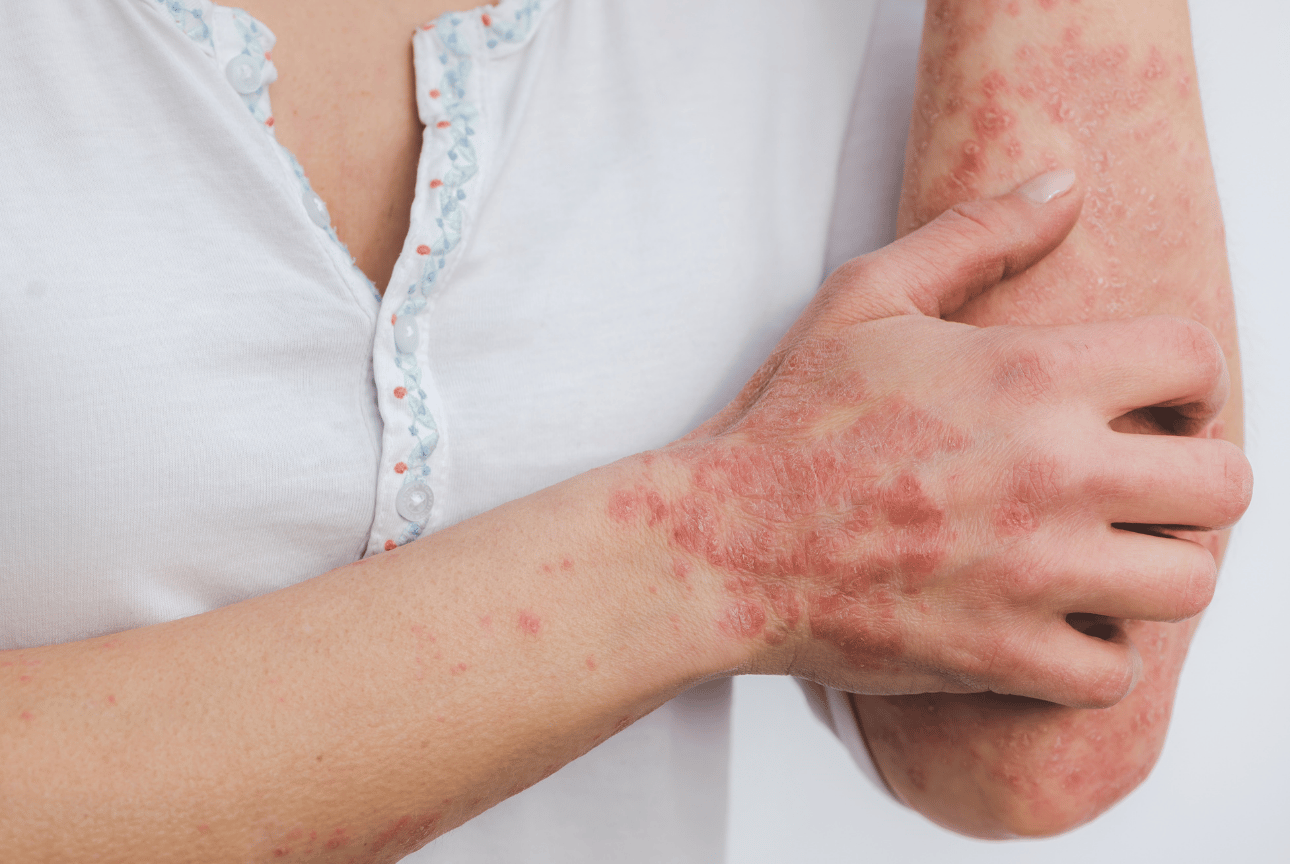
Psoriasis and eczema are chronic inflammatory skin conditions that often follow a cycle of periods of relative stability interrupted by symptom flare-ups. During a flare, symptoms such as redness, itching, dryness, scaling, or irritation may become more noticeable or severe than usual. While psoriasis and eczema are distinct conditions, both involve complex interactions between the immune system, the skin barrier, and environmental factors.
Researchers continue to study why flares occur and why certain triggers seem to affect some people more than others. Although there is no single explanation for every flare, growing evidence suggests that immune activation, skin barrier dysfunction, and external exposures all play important roles.
What defines a flare?
A flare refers to a temporary worsening of symptoms in a chronic condition. For people with psoriasis or eczema, a flare may involve increased itching, more extensive skin involvement, greater discomfort, or changes in the appearance of affected areas.
The timing and severity of flares can vary considerably. Some people experience occasional flare-ups triggered by specific circumstances, while others may notice a more unpredictable pattern. Researchers believe these fluctuations occur because the underlying inflammatory processes driving these conditions can become more active at certain times.
Immune activation and skin inflammation
Both psoriasis and eczema involve abnormal immune responses that contribute to skin inflammation, though the biological pathways differ between the two conditions. In psoriasis, immune cells trigger rapid skin cell growth and inflammation, leading to the development of thick, scaly plaques. Researchers have identified several inflammatory signaling pathways that contribute to disease activity and flare development.
Eczema, also known as atopic dermatitis, is associated with immune system dysregulation that contributes to chronic inflammation, itching, and skin irritation. Inflammatory signals can become amplified during a flare, resulting in worsening symptoms and increased skin sensitivity. Since immune activity plays such a central role in both conditions, researchers continue to investigate how internal and external factors may influence inflammatory responses and contribute to flare-ups.
Environmental and psychological associations
A variety of environmental and physiological factors have been associated with psoriasis and eczema flares. While triggers differ from person to person, several patterns have emerged in research. For eczema, common triggers may include dry air, irritants such as soaps or fragrances, allergens, infections, and emotional stress. Changes in temperature or humidity can also affect symptom severity.
Psoriasis flares have been associated with factors such as skin injuries, infections, psychological stress, certain medications, and lifestyle-related factors. Researchers have also explored how broader health conditions and systemic inflammation may influence disease activity.
Importantly, the presence of a trigger does not guarantee a flare. Instead, many experts believe flare-ups occur when multiple biological and environmental factors interact at the same time.
The role of the skin barrier
The skin barrier serves as the body's first line of defense against environmental exposures, irritants, allergens, and moisture loss. Growing research suggests that skin barrier function plays an important role in both eczema and psoriasis.
In eczema, defects in the skin barrier can allow moisture to escape while making the skin more vulnerable to irritants and allergens. This can contribute to inflammation and increase the likelihood of flare-ups. Although psoriasis is primarily driven by immune dysfunction, researchers have also identified abnormalities in the skin barrier function that may contribute to disease activity. When the skin barrier becomes compromised, inflammation can worsen and symptoms may become more difficult to control.
As researchers continue to learn more about autoimmune and inflammatory conditions, it has become increasingly clear that psoriasis and eczema flares are influenced by a combination of immune activity, skin barrier health, and environmental exposures. Understanding these factors may help provide a broader picture of why symptoms sometimes worsen and how researchers are working to better understand these chronic conditions.
How Evidation can provide insight and support your health
If you're living with psoriasis, eczema, or other chronic conditions, it can be tough to pinpoint your triggers and manage your health. Evidation can help. When you download the Evidation app, you'll be prompted to share the health information you're already tracking. With your permission, we'll use the information you share with us to find patterns, helping you learn more about how you can support your health while managing chronic conditions. Click here to learn more about how Evidation works and get started today.

Understanding symptoms of low ferritin
Low ferritin levels can make you feel sluggish, dizzy, and weak. Supplementing and changing your diet can help.
What is ferritin?
If your doctor has determined that you may have low iron levels, it's likely that they've ordered a ferritin test.
Ferritin is a protein that naturally occurs in blood. When you have a ferritin test, your doctor is able to use the amount of ferritin in your blood to determine how much iron is stored in your body.
Ferritin in the body
Ferritin plays an important role in keeping your body energized and healthy. Healthy iron levels allow your body to create red blood cells that work to carry oxygen throughout the body.
Iron levels can differ from person to person, and following your doctor's recommendations for lab tests can help your healthcare team keep an eye on your iron levels.
In healthy adults, standard blood ferritin ranges include:
- Female: 12 to 150 nanograms per milliliter
- Male: 12 to 300 nanograms per milliliter
Low ferritin risk factors
While anyone can have low iron levels, some people are more likely to develop low ferritin than others. If you're more likely to have low iron than others, your doctor may recommend regular ferritin testing to provide you with the information you need to adjust and supplement your iron levels.
People who are at risk for low ferritin levels include:
- People who are underweight
- Women who are pregnant
- Women who experience heavy periods
- People who have digestive issues that cause problems with their ability to absorb the nutrients in their food (such as inflammatory bowel disease)
While these conditions can make it more likely that you'll develop low ferritin levels, some people develop low ferritin levels–and subsequently, low iron– without any risk factors.
An important note: if you have a blood test that shows low ferritin, this does not necessarily mean that your body has low iron. Excess iron is stored in ferritin, so anyone who has low iron will also have low ferritin. In other words, Everyone who has low iron will have low ferritin, but not everyone who has low ferritin will develop low iron.
Symptoms of low ferritin
Wondering if you might be living with low ferritin levels? While a blood test is the only way to know for sure, there are some symptoms commonly shown by people who have low levels of iron stored in the ferritin in their red blood cells.
Common signs of low ferritin levels include:
- Skin appears more pale than usual
- Muscle weakness
- Unexplained fatigue
- Dizziness
- Rapid heartbeat
- Unusual shortness of breath
If you're experiencing these symptoms, it's important to talk with your doctor to get to the root of your issue. While many of these symptoms can be attributed to low ferritin, they can also be indicative of other health conditions.
Causes of low ferritin
There are many health issues that can cause a low ferritin test result. If your blood test comes back showing that you have low ferritin levels, it's likely that your doctor will order additional tests (such as transferrin saturation, total iron-binding capacity, and serum iron) to determine the severity of your body's low iron levels.
Sometimes, low ferritin levels can be caused by issues including:
- Conditions that stop the body from properly absorbing iron
- Blood loss related to digestive tract issues
- Inadequate levels of red blood cells
- A diet low in iron
- Inflammatory health conditions
Low iron stores vs. iron-deficiency anemia: What's the difference?
If you have a ferritin test that shows that you have low iron stores, you could be anemic. In order to understand the difference between low ferritin and low iron, it's important to understand the role that hemoglobin plays in your health.
Hemoglobin is a component of red blood cells, and works to carry oxygen throughout your body. Iron works to help your bone marrow produce hemoglobin. Without iron, the body struggles to produce hemoglobin. Red blood cells are able to store extra iron in ferritin proteins. When the body doesn't get enough iron from food, it has to resort to using ferritin-stored iron to create hemoglobin.
When your body doesn't have much ferritin-stored iron, it’s possible to develop iron deficiency. Over time, this can make it hard for the body to make enough hemoglobin to support your health. Anemia is a condition that occurs when you have low levels of hemoglobin in your blood, caused by low iron stores.
If you have low ferritin levels, it's important that you carefully follow your doctor's advice to boost your body's iron stores to avoid developing anemia.
Increasing ferritin levels naturally
If you've recently been diagnosed with low ferritin levels, we've got good news: there are plenty of steps you can take to naturally increase your body's iron stores. Here, we'll take a look at how supplementation and diet changes can help to boost your body's ferritin levels.
Supplements
Your doctor may recommend that you use iron supplements to help boost your ferritin levels. It's important to work closely with your care provider to monitor whether your supplementation routine is working--some people find more success through supplementing iron every other day rather than taking a supplement every day.
Dietary changes
Adding iron-rich foods to your diet may help you increase your ferritin levels. There's no need for a total dietary overhaul--simply adding some of the foods below to your nutrition plan can help you boost your energy by increasing your body's iron levels.
Foods high in iron include:
- Beans
- Tofu
- Beef
- Dried fruit
- Cashews
- Lentils
- Kale
- Pistachios
- Soybeans
- Peas
- Beef
- Broccoli

Talk to your doctor
If you're concerned that you may have low iron stores in your body, it's key to reach out to your doctor for ferritin testing. Be sure to keep a list of your symptoms, which can allow your doctor to determine whether they should test for health conditions in addition to low ferritin levels. If your doctor finds that your ferritin levels are low, you'll want to talk with them to develop a supplementation and diet plan that will help you get back to feeling like yourself.
Download Evidation today
At Evidation, we're here to help you make the most out of every day. From providing you with easy-to-follow health tips to providing the support that you need to feel your best, we've got you covered. Download the app today to get started!

What causes high diastolic blood pressure?
Is your diastolic blood pressure high? This guide will answer your questions, including, "how do you fix high diastolic blood pressure?"
When you go to the doctor and get your blood pressure measured, the nurse reads back a number like this: 120/80. Most people don’t think twice about what that number means, but what happens if a measurement starts to creep up? For most patients with hypertension, both numbers will increase, but sometimes, just one. If only the bottom number starts to go up, you’re dealing with high diastolic blood pressure. Here’s a closer look at what causes high diastolic blood pressure and how you can treat this rare condition.
What is diastolic blood pressure?
When doctors measure blood pressure, they measure systolic and diastolic. The systolic number is listed on top of the diastolic number. Diastolic measures the pressure in your blood vessels in the period between your heartbeats. In contrast, systolic measures the pressure when the heart muscle contracts.
What causes diastolic blood pressure to increase?
Currently, any reading above 80 millimeters of mercury for diastolic blood pressure is considered high as long as the systolic blood pressure is within normal parameters. So what causes this level to increase?
General hypertension, which is elevated levels for both types of blood pressure, often occurs due to lifestyle factors. Someone who eats a diet high in fat and salt or someone who is living with obesity may have high blood pressure. However, high diastolic blood pressure is rare, affecting only about 20% of patients with high blood pressure. It may be caused by endocrine disorders, renovascular disorders, and even sleep apnea, in addition to the factors that can cause overall high blood pressure. Sometimes, stress and anxiety or excessive alcohol consumption can also cause it, and some medications, including atypical antipsychotics and amphetamines, can cause it. In many cases, however, doctors aren’t sure why a person develops high diastolic blood pressure. If you’re concerned about these potential causes, always consult with your doctor, and don’t change your medication without a doctor’s oversight.
Dangers of high diastolic blood pressure
High diastolic blood pressure may be rare, but it’s still an important thing to note because diastolic blood pressure is an important indication of cardiovascular health. Since this number measures the blood pressure between heartbeats, a high level may mean less effective delivery of oxygen to the heart's muscles. This, in turn, can lead to an increased risk of heart disease.
The risk is fairly high, too. According to Medical News Today, an increase of 10 millimeters of mercury for this measure doubles an adult’s risk of heart disease or stroke, as well as some additional health concerns. This risk appears once someone reaches age 40, and high diastolic blood pressure doesn’t have the same impact on younger individuals.
Specifically, increased diastolic blood pressure increases your risk of having:
- Heart disease
- Stroke
- Heart attack
- Heart failure
- Peripheral arterial disease
- Chronic kidney disease
- Vision loss
- Aneurysm
- Atrial fibrillation
Symptoms and diagnosis
High blood pressure of any kind rarely has symptoms. That’s why it’s sometimes called the “silent killer.” When blood pressure levels are severe, it may lead to headaches, anxiety, nosebleeds, and nervousness. An irregular heartbeat or vision problems may also occur.
Because symptoms typically don’t develop until the disease has progressed quite far and levels are extremely high, most people get diagnosed at a routine medical examination or when they’re being seen for something else. Doctors typically take blood pressure at every appointment, noting elevated levels. Occasionally, elevated diastolic blood pressure may not be a cause for alarm, but if it’s staying elevated regularly, you’ll want to talk to your doctor about how to best manage it.
Improve your blood pressure with treatments and lifestyle modifications
Managing your blood pressure, including your diastolic blood pressure, is an important part of keeping your heart healthy. The first line of defense for mildly elevated blood pressure and improving cardiovascular health may be lifestyle modifications. If lifestyle modifications aren’t sufficient, or if the diastolic blood pressure level is extremely high, your doctor may choose to use medications to treat it.
Increased exercise
First, consider adding more exercise to your routine. You can exercise safely with high blood pressure using a few modifications. Always check with your doctor, but getting more activity may help lower your blood pressure over time.
Increased water intake
Another way to manage blood pressure through lifestyle changes is by increasing your water intake. Drink the appropriate amount for your gender and age, and consider increasing it slightly if necessary to improve your health. Staying hydrated supports good heart health, and that includes improving blood pressure levels.
Balanced diet with less salt and alcohol
Managing your diet may also have a positive effect on diastolic blood pressure levels. Reducing alcohol consumption, limiting salt intake, and focusing on eating a balanced diet all play a role in keeping blood pressure levels in check. You can use tools like Evidation and your favorite fitness tracker and food tracking apps to monitor how well you’re doing to reach these goals.
Home monitoring of blood pressure
Monitoring your blood pressure levels at home will also be helpful. This shows you if the lifestyle modifications are working and will also help you know if you need further medical intervention.
Medication treatment options
Because high diastolic blood pressure is rare, most patients will need to get some medical oversight. If your systolic blood pressure is normal, but your diastolic is high, your doctor may want to proceed with caution. Medical News Today warns that treating high diastolic blood pressure with medication, particularly if the patient is young, can increase the risk of heart problems.
That said, if levels get high enough, doctors will recommend medication. Some options include:
- Diuretics
- Angiotensin receptor blockers
- Angiotensin-converting enzyme inhibitors
- Calcium channel blockers
Adding medication will mean an increased level of monitoring from your doctor. Sometimes, medications need adjustment until the ideal blood pressure level is reached.
Monitor your health goals with Evidation
If you’re struggling with your diastolic blood pressure, you’ll want to take a multifaceted approach to managing it. Tracking your health will be part of this. Evidation can add motivation to help you take charge of your health by rewarding you for making better health choices. Start tracking your health with Evidation today.

Winter weight gain: keeping healthy during holidays
Are you wondering, "Why do I gain weight in the winter?" Here are some reasons, along with strategies to help avoid this problem.
When winter hits, so does the holiday season. This brings many challenges if you’re focused on healthy living. From shorter days and colder weather that make it harder to get your exercise in, to the many treats and extra alcohol consumption common around the holidays, you’ll face many challenges to your healthy living goals during this time of year.
If you’re wondering, “Why do I gain weight during the winter?” know that you’re in good company. On average, people will gain between 1 and 3 pounds during the holiday season. There are many reasons for this. The stress of the holidays, extra food available, less motivation to get outdoors and be active, and increased cravings for comfort food are all contributing factors to winter weight gain.
So, what can you do if you want to avoid coming out of the winter with a few extra pounds? There are some simple yet effective strategies you can use to prevent holiday weight gain. With the right plan in place, you can enjoy some holiday festivities and still achieve your health goals during this season.
1. Be active and socialize
A key factor of a healthy lifestyle is exercise, but many people lose motivation to be active when the days get shorter and the temperature colder. The holiday season is about friends and family. While many events do focus on food and treats, they can also be about the people you’re spending time with. Focus on the social aspect of the event and look for ways to be active. Can you get together with family for a hike through the winter woods, or play a game of basketball in the driveway after a holiday meal? Being active and social may help counter any extra treats you enjoy over the season.
2. Mindful eating and portion control
Having one holiday cookie isn’t going to derail all of your healthy eating goals. Having two holiday cookies every day between Christmas and New Year's may be more than your body needs.
One key to balancing your desire to maintain a healthy weight with the extra treats of the holiday season is to practice mindful eating and portion control. Eat what’s available when you’re hungry, even if it’s not the healthiest option possible, but stop when you’re full. Take a half portion, too, and evaluate if you’re sufficiently full before returning for seconds. These small steps can make a big difference in the total number of calories you consume.
3. Smart snacking and healthy choices
When you want a snack during the holidays, it’s tempting to reach for another treat. Instead, grab some fresh fruit, or keep some cut-up veggies in the fridge. If you can focus on smart snacking and save the treats for an occasional after-meal dessert, you may find that you’re consuming fewer empty calories. Also, fruits and vegetables are high in fiber, which can help you feel full longer. They’re also packed with vitamins that can help boost your immune system throughout the winter months.
4. Manage stress and sleep
There’s no denying the holiday season can feel stressful. There are concerts, programs, parties, and events to attend nearly every weekend. Over time, you can start to develop significant stress as you work to manage this busy schedule. Stress releases the hormone cortisol, which triggers the body’s natural fat storage tendencies. When you have high cortisol levels, it can be harder to lose weight. Also, high cortisol levels can make you want to indulge in sugary or salty treats, which can add to your weight gain.
Add to the schedule the expectations this time of year to have the perfect, Pinterest-ready holiday, and you can see why it’s a recipe for high levels of stress. Find ways to weave in some relaxation throughout the winter as you manage your emotional wellness during this season. Curl up with a favorite book or holiday movie to unwind, or draw yourself a warm bath to add some relaxation. Maybe relax by listening to your favorite holiday music or attending a peaceful religious service. What feels relaxing is going to be highly personal to you, but find some ways to unwind.
Getting enough sleep is also essential during the winter. Sleep keeps your immune system functioning properly while also lowering your stress levels.
5. Mindful indulgence and alcohol consumption
It’s probably not reasonable to say you need to avoid all treats during the holidays, but as with your mindful eating, be mindful of your indulgence. Take small portions of the holiday treats that are so prevalent this time of year. Avoid taking seconds. This will help you consume less of these tasty but potentially unhealthy items.
Similarly, be considerate of how much alcohol you consume. Whether it’s wine, beer, or something else, alcohol contains calories, and too many calories can lead to weight gain. Have alcohol on occasion if you want it, but don’t overdo it.
6. Planning and self-compassion
The best way to protect against winter weight gain is with a plan. Find tools you can use to track your health, such as Evidation, and know how you will approach parties and treats brought to work. Give yourself some grace to enjoy some of these items, but have a plan in place to say “no” in a gracious way when needed.
In addition, practice self-compassion. You may gain some weight in the winter. For some, it’s the nature of the season and all of the celebrations it brings. If you do gain some weight and want to try to get back to your baseline after the holidays, you can easily do so. A little bit of extra winter weight, especially over the holidays, doesn’t need to derail the work you’ve put in throughout the year.
Are you looking for additional insights that can help you fight winter weight gain? Check out these 23 surprising health facts, or our guide to healthy eating during the holidays.
If you want a tool to help you prevent winter weight gain, consider Evidation. By rewarding you for your efforts, Evidation can make it easier to focus on healthy choices throughout the holidays. Start tracking your health with Evidation today.

What is food freedom?
Learning how to re-shape relationships with food to promote improved mental and physical well-being for all.
Food freedom has various interpretations in today’s society.
For some, food freedom can be defined as the path individuals take to fight food addiction, or transition away from industrial food production. For others it’s about improving food security in public health settings.
For those in recovery from harmful diet culture or eating disorders, food freedom embraces the belief that all foods can be enjoyed in moderation without guilt or shame.
Because of the various definitions and applications of the term, food freedom can be a confusing topic. In this post, we’re focusing on food freedom to challenge the social norms around diet culture and the damaging “thin” ideal imposed on our culture for decades.
This article is intended to help readers find food freedom by discovering a positive, judgment-free relationship with food and learning how it nourishes the body.
Intuitive eating
Intuitive eating is a non-dieting approach to consciously changing eating habits by trusting the body’s ability to make good food choices.
By learning to trust their gut (literally), people can develop positive relationships with food and their bodies while rejecting the damaging impact of dieting on physical and mental wellness.
Through intuitive eating, individuals learn how to stop fixating on their weight and focus on eating to feel satisfied and in ways that make them feel healthy and energized to improve their lifestyle.
Mindful eating
Mindful eating stems from mindfulness, defined as an intentional focus on a person’s current thoughts, emotions, and sensations. By eating mindfully, a person can utilize all their senses to fully enjoy the food they’re eating and appreciate how it nourishes their body.
Mindful eating encourages the practice of gratitude as you eat and experience food. By choosing foods that provide nourishment and energy, we become more aware of what our bodies need to feel satisfied. Mindful eating also aims to dissuade judgment around any food choices we make with compassion and understanding.
Food freedom vs. diet culture
Now that you have a general understanding of food freedom, let’s discuss how it stacks up against diet culture.
At its foundation, diet culture values thinness above all else. To achieve a thin body, the message is simple — restrict calories, obsess over food and exercise, stigmatize, and avoid being overweight at all costs.
Nearly 45 million Americans are impacted by diet culture every year; spending money on weight loss products and trying to eat as little as possible to achieve the unrealistic image of what a successful, valuable person looks like.
Food freedom vehemently discourages and discredits diet culture by encouraging people to trust their bodies, promote a positive body image, and learn sustainable eating habits and attitudes.
Embracing gastronomy
Gastronomy seeks to embrace the cultures and foods worldwide and understand how these cuisines positively impact human health and well-being. It strives to understand and experience various cultures’ foods and how they contribute to general nutrition.
As you take steps towards embracing food freedom and guilt-free eating, gastronomy can help you understand the value of any food experience and how it can benefit you physically and mentally.
Food freedom for mental well-being
The dangers and harms of diet culture are no secret, and they take a lot of hard work to undo. Diet culture promotes low self-esteem, anxiety, and depression in its foundational message that you are not worthy or valuable unless you look a certain way.
These beliefs can contribute to mental health conditions, including body dysmorphia, disordered eating, bulimia, anorexia, binge eating, and restrictive food intake disorder. Over 30 million Americans struggle with eating disorders from these unachievable societal expectations.
Developing food freedom beliefs and practices can help break the cycle of emotional and binge eating. As an alternative to dieting or restrictive eating, the food freedom mindset encourages people to eat as they please and to remove food as the most important part of their day.
Food freedom experts believe that as you develop flexible feelings around food, your mental health and general well-being will improve, too.
Practical steps towards food freedom: Making it work in your life
Applying food freedom practice to your daily life can be challenging, but the rewards are worth it. Over time, it is possible to improve your relationship with food, enjoy satisfying foods without guilt, and improve overall mental and physical health.
Here are some actionable steps you can take to make food freedom work in your life:
Practice self-compassion
As we discussed, diet culture is often rooted in our beliefs about self-worth. Unlearning these toxic ideals takes time and effort. Practice self-compassion by reminding yourself that you are worthy, being thin is not a sign of being healthy, and you learn new things about nutrition and food daily.
Follow your body’s cues
Our bodies are effective communicators; we just don’t always listen how we should. Pay attention to any signs of hunger, cravings, and fullness so you can give your body what it needs when it needs it.
Learn to enjoy eating
Learning to enjoy eating may seem silly, but the mindfulness we mentioned earlier is critical in redefining your relationship with food. Many who are working on guilt-free eating like to try new recipes to set themselves up for success with their daily nutrition.
Practical tips include packing a nourishing lunch or eating slowly to savor and fully appreciate each bite.
Add physical activity to your day
Exercise can play a significant role in reshaping your relationship with food. It helps you learn to appreciate your body for all it’s capable of and, in turn, be grateful for the food you consume to nourish your body and create energy for the workouts you enjoy doing.
Achieve Your Health Goals with Evidation
Fostering a healthy relationship with food takes time, especially if you're unlearning harmful ideals from diet culture. Learning to enjoy food without restrictions and shame may be one of the best things you ever do for your mental and physical health.
Whether you have specific goals or are simply trying to build healthier habits for a more sustainable lifestyle, Evidation is here to support you with our powerful health tracking app to become your healthiest, happiest self. Join us today!

Navigating holiday depression: prioritizing your emotional well-being
Do you feel sad and discouraged when everyone around you is festive during the holidays? It may be holiday depression. This guide can help.
It may be “the most wonderful time of the year,” but for some people, the holiday season brings feelings of sadness and depression. Feeling down when everyone else is in a festive mood can be confusing, but there are good reasons for these feelings. If you find that you’re struggling a bit with sadness and depression during the holidays, you’re not alone. Holiday depression is more common than the cards and movies make it out to be, but some practical solutions can help.
Common causes of depression around the holidays
Having depression around the holidays can have many contributing factors. First, in the US, this time of year is in the winter, which is when seasonal affective disorder occurs. This automatically increases the chances of having depression. Yet, there are additional factors that occur during the holiday season that increase the risk of developing these feelings.
Increased pressure
Living in the Pinterest era puts even more pressure on everyone to keep things picture-perfect, but Pinterest boards are not real life. If you’re feeling pressure to do everything perfectly and meet everyone’s expectations for a magical holiday, it can take a toll on your mental health.
Grief
If you’ve recently had a major life change or lost a loved one during the past year, the grief associated with these events can feel more acute during the holidays. Not having life as it normally is can make you feel sad and lonely.
Financial stress
The holidays can get expensive, especially if you’re facing high expectations for how you’ll celebrate and what gifts you’ll give. This increases financial stress.
Poor time management
During the holidays, you still only have 24 hours a day, and you have to use some of those hours to sleep. If you lack time management skills, you'll find that the stress levels you face increase significantly, leaving you feeling depressed and tired.
How to cope with holiday stress
Understanding the factors that can trigger the holiday blues is the first step in managing your mental health during this season, but you’ll also need to take some proactive strategies to help. Here are some ideas.
Practice mindfulness
Mindfulness refers to being fully present and aware of what is happening in a particular moment, both outside of you and inside your body. All people can be mindful, but our busy society can make it harder to practice this mental state, so learn how to bring yourself back to mindfulness when your stress levels start to rise.
To practice mindfulness, take time to slow down and notice what’s happening around you. What do you see, hear, feel, and taste? Focus on your breathing, taking in deep breaths. Take an inventory of your emotional state. By doing all of these things, you can correct your thinking and bring yourself back into a state of mindfulness. This may help you enjoy the holiday festivities more because you’ll be able to take them all in.
Learn relaxation exercises
When stress levels start to rise, relaxation exercises may help. Here are some to try:
- Progressive muscle relaxation: Practice relaxing your muscles a few at a time, tensing and relaxing from your toes to the top of your head.
- Visualization: Visualize a calm, relaxing place or situation, and picture yourself in it.
- Deep breathing: Take a deep breath, hold it for a count of five, and then let it out slowly.
- Yoga: Yoga involves breathing and stretches to create a sense of balance and relaxation in the body.
Set realistic expectations
One of the factors leading to holiday stress is the high expectations many people place on themselves during the holidays. Remember, the holidays are about spending time with family and friends and learning to appreciate those you love even more. You don’t have to have a five-course meal with specialty centerpieces to enjoy your time. If you make your expectations more manageable, you may face less stress.
Don’t neglect physical health
The holiday season is a time with extra treats and fewer opportunities to exercise. However, it doesn’t have to derail your healthy living goals. While you can restart healthy habits after the holidays, you may find that your mental health stays in a better place if you keep up with healthy eating and exercise routines as much as possible. Allow yourself some tasty holiday treats, but aim to balance them with your healthy food choices, too.
Make mental health a priority
During the holidays, you’re going to want to do what you can to protect and prioritize your mental health, especially if you’re prone to struggles with depression. You are the only one who can protect your mental health, so make sure you’re doing all you can to do so. These tips may help.
1. Prioritize self-care
Getting enough sleep and making time to exercise should be a top priority during the holidays. Prioritize the types of self-care that make you feel healthy and energized, and you may find your mental health is better protected.
2. Get support
Whether it’s from friends and family who can help you with your “to-do” list, the listening ear of a loved one when you need a moment to vent, or the professional support of a therapist or counselor, get support for your mental health concerns and keep up with that support through the holidays if you can.
3. Practice healthy boundaries
There is only so much you can do throughout the holidays. Set boundaries to help you protect your mental well-being. Whether it’s saying “no” to a friend’s party or limiting the guest list to the family get-together you’re hosting, boundaries are a key to protecting your mental health.
4. Use Evidation to track your physical health
One aspect of self-care is ensuring you get enough sleep, healthy food, and exercise. One way you can monitor this is with the help of tracking tools, like those that work with Evidation. Connect your tracker to Evidation to better track your physical health markers so you can get through the holidays with an improved mood and fight holiday depression before it starts.
Are you ready to enter the holiday season well-armed? Track your health with Evidation today. You can also learn how health data, such as the data tracked with Evidation, can help you predict seasonal changes in depression.

November is Diabetes Awareness Month - Get ready to take charge of your health
Chances are diabetes affects you or someone you love. Since Diabetes Awareness Month is here, take some time to get educated about the disease.
November is Diabetes Awareness Month, and this is an excellent time to take a closer look at this common condition, its potential risks, and ways you can protect yourself from it. Like many health conditions, diabetes has far-reaching consequences, but it can also be managed with better awareness and monitoring combined with lifestyle changes that promote health. Whether you have diabetes or you’re helping a loved one manage the condition, this is the month to focus on awareness and education about this common disease.
Types of diabetes
If you or a close loved one are affected by diabetes, you aren’t alone. Diabetes affects over 133 million people in the US alone, but not all people with diabetes have the same type. Typically, people with diabetes will have one of three main types:
- Type 1 diabetes – This type of diabetes occurs when the body does not make enough insulin, often due to damage to the pancreas. Though it can develop at any age, type 1 diabetes is sometimes called juvenile diabetes because it’s more commonly the type that affects children.
- Type 2 diabetes - The most common type of diabetes, type 2 occurs when the body makes enough insulin but doesn’t respond properly to it. In response, the pancreas makes more insulin, and eventually, this leads to an increase in blood sugar.
- Gestational diabetes – This form of diabetes is unique to people during pregnancy. The increased weight during pregnancy can cause some people to become insulin-resistant, and this, in turn, can trigger diabetes. About half of people who have gestational diabetes will see their blood sugar levels return to normal after delivering their babies, while the other half will develop type 2 diabetes later in life.
Regardless of the type of diabetes a person has, this is a life-altering condition. It requires the individual to carefully care for their health to maintain balanced blood sugar. It also requires carefully following all recommendations from the individual's doctor to protect their health and well-being.
Understanding diabetes in women
While diabetes can affect all individuals with the condition, women and those who were assigned female at birth may have more risks than biological males. For example, the FDA warns that women with diabetes have a higher heart disease risk than men. The disease also increases the risk of vaginal yeast infections and urinary tract infections in women.
In addition, female hormones impact a woman’s ability to predict and manage blood sugar levels, and the cravings that come with those hormones can also impact diabetes management. Diabetes can also reduce a woman’s libido and make the vaginal area dry, which creates pain during intercourse. Finally, women who wish to become pregnant can face infertility issues due to diabetes, and if the diabetes is not well managed, they face the risk of complications and birth defects in the baby.
Because of these increased risks, women who have diabetes or who are at risk for developing the disease need to work with a healthcare team to keep blood sugar levels in proper balance. The best way to avoid these increased risks and potential complications is with good monitoring and blood sugar control. Making positive health changes, such as following a diabetic diet or increasing exercise, may also lessen this risk.
For children with diabetes, empowerment is key
Diabetes affects 283,000 children and youth in the United States, and the majority of these are type 1 diabetes patients, according to the CDC. This disease requires close monitoring and tracking, which can be hard for children. However, because diabetes is a lifelong condition, children must learn the skills they need to keep their blood sugar levels in check. Giving kids the tools they need to manage their diabetes well empowers them to embrace healthy choices and proper blood sugar monitoring throughout their lives.
The first step in empowering kids is educating them about what diabetes is and why it happens. Sadly, many misconceptions about diabetes exist, and children need to know that developing the condition is not their fault. This knowledge will help them tackle any misconceptions they hear from their friends.
Next, children should learn to monitor and check their blood sugar. While many tools, such as devices that deliver insulin via a pump or monitor blood sugar around the clock, can help, children should know how to take their own blood sugar manually should their device fail. Children also need to learn what to do if they have high or low levels.
If you’re a parent with a child who has diabetes, consider working to educate not only the child but also the other important adults in the child’s life. For example, children with diabetes may notice changes in blood sugar levels after exercise, so your child might need to advocate for a blood sugar check or snack after P.E. class. Getting all adults on board with this will help your child get the care they need and feel empowered as they do so.
Though diabetes can be a challenging diagnosis for a young child, learning to manage it is possible. Through empowerment, you can prepare your child for an adult life that they love, with diabetes not getting in the way.
Avoiding diabetes complications by prioritizing health
Regardless of age, sex, or gender, having diabetes puts a person at risk of several serious health complications. Diabetes, if left untreated, can affect every part of the body. Some possible complications include:
- Retinopathy and other eye problems
- Nerve damage in the feet (neuropathy)
- Kidney disease
- Heart attack and stroke
- Gum disease
- Hearing impairment
- Alzheimer’s disease
Each of these is just as impactful as diabetes, which means monitoring and treating diabetes needs to be a top priority for people with the condition. In addition, people with diabetes can benefit from taking measures to protect and improve their overall health, which will reduce their risk of developing these complications as well.
Support systems for diabetics
Diabetes is a challenging condition to manage, and people with diabetes benefit from a strong amount of support surrounding them. Support starts with friends and family who can encourage an individual to work toward better diabetes management and reaching their personal health goals. In addition, several organizations provide support for diabetes, including:
- The American Diabetes Association
- Children’s Diabetes Foundation
- Defeat Diabetes Foundation
- JDRF
- Diabetes Research Institute Foundation
You may also find support groups in your local community through your healthcare provider.
Use Evidation to reach your health goals
At Evidation, we believe in empowering individuals to make the best health decisions they can, and we’re also committed to staying at the forefront of research, supporting healthcare providers in their clinical research into life-altering conditions like diabetes.
The more tools at your disposal when managing diabetes, the better, and Evidation is one such tool. With clear guidelines and easy digital health monitoring, Evidation helps individuals reach their health goals. When managing diabetes, every healthy step you take to prioritize your wellness is critical, and Evidation is here to help. Download the app today.

Does magnesium help you sleep? Sleep solutions for peaceful nights
Magnesium supplementation for sleep: how it works, how much to take, and side effects to watch out for.
Not getting enough sleep can take a major toll on your well-being, and it makes sense to look for techniques that can help you fall asleep and stay asleep.
Many people who are interested in improving the quantity and quality of their sleep are interested in trying natural methods, rather than turning to pharmaceutical options. Thankfully, magnesium supplementation is an option for people who are interested in using natural methods to boost the quality of their sleep. Research on whether magnesium supplementation works to boost sleep quality is mixed, but many people find that adding magnesium-rich foods to their diets and taking magnesium tablets helps them rest easily.
Here, we'll take a look at the role that magnesium plays in helping you get great sleep, what the current research says on magnesium and sleep quality, whether you should consider supplementation, and a few things to watch out for if you decide to introduce magnesium supplements as a part of your sleeping routine.
Why does magnesium help you sleep?
The jury is out on whether magnesium supplementation contributes to improved sleep quality, but one thing is for sure: there's a connection between magnesium and sleep.
Scientists aren't exactly sure why magnesium seems to improve sleep quality for some people. Magnesium can help to aid with muscle relaxation, which may mean that the body releases tension after ingesting magnesium, making it easier to fall and stay asleep. It's also possible that magnesium works to lower cortisol (stress hormone) levels, while also increasing the brain's natural levels of melatonin, an important sleep chemical.
It's possible that magnesium may regulate the level of GABA (a neurotransmitter) in the body's central nervous system. GABA can help to calm the nervous system, and researchers believe that magnesium may help the body maintain the appropriate levels of GABA to act as a gentle sedative when it's time to sleep.
In addition to the potential sleep benefits, adding magnesium to your diet can also support your overall health. Magnesium may lower the risk of type 2 diabetes, lower blood pressure, reduce the frequency of migraine headaches, and reduce the risk of osteoporosis.
The research on magnesium and sleep quality
Research shows that older adults may benefit greatly from magnesium supplementation when it comes to getting better sleep. Magnesium seems to be related to the reversal of age-related sleep changes that can make it harder for seniors to get the rest necessary to maintain their overall health.
Healthy magnesium can also help little ones get the rest that they need--it's possible that healthy magnesium levels contribute to healthy wake and sleep cycles for infants and babies.
Scientists still aren't completely sure of the role that magnesium plays when it comes to getting great sleep, but research is promising. A recent study showed that older adults dealing with insomnia were able to fall asleep faster and stay asleep longer after supplementing with 500mg of magnesium per day for eight weeks.
Are magnesium-rich foods or supplements better for you?
If possible, it's generally best to get your vitamins and minerals from whole food sources. Eating a diet rich in magnesium can boost your health in many ways, as foods that contain high levels of magnesium typically also contain high levels of other nutrients.
If you aren't sure whether you're able to get all of the magnesium you need from food sources alone, it's a good idea to talk with your doctor about a blood test to measure your magnesium levels. Based on the results of your test, your doctor may recommend a supplement to help you get maximum magnesium benefits.
Foods rich in magnesium include:
- Almonds
- Bananas
- Beans
- Beef
- Brown rice
- Dark chocolate
- Milk
- Oatmeal
- Peanut butter
- Poultry
- Salmon
- Spinach
If you're enjoying magnesium-rich foods in an effort to improve your sleep, be sure that the foods you choose don't contain ingredients that have the opposite effect. For example, enjoying some dark chocolate before bed can be a fantastic treat, but if it's combined with foods that have high levels of sugar, you may find yourself jittery and trying to relax instead of easily drifting off to dreamland.
Recommended magnesium dosages
It's important to take the right dose of magnesium for your body. Taking too much magnesium can increase the likelihood that you'll experience negative side effects.
Guidelines for magnesium supplementation in the United States are as follows:
- Adult and teenage males—270 to 400 milligrams (mg) per day.
- Adult and teenage females—280 to 300 mg per day.
- Pregnant females—320 mg per day.
- Breast-feeding females—340 to 355 mg per day.
- Children 7 to 10 years of age—170 mg per day.
- Children 4 to 6 years of age—120 mg per day.
- Children birth to 3 years of age—40 to 80 mg per day.
A word of caution
As with all supplements, it's important to approach magnesium supplementation carefully. There can be side effects that come with taking too much magnesium, including digestive issues like diarrhea, nausea, and vomiting. It's also possible to experience lethargy and muscle weakness, as well as cardiovascular and respiratory issues.
Taking magnesium with a meal can help to reduce the risk of side effects associated with the supplement. It's important to swallow magnesium tablets whole. If you're using a fiber magnesium supplement, be sure to mix it with the appropriate amount of water.
Before beginning magnesium supplementation, it's a good idea to talk with your doctor to learn whether adding magnesium to your diet is a good fit for you. This is especially important if you take any prescription medications, as these can interact with magnesium and cause additional unwanted side effects. Certain supplements--like diuretics (water pills)--can cause the body to hold onto magnesium, increasing the risks of health issues and side effects.
Evidation: Live well and rest easy.
Whether you're looking for information on how to live the healthiest lifestyle possible or you're embarking on the journey toward a new health and fitness goal, Evidation is here to help. Download our app today to put your health data to good use.

Alzheimer's Awareness Month: Show your support for people with Alzheimer's and their caregivers
It's Alzheimer's Awareness Month. Learn about this common disease, prevention strategies, and support resources for caregivers.
When someone is getting older, they naturally become increasingly forgetful. Yet for some, that forgetfulness is a sign of something more serious, the beginning stages of Alzheimer’s disease. In 1983, President Ronald Reagan declared the month of November to be National Alzheimer's Awareness Month. At the time, around 2 million people had the disease. Today, in America alone, it is over 6 million and growing. As Alzheimer’s Disease Awareness Month returns, the team at Evidation wants to take a closer look at the condition and its impact on society.
The facts about Alzheimer’s disease
Alzheimer’s disease is a degenerative brain disease. It is a form of dementia, which is a larger category of degenerative brain disease, that attacks a person’s memory and thinking skills. It’s rarely genetic, though some forms of early-onset Alzheimer’s can be linked to a genetic cause.
According to statistics from the Alzheimer’s Association:
- Over 6 million Americans suffer from Alzheimer’s disease
- Though it can affect people of all ages, 72% of people with the condition are age 75 and older.
- Over 11% of people aged 65 and older have Alzheimer’s disease.
Though these statistics are staggering, Alzheimer’s research continues to make progress to help people understand and fight this common disorder. Alzheimer’s Awareness Month is an excellent time to take a closer look at what the research currently says.
Alzheimer’s disease prevention strategies
Alzheimer’s disease, sadly, has no currently known cure, though research continues to look at treatment options. That said, the CDC indicates that many of the risk factors for Alzheimer’s are preventable. Reducing the risk of developing Alzheimer’s and other forms of dementia starts with reducing these preventable risk factors.
High blood pressure
According to one CDC study, around half of adults who had Alzheimer’s disease also had high blood pressure or were not physically active, especially regarding aerobic physical activity. One strategy to protect against Alzheimer’s is to increase physical activity and work to keep high blood pressure under control.
Smoking and binge drinking
Smoking and binge drinking are also risk factors for Alzheimer’s and dementia. Since these are preventable behaviors, focusing on getting help to quit may have a positive impact on a person's risk of developing dementia.
Obesity and diabetes
A connection between obesity, diabetes, and dementia has been established. Taking measures to increase activity while lowering caloric intake and combining that with good blood sugar control are helpful as part of an Alzheimer’s prevention strategy. Healthy eating and increased physical activity can both play a role in managing these conditions.
Diagnosis and screening methods
As we age, a little bit of memory loss is common. So, how do you determine if your loved one is dealing with normal memory loss or a more severe form, such as Alzheimer’s disease? The only way to know for sure is with an evaluation from a medical doctor.
Doctors use assessment tools, such as the General Practitioner Assessment of Cognition, to screen individuals who may have dementia or Alzheimer’s. If these screening tools indicate potential dementia, the doctor can refer the person for a more thorough evaluation.
Currently, there is no scan or blood test that can diagnose Alzheimer’s disease. Instead, doctors use cognitive diagnostic tools and combine those with medical history, neurological examination, brain imaging, and observations to make a diagnosis.
Different stages of Alzheimer’s
Alzheimer’s is a progressive disease, which means the symptoms steadily worsen over time. There are three main stages of Alzheimer's: mild, moderate, and severe, which are also sometimes categorized as early-stage, middle-stage, and late-stage.
Early-stage Alzheimer's
Mild or early-stage Alzheimer’s occurs when the person starts to notice memory lapses, and close friends or family may also notice it. These memory lapses may be challenges with finding the right word or name in conversation, or it can mean forgetting things that were just read or losing items quickly after picking them up. It’s important to note that these symptoms don’t always mean someone is starting to develop Alzheimer’s disease. They can be due to several concerns, including high stress levels, but it is the first sign that something’s not quite right.
Middle-stage Alzheimer’s
When someone enters the middle stage of the disease, also known as moderate Alzheimer’s, they have more pronounced symptoms, getting frustrated or changing their behavior, confusing words, and forgetting events from their past history. This stage can last quite a long time, and the symptoms vary from one person to the next, which can make it hard to diagnose.
During the middle stage, a person’s memory loss and changes in personality start to impact daily life. While individuals in this stage can do many activities, they may need assistance and supervision to do so safely. Wandering away from home can also be a high risk during this stage, which is why caregiving is often necessary.
Late-stage Alzheimer’s
This is the final stage of the disease, when symptoms become severe. At this point, individuals will not be able to respond to their environment or have a conversation. As the disease progresses, they may no longer be able to control movement. This state often requires round-the-clock skilled nursing care. Hospice care can often help the individual as well as their loved one manage the changes that come in this stage.
Alzheimer’s caregiving tips and finding community support
Taking care of a loved one who has Alzheimer’s is rewarding, but it can also be tremendously stressful and overwhelming, especially if the condition causes a serious change in behavior. Caregivers can reduce some of their stress by practicing healthy self-care. Consider these tips:
- Build a community around yourself that you can tap into when you need help.
- Remember to eat healthy and get active so you can protect your own physical health.
- Find local caregiver support groups and attend meetings. Utilize online options if you can't get out of the house.
- Take short daily breaks.
- Maintain your friendships or hobbies to give yourself a mental break from caregiving tasks.
Support is critical along the way. Having people you can talk to who understand the challenges of caregiving and Alzheimer’s disease will help you navigate this world better. Some support groups to consider include:
- Local chapters of the Alzheimer’s Association
- Alzheimer's Foundation of America
- Dementia Mentors
- Local Memory Cafe
As you focus on finding support, remember to work to prioritize your own personal health. Evidation can assist through clear guidelines and support that will help you track your activity and food intake so you can achieve your personal health goals. By focusing on your own personal health, you will have more to give to your loved one with dementia. Learn more about our platform today. You can also learn more about our research into Alzheimer’s disease and the use of digital monitoring to help with the screening and protection of those affected.

Sleep solutions: How to fall asleep with anxiety
Anxiety can keep you up at night--literally. Use these tips to fall asleep and stay asleep, no matter what's going on in your mind
If you're dealing with racing thoughts and endless to-do lists that make it hard to fall asleep, you're not alone. Anxiety can take a serious toll on the quality of your sleep, making it tough for you to get the rest you need to get through the day comfortably.
Good sleep helps you keep your energy levels up, keep your weight within a healthy range, and give your immune system the support it needs to help you stay well. Many people find themselves wondering how to fall back asleep after waking up with anxiety. This can create a cycle that's hard to break: when you're anxious about not getting enough sleep, it can become even harder to get the rest that you need.
The good news: you're not alone, and we have tried-and-tested tips that can help you stop wondering how to fall asleep fast with anxiety and start getting the shut-eye that helps you thrive.
What is anxiety?
Anxiety--a feeling of intense worry or fear--is normal in some life situations. Occasional anxiety is a standard (albeit uncomfortable) part of life. Ongoing anxiety, however, may be a sign of an anxiety disorder.
Anxiety that goes beyond the feeling many people get right before a first date or a job interview can interfere with day to day life. Often, the feelings of worry and fear associated with anxiety are not in proportion to the activity or fear creating the anxiety. Some people with anxiety disorders may experience the physical symptoms of anxiety without a clear event causing the issue.
Anxiety can show up differently from person to person, and some find that their symptoms come and go depending on both internal and external factors.
Some common symptoms of anxiety include:
- Restlessness and fatigue
- Irritability
- Digestive issues
- Sweating
- Shaking
- Rapid heartbeat
- Rapid breathing
- Trouble concentrating
- Fear that can't be attributed to a reasonable cause
If anxiety is affecting you in a way that's detrimental to your life, it's a good idea to talk with a doctor or mental health therapist about steps that you can take to get your worry under control.
Anxiety and sleep
Whether you're dealing with standard anxiety before a nerve-wracking event or you're living with an anxiety disorder, the amount of sleep you get can help--or hurt--your ability to function.
Anxiety can make it harder to fall and stay asleep. Not getting enough sleep can contribute to anxiety symptoms. This vicious cycle can make it tough to get the rest you need and feel good when you're struggling with anxiety.
Thankfully, there are several steps that you can take to fall asleep when you're living with anxiety.
1. Adjust your daytime habits
Our daytime habits can heavily influence our sleep, and it's important to take steps to make sure your waking hours aren't stopping you from getting the rest you need at night. Making a few small changes to your daily routine can make it easier to fall asleep, even when you're experiencing anxiety symptoms.
2. Make dietary changes to help you rest easy
When it comes to managing anxiety and falling asleep fast, what you eat during the day matters. Your nutrition choices during the day affect both your physical and mental health, and making some changes to the way you eat can improve both the quantity and quality of your sleep when you're dealing with anxiety.
Recent research shows that a high intake of vegetables, fish, and fruit are positively associated with both mental health and sleep. It's important to pay attention to how the foods you eat affect your sleep, as the associations between nutrition, anxiety, and sleep can be highly personal. Keeping a food diary and noticing how what you eat affects both the quality and quantity of your sleep can help you develop insights into how your food choices affect your mental health and overall well-being.
3. Use exercise to ease anxiety
Research shows that exercise can effectively treat anxiety--aerobic exercise is especially helpful. When you exercise, your brain's frontal regions are activated, which helps control the amygdala--the part of the brain that reacts to both actual and perceived threats.
A word of caution: some people find that exercising at night makes it harder to fall asleep, so you may want to keep your cardio sessions to the morning hours, if possible.
4. Cut yourself off from coffee
Your coffee may help you get moving in the morning, but if you enjoy it too late in the day, it's likely to stop you from getting a good night's sleep. Experts recommend having your last caffeinated beverage at least eight hours prior to bedtime.
If you find that an eight-hour caffeine-free window isn't enough, try stopping your caffeine intake even earlier in the day. Be sure to take note of the role caffeine plays with your anxiety--many coffee lovers find that their anxiety tends to lessen when they make the switch to decaf.
Creating a nighttime routine
.jpeg)
Setting a bedroom routine can help signal to your brain when it's time to go to sleep, even if you're working to manage anxious thoughts.
A few ways to help your brain realize it's time to sleep include:
- Setting a schedule: When you go to bed at the same time each night, you may find that it's easier to fall asleep. This can also help with your anxiety, as you'll know there's an end point to the day when you finally get to rest.
- Say goodbye to screens: No, you don't need to check your work email one more time. Putting screens away an hour or two before bed can help your brain begin to relax, and can stop you from experiencing anxiety over issues that need to be left for the morning.
- Breathing and mindfulness: Getting into an evening routine of meditating for a few minutes has big benefits when it comes to sleep. In addition to quelling anxiety, meditation can boost your mood and self-compassion, which can make it easier to let go of the stresses of the day as you drift off to dreamland. A quick meditation is also a great way to fall back asleep if you wake up with anxiety in the middle of the night.
Evidation provides the guidelines and support you need to meet your health goals
Ready to start sleeping soundly? We've got you. Download the Evidation app today and enjoy guidance and support that helps you work toward getting your best sleep ever.