

Blog
Early biomarkers of autoimmune disease
Researchers are studying biomarkers that may help identify autoimmune diseases earlier, monitor disease activity, and improve treatment decisions for patients.
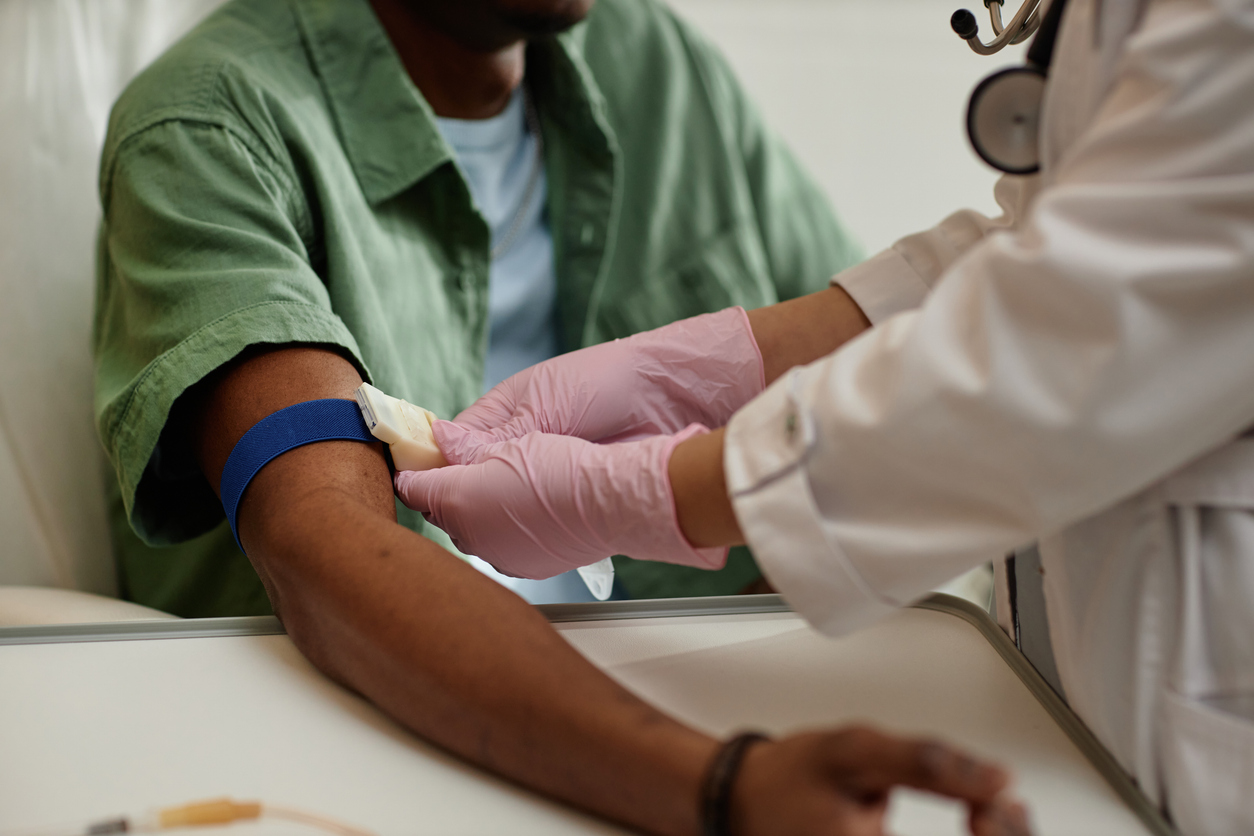
One reason autoimmune diseases can be so difficult to diagnose is that symptoms often appear gradually. Fatigue, joint pain, brain fog, digestive issues, and skin changes can develop months or even years before a clear diagnosis emerges. During that time, the immune system may already be changing in measurable ways.
Researchers are increasingly studying biomarkers—biological signals that could help identify autoimmune diseases early, monitor disease activity, and potentially improve treatment decisions. Here, we'll take a look at what biomarkers are, and why researchers are working to learn more.
What is a biomarker?
A biomarker is a measurable sign of what's happening inside the body. Blood pressure is a biomarker for cardiovascular health. Blood glucose is a biomarker used in diabetes care.
In autoimmune disease, biomarkers can create antibodies, inflammatory proteins, genetic patterns, or other measurable changes that reflect immune system activity. Some biomarkers are already used in clinical practice. Certain autoantibodies, for example, can help support the diagnosis of conditions such as rheumatoid arthritis or lupus. Others are still being investigated in research settings.
Why researchers are looking for better biomarkers
Autoimmune diseases affect millions of people, yet diagnosis is often delayed. Part of the challenge is that many autoimmune conditions share similar symptoms. Fatigue, pain, and inflammation can occur in dozens of different disorders. Symptoms also tend to fluctuate, which can make it harder to capture what's happening during a routine medical appointment.
Researchers hope that better biomarkers could help identify disease earlier, before significant tissue damage occurs. Earlier detection may allow treatment to begin sooner and could help reduce long-term complications. Biomarkers may also help physicians determine whether a disease is becoming more active, responding to treatment, or entering remission.
The search for earlier warning signs
One of the most promising areas of research involves identifying changes that appear before symptoms become severe. In some autoimmune diseases, autoantibodies can be detected years before diagnosis. These antibodies mistakenly target the body's own tissues and may offer clues about future disease risk.
Researchers are also studying inflammatory molecules called cytokines. These chemical messengers help coordinate immune responses and may provide insight into how active a disease process is at any given time.
Advances in genetic and molecular testing have opened additional possibilities. Scientists can now examine patterns of gene activity, proteins, and metabolites in greater detail than ever before. Rather than relying on a single marker, future diagnostic approaches may use combinations of biomarkers to create a more complete picture of disease activity.
Why no single biomarker tells the whole story
Despite the progress being made, autoimmune diseases remain highly complex. Two people with the same diagnosis can experience very different symptoms, disease courses, and treatment responses. A biomarker that is useful in one patient may be less informative in another.
This is one reason researchers increasingly focus on biomarker panels rather than individual tests. Looking at multiple biological signals at once may provide a more accurate view of what's happening within the immune system.
Researchers have made significant progress in understanding the connection between biomarkers and autoimmune disease, but the field is still evolving. Autoantibodies, inflammatory proteins, genetic signatures, and other biological markers are helping scientists better understand how autoimmune diseases develop and progress.
How Evidation can help you understand your health
As research continues, biomarkers may improve early detection rates and support a more personalized approach to care. In the meantime, tracking symptoms and health patterns remains an important part of managing autoimmune conditions.
When you download the Evidation app, you'll be prompted to share the health data you're already tracking. Evidation uses the information you choose to share to find patterns and offer personalized, content-based insights with information you can use to drive your health forward. Click here to learn more and get started with Evidation today.

What is a healthy resting heart rate?
In most people, heart rate indicates how physically fit they are, based on how the muscle is functioning. Regular cardiovascular fitness, like running, walking, cycling, and swimming, can help lower your resting heart rate.
Heart rate is the number of times your heart beats per minute.
It’s one simple number that can tell you so much about how your heart is functioning and if you need to make any changes to your lifestyle or daily habits to improve it.
In most people, heart rate indicates how physically fit they are, based on how the muscle is functioning. Regular cardiovascular fitness, like running, walking, cycling, and swimming, can help lower your resting heart rate.
In this article, we’ll discuss the importance of tracking your heart rate, how to measure your heart rate and the various factors that can influence heart rate. In turn, you may discover small lifestyle changes you can make to improve your heart health.
Importance of tracking heart rate
As a general rule, a lower resting heart rate typically indicates a healthier or more physically active person. A normal resting heart rate varies by age and how healthy a person is. Some health conditions can impact resting heart rate, including anemia, thyroid problems, asthma, cardiomyopathy, and others.
The information provided in this post is for generally healthy individuals. Anyone with any type of heart condition should consult their healthcare provider before following recommendations or health advice about their heart.
If your healthcare provider recommends taking steps to lower your heart rate, there are many benefits to doing so. As your heart rate lowers, your heart will be able to more efficiently pump blood with each contraction and maintain a regular heartbeat throughout the day. This helps improve your overall heart health and many functions throughout your body, including quality of life and potentially increasing your lifespan.
Tracking your heart rate is simple, non-invasive, and takes less than a minute to perform. You can track your heart rate sitting at your desk at work, from the couch at home, or anywhere else where you’re calm, relaxed, and not overexerting yourself.
Consistently tracking your heart rate gives you beneficial insights into how your body’s most important muscle is operating and if it’s working harder than it should be.
By knowing your heart rate, you can understand the steps you need to take in order to lower it through exercise, diet, and lifestyle changes.
Say your doctor recommends performing more cardio workouts to lower your heart rate. By regularly measuring your resting heart rate, you have a baseline to start with. After adding more cardio to your fitness routine, you can accurately evaluate how the exercise is lowering and improving your heart rate over time.
Tracking your heart rate can also help your doctor to detect any potential health risks or conditions that may be occurring in real-time, rather than playing catch up later on once they’re worse.
One simple measurement can tell you so much about your physical and emotional health. It all starts with knowing your resting heart rate and working with a medical professional to decide if lowering your heart rate is a beneficial decision for your health. From finding physical activities that work for your lifestyle to making simple diet changes, lowering your resting heart rate can have many positive impacts on your life.
Normal resting heart rates by age
In healthy adults (over 18 years old), a healthy resting heart rate is anywhere between 60 and 100 beats per minute (bpm).
Children typically have a much higher heart rate than adults because their hearts are much smaller and have to beat faster.
Toddlers between ages 3 and 4 typically have a heart rate between 80 and 120 bpm, while newborn babies have a heart rate between 70 and 190 bpm.
How to calculate your heart rate
Measuring your heart rate can be done simply by checking your pulse.
Getting a consistent resting heart rate is best done when you are - you guessed it - resting.
This means you should not calculate your resting heart rate immediately after you’ve eaten a meal, gone for a run, or done some other physical activity. There are occasions when individuals test their heart rate during exercise as well, but that won’t provide an accurate resting heart rate. Allow your body to calm down and regulate before measuring your resting heart rate to get an accurate reading.
Rest your index and third fingers on the side of your neck on your windpipe. To check your pulse on your wrist, place two fingers on the radial artery, which can be found on the thumb side of your wrist.
%2520(1).png)
Whether checking on your neck or your wrist, wait a few seconds to find your pulse. Then, count the number of beats you feel in 15 seconds. Once you have that number, multiply it by 4 to discover your BPM (beats per minute). Feel free to check it multiple times to ensure you’re getting the correct reading.
There are many devices today that calculate heart rate for you at any given time. These include heart rate monitors, smartphones, smartwatches, and other wearables.
It’s a good idea to keep a consistent eye on your heart rate so you can detect early on if something seems awry. Knowing your normal resting heart rate will provide you with a baseline should your heart rate increase over time. This will make it easier to narrow down what may be going on in your body and find a solution.
Factors that impact heart rate
Many factors can impact heart rate in both negative and positive ways. These include pre-existing health conditions, your diet and lifestyle, the amount of exercise you get, and many other influences. Let’s discuss them here.
Activity levels
Individuals who prioritize physical and aerobic exercise generally have lower heart rates than those who do not. The heart is a muscle that needs to be exercised regularly to grow stronger.
Getting consistent exercise, whether it’s a stroll around the neighborhood, swimming, cycling, or running, can help train and strengthen the heart. As you improve your exercise levels, the heart will be in better shape to pump blood and oxygen throughout the body, effectively lowering your heart rate.
Blood pressure
Having a higher heart rate is often associated with high blood pressure. Individuals with high blood pressure have a much higher risk of developing heart disease at some point in their lives. By 2035, more than 130 million American adults are projected to have some form of cardiovascular disease; blood pressure and hypertension are two of the most significant risk factors associated with CVD.
Stress
Physical and emotional stress takes a toll on the body in many ways, and heart rate is one of them. Stress and other emotions, including anxiety, depression, and fear, can elevate the heart rate to a potentially dangerous rate.
If an individual experiences chronic stress, where the stress hormone levels never fully regulate, that person can be at a higher risk of a heart attack.
Smoking
Tobacco smoke contains carbon monoxide, which reduces the oxygen in the blood and the heart. The heart needs oxygen to function, so the heart rate speeds up to produce more oxygen.
Smoking also tightens the major arteries in the heart and can cause an irregular heartbeat, forcing the heart to work harder and the heart rate to rise.
Diet
When it comes to diet, foods that are high in fat and carbohydrates can be difficult on the heart.
Eating heavy meals on a regular basis can impact a person’s cholesterol levels, along with heart rate, blood pressure, and risk of a heart attack. The body works hard to break down the food we eat so it can pass through the digestive system. The amount of blood needed for digestion impacts your heart rate after every meal.
To avoid overeating, try drinking a glass of water before every meal. Fill your plate with fresh produce, clean protein, and limit sodium as much as you can. Make small changes over time to get better results in the long term.
Caffeine Intake
That morning cup of coffee is a safe, healthy choice for most people, but if you are consuming caffeine in large amounts during the day, your heart rate may be impacted.
Caffeine stimulates the cells in the heart and makes it beat faster, speeding up blood flow and heart rate. If your caffeine consumption is impacting your heart rate, try to limit your intake to two cups of brewed coffee per day.
Dehydration
When your body is dehydrated, the heart reacts and tries to regulate body temperature by beating faster. Dehydration means less blood can circulate through the body, so the heart works overtime to try and catch up.
Proper hydration promotes efficient blood flow and helps all the body’s muscles work effectively, requiring less heavy lifting by the heart.
How can I lower my heart rate?
Tracking your heart rate is an effective way to improve cardiovascular health, alongside a healthy diet, regular exercise, and developing healthy habits that will improve your overall quality of life.
Whether any of these factors are relevant to your daily life or not, it’s a good idea to take a step back and reflect on the lifestyle and daily habits you’ve developed throughout your life. Think about how they may affect your heart rate if it’s inexplicably high and what you can do to lower it.
If you’re feeling overwhelmed about the steps necessary to lower your heart rate, take small steps at first.
The following information is designed to help healthy individuals make small adjustments in their lives to improve their heart rate and overall health. If you have symptoms or other concerns, please consult a healthcare professional before implementing any of these changes.
Start by increasing the amount of exercise you’re getting each week. Add two or three walks to your weekly schedule, whether in the morning before work or in the evening with a partner or your dog. Adding a few cardio exercises per week can greatly impact resting heart rate; it’s not a change you’ll see right away, but with time and commitment, you’ll notice the number dropping.
If you have a lot of stress in your life, take steps to reduce it in manageable ways. Many people swear by meditation, yoga, and other relaxation techniques like focused breathing, journaling, and mindful thinking.
Weight loss is one of the most effective ways to lower your resting heart rate. The larger the body is, the harder the heart has to work to pump blood and circulate oxygen. Consult with your doctor before beginning a weight loss plan, and set attainable goals that don’t feel overwhelming.
Other small steps you can take to lower your heart rate include getting adequate sleep, reducing caffeine intake and alcohol consumption, and quitting smoking.
Keep track of your health
Heart health is absolutely critical to living a long, happy life. An efficient cardiovascular system can help improve general health and make daily activities more enjoyable for people from all walks of life.
Monitoring your heart rate may seem like a small action to take when it comes to the big picture, but it’s a great way to keep an eye on your cardiovascular health with minimal effort required.
Consistently measuring your heart rate can prevent bigger health problems down the road by staying proactive and knowing your numbers.
Are you looking for a way to keep track of your health and monitor daily metrics and important data points? With the Evidation app, you can get paid to take healthy actions on a daily basis and keep track of your health. Download the app today.

May is Celiac Awareness Month
May is Celiac Awareness Month - Did you know that celiac disease is one of the most common genetic disorders? Check out these facts and resources to learn more!
Did you know that 1 in 133 Americans has celiac disease?
That’s roughly 1% of the population. And while that may not sound like much, it makes celiac disease one of the most common genetic diseases.
If we look beyond the US, that number increases even more. 1 in 100 people have celiac disease worldwide. And in recent years, those numbers are increasing rapidly.
According to beyondceliac.org,
“The rate of new diagnosis of celiac disease has increased 7.5 percent every year for the past few decades throughout the industrialized Western world, a new study by Lebwohl and colleagues from Canada, China and Sweden found.”
And because we’re always working to understand how well our community of Evidation Members represents the population as a whole, we wanted to know how many of them are currently living with this rapidly growing autoimmune disease.
We asked Evidation Members if they’d been diagnosed with celiac disease.
What did we discover?
Over 21,000 members responded to the question. And over 14 percent of those who responded answered yes.
That means, out of the 3 million Americans living with celiac disease, 3,000 of them are Evidation Members!
Of course that isn’t an accurate reflection of the population as a whole, but it is interesting to see the numbers and how our members align with the larger community.
What is celiac disease?
According to the National Institute of Diabetes and Digestive and Kidney Diseases (NIH),
“Celiac disease is a chronic digestive and immune disorder that damages the small intestine.”
It is a chronic, genetic, autoimmune disease that often leads to other diseases, and — if left untreated — results in increased hospitalizations and, in some cases, death.
Basically, in a person with celiac disease, the body sees gluten (a protein found in many common foods) as a threat. The immune system attacks the protein, and the small intestine is damaged in the process.
Over time, this leads to damage of other organs as well and numerous other serious health conditions.
This infographic from beyondceliac.org does a great job summarizing the condition.
.png)
When is celiac awareness month?
The entire month of May is Celiac Awareness Month. This is a time when people who have celiac and their friends and family get together to raise awareness about the disease.
Those who participate in the awareness month also work to raise money for more celiac research. The goal is twofold. First, advocates want to end the stigma and misinformation about it. Second, they’re working hard to help fund and find a cure.
Remember, knowing the current celiac definition is just the start. You also need to make sure people understand the disease’s impact and how to support those who have it within the local community.
What it’s like to live with celiac disease
For many, living with celiac requires nothing more than a change in diet. Technically.
But it’s not that simple in reality.
Today, it’s easier than ever to find gluten-free options, but it still means a total change in lifestyle. It means limited choices, embarrassment, and often isolation.
In fact, the social and psychological impacts of managing celiac disease are staggering. Often people with celiac choose to risk exposure rather than take on the burden of avoiding gluten. This leads to illness, hospitalization, increased medical expenses, and death.
Eating out is especially difficult. More often than not, individuals living with celiac disease have very limited options when dining out.
Like those with food allergies, even tiny traces of gluten can be enough to cause serious damage, so many restaurants are unable or unwilling to accommodate someone with celiac disease at all.
Those who can often have limited options, maybe a salad with no croutons or a burger with no bun. The risk of cross contamination is high though due to shared prep areas and cooking spaces.
Often individuals with celiac disease steer clear of social eating situations in order to avoid the weight of being a “burden.”
According to The Celiac Disease Foundation,
“The treatment burden of celiac disease is comparable to end-stage renal disease, and the partner burden is comparable to caring for a patient with cancer.”
Luckily, there are resources and advocates. More and more gluten-free options are available every day it seems. And, with education and acceptance, we can start to relieve some of the strain that comes with managing and living with this chronic condition.
.png)
Symptoms of celiac disease
One of the challenges doctors face when diagnosing celiac disease is the large list of symptoms. University Health News says there are 281 known symptoms of the condition. Due to this wide range of symptoms, 83% of people with celiac get misdiagnosed or remain undiagnosed.
While symptoms of the digestive system are common, the condition can affect nearly every bodily system. Here are some common symptoms.
Digestive symptoms
Problems with the digestive system are common for those with celiac. Celiac disease causes an immune system response that attacks the small intestine. Specifically, the disorder attacks the villi, which are small, finger-like projections that line the small intestines and absorb nutrients from the food. When someone with celiac disease eats gluten, the villi shrink and become blunted.
The damage to the villi can cause problems such as:
- Diarrhea
- Constipation
- Nausea
- Bloating and gas
- Vomiting, sometimes severe
- Delayed emptying of the stomach
- Stomach cramping
If left untreated, celiac disease increases a person’s risk of developing more serious problems with the digestive system, including ulcers and stomach cancer.
Neurological and emotional symptoms
For some people, celiac affects the nervous system, not the digestive system. This often causes headaches, including severe migraines. It can also cause:
- Brain fog
- Numbness and neuropathy
- Nerve pain
- ADHD symptoms
- Dementia
- Motor tics
- Autism-like symptoms
- Depression
- Irritability
- Anxiety
- Fatigue
In addition, some people will develop a serious condition known as ataxia. Ataxia occurs when the immune system attacks the nervous system after eating gluten. This can lead to slurred speech, coordination problems, gait problems, and trouble controlling the eyes or limbs.
Bone and muscle problems
Celiac disease can cause problems with thinning bones. People may deal with joint or muscle pain with no clear cause. Discoloration of the teeth, especially if someone develops celiac before their adult teeth emerge, can occur. Others may notice problems with tooth enamel.
Growth and development concerns
Some parents notice the first symptoms of celiac when their child fails to grow as expected. Failure to thrive, an otherwise unexplained lack of development and growth, is common. Children may have developmental delays, not meeting expected milestones on time or experiencing delayed puberty.
Historically, doctors watched for children to be losing weight before considering celiac. However, new research has found that nearly 75% of children with the condition are actually overweight, so weight loss or low body weight isn’t the only condition to look for.
Nutrient deficits
The damaged villi caused by celiac disease make it difficult for people to absorb nutrients from their food. This can lead to nutrient deficits, including anemia and vitamin D deficiency. Malnutrition due to celiac can cause a number of other health concerns.
Skin conditions
Celiac disease can also affect the skin. Some people develop small, non-itchy bumps called follicular hyperkeratosis. Sores in the mouth are also common. An extremely itchy rash known as dermatitis herpetiformis is another rare but highly problematic symptom.
Other common symptoms
Some additional symptoms of celiac disease include:
- Infertility
- Liver disease
- Spleen disorders
- Loss of appetite
- Seizures
Sometimes, celiac disease causes no symptoms at all. This phenomenon is sometimes called silent celiac. However, if the patient has the disease, the damage to the intestines is still occurring, even if they have no clear external symptoms.
Treatments for celiac disease
The only current treatment for celiac disease is following a strict gluten-free diet. Sometimes, the symptoms and secondary conditions, such as anemia, need additional treatment, but treating the celiac requires a lifetime of gluten-free living.
Avoiding gluten means avoiding wheat, barley, rye, and most oats. Sometimes, wheat is hidden in other ingredient names, such as:
- Spelt
- Triticale
- Durum
- Couscous
- Semolina
- Modified food starch
Working with a nutritionist who has celiac knowledge can help people with celiac find healthy substitutes for their favorite foods while ensuring that they’re eating a balanced diet in spite of the strict nature of the treatment.
While a lifetime of gluten-free living is challenging, today’s food companies have added many gluten-free products to their lineups. Even major snack food brands, like Oreo, are dipping into the gluten-free market. Eating gluten-free isn’t always easy, but it’s easier now than it was even a decade ago.
Once someone with celiac starts eating gluten-free, the intestines usually start to heal. Once the villi grow back, many of the symptoms will dissipate. However, this isn’t a cure. If the person accidentally eats some gluten, they’ll usually experience symptoms for a few days or weeks afterward.
Raising awareness for celiac disease in May
.png)
May is Celiac Awareness Month, and with it comes the opportunity to raise awareness of this common condition.
Whether you’re diagnosed with celiac or someone you know is affected, helping people around you understand celiac is a key factor in accepting the disease and learning to live with it. Here are some ways you can raise awareness during this important month.
- Post educational content to social media – If you’re on social media, find memes from the Celiac Disease Foundation or Beyond Celiac websites, and post them to your social media pages.
- Spread video content – Go on YouTube or another video streaming platform, and find videos from people who have celiac. Share these videos to show what living with the condition is like.
- Reach out to government officials – The celiac disease community is constantly advocating for clearer labeling of gluten-containing ingredients on food packaging. Use May as a chance to send a letter to your government leaders to advocate for this concern.
- Leave brochures about celiac at school or work – Help people learn the facts about celiac by leaving reading material at your school or workplace, if allowed.
- Change your profile picture – Add a green ribbon to your social media profile pages to advocate for celiac disease awareness.
- Wear green – Green is the official color of celiac disease awareness. Find a t-shirt or bracelet you can wear multiple times in the month to advocate for more education and awareness of the disease and its treatment.
- Make a gluten-free treat – Bring a gluten-free treat to work or school. Let people taste how good gluten-free food can be.
- Get tested - If you're dealing with any of the symptoms above, talk to your doctor about getting tested for celiac disease.
- Run for celiac - During Celiac Awareness Month, you'll find virtual and in-person races to raise funds and money for celiac disease and its research. Consider taking part in one. You'll get more steps in your day while advocating for celiac disease treatments.
The more people who participate in Celiac Awareness Month, the more people will find themselves accepting those with celiac disease. The more people accept celiac, the greater number of options people will find for food and support within the community.
Start reaching your health goals today with Evidation
Celiac Awareness Month is a great time to explore additional ways you can support your overall health. Evidation makes tracking your health simple and rewarding. Whether you’re working to avoid gluten due to a new diagnosis or simply want to track your health or daily step count to reach your full potential, our app can help. Simply track your eating and exercise, by synching your favorite tracking app to Evidation, and start earning money for making better choices.
Reach your health goals with help from Evidation. Download the app today.

Do you Really Need a Wearable Device?
You may be wondering about the benefits of wearable devices like smart watches and fitness trackers. Especially if you aren’t interested in tracking exercise or fitness routines.
Wearable devices are all the rage right now, but what are wearable devices, exactly?
It seems we can do everything from our phones these days, so why the buzz around wearables? Do they really offer something our phones don’t? Do you need one to move forward with your fitness journey?
You may be wondering about the benefits of wearable devices like smart watches and fitness trackers. Especially if you aren’t interested in tracking exercise or fitness routines.
Of course, if you are interested in tracking your fitness journey or exercise milestones, having a wearable can have a HUGE impact on your success.
But the benefits don’t end there.
Newer wearable devices offer a range of benefits including health benefits, like monitoring your heart rate, and conveniences, like contactless payment options!
Health benefits of wearable devices
Wearable technology for healthcare
This is great for anyone who wants to keep tabs on their health, but it’s especially helpful for individuals with certain medical conditions.
Devices with built in heart, oxygen, and respiration (breath) monitors make it easy for anyone with a heart or lung condition to keep track of how they’re doing from day to day (or minute to minute!). Some devices have the ability to let you know when you’re likely nearing a health event, allowing you to have advance warning of an issue.
They can also help keep track of your weight, blood sugar, sleeping patterns, physical activity, and more. This can help you learn more about whether you’re moving in the direction you’d like to go when it comes to your health and fitness. If you have specific concerns for your health (like if you’re pre-diabetic, for example), it’s a good idea to talk with your physician about what type of wearable device is the best fit to support your ongoing health needs.
This type of continuous monitoring can give you and your medical provider a much bigger picture than what is visible in the clinic. Sharing the health information gathered by your wearable device with your healthcare provider can go a long way in helping them see what’s happening with your body when you’re not at the doctor’s office.
Fitness support
No matter what your health and fitness goals, having continuous monitoring of your health can allow you to move toward them. If you’re working to train for an event, you’ll find that the data provided by your wearable device (such as notifications of heart rate spikes and information on how well you recover post-workout) can be helpful in allowing you to fine-tune your training plan to meet your needs. If you’re working to gain or lose weight, you’ll find that the information on your fitness tracker can work to give you the information you need about how effective your workouts are, helping you adjust your caloric intake accordingly.
Many wearable devices provide motivational information that can help you push yourself to the next level in your workouts. Whether you’re trying to build your speed, stamina, or simply want to get into the habit of getting your body moving a few times each week, you can set goals within your wearable device and keep tabs on whether you’re moving forward.
If you’re using a wearable device to meet a fitness goal, it’s important that you work carefully to find out which device is the best fit for your needs. Some devices are great at reminding you to get moving, while others are better for letting you know how you’re recovering while you sleep. Be sure to keep an eye on the warranty policy when you’re choosing a wearable device–you may want to do a week-long trial run before deciding if the device you chose is the right fit for your needs.
Alerts / Predictions
While most (if not all) of these devices can send you alerts based on your activity, sleep, etc., and some of them can even alert you to a possible health threat, like if your heart rate is irregular or out of its normal rhythm.
Some can even predict potential illnesses (like the flu) and notify you so you can seek medical care. Over time, you’ll likely notice patterns when you’re getting sick. You may notice that your heart rate is consistently higher, or that you’re getting less sleep than usual. Knowing when a cold or flu is coming on can give you the notice that you need to get extra rest, stay super-hydrated, and maybe even take a day or two off from working out so that you can provide your immune system with a boost.
Engagement
Being connected keeps us engaged, and what better to engage with these days than our health and wellbeing?
When you wear a smart fitness device, you’re able to get constant feedback on what your body is doing, which can often motivate us to keep striving to improve our health. Knowing that your hard work isn’t going unnoticed–even if it’s only being noticed by your device–can help to remind you that your hard work isn’t for naught. When you see the differences in your health created directly by your efforts over time, it’s easy to stick to your nutrition and workout plans even when things begin to feel a little stale.
Having the ability to monitor our actions and what effects they have on us physically allows us to engage in our own health management in ways never before possible.
Wearable devices such as smartwatches and fitness trackers give us instant access to information we can use to make day to day decisions about our health and lifestyle.
Other benefits of wearable devices
No-contact payments!
This is a big one these days. More and more people are moving to contactless payment options to minimize exposure. In an increasingly digital world, many people don’t carry cash, and it can be smart to have multiple payment options available when you’re out and about. When you choose a wearable device that’s able to make contactless payments, you have an even easier way to shop and make transactions.
Even no-contact credit and debit cards still require you to dig into your wallet or pocket. When you choose a wearable device that offers no-contact payment, it’s simple to make a transaction.
Some wearables cut the hassle of needing to carry credit and debit cards with a truly contactless payment option. That being said, we still recommend keeping at least some cash on hand (even if it’s in the car) in the event that your device struggles to connect to its network or has a low battery.
Emergency calls/SOS messages
Of course, no one ever thinks they’re going to experience an emergency, but it’s important to be prepared for the unexpected.
Being able to send an emergency message without your phone is a potential life saver. Often when we need help the most, our phones are not within reach or would take too long to access.
With access to emergency assistance right from our wrists, the time it takes to get help can be drastically reduced. If you choose to wear a wireless device, be sure to understand how to use it to call for help in an emergency. You may also be able to set up emergency contacts so that you’re able to reach out without typing in a physical number or looking up someone’s contact information.
Many of today’s wearable devices are also equipped with fall detection and can send messages for you if you are unable to respond. And even wearables without phone access can often connect to an emergency notification app.
After you purchase a wearable, be sure to take your time and understand its emergency contact capabilities. Typically, you’ll even be able to practice how to use your wearable in an emergency situation with the option to turn off the emergency call before it actually dials an emergency dispatch service.
Safer driving
Many of today’s wearables can send and receive hands-free calls and messages. They can also access maps and provide voice-guided or vibration-guided navigation. Features like these can help eliminate or reduce distractions while driving.
You’ll find that many wearable devices that are able to track fitness also have a voice recognition feature. This means that while you can talk to your device during a workout, you can also talk to it while you’re driving. This can make it easier to control the music in your car, hear the latest episode of your favorite podcast, and receive notifications.
Types of wearable devices
When it comes to choosing the right type of fitness device to track your movements and help you get the most out of your workouts, you’ve got options. If you’ve decided that moving forward with a wearable device is a good fit for your fitness needs, keep reading–we’ve got everything you need to know to choose the type of wearable fitness device that’s the best fit for you.
Smart jewelry
Yep, you read that correctly–rings and pins can do the same job as more noticeable wearable fitness trackers. Typically, these devices connect to smartphones and allow you to track your movement and your heart rate throughout your day. Some fitness enthusiasts find that using these types of trackers can make it easier to get workouts in, as they’re a constant reminder that you’re trying to keep moving throughout the day. If you’re interested in finding wearable jewelry that goes with more than one style of clothing, you may want to look for a device that offers a single tracking piece that can fit into several jewelry styles offered by the company.
Fitness trackers
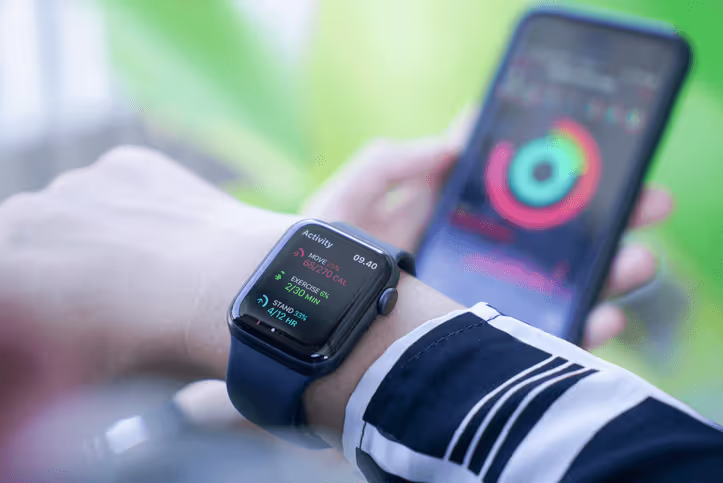
You’ve likely heard of a few different fitness tracker options, such as the Apple Watch and the Fitbit. These are typically worn on the wrist and offer constant insight into your health and movement throughout the day. Some of these devices offer social features that allow you to connect with friends who have similar devices, which some people find motivating due to the competitive aspect of working out with others.
Much like smart jewelry, many fitness trackers offer bands that you can change out so that you’re able to make your tracker match your outfit. Choosing a few different bands can help you stay motivated to wear your fitness tracker every day, even if you’re going to be stuck in the office.
Smart clothing
Some types of clothing can work with you to provide information on how your body is functioning during your workout. This type of built-in tech can interact with your phone or apps that can help support your fitness journey.
Apps and wearables to pair with the Evidation app
Evidation is about supporting and rewarding you on your health journey. If you’re already using the app, you know how easy we make it to get paid for the work you’re already doing to keep yourself healthy. If you’re not using Evidation yet, we’re excited to meet you–and we can’t wait to hear what you think about our unique platform.
To make that easy and convenient we pair with other apps/trackers so that you can use whatever devices you prefer!
We’re working hard to grow this list of apps and devices. If there’s one you’d like to see let us know.
You can email us at help@evidation.com
Or reach out on social media!
Below is a list of current apps and wearables that Evidation pairs with (as of April 2023). For an up-to-date list, click here.
Best wearable fitness trackers:
- Apple Watch
- Fitbit
- Garmin
- Oura Ring
- Withings
Apps
- Apple Health
- Dexcom
- Fitbit
- Garmin
- Google Fit
- MapMyFitness
- MapMyHike
- MapMyRide
- MapMyRun
- MapMyWalk
- MyFitnessPal
- Oura
- Qardio
- RunDouble
- RunKeeper
- Samsung Health
- Strava
Ready to take your fitness journey to the next level? We’re here to help!
At Evidation, we’re proud to reward our members for the things they’re already doing–like working on their health. Download our Evidation app today to learn how you can earn cash for getting–and staying–fit.
.avif)
Introducing the new Evidation app experience
The next time you open the Evidation app, you’ll probably notice some significant changes. We've redesigned the app experience, with the help of Evidation Members like you!
We've redesigned the app experience, with the help of Evidation Members like you!
The new Evidation is more focused, intuitive, and appealing—and makes way for new features we have in the works to make your experience more rewarding and easier to discover health insights and opportunities to participate in research.
We're excited to share these improvements and a little bit about how we incorporated member input along the way.
First, what’s improved?

Cards
- Offers are now cards: There's a lot more to Evidation than offers—and to be honest, ‘cards’ just makes a lot more sense.
- Scroll vertically to view your available cards—like you do with, well...most apps! Plus, see the number of available cards on your home screen before you get started.
- Card information is easier to view, from estimated time to complete to number of points awarded.
Points
- Your total points count is more prominently displayed at the top of the home screen and now includes your weekly points total.
- Learn more about how you earned your points in our new Points History screen.
Look & Feel
- Enjoy a new, modern look & feel.
- With accessible colors, fonts, and beautiful new illustrations, the app is easier on your eyes than ever before.
Now that you’ve gotten an overview of what’s new, let’s take a deeper dive into how and why we made these changes…
From offers to cards
In the past, we shared things in the app called ‘offers’. They might have asked you to complete a survey or read an article for points.
Evidation Members let us know that this term was confusing, so with the app redesign, we’ve also taken the opportunity to update the term from ‘offers’ to ‘cards’. Heads up that while we update to ‘card’, you may still see ‘offer’ used here and there.
Moving forward, cards will still allow you to do everything you currently can in Evidation.

However, our new cards come with improvements. The new design is easier to read, easier to use, and makes it much easier to find the card you’re looking for.
For example, in the past, cards appeared in a ‘carousel’ which had you scroll from side to side. Now, you can view your cards by more naturally scrolling up and down.
Explore your points history in a whole new way
We’ve heard from members that it’s exciting to see your points add up and explore how you earned points.
Previously this was included on the home screen, but there wasn’t enough space to allow members to fully explore their points, so we’ve created a screen dedicated to your Points History.
%2520(1).png)
In the Points History screen, you can now see the points you earned within any day, week, or month. You’ll also see what percentage of points you earned in each activity category from Apple Health, Samsung Health, Fitbit, and more.
Access your Points History by tapping the “How did I earn my points?” button below your total points on the home screen.
A new, focused and accessible look & feel
In addition to all this, we’re updating the design of our home screen. With improved font sizes, color contrast, and fun new illustrations, this new look & feel makes the app easier to use and more appealing.
Check it out and let us know what you think!
We’re proud of the updated app experience and think it’s a big leap forward for our members. However, we’re always looking for ways to improve, so we’d love to hear from you. Email help@evidation.com to share your questions and comments!
If you're not seeing the new homescreen when you log into the app, be sure you're running the latest app version. Check your App or Play store for updates.
What’s next?
Looking ahead, we’re working on adding new features and continuing to update the app experience to help members like you stay motivated to:
- Meet your health goals
- Contribute to health research
- Earn points and rewards along the way
- Track and understand health conditions you many have
Don’t have the Evidation app yet? Tap below to download!

Using your daily data to find patterns and improve your health
Monitoring your daily data is a great way to become more aware of your health and well-being and can help you identify small changes you can make to improve your mood, sleep quality, and overall health.
Evidation helps you make sense of your data
In December of 2022, we launched 2 daily check-in questions about your mood and sleep. Since then, we've had over 18 million responses!
.png)
For those with health or fitness tracking apps connected to Evidation, we combine your responses to those daily questions with data from your connected apps, like your activity, sleep, and heart rate data and look for trends. Then, we share what we learn back with you.
How do we determine if there’s a relationship between different types of health data?
To see if there’s a relationship between the different types of health data you log on Evidation, we look for correlations.
How do we do that?
Correlation measures the strength of a connection between two things. If a correlation exists, it can either be positive or negative.
- A positive correlation means that two variables tend to rise and fall at the same time. For example, height and weight in growing children. When children get taller, their weight also tends to increase.
- A negative correlation means that two variables tend to rise and fall at opposite times. For example, weather temperature and coat sales. When weather temperatures increase, coat sales tend to decrease.
Why is correlation useful?
Correlation refers to the statistical relationship between two entities. In other words, it's how two variables move in relation to one another. Correlations are important because knowing the correlation, or relationship, between two variables (such as sleep and activity) can help you make decisions that could positively impact your health.
It’s important to highlight that just because there’s a relationship between two variables, doesn’t necessarily mean that one causes the other. The correlation could've been coincidental, or another factor we’re not considering could be affecting both things.
Although you can't always determine what causes something, understanding correlations is still useful because it points out possible connections and allows you to identify areas where small changes could impact your mental or physical health.
These small changes could include adding in an extra workout or lengthening your bedtime routine. You can try incorporating changes that make sense to you to see if your mood or sleep improve. If they do, you’ll know it’s working for you. And, if they don’t, you can try something new.
Example 1: Mood and Step Count
.png)
For example, let's say an Evidation Member logs into her app and sees this offer card. She notices that on the days she logs more steps, she’s in a better mood. She thinks about why that might be and realizes that she takes more steps on days when she goes for a morning walk before work. This helps her recognize that walking, as well as being outside, might be having a positive impact on her mood and causes her to prioritize her morning walks moving forward.
Example 2: Sleep Quality and Minutes in Deep Sleep

As another example, say an Evidation Member logs into his app and sees this offer card showing his sleep quality and minutes in deep sleep. He’s intrigued and does some research on deep sleep. He finds out that deep sleep is the phase of sleep that helps people feel rested when they wake up. He looks up ways to increase his time in deep sleep and starts to adopt habits like exercising earlier in the day and putting away his phone a few hours before sleeping. He continues to monitor his sleep quality through the Daily Check-In in the Evidation app and notices that he’s starting to log more good and very good sleep quality days! He’s glad he took the time to invest in his sleep and overall health.
Conclusion
Ultimately, monitoring your daily data is a great way to become more aware of your health and well-being. It’s a great tool to help you identify small changes you can make to improve your mood, sleep quality, and overall health.

What is Evidation?
Evidation is a free health app available on Android and Apple devices. It lets you earn money for engaging in health-promoting activities and choosing to participate in research to help others meet theirs.
Many of us want to feel engaged in our health and motivated to meet our goals. Knowledge is power. And we can use it to make positive changes and feel our healthiest.
If that sounds like you, chances are you're part of the 1 in 5 adults in the U.S. who regularly track their health information using apps or wearables.
But it's tough to stay committed when it can take months, or years, to see results. That’s why some are asking: what is Evidation and how can it help me meet my health goals?
The Evidation app is helping millions of people from all over reach their health goals by rewarding them for tracking their health and making healthy choices.
What is Evidation?
Evidation is a free health app available on Android and Apple devices. It lets you earn money for engaging in health-promoting activities and choosing to participate in research.
Positive reinforcement for healthy choices
Many of us already take health surveys, track our exercise, log what we eat, read health articles, or use a fitness tracker. If you do, too, then you could be earning Paypal funds and gift cards for activities you may already do.
Your current fitness tracker may reward you with badges and encouraging messages. That's nice.
But in addition to these intangible rewards, you could earn a little passive income—even while you sleep.
Staying more accountable to yourself
Evidation can motivate you not only to take health-promoting steps, but it encourages you to turn those activities into healthy lifelong habits.
Simply track to meet and exceed your fitness goals and earn points doing it.
You’ll eliminate the very human impulse to "fib to yourself" about how much you actually exercised this week, etc. The data doesn't lie.
Track healthy activities over time to see how you improve and gain unbiased insights into steps you can take to achieve your health goals. And when you do have a tough week because you’re sick or feeling unmotivated, you can feel supported with suggestions for taking care of yourself.
.png)
Choosing to support healthier communities
Every time you use the Evidation app, you're logging valuable health information that you can choose to share to help others like yourself overcome health challenges and reach their health goals. If or when you choose to take part in research on the app, we compile and aggregate or tokenize the Evidation community's real-world health data so that it can be used to further health research.
Your contribution could help researchers learn how to help people live at their healthiest, whether they're ready to tackle the next marathon or feeling limited by a chronic condition. And if you’re not comfortable with that, there are still many other ways for you to enjoy the Evidation app.
Learn more about how we protect your privacy and data here.
How does it work?
Let's take a closer look at how this works! You get rewarded with points for engaging in health-promoting activities. This positive reinforcement can help you build healthy habits that stick over time. To start, just connect the app to one of many fitness-tracking apps you probably already have. Then tracking your activity is easy. You can earn automatically and turn those points into a payout. Plus, when you answer questions and respond to surveys in the app, we compare your responses to your activity data and share back insights you can use to recognize patterns, understand where you’re at, and take control of your health.
How it works:
- Visit your device’s app store to download the Evidation app.
- Provide some basic information for your profile. This information is important to connect you with opportunities and provide you with curated information.
We do not share your health data without permission. Our Privacy Notice can give you more insight into our privacy principles and how we collect, handle, and protect your personal information and data. You can also learn more by contacting our Privacy Office at privacy@evidation.com.
- Connect the Evidation app to one of dozens of fitness-tracking apps.
- Come back to the app daily to answer health-related questions, track your mood, sleep, and more, and receive personalized health tips and related articles.
- Earn points for your daily activity and for actions you take in the app.
- Cash out through Paypal or gift cards.
Compatible health trackers
When you download the app and sign up, it will automatically identify compatible health fitness apps you already use on that device. All you have to do is choose the one, or more, you want the Evidation app to pull your data from.
You don't even have to have a wearable tracker. You can also log your data in the free health-tracking app of your choice. It then communicates directly with Evidation, so you never miss out on points.
Some compatible wearables include:
- Fitbit
- Apple Watch
- Garmin
- Misfit
- Oura Ring
Some other compatible health-tracking apps where you may already log health and fitness information include:
- MyFitnessPal
- Apple Health
- Strava
- Withings
- Daily Mile
- MyLife
- Qardio
- MapMyFitness
- MapMyHike
- MapMyRide
- MapMyRun
- MapMyWalk
- RunDouble
- RunKeeper
- Samsung Health
- Record
When you sign up, you can choose categories of information you want to share. And if you want to do more and participate in research or a program, we’ll ask you if you want to and whether you’d like to share your data for those purposes before it starts. If we don’t hear from you, we take that as a, “No”. So, you control the data you share—always.
Why is health research so important?
According to NIH.gov, "Health research has high value to society. It can provide important information about disease trends and risk factors, outcomes of treatment or public health interventions, functional abilities, patterns of care, and health care costs and use."
.jpeg)
A lot of health research occurs in labs in a controlled environment. On the one hand, this helps researchers gather consistent and reliable information.
But lab studies are also limiting.
For one, the number or makeup of participants in the study may not represent the population as a whole. At the same time, observer bias can occur.
That's where people act differently because they know they're being watched. They want to meet the expectations of the observer (the researcher). It's a recognized issue that can change (or bias) a study's outcome.
All methods of scientific research have strengths and weaknesses. That's why it's so important to perform different kinds of research in various settings to get the whole picture—and to learn how specific differences can impact outcomes.
By tracking the data of thousands or millions of people in their everyday lives, researchers can see how people act when they're not actively aware they're being observed. That's the gap the Evidation app can help to fill by collecting this real-world data and sharing it with researchers.
And remember: you get to choose when to share your health data.
Additionally, the data collected through the Evidation app looks at a wider swath of the population. So, this data can be more representative of the population as a whole.
This allows our researchers to identify subsets of individuals (anonymously) that require further research. Researchers make connections that can improve doctors' abilities to provide more personalized and effective care for patients.
Every time you choose to participate in health research, you contribute toward valuable societal improvements. You help yourself and others live at your (and their) healthiest. You're also powering the future health innovations that could positively impact people for decades to come.
And we think you deserve to be rewarded for that!
Earn Evidation rewards for making health-promoting choices
You can earn rewards passively by sharing the data your fitness tracker logs automatically with the Evidation app. Earn points just for logging:
- Sleep
- Exercise
- Meditation
- Weight
- Body fat percentage
- What you eat
- And more
If you already have a wearable tracker or smart scale, you may not need to do anything extra to earn your points. Just connect it to the Evidation app and start earning.
However, you can earn points even faster and receive valuable health insights by reading health-related articles, taking surveys, and participating in health research through the app.
10,000 points = $10. And with so many ways to earn, those points can add up fast.
Every health-promoting choice matters
At the end of the day, getting healthier and achieving optimal health both come down to hundreds of little choices you make every day.
It's hard to see the benefits—or negative impacts—of choices in real time. This makes staying motivated more difficult. The Evidation app provides instant feedback because you can see your earned point balance rising.
Make healthy choices a habit
A lot of people want to make healthy decisions for their life and improve their health. A recent survey published by Gov.UK found that 80% of adults had been motivated to get healthier due to the recent pandemic. The global sentiment has been much the same.
But for this motivation to stick, people must form healthy habits. A behavior has to become automatic and that’s easier said than done.
Research shows an activity will "become habitual when it is frequently and consistently performed in the same context."
The Evidation app provides real motivation to stick with the health-promoting activity until it becomes a habit.
For example, instead of allowing you to earn endless points by doing all your health-promoting activities in one day, the app caps you out at a certain number of points for each healthy activity each day. This encourages you to come back tomorrow and do it again. And again.
The repetition and consistency make it a habit.
Are you wondering, "is Evidation legit?" We invite you to see how real people like you are taking charge of their health and contributing to health research with us. We think you’ll love the inspiring stories from our community of Evidation Members.
Benefits of making healthier decisions
Regardless of where you are health-wise, the little choices you make matter. Making healthier decisions consistently can deliver several immediate and lasting benefits:
- Stay accountable with unbiased data
- Use data to optimize athletic performance
- Lower your risk of developing various lifestyle diseases
- Improve management of a chronic condition you live with
- Lessen the impact disease symptoms may have on your life
- Promote physical, emotional, and mental health and wellness
- Reach your health goals
- Make it easier to develop healthy habits for life
So, what is Evidation's role in all of this? We give you rewards for tracking your health and wellness information every day, and we share back with you trends and insights based on your data and how you respond to daily check-ins and surveys. We also share personalized health content and tips. As a result, you have the potential to realize these and other benefits of making healthy decisions.

How meditation for sleep works and its benefits
Quality sleep keeps our minds sharp, our bodies healthy, and our emotions in check. Find out how adding meditation to your routine can help improve your sleep quality.
We've all experienced this scenario: After an exhausting but productive day, all we want is a good night's sleep so we can get up tomorrow and get even more stuff accomplished. But the moment our heads hit the pillow, our minds start racing with thoughts, making it nearly impossible to drift off to sleep.
We've all been there. But there's a simple solution that may help you relax and drift off to sleep. Meditation for sleep is a proven technique you can use to catch those elusive and essential z's.
Let's dive into the science behind meditation for sleep: why (and how) it works, the many benefits of meditation, and what you can do to get started right away. We'll also explore three proven meditation techniques to get you drifting off into a peaceful slumber.
Why quality sleep is essential to our health
Quality sleep is the unsung hero of our well-being. Too often, we get caught up in the ebb and flow of our weeks and overlook the importance of getting a good night's sleep.
The Centers for Disease Control and Prevention (CDC) revealed that only 33% of Americans get enough sleep, and the American Sleep Association reported troubling statistics on the dangers of sleep deprivation:
- Living with a sleep disorder: 50-70 million adults
- Unintentionally experience excessive daytime sleepiness: 37.9% of people surveyed
- Nodding off while driving at least once per month: 4.7% of survey participants
It's not just about getting a certain number of hours of sleep. If you sleep for eight hours but toss and turn all night, you'll experience some of the same issues of not getting enough sleep.
Good sleep quality plays a key role in how we maintain our health and overall happiness. Sleep affects our mental focus, physical health, and emotional health.
1. Mental focus
When we're well-rested, our minds work better. We think more clearly, make better decisions, and find it easier to learn new things. Getting a good night's sleep is like hitting the reset button for our brains, giving us the clean slate we need to tackle the day's challenges.
2. Physical health
During sleep, our bodies work hard to repair and rejuvenate themselves. Our muscles become stronger, tissues heal, and our immune systems get a boost. Without quality sleep, our bodies don't perform at their best. This can make us more susceptible to illness and injury.
3. Emotional health
A lack of sleep can leave us feeling moody and irritable. If you live with depression or anxiety, insufficient sleep makes these conditions more troublesome. Quality sleep helps to balance our emotions and keeps us feeling grounded.
Can meditation help with sleep?
Meditation is used by people all over the world to increase calmness and mindfulness, and sleep meditations can train our minds to be more mentally relaxed and drift off to sleep naturally. Equally important, meditation can help us calm the "monkey mind" that often kicks into overdrive just when we're about to drift off to sleep.
Monkey mind is a Buddhist term that means restless and unsettled. More than 2,000 years ago, Buddha said our minds are full of drunken monkeys who constantly screech, fight, chatter, and distract, constantly creating mental chaos.
Whether you have racing thoughts occasionally or experience monkey mind every night, meditation can help you drift off to sleep more easily and get better quality sleep.
Here are the ways meditation helps prepare both mind and body for sleep.
- Increases serotonin levels (the precursor of melatonin, the chemical that regulates sleep)
- Reduces heart rate
- Encourages slower breathing
- Lowers blood pressure
- Activates the parts of the brain that control sleep cycles
Because meditation reduces stress and controls anxiety, it can be the first step towards establishing your healthy bedtime routine.
Should you meditate before bed?
For centuries, meditation has been used to help people become calmer, mindful, and relaxed. Just as meditation relaxes the body, it also calms the mind. When you meditate before sleep, you'll have a relaxed mind and be more likely to experience high-quality sleep.
If racing thoughts and mind chatter keep you from going to sleep or staying asleep, meditation before sleep may help you drift peacefully into the brainwave state associated with sleep.
The first thing to do for all types of sleep meditation is to create a relaxing bedroom environment. For good sleep hygiene, a bedroom needs to be comfortable, quiet, and dimly lit. This environment will set the stage for peaceful meditation and encourage restful sleep.
Consider hanging light-blocking curtains on your windows and placing a sound machine or fan on your bedside table to block out external noises. Having clean, comfortable bed linens will help you relax, too.
Mindfulness meditation for sleep
Studies have shown that mindfulness meditation can be used to treat chronic insomnia. Additionally, a JAMA Internal Medicine study showed that mindfulness meditation helps with moderate sleep issues. With mindfulness meditation, your goal is to focus on the present. Mindfulness meditation is done by increasing your awareness of your breathing, consciousness, and body.
The key to successful mindfulness meditation is to observe a thought or emotion, then allow it to pass by without placing judgment on the thought or on yourself.
Follow these steps for effective mindfulness meditation for sleep:
- Set a timer: During meditation, it can be tempting to constantly check your phone for the time or to see how long you've been meditating. Eliminate this distraction by setting a timer for 10-20 minutes. Use an alarm sound that is gentle, not jarring.
- Lie down and get comfortable: Lying on your back, rest your arms by your sides. Settle into a position that feels relaxed and sustainable for the duration of your meditation.
- Start taking deep breaths: Close your eyes and begin to take slow, deep breaths, inhaling through the nose and exhaling through the mouth.
- Focus on the present moment: Consistently bring your attention back to the present moment by becoming aware of your breath, body, and surroundings. Observe all sensations without judgment.
- Observe your thoughts: When thoughts arise, acknowledge them respectfully without judgment and allow them to pass. Don't get caught up in the thoughts. Instead, bring your focus back to your bodily sensations and your breath.
- Use an anchor: If your mind starts to wander, gently redirect your attention to your breath, or use a simple phrase such as "in" and "out" as you inhale and exhale. This will help anchor your mind when you're meditating.
- Gently end your meditation: When your timer goes off, take a few deep breaths and open your eyes slowly. Then, you can turn off your bedside lamp or read for a few minutes before drifting off to sleep.
Body scan meditation for sleep
Body scan meditation involves systematically focusing on the various parts of the body, beginning with your feet and moving upwards to the head. You can do this meditation on your own or with a guided meditation. Follow these steps to do your own body scan meditation:
- Get comfortable: Dim your bedroom lights and lie down on your bed. Place your arms in a comfortable position at your sides, then close your eyes and start taking deep breaths.
- Begin at your feet: Bring your attention to your feet and observe the sensations. Do you feel warmth, tingling, or pressure? Breathe in and imagine a wave of relaxation moving through your feet.
- Relax and release: As you breathe out through your mouth, release any discomfort or tension you feel in your feet. Visualize the tension leaving your body with each breath.
- Slowly move up your body: Shift your focus gradually up your body, moving from your feet to your ankles. Then, continue working up the legs, through the calves, knees, and thighs. At each body part, observe the sensations you feel. Continue breathing in relaxation and exhaling tension.
- Include both sides of your body: As you move up your body, be sure you're giving equal attention to both sides of your body, ensuring a balanced and thorough body scan.
- Stay present: When your mind wanders, gently bring your attention back to the body part you're working on.
- Reach your head: After working up the rest of your body, you'll reach your head. Focus on your facial muscles, scalp, and the sensations within your head. Continue breathing in relaxation and exhaling tension.
- Full-body awareness: After scanning your entire body, take a moment to become aware of your body as a whole. Feel the sense of calm and relaxation that has spread throughout your body.
- Transition into sleep: Allow the relaxation to deeply and gradually let yourself drift off to sleep.
Guided meditation for sleep
Guided meditation or deep breathing sleep meditation involves using a pre-recorded audio or video with a narrator who guides you through your meditation session. Guided meditations combine visualization, mindfulness, and relaxation techniques to ease you into a state of deep rest.
Follow these steps for doing guided meditation for sleep:
- Choose a guided meditation: Find a meditation that resonates with you. From meditation apps, YouTube channels, and podcasts, there are a lot of good meditations out there. Be sure to choose a guided meditation that is specifically tailored for sleep, and find one with your desired duration.
- Set up the audio: Use headphones or a speaker to play your meditation. Adjust the volume so that it's at a comfortable level for you.
- Get into a relaxed position: Lie down in your bed or lean back on pillows to make yourself comfortable. You need to be able to sustain your position for your entire meditation.
- Start the guided meditation: Press play and allow the narrator to lead you. A good meditation guide will lead you through meditation by using breathing exercises, visualization, and body scans.
- Follow the narrator's instructions: As you listen, follow the instructions provided by your narrator, and be open and receptive to their guidance so that you can fully engage with the process.
- Stay present and focused: Your mind will wander some, and this is normal. When you feel your mind start to wander, gently bring your focus back to the narrator's voice.
- Embrace relaxation: As you progress through the guided meditation, let your mind and body relax. Release tension or worries so that you are fully immersed in the experience.
- Transition into sleep: Many guided sleep meditations are designed to help you drift off to sleep as the session comes to an end. If you're sleepy, allow yourself to fall asleep naturally during or after the meditation.
How to meditate in bed
Meditating in bed is a great way to unwind and set yourself up for a restful night. Best of all, you can drift off to sleep when you're finished with your meditation. Follow these steps to get started:
- Find a comfortable position: Sit up with your back supported by the headboard or pillows, or lie down on your back. Choose a position that feels comfortable and natural for you.
- Set a timer: Starting with 10-20 minutes is ideal for meditation for sleep.
- Relax your body: Begin by closing your eyes and taking a few deep breaths. Release the tension in your muscles, starting at your feet and working your way up to the top of your head.
- Focus on the breath: Turn your attention to your breath, noticing the sensation of the air entering and leaving your nostrils. Don't try to force your breath. Allow it to flow naturally.
- Count your breaths: If you need help maintaining focus, you can count the inhales and exhales up to ten. When you reach ten, start again at number one. When your mind wanders, gently bring your focus back to the breath and restart the count.
- Observe your thoughts: When thoughts arise, acknowledge them without judgment and allow them to pass. Picture them as clouds floating by in the sky. It's not your goal to eliminate thoughts, but rather, to keep them from consuming your attention.
- Transition slowly: When your timer goes off, take a few moments to stretch and bring your awareness back to your bedroom.
Other benefits of meditation
Countless medical studies outline the many benefits of meditation. While meditation can help you relax and fall asleep, you may also experience these benefits when you develop a regular meditation practice:
Sleep your way to your health goals
Quality sleep keeps our minds sharp, our bodies healthy, and our emotions in check. When you invest in a good night's sleep, you're making an investment in your overall well-being.
Evidation Members can earn points for tracking their walking, sleeping, food intake, and more. Download our app today to learn more.

Is Alzheimer's Genetic?
Does someone in your family have Alzheimer’s disease? If so, you may wonder if you can inherit it. We dive deep into signs of Alzheimer’s and risk factors in our latest post.
Learn more about the condition and the genetic factors that affect Alzheimer's predisposition
Does someone in your family have Alzheimer’s disease? If so, you may wonder if you can inherit the memory problem.
Researchers are still working to understand what causes Alzheimer’s, but they think genetics may have something to do with it. In other words, you can inherit genes that make you more likely to develop the condition. But you don’t necessarily have to have a family history of Alzheimer’s to develop the disease.
People with a sibling or parent with Alzheimer’s are more likely to develop the condition, however, than those who do not have an immediate family member with it.
About Alzheimer’s Disease
Alzheimer’s is a form of dementia, a general term used for conditions that affect memory and cognitive function. Dementia affects memory, thinking, behavior, and social skills and can significantly impact day-to-day functioning.
About 6.5 million Americans ages 65 and older live with Alzheimer’s disease. In fact, it’s the most common cause of dementia among older adults.
The cause of Alzheimer's disease is thought to be an abnormal build-up of proteins called amyloid plaques in and around brain cells that makes it difficult for neurons to "talk" to one another. Another type of protein that leads to Alzheimer’s disease causes “tangles” in the brain cells.
Communication between neurons in the brain is important for almost every biological function our bodies need to carry out. This includes everything from talking to sleeping to remembering where we placed the remote, or what our address is. When Alzheimer’s disease affects the brain, a person’s quality of life is directly impacted. They may start with mild memory loss. Over time, the plaques and tangles in the brain take over, making it difficult for the people we love to function as they were once able to.
.jpeg)
Common symptoms of Alzheimer’s
Symptoms of Alzheimer’s can vary from person to person, but memory loss is common.
Alzheimer’s is a progressive condition, which means memory loss and other symptoms get worse over time. In its early stages, someone with Alzheimer's disease may have trouble remembering recent conversations or events.
Signs and symptoms of mild Alzheimer’s disease
The signs and symptoms of mild Alzheimer’s disease are often mistaken as normal effects of getting older. And not everyone with Alzheimer’s has every symptom.
The most common signs of early-stage Alzheimer’s include:
- Memory loss that makes everyday activities harder
- Poor judgment and making bad decisions
- Getting lost
- Losing track of dates
- Trouble planning
- Trouble solving problems
- Taking longer than usual to complete everyday tasks
- Forgetting recently-learned information
- Repeating questions
- Trouble paying bills and handling money
- Wandering
- Putting items in odd places
- Losing things
- Difficulty completing everyday tasks
- Mood and personality changes
- Increased aggression and/or anxiety
Most people with Alzheimer’s are diagnosed during the first stage of the disease.
Signs of moderate Alzheimer’s disease
People with moderate Alzheimer’s often require more supervision and care. The changes at this stage may be challenging for spouses and other family members to manage.
Signs and symptoms of moderate Alzheimer’s disease include:
- Increased memory loss and confusion
- Avoiding people and activities they usually enjoy
- Inability to learn new things
- Difficulty with language
- Struggling to read, write, and do math
- Difficulty organizing thoughts
- Shorter attention span
- Difficulty dealing with new situations
- Changes in sleeping patterns
- Trouble carrying out familiar tasks, such as getting dressed
- Occasional difficulty recognizing family and friends
- Delusions, hallucinations, and paranoia
- Impulsive behavior, such as using vulgar language or undressing at inappropriate places or times
- Inappropriate emotional outbursts
- Moodiness, such as agitation, anxiety and tearfulness
- Restlessness and wandering, especially in the late afternoon or evening
- Repetitive statements or movements
Signs of severe Alzheimer’s disease
Late-stage Alzheimer’s has devastating effects on the body. At this stage, people depend on others for every aspect of care. They need help combing their hair and eating, for example, and are typically unable to communicate or get out of bed.
Symptoms of late-stage Alzheimer’s often include:
- Trouble communicating
- No memory of recent events
- No awareness of surroundings
- Seizures
- General decline in health
- Difficulty swallowing
- Appetite loss, weight loss
- Moaning, groaning, or grunting
- Sleeping excessively
- Loss of bowel and bladder control
People with late-stage Alzheimer’s may lose their ability to swallow. This can allow food and liquids to get into their lungs. This condition is known as aspiration pneumonia. Aspiration pneumonia is a common cause of death for people with Alzheimer’s.
If you or someone you love is experiencing any of the symptoms of Alzheimer’s, it’s important to seek medical care as soon as possible as early treatment can help slow the progression of Alzheimer's disease.
Risk Factors for Alzheimer’s disease
Alzheimer’s disease is thought to develop as the result of multiple factors, Such as a combination of environmental, lifestyle, and genetic factors.
Genetics
Genetics may play a role in the development of Alzheimer’s disease. This is especially true when genetics combine with other factors.
“Research shows that older Latinos are about one-and-a-half times as likely as older whites to have Alzheimer’s and other dementias, while older African-Americans are about twice as likely to have the disease as older whites. The reason for these differences is not well understood, but researchers believe that higher rates of vascular disease in these groups may also put them at greater risk for developing Alzheimer’s.”
About genes
- You get your genes from your mother and father
- Genes carry the instructions cells need to do their job
- Humans have between 20,000 and 25,000 genes
Types of genes
There are two types of genes that affect whether or not a person may develop a disease: risk genes and deterministic genes.
- Risk genes increase the likelihood that you will develop a disease
- Deterministic genes directly cause disease.
Researchers have discovered several risk genes for Alzheimer’s disease, but deterministic genes are much more rare.
Anyone with a deterministic gene for Alzheimer’s, will develop the memory problem. But only a few hundred families worldwide have deterministic genes for Alzheimer’s disease. In fact, the genes account for less than 1 percent of Alzheimer’s disease patients. Deterministic genes cause early-onset dementia, in which symptoms develop when a person is in their early 40s to mid-50s rather than when they are 65 or older.
The deterministic genes that cause Alzheimer’s affect the way your body produces and processes beta-amyloid, which is the main protein in plaque. Beta-amyloid can clump together to form plaques which can build up between nerve cells in the brain. Clumps of beta-amyloids can stop the brain’s nerve cells from working right.
Past head trauma
A blow to your head may also increase your risk for Alzheimer’s. Your brain creates large amounts of beta amyloids following an injury. So be sure to protect your head from injury, especially during sports or other high-risk activities.
Mild cognitive impairment
Mild cognitive impairment is a stage between normal age-related decline in memory and more serious dementia. People with mild cognitive impairment may have a higher risk for Alzheimer’s.
Lifestyle
Eating a healthy diet, exercising regularly, controlling blood pressure, managing diabetes, maintaining a healthy cholesterol level, and quitting smoking can help reduce the risk for Alzheimer’s.
Heart health
Older adults with certain heart and circulatory problems have a higher risk for Alzheimer’s. Talk to your health provider about your risk and how to keep your heart healthy.
Sleep disorders
People who don’t get enough quality sleep can experience a buildup of amyloid plaques in their brains. If you struggle with getting enough good sleep, talk to your doctor, and try things like meditation for sleep which can help.
Lack of lifetime learning
Stimulating your brain with mental activities can improve brain health and reduce amyloid plaques. Find ways to keep your mind active as you age. Take a class or try a new hobby - anything new will help keep those neurons firing.
How to know if you have the Alzheimer’s gene
Medical tests, such as blood and saliva tests, can detect both deterministic and risk genes. Physicians use genetic testing to test patients with a strong family history of Alzheimer’s disease and to diagnose early-onset.
Researchers use this testing to identify participants who may have a higher risk for developing Alzheimer’s. Results of the genetic testing allow researchers to look for early brain changes in study participants, and use the tests to compare the benefits of various treatments for people with different Alzheimer’s genes.
Testing is most helpful if you have a family member with a genetic mutation for Alzheimer’s. In this case, testing can tell you if you have a deterministic gene and are certain to develop the disease.
Genetic testing can also tell you if you have inherited the Alzheimer’s risk gene. This result would mean you have a higher risk for this type of dementia, but may not necessarily develop Alzheimer’s.
Genetic counseling before and after testing can help you make sense of your results. You can talk with a genetic counselor about the potential effects the results could have on your life. You might talk about how a diagnosis of Alzheimer’s could affect your job and whether you should buy long-term care insurance.
How to get tested for the Alzheimer's gene
If you have a strong family history of Alzheimer’s, your doctor may be able to help you get tested for the Alzheimer’s gene. You can also use a home test. The FDA has approved at-home genetic testing through the 23andMe Personal Genome Service Genetic Health Risk (GHR) test. Simply send a saliva sample and receive your genetic background through the mail. Other companies offer similar tests.
Participating in research is another possible way to get tested for the Alzheimer’s gene, and to help other people in the process. Joining Evidation can help you contribute to some of the world’s leading research projects that may someday lead to a cure for Alzheimer’s disease and other conditions. Join Evidation today to learn more.

How many calories should you eat in a day
For some, calorie counting can be an effective way to reach fitness and weight goals, but it can be tricky to know what’s right for you. Our latest post can help.
A comprehensive guide to calorie count calculations
For people starting a health journey, counting calories is a common place to begin. Calorie counting can be an effective way to reach fitness and weight loss goals, and it can also help you take better control over your health. Yet many aren’t fully aware of what calories are and how they should calculate them.
If you’ve been asking, “How many calories should I eat in a day?” then this guide is for you.
Calories are the units of energy that come from the foods and beverages you eat and drink. The body uses calories to perform all of its functions, from moving and exercising to circulating the blood and digesting food. If you consume more calories than you use, the extra calories get converted into fat, which the body can use later if it has a calorie deficit.
Controlling caloric intake, and consuming fewer calories than you burn through exercise and daily activity, can be an effective weight control method. To do this, you must understand the calorie count in your favorite foods and how many calories you need in a day.
Some foods, like fatty meats, high carbohydrate foods, or fried foods, have high calorie counts. For example, a hamburger patty with no toppings or bun has around 200 calories. Add all of the toppings and a bun, and you can easily have 1,000 calories in just the burger.
Other foods, usually fruits and vegetables, have lower calorie counts. One cup of fresh cucumber slices has just 16 calories, and one cup of strawberries has 49 calories.
For many people, calorie counting can be a good, healthy way to start taking back their health. Yet many myths circulate about how many calories someone needs to eat a day and how to calculate them. These myths can make achieving your health goals more challenging. Also, there are potential drawbacks to calorie counting. Before you start monitoring your calorie intake or focusing on weight loss or gain, always talk to your doctor. A thorough health assessment from a qualified healthcare practitioner is vital to ensuring you’re doing what’s best for your health with all of your health conditions taken into consideration.
Here’s the truth about caloric intake and how to effectively calculate the right number of calories for your body, activity level, and age. Keep in mind, each individual is unique, and some health conditions, medications, and other factors not mentioned here can impact your caloric needs. Before you start a journey toward health by changing your diet, always talk to your doctor to ensure you account for all of these potential factors.
.jpeg)
Calorie counting depends on multiple factors
Counting calories isn’t a one-size-fits-all process. Many factors impact how many calories you need to eat, including health conditions, age, biological sex, activity level, and your fitness goals. Your body shape also impacts your caloric needs. To accurately calculate your caloric needs, you’ll need to consider all of these.
Health conditions
Certain health conditions can impact the metabolism, which increases or decreases caloric need. These include:
- Metabolic disorders, like thyroid disorders or Cushing’s syndrome
- Diabetes
- Wilson disease
- Mitochondrial diseases
- Hormonal disorders
If you have one of these or a different chronic health condition, talk to your doctor before working on caloric intake.
Age
Body mass and muscle density change as you age, which changes caloric intake.
A child needs a different level of calories than an adult. Most healthy children don’t need to count calories, but rather should learn to eat when hungry and choose healthy, nutrient-rich foods. Children should also focus on regular physical activity as a way to encourage a healthy body mass.
Counting calories too early can lead to body image and eating issues, unless a parent is working with a doctor for this. That said, Healthline recommends the following ranges for children and teenagers:
- 5-8 years old: 1,200 to 2,000 calories a day
- 9-13 years old: 1,600 to 2,600 calories a day
- 14-18 years old: 1,800 to 3,200 calories a day
Adults also have different calorie needs as they age. Young adults need more calories than older adults, often due to the higher activity levels for these age groups as well as the overall changes your body’s going through as you get older. Here is a general breakdown of calorie ranges for adults:
- 19-30 years old: 2,000 to 3,000 calories a day
- 31-59 years old: 1,800 to 3,000 calories a day
- 60 years old and older: 1,600 to 2,600 calories a day
These ranges are based on a person’s basal metabolic rate, or BMR. This number is the number of calories a person uses for basic daily life functions, such as breathing, digesting or circulating the blood. For all age groups, the range is quite large. That’s because there are other factors at play that impact your ideal calorie count.
In addition, you should consider average calories per day, as some days you’ll be hungrier or more active than others. Keep your average within your recommended range to keep yourself at a healthy weight.
Biological sex
A person’s biological sex also impacts caloric needs. The University of Pittsburgh Medical Center indicates women have a lower BMR than men. In other words, a woman’s daily bodily functions, including breathing and digesting food, take fewer calories than the daily bodily functions of a man. Thus, someone who was born female needs fewer calories than someone who was born male, even if they have similar daily activity levels.
On the recommended calorie intake ranges listed above, women tend to need calorie counts towards the lower end, while men tend to need the counts at the higher end. Recent recommendations from the USDA recommend 1,600 to 2,400 calories a day for adult women and 2,000 to 3,000 calories a day for adult men, according to USA Today.
Those who identify as a gender other than their biological sex should talk to their doctor about how hormone therapy or gender-affirmation surgery affects their caloric needs, as this is an area that’s still under research. Unless the BMR changes, the recommendations typically still remain with the person’s biological sex at birth.
Activity level
The more active you are, the more calories you need to fuel those activities. An elite athlete needs more calories a day than the average person, and may even need numbers higher than the recommended average calories per day on heavy workout days. Conversely, if you live a sedentary lifestyle or have a desk job with little exercise, you may need fewer calories. Your body isn’t working as hard, and thus it doesn’t need as much fuel.
.jpeg)
Health goals
Your health goals also impact the amount of calories you need. If you want to gain weight, adding more calories that are high in nutritional value may help.
If you want to lose weight, consuming fewer calories than you burn through your regular activities may help you reach that goal. Cutting calories too low can create health issues, though. You won’t get all of your nutrients if you cut calories below your recommended range, and you may put your body into starvation mode, which triggers fat-storage hormones.
Additional factors
A few additional factors that impact your caloric intake needs include:
- Physical health conditions – If you’re fighting illness, you may need to change your caloric intake to accommodate. Thyroid and other hormone imbalances can also affect your metabolism, changing your caloric intake needs. Similarly, people who are pregnant need more calories than those who are not.
- Medications – Some medications can speed up or slow down your metabolism, and you may need to adjust your caloric intake accordingly.
- Body size – Even if you’re trying to lose weight, your body size impacts how many calories you need. Someone who weighs 200 pounds needs more calories for daily functions than someone who weighs 150 pounds. This also means your caloric intake needs will change as you achieve fitness goals and lose weight. Thus, learning to calculate calories by weight is important.
These factors may require the input of your doctor or nutritionist, but it’s worth noting that there are these additional factors at play when determining how many calories you need to eat.
The bottom line – calorie counts are personal
With all of the factors that impact your daily caloric need, learning how to calculate caloric intake is a highly personal process. To help you discover how many calories you need, the right tools can help.
How to calculate caloric intake
One popular method to calculate caloric intake is the Harris-Benedict Equation, which can help you estimate your daily caloric needs. It gives you a person’s BMR, or the number of calories they burn at rest. The BMR is a good starting point for calculating daily caloric needs. Here is a breakdown of the equation:
- Men: BMR = 88.362 + (13.397 x weight in kg) + (4.799 x height in cm) - (5.677 x age in years)
- Women: BMR = 447.593 + (9.247 X weight in kg) + (3.098 x height in cm) - (4.330 x age in years)
BMR does not account for activity levels. If you’re regularly active, you’ll need to multiply the BMR by an activity factor:
- Sedentary: BMR x 1.2
- Lightly Active: BMR x 1.375
- Moderately Active: BMR x 1.55
- Very Active: BMR x 1.725
- Extra Active, such as a physically demanding job: BMR x 1.9
Use a calculator to help
Calorie counting calculators are tools that let you calculate calorie intake by weight, body size, activity level, and age, so you can have a target daily calorie goal to reach. This takes the guesswork out of the process and gives you the tools to consider all of the factors impacting your calorie needs.
Evidation partners with over 20 health and fitness apps, and many offer calorie calculators. Consider these:
- MyFitnessPal
- Samsung Health
- Apple Health
Once you know your daily calorie range, you can use Evidation to track your food and earn points and rewards, while also calculating your caloric intake for the day. You can also connect your fitness tracker to Evidation to get a better picture of how active or sedentary you are, which in turn will help you use a calorie calculator more effectively.
The potential drawbacks of calorie counting
Calorie counting can be a helpful tool as you work toward your weight loss or weight gain goals. However, it can have potential drawbacks.
First, calculating calories can be time-consuming. Doing it manually leaves room for human error, and using a calculator requires you to log every bite you take. Some people may find this takes too much time if they live a busy lifestyle.
Second, calorie counting may not be appropriate for everyone. Healthline warns that people who have a history of eating disorders could find their symptoms worsening if they focus on calorie counting. One 2018 study indicated that counting calories combined with frequent self-weighing increased the severity of eating disorders among college-age participants. If calorie counting causes you to feel guilt, shame, or anxiety, then this may not be the right tool for you to reach your health goals.
Choosing smart calories
Counting calories is an important part of taking charge of your health, but you also need to make sure you’re getting enough nutrients in the calories you consume. Consuming all of your calories through sugary drinks or foods could leave you void of vital nutrients, and you’ll struggle to achieve wellness. These tips will help you choose the right foods to get your calorie count for the day.
Avoid cutting calories too drastically
First, make sure you’re not cutting calories too drastically. Most people need at least 1,600 calories a day, and you never want to go lower than 1,200 calories a day without a doctor's oversight. Doing so puts you at risk for nutrient deficits and metabolism problems, according to US News. You’ll also trigger stress hormones, which can cause weight problems. Stay within the recommended ranges for your age, sex, body type, and overall activity level, but aim for the lower end of the range.
Avoid empty calories
Empty calories are calories that add no nutrients to your body. Specifically, the University of Michigan defines empty calories that come from unhealthy fats or added sugars in foods, as these ingredients do not have nutritional value.
Empty calories are usually found in processed foods with high sugar and saturated fat content. Examples include:
- Ice cream
- Processed meats, like sausages or hot dogs
- Sodas, non-juice fruit drinks, and many sports drinks
- Cakes, donuts, and similar baked goods
- Fried foods, like french fries and chips
- Candy
These foods have little nutritional value because they lack vitamins, minerals, and fiber. They’re great for occasional snacks and treats, but they aren’t a great choice for your daily nutrition. Sugary beverages are a huge source of empty calories because they don’t even stop hunger.
Choose nutrient-rich foods
Instead of foods with empty calories, choose foods that are high in vitamins, minerals, and fiber but low in calories. These are known as nutrient-rich foods. Most fruits and vegetables fall into this category. The American Heart Association indicates nutrient-rich foods are those that have high vitamin, mineral, and other nutrient content, without added sugars, saturated fats, and sodium. These foods often contain more fiber, too, which helps with feelings of fullness. Specifically, fruits, whole-grains, and vegetables are nutrient rich. Lean proteins, most seafood, and low-fat dairy foods also fall into this category, as do nuts and legumes.
Sometimes, making this switch means choosing healthier options for the same food. For example, if you need a piece of bread, you could choose a whole-grain slice or a non whole-grain. If you read the packaging, you may find that the whole-grain version has more fiber, higher vitamin content, and even more protein than the white bread, but with around the same number of calories per slice. The best choice for nutrient density would be the whole-grain option.
Applesauce also shows the contrast between nutrient-rich foods and empty calorie foods. Applesauce comes from fruit and thus has a high amount of vitamin E content. However, sweetened applesauce adds sugars, which add empty calories. You could choose unsweetened applesauce or applesauce blended with another fruit instead, and avoid taking in the empty calories from the unnecessary sugar.
Even if your goal is to gain weight, not lose it, the nutrients in the foods you eat are important for your health. Thus, you still need to avoid empty calories. Instead, choose healthy carbohydrates and fats to add the calories you need for weight gain.
Choose healthy carbs
Simple carbohydrates can also be a source of empty calories. These foods digest quickly and cause blood sugar spikes, according to the American Heart Association. Both of these issues may derail your fitness and health goals. This doesn’t mean all carbs are bad, though. You need complex carbs to provide energy and keep you feeling full for a long time. Complex carbs are carbs paired with high levels of fiber. Choose vegetables, beans, legumes, and whole grains to give you the complex carbs you need.
Opt for lean proteins
Protein is also important when building a healthy diet. It builds muscles, which you need if you’re adding exercise to your routine. More muscle density also could raise your BMR. The American Heart Association recommends between 46 and 56 grams of protein a day, which is 10 to 35% of your daily caloric intake. You need protein, but the proteins you choose are important when considering your health goals and calorie needs.
To optimize your calorie counts, consider lean proteins, like poultry and lean cuts of red meat. These will provide the protein you need without unnecessary calories from fat.
Look at eating plans
Another option to help you get enough nutrition while staying within a calorie range is to choose an eating plan, such as the Mediterranean diet or the paleo diet. If these diets work with your eating and health goals, they can give you good boundaries to stay within a calorie range, avoid empty calories, and focus on complex carbs with lean proteins.
Take charge of your health
If you’re ready to take charge of your health, download the Evidation app. Start earning rewards while tracking the steps you're taking to improve your health.